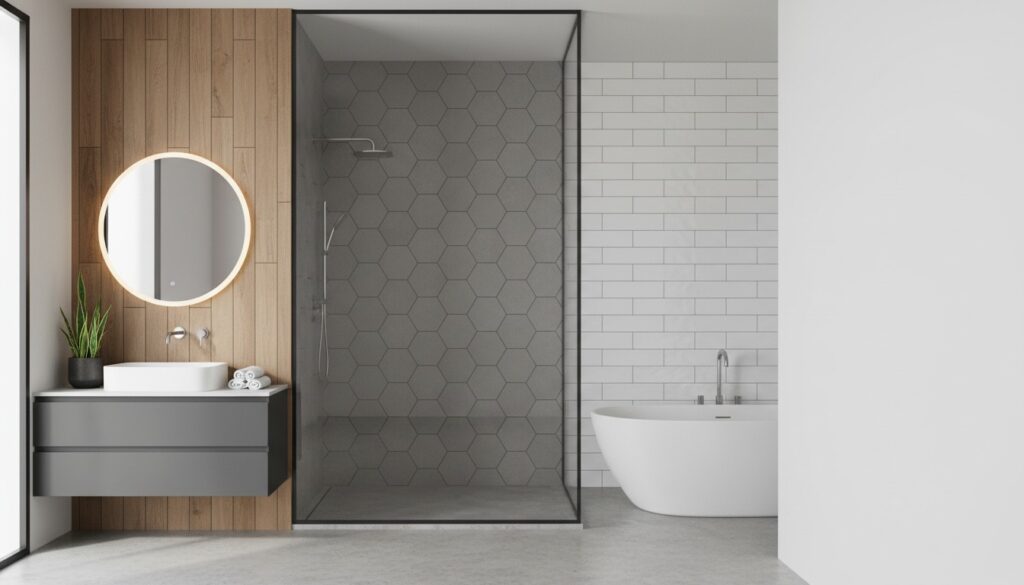
As far as I know, is when I’m staring at hundreds of shiny samples (depending entirely on the context) in Hatirjheel’s showroom. The market for bathroom tile design in Bangladesh has moved a long way, so no scratches beyond the basic pink-and-blue ceramic of the late 90s.
You’re probably looking for a balance with an upscale Italian aesthetic. Does it actually matter?
A road surface that doesn’t become a skating rink the moment it gets wet, and mostly since 2022, there has been a huge influx of nano-coating technology into the local industry. High-resolution digital printing makes domestic SKUs indistinguishable from European imports.
Key points
- Modern vitrified tiles in Bangladesh now feature water absorption rates below 0.05%, which prevents the ‘damp smell’ common in older apartments.
- Slip resistance is no longer a luxury; R10 and R11 ratings are the new gold standard for safety in wet areas.
- Large format slabs like 600x1200mm reduce grout lines by up to 60%, creating a significantly cleaner visual field.
- Local brands like Akij and RAK have bridged the quality gap, offering Statuario and Calacatta patterns at a fraction of the import cost.
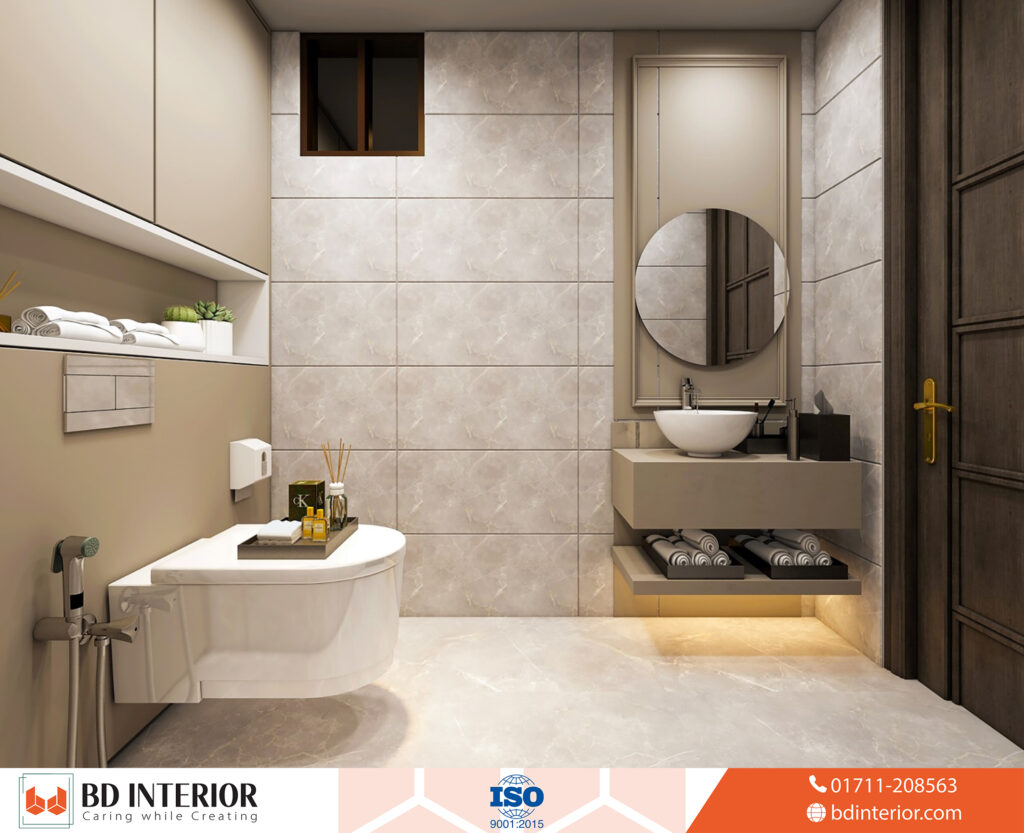
Modern Tile Technology Standards in the Bangladesh Market
Modern bathroom tiles are designed with a high-density, vitrified surface to be extremely durable with near-zero water absorption.
Quick review: The underlying point remains clear. Unlike traditional clay-based ceramics.
These tiles undergo double-load firing at temperatures exceeding 1200 degrees Celsius. This process creates a glass-like structure throughout the tile body, not just the surface. When you choose the vitrification option.
You’re investing in a material that’ll withstand the high humidity levels — correction, standard of the Bengal Delta, and won’t warp or stain from within.
Industry data shows that the transition to homogeneous tiles has reduced long-term maintenance costs for homeowners by approximately 35% over a 10-year cycle (at least in many practical scenarios). These surfaces don’t just look good; Often, Nano-coating technology is now baked into the top layer of luxury local brands, and this microscopic shield provides an antimicrobial surface that actively prevents the growth of mold and mildew.
If you’ve ever had trouble with black spots on your joints. At the edge of the tile. This technique gives a clear solution. Making the surface hydrophobic so water beads up and rolls off rather than soaking into the stone’s microscopic pores (more on that later).
Walls “sweat” during monsoons. That’s what happens. If a traditional tile consistently has an absorption of. Not exactly what you’d expect. 5%.
If you think about it, this technological change keeps your bathroom cooler and smells fresher. The material’s low porosity prevents odor and moisture from building up. For those tracking price calculations for home interiors, understanding these material grades is the difference between a 5-year repair and a 30-year investment.
Technology comparison: absorbency and hardness
at least 0.05% Absorption
5.0% Absorption
Technical Safety Standards for High-Performance Wet Areas
Safety in modern bathroom design is measured by the “R rating” for slip resistance and the Mohs hardness for surface hardness.
Don’t invest in floor tiles without asking about the R rating; most glossy tiles in Bangladesh showrooms are R9, which is fine for a dry living room but (more on that later) dangerous in the shower. A safe wet area calls for R10 or R11. These ratings indicate the degree of friction a surface provides. When tilted at a certain angle when oiled or wet.
The next indicator that can’t be ignored is surface hardness. Modern vitrified tiles usually fall between 6 and 8 on the Mohs scale.
To put it into perspective, a diamond is 10. And the nails are 2. As it turns out, enough is enough. Now, this stiffness allows you to reliably drag the bucket.
Also, dropping a glass bottle will not leave a permanent mark on your floor. When choosing moisture-resistant floor materials, the hardness determines how well the texture will withstand abrasive dust, which is common in Dhaka.
The weight is like this. High-gloss mirror-polished tiles look amazing in catalogs.
However, all traces of water droplets. And soap scum will be exposed.
In a high-traffic family bathroom, this becomes a daily cleaning nightmare. Now, tech-savvy homeowners are moving toward “lapapato” or semi-polished finishes.
And what matters even more, brings a subtle light-reflecting shine without the dangerous slipperiness of a full polish. PEI (Porcelain Enamel Institute) ratings further categorize durability. For residential bathrooms, PEI class 3 is sufficient, but class 4 is becoming the norm in residential buildings where you want zero signs of wear and tear for decades. But context is very important.
Batch Variation and the Invisible Trap
Setting that aside, taking a different approach here. ” The tiles are fired in a huge kiln. In reality, slight temperature fluctuations can also cause the hue to change. Or less 2% to 5% between runs. That changes the picture quite a bit. Make it what you want.
If you bought 500 square feet today. And next week you need more than 50, (obviously), your new box mightn’t fit. What does that mean to you?
Be sure to check the batch number printed on the side of the box. Invest in roughly 10% more space than calculated to account for corruption and batch consistency. That occurred to me, too.
Here’s the thing – like. This small oversight ruins more high-end designs than almost any other mistake.
Large Format Slabs and Visual Continuity Challenges
Large format tiles like 600x1200mm and 800x1600mm replace traditional small squares to create the expansive look, with fewer grout lines and a sleeker look.
This trend is in response to the growing demand for a minimalist aesthetic in urban apartments, which means reducing grout lines doesn’t just look better; it also saves a major $2 surface area for bacteria and dirt to accumulate. But these giant slabs come with a set of hidden technical requirements that many local contractors ignore.
In most cases, without this, pressure can cause the tiles to “tent” or crack. Therefore. From what we can tell, the majority of local forums have reported that their expensive 1200mm slabs have cracked, mainly within a year of butt-jointing without spacers by contractors.
Epoxy grout should be used instead of traditional white cement. Strangely enough. Epoxy is waterproof and stain-resistant. And won’t yellow over time.
| Tile Size | Grout Density | Best Use Case |
|---|---|---|
| 300x300mm | High (Every 1ft) | Small guest toilets, sloped drainage areas |
| 600x600mm | Medium | Standard master bathrooms, consistent look |
| 600x1200mm | Low | Luxury suites, continuous wall-to-floor flow |
| 800x1600mm | Minimal | Large wet rooms, feature walls, minimal joints |
Handling these slabs requires special platforms. The suction cup lifter and leveling system are non-negotiable.
Looking at this from another angle, because the tiles are large. Even a height difference of 1mm between the — actually, that’s not quite right, two edges (known as “rippage”) is a tripping hazard. That’s where hiring professional design consultants matters here. Make sure the subfloor is perfectly level before applying a drop of adhesive.
A slab of length 1600mm has little flexibility. If there’s a depression. On the floor below, the tile will eventually break. Please keep this.
The underlying point remains simple. It ties everything together later.
Pricing Dynamics and Material Selection for Local Brands
Prices for luxury bathroom tiles in Bangladesh currently range from 80 BDT to 450 BDT per square foot, depending on manufacturing techniques and finishes.
You no longer need to import Italian marble to feel luxurious. Local giants like Akij, RAK, and DBL use Italian-made digital inkjet printers that can replicate the irregular stripes of; actually, hold on, natural stone with an accuracy of approximately 99% — which is why this technology combines high-end beauty with local affordability.
In practice, the dynamic changes slightly. At the lower end of the range (80-120 BDT), we have standard ceramic tiles. These are suitable for low-budget rentals.
However, it lacks the thermal stability required for modern homes. Plus, the middle range (150 to 250 BDT) is the best value.
And to be honest, here you get a well-made vitrified tile with slip resistance R10. The premium level (300 BDT+) includes large-format porcelain slabs. And high-gloss double-charged tiles that mimic rare stones such as Calacatta and Nero Marquina.
There’s a point here that most people overlook. The cost of the tiles is only about 60% of the total cost. Read that again if you need to. Look at the metrics.
Nine times out of ten. And also, the specialized labor required for large formats can greatly increase total “installation” costs.A
600x1200mm slab is twice the rate for a standard 300x300mm tile due to the required accuracy. Use photorealistic layout previews before purchase to accurately visualize the number of complete slabs and reduce expensive waste.
Why Local Brands are Winning
European tiles are always designed for cold climates. It’s clear enough. The local brand actually formulates porcelain bodies to match the region’s humidity and temperature fluctuations.
This prevents microscopic “cracks”. Or the hairline cracks that appear over time on low-quality imports.
Maintenance Realities and Long-Term Surface Integrity
Maintaining the integrity of modern bathroom surfaces requires a transition to neutral pH detergents that protect nano-coatings from strong acids. Most households in Bangladesh still use strong hydrochloric acid to clean toilets. This is a big mistake for modern tiles. Acid attacks the protective nano sealant and epoxy grout. When it comes down to it, it makes the tile more porous and easier to stain. Once the factory seal is gone, the tile will pick up dirt twice as fast.
In cities like Dhaka and Chittagong, pesky water is the biggest enemy. Calcium and magnesium in the water leave a white, chalky deposit on the dark tiles, if you choose black or navy tiles for your shower. It’s that simple.
Be sure to prepare the squeegee after use. Matte finishes are much more forgiving here. It hides water spots.
Soap scum that looks like a disaster on a shiny surface.
It’s basically undamaged under normal residential conditions. Yet, a standard knife can’t scratch a grade 7 Mohs surface. This makes it ideal for homes with pets and children. The secret to long life is grout.
Consider this: If the grout remains intact, moisture cannot penetrate the back side of the tile. 5 ~ 7 Re-grouting every year is a preventative way to keep your bathroom walls from starting to “hollow out.” This is the sound you hear when the tile starts to peel away from the adhesive.
Clearly, The real difference in a bathroom that lasts isn’t just what you invest in. But how you treat it in the first six months.
Like, — Avoid the “incorrect” advice to use raw acid for initial cleaning. After construction, and be honest. And, to be more precise, use a special cement film remover instead. This will keep the surface shiny. We also guarantee that your R-rated safety grips will continue to function for years to come.
FAQs
What is the best tile size for a small bathroom in Bangladesh?
Many people think that small tiles make a room look bigger (at least in real-life scenarios), The opposite is true. Using 600x600mm or 600x1200mm tiles will reduce the number of grout lines. Makes the floor look like one continuous piece. The key here is that the lack of a visual break tricks the eye into seeing more space.
Are glossy tiles too dangerous for bathroom floors?
Standard glossy tiles can be dangerous in wet conditions due to their low-friction surfaces. If you like the look of it, please display it on your wall. Here is the thing, choose the “Lappato” or, hmm, let me put it differently, matte version of the same design for the floor. That’s certainly true. This preserves aesthetics while making sure safety.
How do I prevent grout from turning black in my bathroom?
Black grout is usually caused by mold growing within the porous white cement. Non-porous and waterproof. For existing bathrooms, use a pH-neutral antibacterial cleaner once a week to prevent mold growth.
Can I install new tiles over my old bathroom tiles?
Selecting threads that were previously used and are still in use is called a “tile-on-tile” installation. It saves you the trouble of destroying old tiles. However, requires the use of a special “type 2” adhesive designed for non-porous surfaces. Also, if the floor level is approximately 12-15mm. The trend keeps going. Measurable difference. It’ll go up, so you will need to trim it at the bottom of the bathroom door (which makes perfect sense, logically).
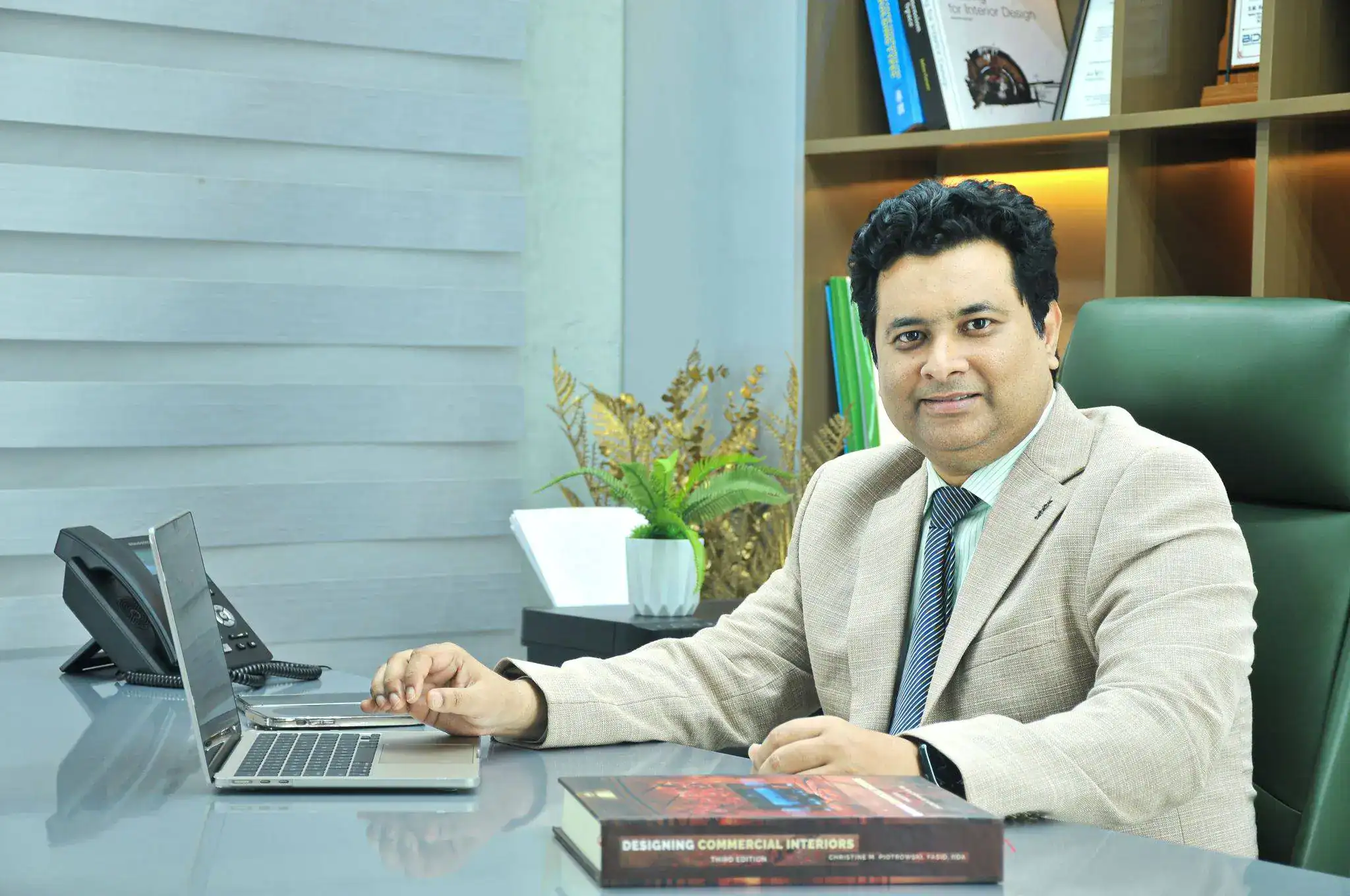
S.M. Rezaul Haque is a seasoned interior design consultant with 15+ years of experience. An AIUB graduate and Senior Vice President of BIDCOA, he specializes in creating functional, sustainable, and visually inspiring spaces. As the driving force behind BD INTERIOR, he has helped shape 700+ Bangladesh’s most innovative interior design projects.