
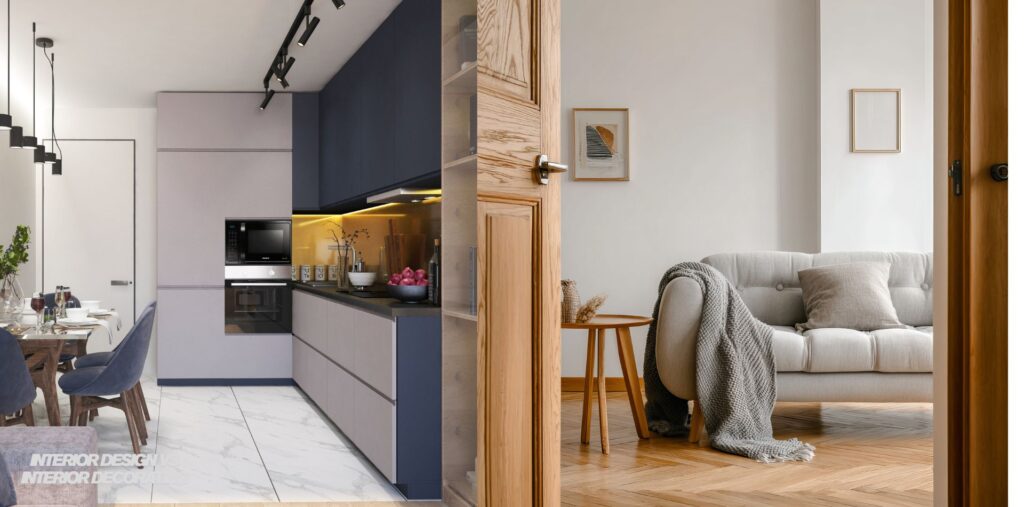
Homeowners all the time mix up two distinct professions when planning home renovations. Actually Interior Design vs Interior Decorating: What's the Real Difference?, the dividing line comes down to structure versus aesthetics. In 2025 and 2026 trend discussions, community forums consistently show that confusion between these terms remains widespread among renters and property owners alike. In my own consulting work with residential spaces, I've seen clients hire a decorator to fix structural circulation problems, only to realize too late that they needed an architecturally trained designer.TL; DR
- Interior designers manage structural alterations, safety codes, and spatial architecture, whereas decorators focus strictly on surface-level visual styling.
- Designers typically carry formal accreditations like NCIDQ and work directly with general contractors during major renovations.
- Choose a designer for layout overhauls and technical coordination, but hire a decorator for rapid aesthetic refreshes.
Table of Contents
- Understanding the Core Difference Between Design and Decorating
- Structural Architecture vs Aesthetic Styling Scope
- Education, Licensing, and Professional Credentials
- Cost Analysis and Budget Allocation for Projects
- People Also Ask
- Making the Final Decision for Your Space
Understanding the Core Difference Between Design and Decorating
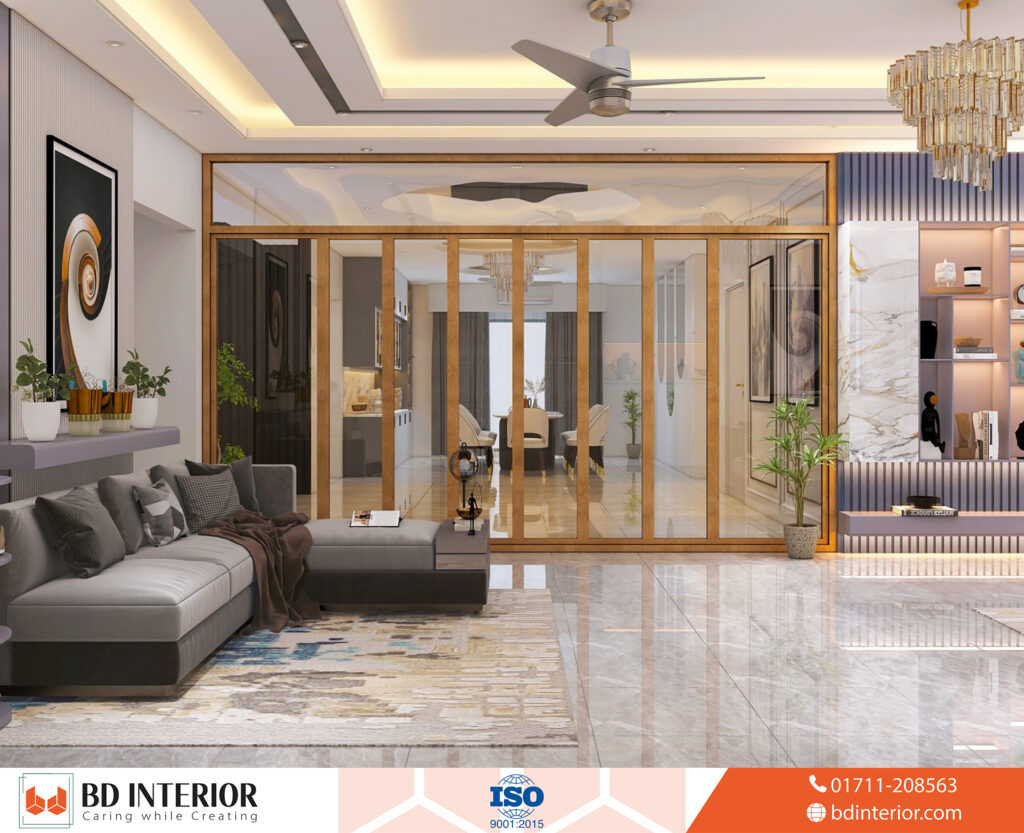
Interior design is the art and science of shaping interior space through structural planning and technical systems, while interior decorating focuses exclusively on beautifying existing spaces through furniture, textiles, paint palettes, and decorative accessories.
Under normal conditions, user discussions in 2025 and 2026 echo a, actually, that's not quite right, clear consensus: most of us describe designers as solving space and code issues. Decorators handle color might be true, but furniture, and finishing touches. Loads of people say the easiest shortcut is that designers handle how a room works.
While decorators solve how it looks, so designers set up the canvas, and decorators add the distinct personality.
+-----------------------+-------------------------------------------------------+
| Core Aspect           | Interior Design vs Interior Decorating               |
+-----------------------+-------------------------------------------------------+
| Primary Focus         | Spatial layout, architecture, building functionality  |
| Decorating Focus      | Color schemes, textiles, lighting moods, accessorizing|
| Structural Work       | Moves walls, alters floor plans, specifies wiring     |
| Project Timing        | Ground-up construction or major structural renovations|
| Typical Tools         | AutoCAD, Revit, Building Information Modeling (BIM)   |
+-----------------------+-------------------------------------------------------+
"Interior Design is about function and form, while Interior Decorating is about aesthetics and style." — Nidhi Jain Associates
When you examine the different aspects of interior design, the scope extends far beyond surface styling. Designers analyze human movement patterns, acoustic comfort, lighting performance, and local building safety codes. Decorators step in after the physical envelope exists to create visual harmony without changing floor plans.
Global Interior Design Industry Value by Year (USD Billions)
Market data shows that the global interior design industry reached $139.05 billion by 2025, powered by a surge in demand for specialized residential and commercial renovations. Forecasters project a steady market CAGR of 4.3% from 2025 through 2030, showing that professional spatial improvements continue to command real real estate investment.
Structural Architecture vs Aesthetic Styling Scope
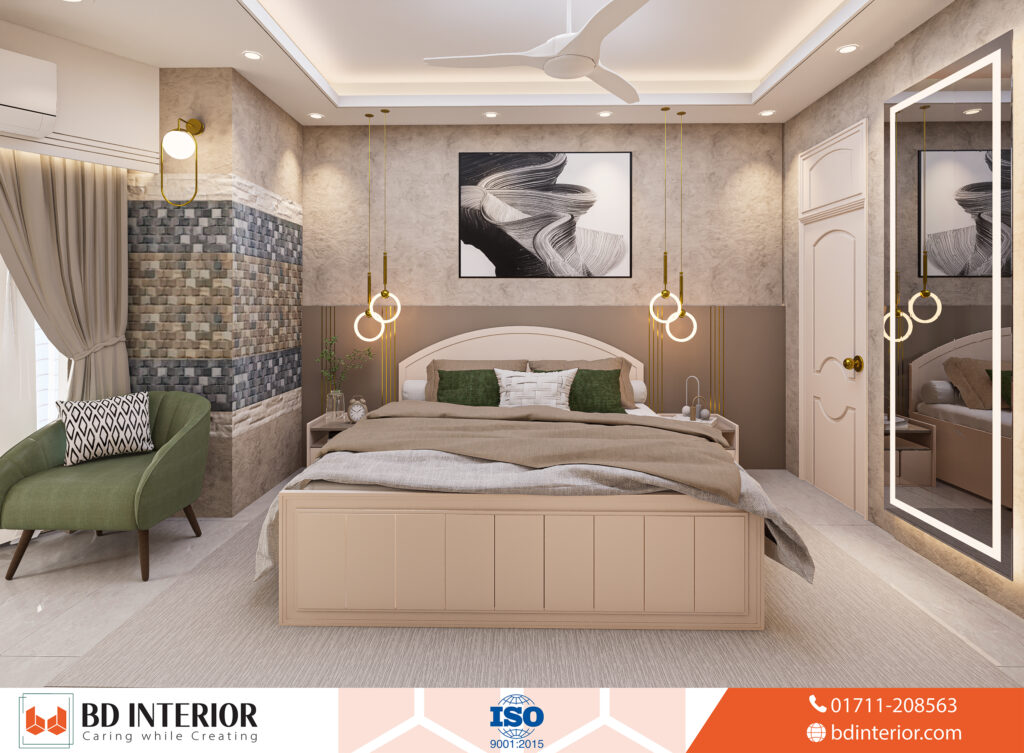
The scope of interior design includes technical space planning, demolition, plumbing relocation, and structural coordination, whereas the scope of interior decorating remains restricted to surface finishes, custom drapery, paint selection, and freestanding furniture procurement.
Interior design includes technical space planning, demolition, plumbing relocation, and structural coordination. Interior decorating remains restricted to surface finishes, custom drapery, paint selection, and freestanding furniture procurement.
A designer manages the physical envelope of the room. When an owner needs to fix an awkward room layout, designers assess load-bearing walls, relocate door frames, and produce construction drawings. Users constantly praise designers for improving traffic flow and solving practical problems in small or odd-shaped rooms.
How does a designer manage physical space planning?
A designer drafts technical layout plans using CAD tools to balance structural pathways, lighting grids, and mechanical integration.
They translate your daily habits into functional floor plans and coordinate with electricians to place junction boxes exactly where fixtures need to hang.
What does an interior decorator focus on during a room makeover?
An interior decorator curates cohesive aesthetics through color palettes, upholstery, window coverings, artwork, and furniture arrangements.
They work inside the existing room dimensions. Using paint swatches from suppliers like Sherwin-Williams, they balance textures and light reflection to elevate room ambiance without moving a single electrical wire.
Education, Licensing, and Professional Credentials
Professional interior designers complete formal academic degrees in interior architecture and pass state licensing exams like the NCIDQ, while interior decorators usually build their careers through hands-on styling experience, portfolio curation, or specialized design certificates.
Education put together a major gap between these two career paths. Interior designers study spatial volume, architectural history, building codes, and environmental accessibility standards. In many jurisdictions, practicing under the legal title of "Interior Designer" needs passing the rigorous Council for Interior Design Qualification (CIDQ) exam. Organizations like the American Society of Interior Designers (ASID) enforce strict educational needs for professional membership.
Decorators don't need government licensing because their work doesn't impact building safety. Their primary strength lies in visual composition — balance — and vendor sourcing. To be precise: while decorators skip structural engineering, their knowledge of textiles, styling techniques, and color psychology demands serious aesthetic figure outment.
When hiring an interior designer vs contractor, working with a licensed designer makes sure that construction drawings meet code before general contractors begin demolition. Compensation mirrors this educational divide; the average salary for designers reached $71,430 in 2024 according to data published by the Bureau of Labor Statistics.
Cost Analysis and Budget Allocation for Projects
Interior design projects involve higher upfront fees ranging from hourly consultations to square-footage pricing, whereas decorating services cost less because they exclude architectural permits, construction overhead, and code compliance liabilities.
In regional markets like Bangladesh, design fees a lot range between BDT 30 and BDT 80 per square foot depending on project scope. Experienced firms like BD INTERIOR a lot deliver complete ready-made coordination, bridging the gap between structural planning and decorative finishing. Homeowners looking to reduce interior design cost can choose a hybrid model: pay a designer for spatial plans and manage the decorative furniture buys independently.
- Audit your project scope — Determine if your remodel requires moving walls, plumbing lines, or electrical points.
- Establish your target budget — Separate structural renovation funds from soft furnishing and styling allowances.
- Verify professional credentials — Check NCIDQ certifications for designers or portfolio trade references for decorators.
- Request detailed proposals — Compare full scope documents and Bills of Quantities before signing service agreements.
People Also Ask
Can an interior designer also decorate a space?
Yes, interior designers possess the complete training required to handle structural planning as well as decorative styling.
Most certified designers handle lighting, textile schemes, and accessory placement in addition to architectural plans. Their education includes spatial acoustics, ergonomics, and color theory, allowing them to provide end-to-end service.
Can an interior decorator move non-load-bearing walls?
No, interior decorators don't alter walls, plumbing layouts, or electrical systems.
Moving any wall requires an understanding of structural loads and local building codes. Decorators operate strictly within the finished architectural envelope of a room.
Which professional costs more per project?
Interior designers generally charge higher fees due to formal licensing, insurance requirements, and technical drafting responsibilities.
Decorators cost less because their scope avoids permitting delays and structural liability. Decorator pricing typically relies on hourly consulting, room flat fees, or procurement markup.
Do I need architectural plans for a cosmetic room refresh?
Cosmetic room updates do not require technical architectural plans or municipal building permits.
If you are simply repainting walls, swapping curtains, or purchasing new seating, a decorator provides all the expertise you need without added drafting expenses.
Making the Final Decision for Your Space
Choose an interior designer if your remodel involves structural changes, permits, or layout reconfiguration, and choose an interior decorator if you want to elevate the style of an already functional room.
Understanding the distinction in
Interior Design vs Interior Decorating: What's the Real Difference? protects your budget from costly hiring mistakes. When I look back at challenging residential renovations, the projects that went smoothly were always the ones. Where clients matched the professional's scope to the home's real demands. When your space feels awkward — dark, or cramped,; actually, that's not quite right, hire a licensed designer to fix the behind-the-scenes architecture.
If your layout functions well. Plus, feels visually outdated, collaborate with a talented decorator to shift your home with fresh style.

S.M. Rezaul Haque is a seasoned interior design consultant with 15+ years of experience. An AIUB graduate and Senior Vice President of BIDCOA, he specializes in creating functional, sustainable, and visually inspiring spaces. As the driving force behind BD INTERIOR, he has helped shape 700+ Bangladesh’s most innovative interior design projects.