
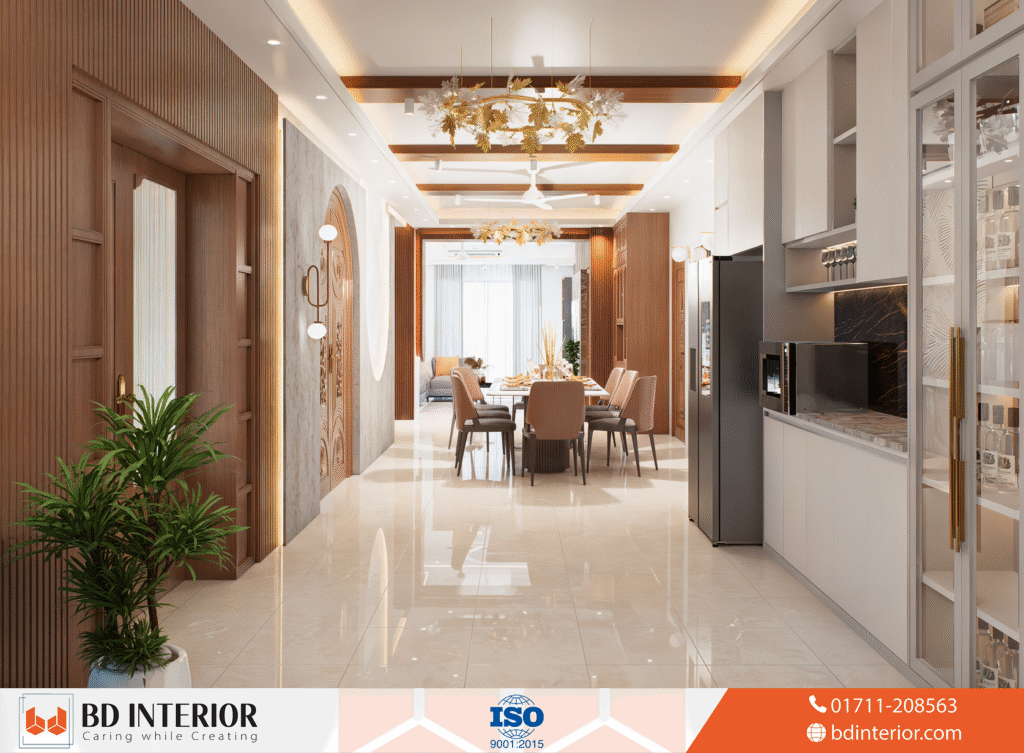
Your home tells your story. In Bangladesh, where culture and modern living come together, interior design is more than just decoration. It turns spaces into personal sanctuaries. We know that making a beautiful home means balancing tradition with modern needs.
This guide covers what you need to know about Bangladeshi house interior design so you can make smart choices for your dream space.
Essential Elements of Bangladeshi House Interior Design: Traditional Meets Modern
Bengali heritage brings many beautiful elements to your home, such as Alpona patterns on floors and walls, terracotta for warmth, and Nakshi kantha textiles for decoration. You can use jamdani fabric for curtains or upholstery, and showcase brass utensils as both art and useful items. Choose pieces that have personal meaning to honor our roots.
Climate-Responsive Design Solutions
Bangladesh’s tropical climate calls for smart design choices. Cross-ventilation keeps rooms fresh and lowers electricity costs. Try placing windows across from each other to let air flow naturally. High ceilings let hot air rise away from where you spend time.
Light-colored walls reflect heat rather than absorbing it. Tiles or marble floors stay cooler than carpet. Ceiling fans with the right blade angle move air well. Mesh screens let in air but keep insects out.
Natural Materials and Local Craftsmanship
Using local materials creates an authentic feel for your home and supports local artisans. Bamboo furniture is strong and eco-friendly. Jute rugs add texture and are affordable. Cane chairs give verandas a classic look. Wood from Shegun or Mehogoni trees looks better as it ages.
Sustainability-focused renovations frequently utilize non-toxic paints and natural finishes to minimize the environmental footprint while creating a chemically safe and healthy domestic sanctuary.
We suggest visiting local craft markets to find unique items. Stone from Sylhet adds natural beauty to bathrooms. These choices connect your home to the land and help the environment.
Room-by-Room Interior Design Guide for Bangladesh Homes
Living rooms in Bangladesh have many uses. Modular sofas are good for big gatherings, and floor cushions make the space more relaxed. Coffee tables, wall-mounted TV units, and display cabinets help save space while showcasing family heirlooms.
Installing Thai glass partition wall systems effectively separates living and dining areas without sacrificing natural light or the feeling of an open, airy floor plan in smaller city homes.
Using different types of lighting and neutral colors makes it easy to update the room for each season. Indoor plants bring in some greenery.
Kitchen and Dining Space Planning
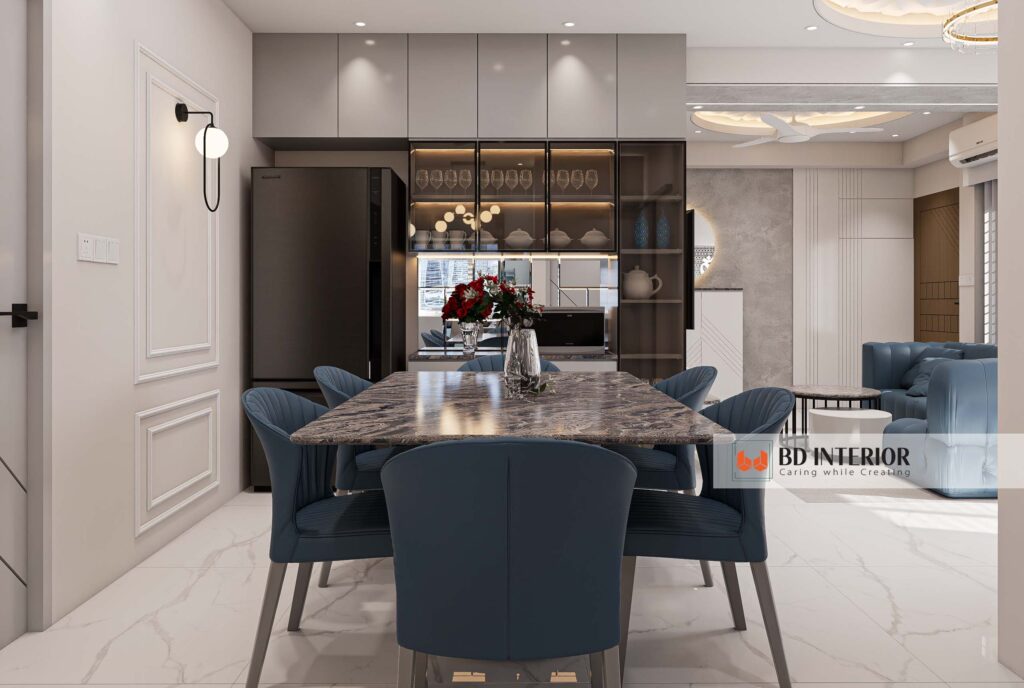
Bangladeshi cooking requires specific kitchen considerations. An efficient work triangle connects the stove, sink, and refrigerator. We suggest granite countertops for heat resistance and easy cleaning. Adequate storage prevents clutter in smaller kitchens. Exhaust systems remove cooking odors and moisture. The dining area should be close to the kitchen for convenience when serving.
A table seating 6-8 people works for most families. Pendant lights above dining tables create an intimate atmosphere. Open shelving displays decorative dishes while keeping them accessible.
Bedroom Sanctuaries and Prayer Spaces
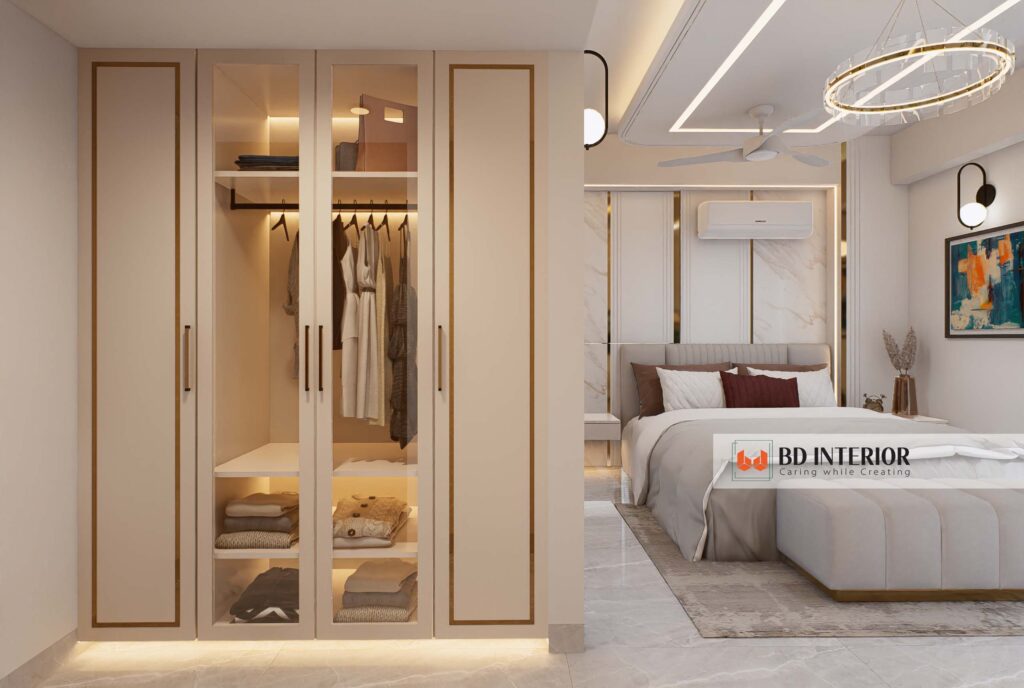
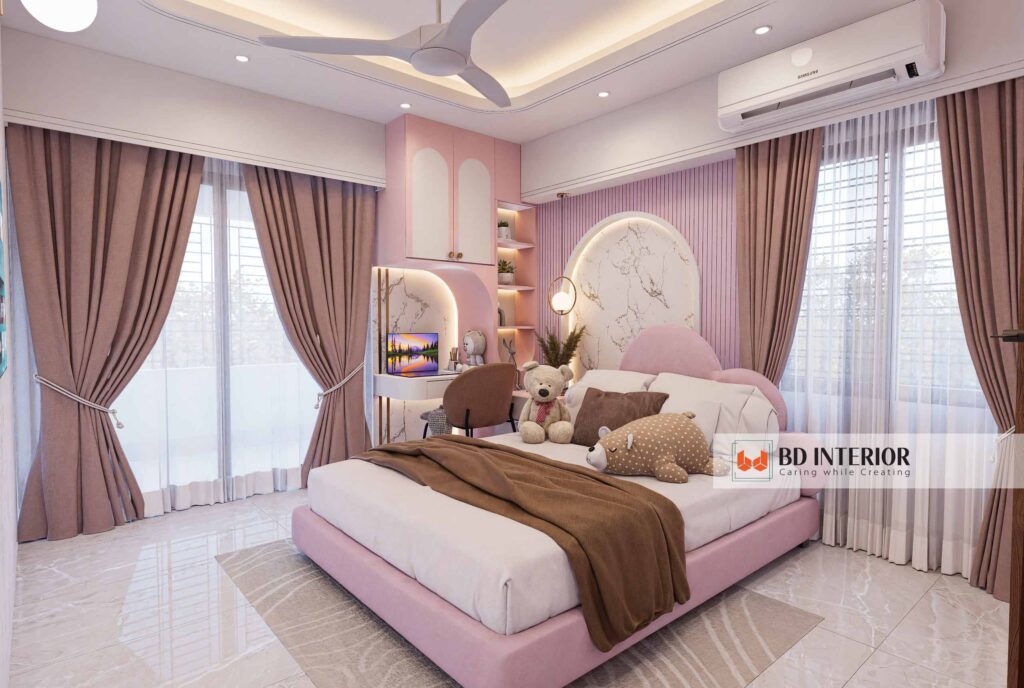
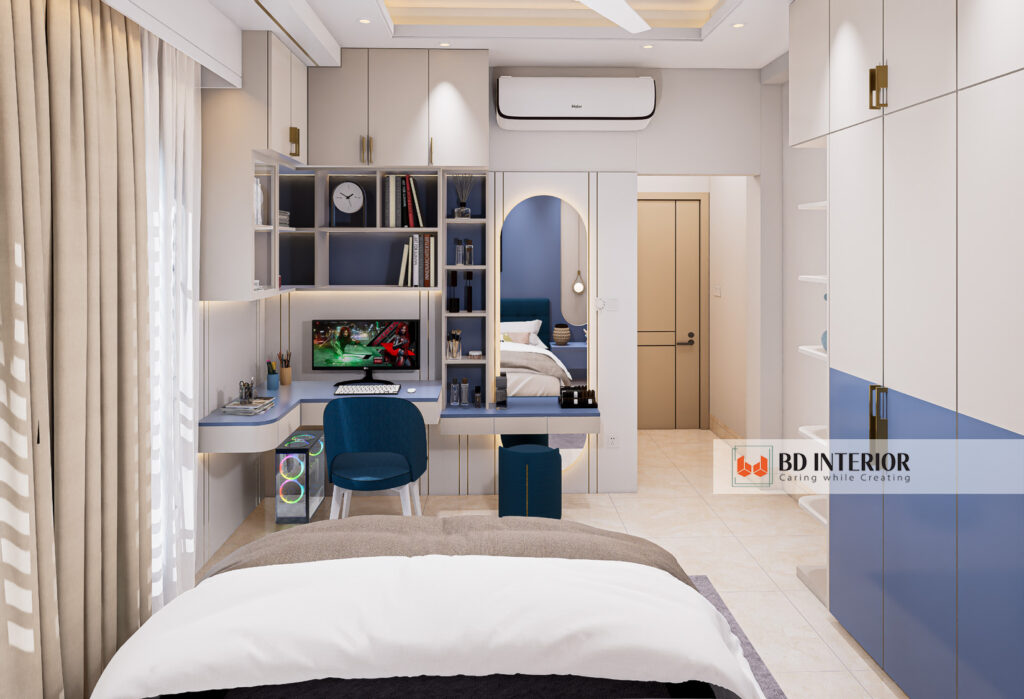
Bedrooms should feel calm to help you rest well. Place beds so they are not directly in view from the door for more privacy. Built-in wardrobes save space and add storage. We suggest using blackout curtains. Many Bangladeshi homes have a prayer corner in the bedroom. All you need is a prayer mat and a clean wall. Soft lighting is useful for late-night activities. For children’s rooms, add a study area with good desk lighting and a comfortable chair.
Best Interior Design Styles for Bangladeshi Houses in 2026
Minimalism is great for Dhaka apartments where space is limited. This style uses clean lines and keeps surfaces clutter-free. We like to add a few Bengali touches to a simple base.
For example, one terracotta sculpture can serve as the main feature. Neutral colors like white, beige, and gray create a calm atmosphere. Furniture that serves multiple purposes is useful. Hidden storage keeps things tidy. This style is especially good for young professionals who want a modern look.
Prioritizing health, many modern designers now specify low-VOC paints to ensure that indoor air quality remains safe for children and elderly family members during the renovation process.
Tropical Colonial Fusion Style
Many Bangladeshi homes feature colonial-style elements, offering plenty of design options. High ceilings with detailed cornices make rooms feel grand. Dark wood furniture looks great with white walls. Plantation shutters help control light and keep air moving.
High-end residential projects often prioritize premium soundproofing and luxury finishes in neighborhoods like Gulshan, Banani, Dhanmondi, and Bashundhara to maintain a quiet, upscale atmosphere amidst Dhaka’s urban bustle.
We recommend rattan or wicker furniture for a true tropical feel. Verandas can be used as extra living space with the right furniture. Ceiling fans with wooden blades fit this style well. Indoor plants like ferns and palms add to the tropical vibe.
Modern Bangla Contemporary Design
This style shows Bangladeshi identity in a modern way. Traditional geometric patterns appear in tiles and fabrics, and bold colors like mustard, teal, and terracotta stand out. Open floor plans work well for joint families. Local art and handwoven textiles make strong statements, proving you can mix heritage with comfort.
Textural depth can be achieved through 3D wallpaper, which provides a modern alternative to traditional wood panels for creating a high-impact feature wall in living rooms.
Budget-Friendly Bangladesh House Interior Design Ideas and Cost Breakdown
You don’t have to spend a lot for good interior design. We suggest checking Karwan Bazar or New Market for affordable furniture. Elephant Road is a good place for electronics and lighting at fair prices.
Ready-made furniture can be customized with paint or fabric. Online shopping lets you compare prices before you buy. Shopping during Eid sales can save you money. Factory outlets offer top brands at lower prices. Local carpenters can make custom pieces for less than big showrooms.
DIY Projects and Upcycling Ideas
Reusing old items can give your home a fresh look. Paint old furniture in new colors for a quick update. Try using fabric to cover worn chairs. Glass jars can be used as storage with simple labels. Old sarees make beautiful cushion covers or curtains. Stack wooden crates to make rustic shelves. Wall stencils can give you a designer look for less than wallpaper. These projects add personality and help you save money.
Cost Breakdown for Different Room Sizes
| Room Type | Small (100-150 sq ft) | Medium (150-250 sq ft) | Large (250+ sq ft) |
| Living Room | ৳50,000-80,000 | ৳80,000-1,50,000 | ৳1,50,000-3,00,000 |
| Bedroom | ৳40,000-70,000 | ৳70,000-1,20,000 | ৳1,20,000-2,50,000 |
| Kitchen | ৳60,000-1,00,000 | ৳1,00,000-2,00,000 | ৳2,00,000-4,00,000 |
These estimates cover basic furniture, lighting, and decor. Feel free to adjust as needed. Premium finishes can increase costs by 40-60%. Set aside an extra 10% for surprises. The main point is to plan your room budgets carefully, since custom choices and better materials will affect the final price.
Achieving a stylish, low-cost interior is entirely possible by prioritizing high-impact paint, lighting, and textiles over expensive structural changes while still maintaining a premium, curated aesthetic.
How to Choose the Right Interior Designer in Bangladesh for Your Home
Professional credentials are important when choosing a designer. Look for someone with a degree in interior design or architecture. We suggest checking at least five of their finished projects. Photos should show different views and details. Ask if they have experience with Bangladeshi house interiors. Make sure they know local building codes and rules. Try to see a range of styles and budgets in their work.
Exceptional design quality is often reflected in industry recognition, such as firms earning 13 national awards for creativity across diverse residential and commercial Bangladesh house interior design categories.
Choosing a contractor with 300+ constructions completed provides a level of technical security and logistical foresight that is essential for managing large-scale residential renovations successfully.
Trusting a firm with 13+ years of experience ensures that the design team understands the nuances of local sourcing and construction logistics specific to the complex Bangladesh market.
Understanding Design Fees and Contracts
Designers in Bangladesh charge differently. Some charge a flat fee per project, while others take 10-15% of the total cost. Hourly rates usually range from ৳1,500 to ৳5,000, depending on experience. We recommend getting a detailed written contract before you start. The contract should list what will be delivered, the timeline, and the payment schedule.
Make sure you know who will buy materials and manage contractors. Include rules for changes to avoid confusion. Payments are usually made in three parts: an advance, a middle payment, and a final payment.
Red Flags and Green Flags in Selection
Trust your feelings when meeting designers. Good designers listen first and ask about your lifestyle, preferences, and budget. It’s a good sign if they give references easily. Being open about costs and timelines shows they are professional. Watch out for designers who push expensive options you don’t need or ignore your ideas. Poor communication at the start can mean trouble later. Pick someone whose style matches your vision and who offers new ideas.
A proven track record of serving 850+ happy clients serves as a powerful indicator of a designer’s ability to deliver complex projects on time and within the agreed budget.
Frequently Asked Questions
What is the average cost of interior design for a 1200 sq ft apartment in Dhaka?
Interior design for a 1200 sq ft apartment usually costs between ৳10,00,000 and ৳15,00,000. The price depends on the materials, the furniture, and the complexity of the work. Local materials are cheaper than imported items. It’s smart to set aside 15-20% of your apartment’s value for design. The main point is to plan your budget based on what you need and the quality you want.
How long does a typical house interior design project take in Bangladesh?
Most home projects take 2-4 months from start to finish. Small room updates can be done in 3-4 weeks. Renovating a whole house might take up to 6 months. Delays can happen if materials are late or contractors are busy. We recommend adding extra time to your schedule. Monsoon weather can also slow things down.
Can I mix traditional Bengali elements with modern interior design?
Yes, you can mix traditional Bengali elements with modern design. Fusion styles often look the most authentic in Bangladeshi homes. Traditional patterns work well as accents in modern rooms. We suggest the 80-20 rule: use 80% modern basics and 20% traditional touches. This keeps your space fresh while honoring your culture. The main thing is to place traditional items thoughtfully, not randomly.
Do I need an interior designer for small apartments?
Small apartments can really benefit from professional design. Designers know how to make the most of limited space and help you avoid expensive mistakes. If your budget is tight, you can just get a consultation. Even a few hours with a pro can give you a clear plan for doing it yourself. We have different service packages for small apartment owners.
Designing a 2 unit building plan requires careful attention to shared utility access and soundproofing to ensure privacy for multiple families living under one roof.
Utilizing virtual reality (VR) planning allows homeowners to walk through their digital floor plans and experience the spatial flow before any actual construction or furniture purchasing begins.
Specialized layouts for a penthouse or duplex home often require distinct zoning strategies to manage the vertical transition between social entertaining zones and private family quarters.
Conclusion
Creating beautiful interiors in Bangladesh requires understanding our unique climate, culture, and lifestyle needs. We’ve explored how traditional elements blend seamlessly with modern design. Each room demands specific considerations for functionality and comfort. Multiple design styles offer options for every preference and budget.
Long-standing firms like Zero Inch, established in 2009, provide a wealth of historical project data that helps in predicting long-term material durability in the unique humidity of our climate.
Integrated home automation systems now allow homeowners to control security, entertainment, and cooling from a single mobile interface, adding a layer of sophisticated convenience to modern apartments.
Industry forecasts suggest that biophilic design will dominate 2025, emphasizing the integration of living walls and natural light to improve mental well-being within cramped urban flats.
Expert-led firms like Artek BD frequently demonstrate how a deep understanding of local architectural heritage can elevate a standard floor plan into a bespoke, high-functioning living space.
Current smart lighting and climate control trends for 2024 show a 30% increase in energy efficiency when residents switch to automated, sensor-based systems that adapt to the time of day.
Future-proofing your home with AI-powered climate control ensures that air conditioning units adjust automatically based on real-time room occupancy and external temperature shifts during the monsoon.
Industry leaders such as Circle Interior Ltd have redefined how we approach structural aesthetics by merging functional space-saving techniques with premium Bangladeshi craftsmanship to create truly unique living environments.
Smart shopping and DIY projects make quality design accessible to more families. Choosing the right designer ensures your vision becomes reality efficiently. Your home deserves thoughtful design that reflects who you are while serving your daily needs. Start with one room, learn from the process, and gradually transform your entire living space into the sanctuary you’ve always imagined.
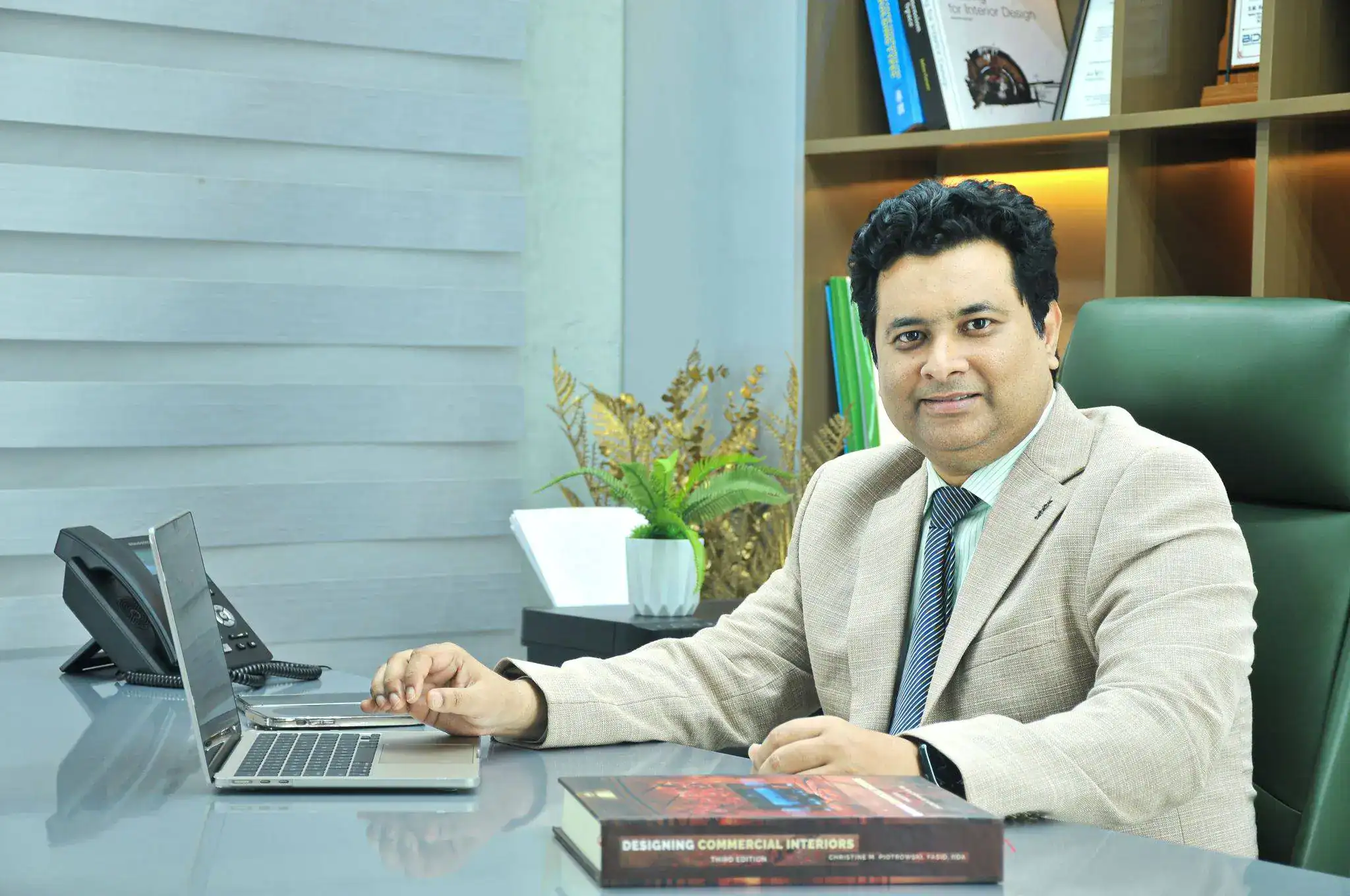
S.M. Rezaul Haque is a seasoned interior design consultant with 15+ years of experience. An AIUB graduate and Senior Vice President of BIDCOA, he specializes in creating functional, sustainable, and visually inspiring spaces. As the driving force behind BD INTERIOR, he has helped shape 700+ Bangladesh’s most innovative interior design projects.