
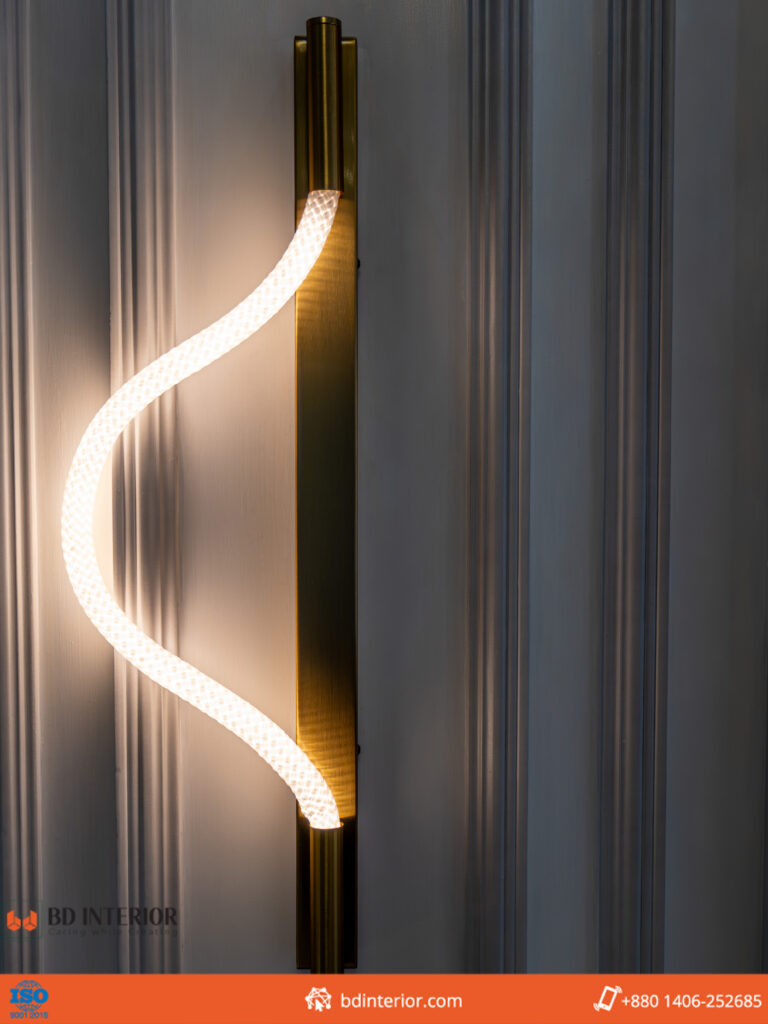
Understanding why lighting is a major factor in interior design helps you turn an ordinary room into a functional and inviting home. Lighting does far more than illuminate dark corners; it sets up spatial proportion, sets emotional tone, and dictates how colors interact across your living environment. See for yourself.
When you walk into a poorly lit room, the most luxurious furniture feels dull and uninspired. On the flip side, thoughtful illumination highlights architectural features, improves comfort, and turns compact spaces into welcoming retreats.
- Balanced illumination defines spatial scale, material textures, and mood throughout residential interiors.
- Combining ambient, task, and accent fixtures prevents eye strain and supports healthy circadian rhythms.
- Choosing 90+ CRI bulbs with 2700K warmth eliminates harsh glare and sterile room appearances.
Key Point
If you want immediate results in your living environment, focus on distribution rather than raw brightness:
- Placing three low-wattage fixtures around a seating area builds more warmth than one bright ceiling light.
- Aim light at vertical walls to make compact rooms feel expansive.
- Select bulbs with a high Color Rendering Index above 90 so paint colors show their true tones.
Table of Contents
- What Lighting Design Actually Means in Residential Spaces
- Why Lighting Is Important in Interior Design for Space and Well-Being
- Three Fundamental Layers of Balanced Home Illumination
- Critical Technical Factors: Color Temperature and Color Rendering
- People Also Ask
What Lighting Design Actually Means in Residential Spaces
Residential lighting design is the calculated arrangement of natural and artificial light sources to improve visual clarity, highlight architectural elements, and support daily activities.
It bridges technical engineering and visual art to balance brightness, beam angles, and color fidelity across every room.
In many urban apartments across Dhaka and other growing cities, homeowners all the time treat illumination as an afterthought. Builders regularly wire a single electrical junction in the center of the ceiling and install a standard tube light. It’s worth noting that that single fixture makes harsh shadows under tables and washes out rich textures. Real illumination planning takes a different path by analyzing how you move, work, and relax in each zone.
How does architectural illumination differ from basic lighting?
Architectural illumination integrates fixtures directly into the building structure to accentuate spatial forms, whereas basic lighting merely provides general visibility.
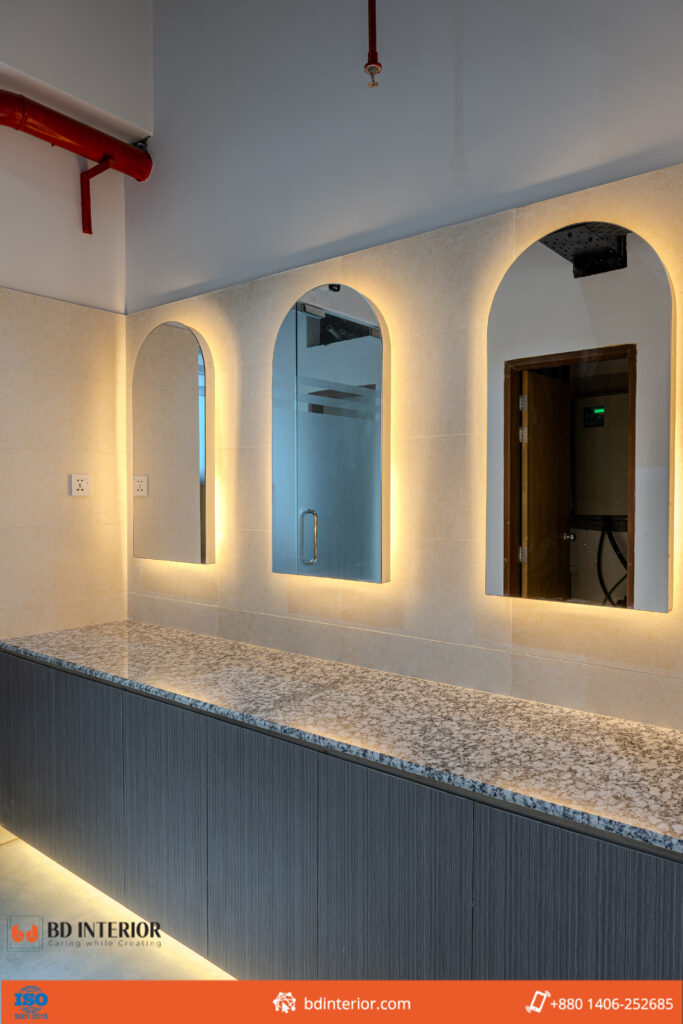
Using techniques like wall grazing and cove lighting to turn walls into soft, glowing surfaces, structured illumination.
When you combine fixtures into false ceiling installations, light becomes part of the architecture itself. Instead of seeing a glaring bulb, you see gentle gradients washing down textured brick, fluted wood, or limestone plaster. That subtle bounce crafts depth that standard light fixtures can’t match.
Why Lighting Is Important in Interior Design for Space and Well-Being
Lighting directly alters spatial perception, making compact rooms feel open and vast rooms feel intimate, while regulating human circadian rhythm and daily productivity.
It controls eye comfort, shapes mood, and prevents optical fatigue caused by extreme contrast ratios.
Human biology responds continuously to light intensity and spectral wavelength. Scientific research on circadian entrainment confirms that warm light around 2700K encourages evening melatonin release. In contrast, higher-Kelvin light between 4000K and 5000K stimulates daytime alertness. On average, when you connect your indoor fixtures with these natural cycles, your home actively supports your health and sleep quality.
“A room should never rely solely on a central ceiling fixture; lighting must be sculpted at multiple levels to create comfort and spatial balance.” – Jonathan Adler
Beyond biology, light manipulates physical boundaries. If you all four vertical walls in a narrow drawing room, your brain perceives the perimeter as wider than its true dimensions. This technique proves super useful for homeowners applying space planning fundamentals to compact urban flats. It’s worth noting that on the flip side, pooling warm light strictly over a dining table brings intimacy to cavernous open layouts.
Recommended Target Illumination by Residential Area (Lux)
As shown in the data above, different living functions call for (which works out well in practice) calibrated light output. A quiet seating area demands only 100 to 200 Lux (10 to 20 Foot-Candles) of soft ambient glow; meanwhile, detailed food preparation surfaces demand 500 to 750 Lux (50 to 75 Foot-Candles) to make sure safety and precision.
Three Fundamental Layers of Balanced Home Illumination
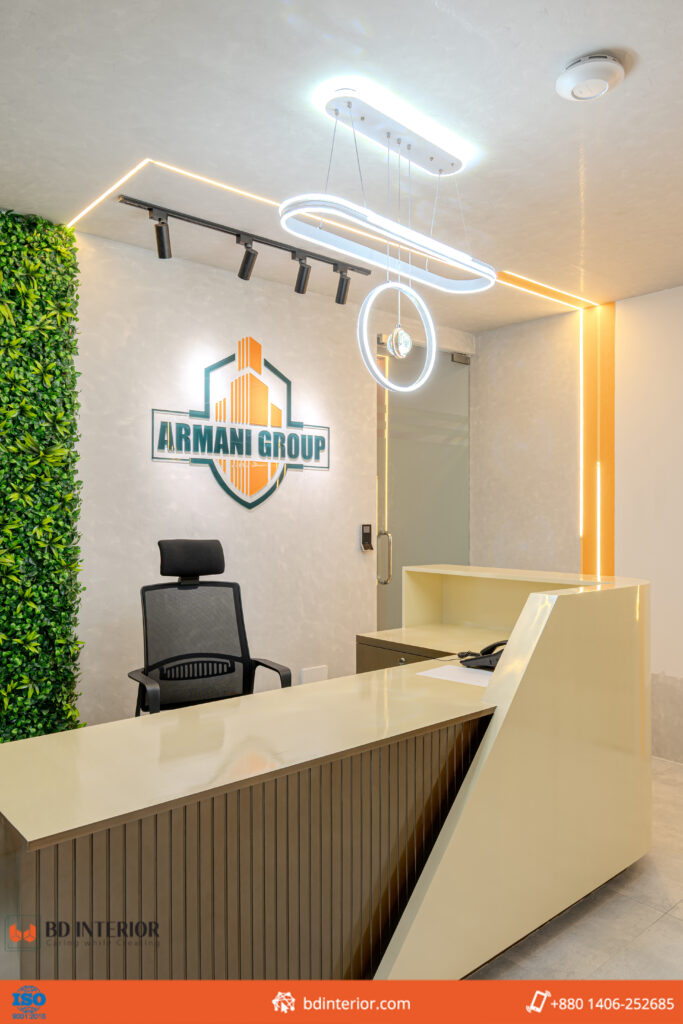
A balanced interior lighting strategy relies on three distinct layers: ambient for general visibility, task for focused activities, and accent for visual interest and depth.
In most scenarios, combining these three layers eliminates dark spots, reduces glare, and gives you total control over room ambiance.
Experienced designers rarely ever depend on a, no, scratch that, single switch to light a whole room. Instead, they build independent lighting circuits that allow homeowners to dial in concrete moods. When you execute strategic interior lighting plans, each layer serves an intentional purpose.
| Lighting Layer | Primary Purpose | Ideal Fixture Types | Target Output Level |
|---|---|---|---|
| Ambient | General navigation and overall room brightness | Recessed downlights, coves, flush mounts | 100 to 200 Lux |
| Task | Detailed activities, cooking, and reading | Under-cabinet strips, adjustable desk lamps | 500 to 750 Lux |
| Accent | Highlighting artwork, textures, and displays | Picture lights, directional spotlights, wall sconces | 3x Ambient Brightness |
What is the recommended contrast ratio between task and ambient light?
The Illuminating Engineering Society recommends maintaining a 3:1 brightness ratio between your focused work surface and the background ambient environment.
Keeping brightness within this 3:1 ratio prevents your eyes from constantly readjusting as you glance around the room, preventing headaches and fatigue.
Weigh your kitchen counters. If you rely solely on ceiling downlights behind you, your body casts a dark shadow over the chopping board.
Installing focused under-cabinet LED bars delivers clear 500-lux task illumination right. Where your knife meets the board.
If you think about it, that hassle-free addition solves the visual contrast problem instantly.
Critical Technical Factors: Color Temperature and Color Rendering
Color temperature measured in Kelvin and Color Rendering Index (CRI) determine whether interior materials look rich and authentic or flat and distorted.
Selecting the correct technical specifications makes sure your textiles, wood finishes, and paint undertones appear true to life.
Many homeowners invest heavily in premium furnishings only to ruin the look with improper bulb selection. People constantly complain that builder-grade 5000K daylight bulbs make living spaces feel sterile, institutional, and clinical, like a hospital room. If you want a comfortable home atmosphere, reserve 5000K lights for garages or utility workshops.
“Lighting is the magic ingredient that brings a space to life; without proper layering, even the finest interior finishes fall completely flat.” – Kelly Wearstler
Why does the Color Rendering Index matter for interior design?
A high Color Rendering Index (CRI) rating above 90 ensures artificial light reproduces colors accurately compared to natural daylight.
Fixtures with poor CRI distort subtle undertones in furniture, hardwood floors, and wall color selection.
When buying LED fixtures from brands like Philips, Lutron, or quality local manufacturers like Super Star, check both the CRI rating and the R9 score. The R9 metric measures saturated red rendering.
The key here is that standard cheap LEDs have an R9 score near zero. This makes rich walnut timber and warm leather upholstery look sickly greenish-gray. Look for an R9 value above 50 alongside a 90+ CRI rating.
- Audit existing bulb temperatures: Check the Kelvin rating stamped on every bulb in your bedrooms and living spaces.
- Establish baseline ambient light: Aim for roughly 150 Lux across general living spaces using indirect, warm fixtures.
- Add dedicated task fixtures: Position 500-lux directional reading lamps and under-cabinet light strips right where work occurs.
- Introduce accent wall grazing: Direct narrow beam angles at art or accent walls to create visual depth and character.
When planning a full home interior, addressing these technical parameters early saves big renovation costs later. Rewiring switches and adding wall sconce conduits before plastering is far cheaper than fixing dark corners after move-in day.
People Also Ask
Why is lighting considered the most critical element in interior design?
Lighting dictates how the human eye perceives space, scale, color, and texture.
Without deliberate illumination, architectural details and expensive interior finishes remain flat and visually lifeless. Proper lighting brings out material contrast and creates an emotionally comfortable environment.
What is the ideal lighting ratio between task and ambient light?
Industry standards recommend a 3:1 brightness ratio between your focused task zone and the surrounding ambient space.
This balance eliminates harsh contrast and reduces optical fatigue. Like, if your room ambient level is 150 Lux, your task desk should be set at roughly 450 to 500 Lux.
How does poor lighting affect human health at home?
Improper color temperature disrupts circadian rhythms by interfering with hormone production.
High-Kelvin cool light late at night suppresses natural melatonin release, which harms sleep quality. Also, under-lit work zones can cause chronic eye strain and tension headaches.
What color temperature works best for living rooms?
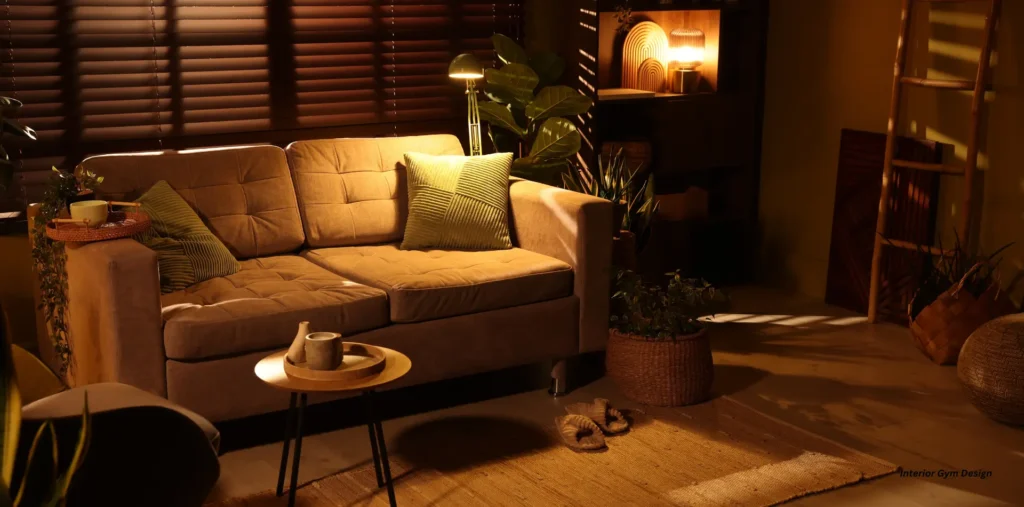
A warm color temperature of 2700K provides a relaxing, welcoming atmosphere for residential living rooms and bedrooms. It mimics the soft glow of incandescent bulbs and evening firelight, which helps family members relax after long working hours without washing out rich furniture tones.
Final Advice for Homeowners
Under normal conditions, mastering residential lighting transforms how you run into your living environment every single day. By discarding harsh central ceiling bulbs in favor of layered ambient, task, and accent fixtures, you set up a home that’s visually balanced, physically restorative, and functional.
Start by replacing clinical cool-white bulbs with high-CRI 2700K options, add dimmers to key circuits, and position task lights exactly where you need them. These focused adjustments prove that thoughtful lighting is the most impactful design decision you can make for your home.

S.M. Rezaul Haque is a seasoned interior design consultant with 15+ years of experience. An AIUB graduate and Senior Vice President of BIDCOA, he specializes in creating functional, sustainable, and visually inspiring spaces. As the driving force behind BD INTERIOR, he has helped shape 700+ Bangladesh’s most innovative interior design projects.