
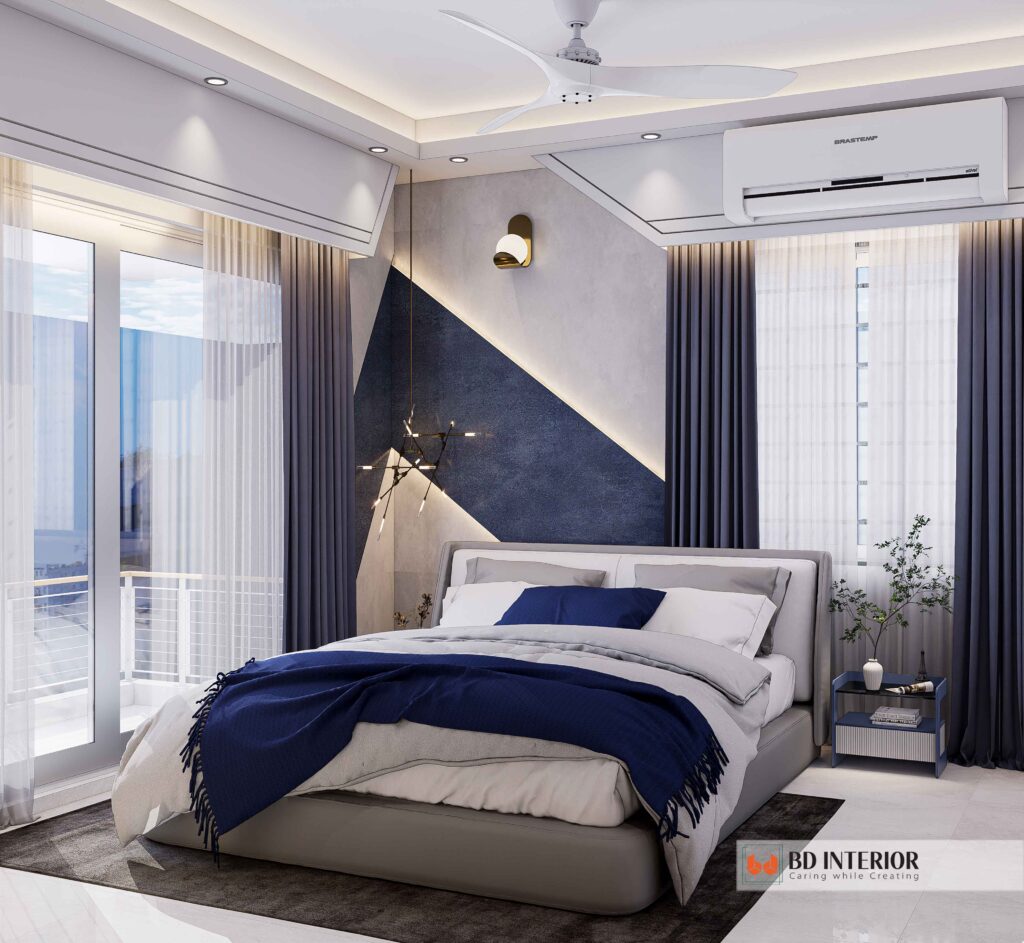
The common mistake with easy interior design ideas is buying several attractive things before deciding what the room needs. Start with one focal point, then make a few deliberate changes around it. That approach suits busy homeowners and renters who want a visible refresh without construction or a pile of new furniture.
Key Point
Choose one area to improve first, such as a dim living-room corner or a bare wall.
- Start with light and fabric.
- A curtain change, a well-placed rug, and warmer lamps can shift the room without replacing furniture.
- Test removable products on a hidden patch.
- Keep receipts and move-in photos if you rent.
What You’ll Need
Plan for a room refresh, not a full renovation. Set aside a few hours for measuring, sorting, and arranging; the exact time depends on the room and whether you need to shop. The skill level is beginner. You won’t need power tools for the main steps.
Gather a tape measure, phone camera, notepad, pencil, cleaning cloth, and a step stool. For the design itself, choose a lamp or plug-in light, curtains or a rug, a few cushions, and one wall item such as a mirror or art print. You may not need all of them. Buy only what supports your chosen focal point.
Renters should also have removable hooks or a tension rod, if appropriate, and a small sample of any adhesive product. Check the lease before changing hardware or applying wall coverings. Get permission in writing before making a lasting change.
A room can feel unfinished because its light is harsh, its window looks bare, or its largest wall has no visual anchor. Find the source before shopping. The steps below move from diagnosis to the finishing touches, so each purchase has a job.
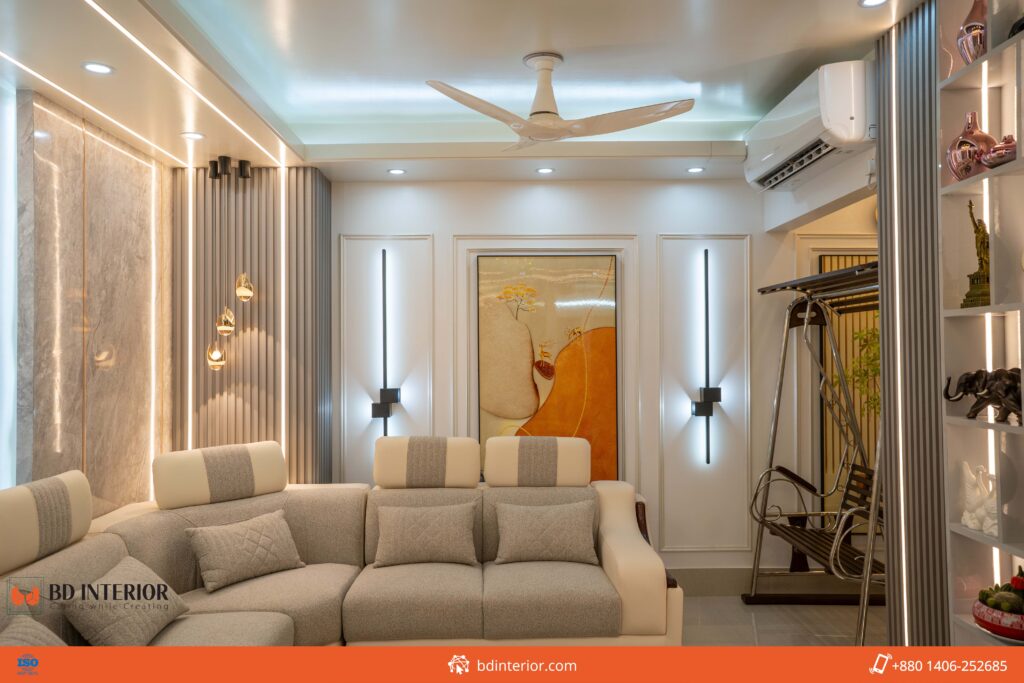
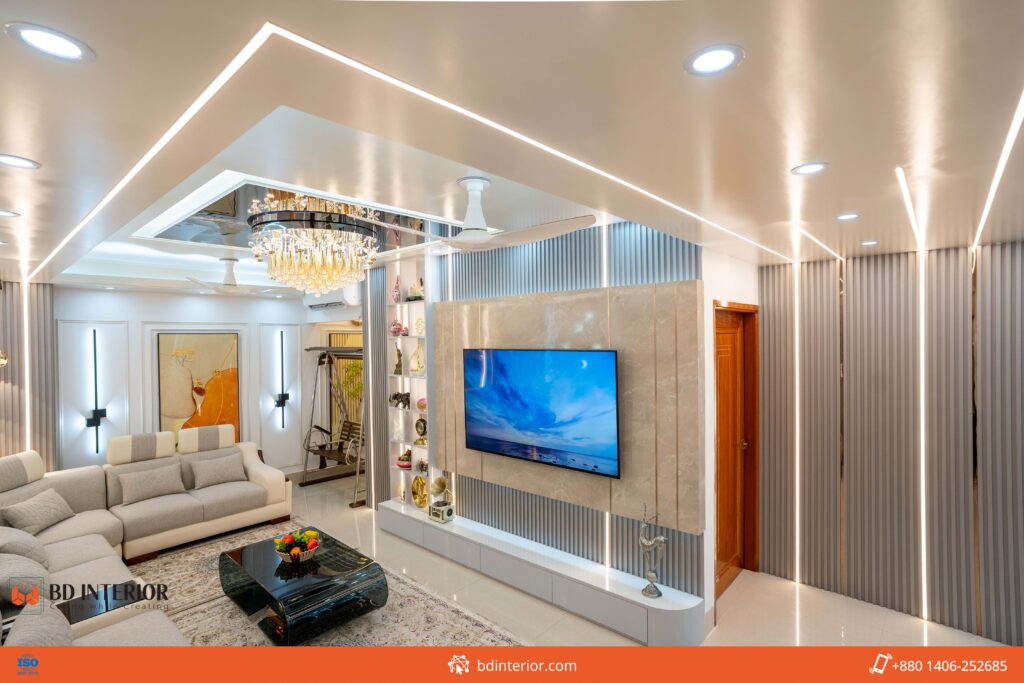
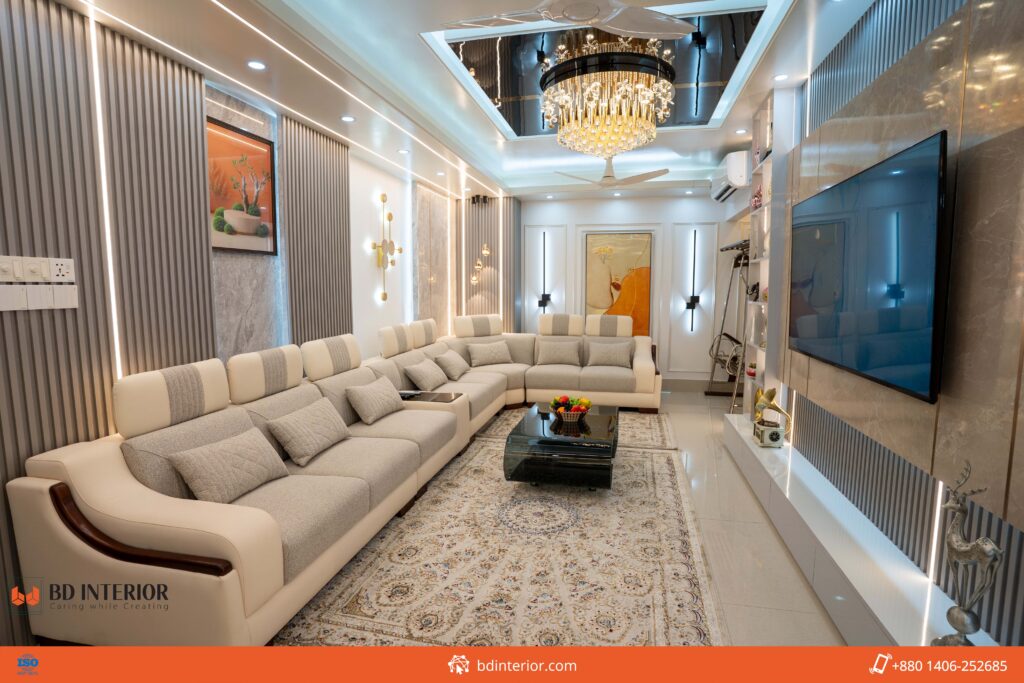
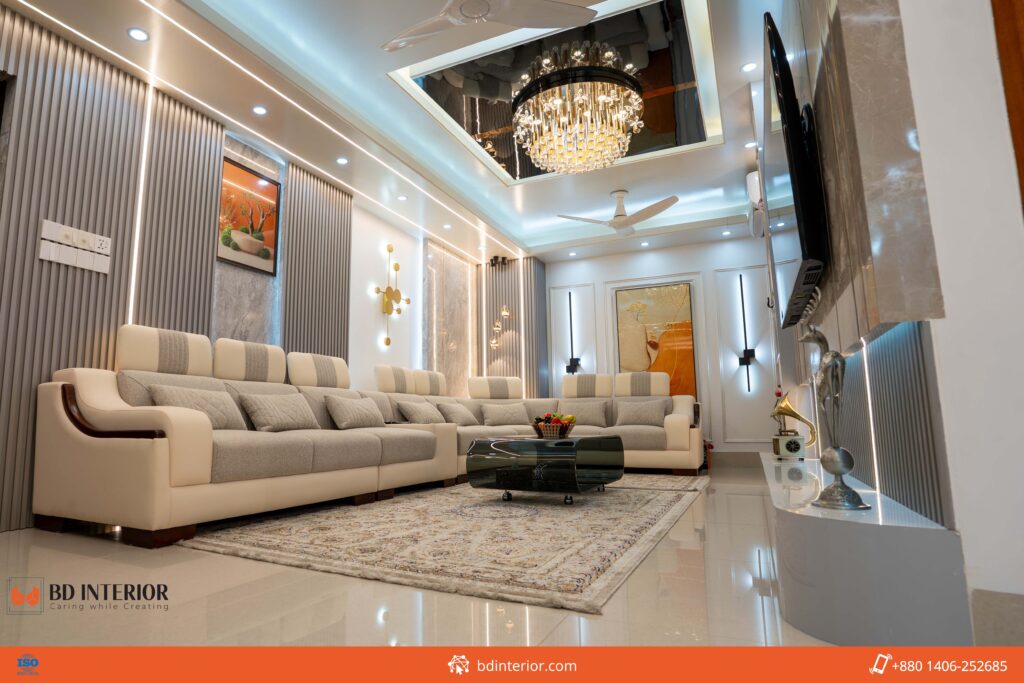
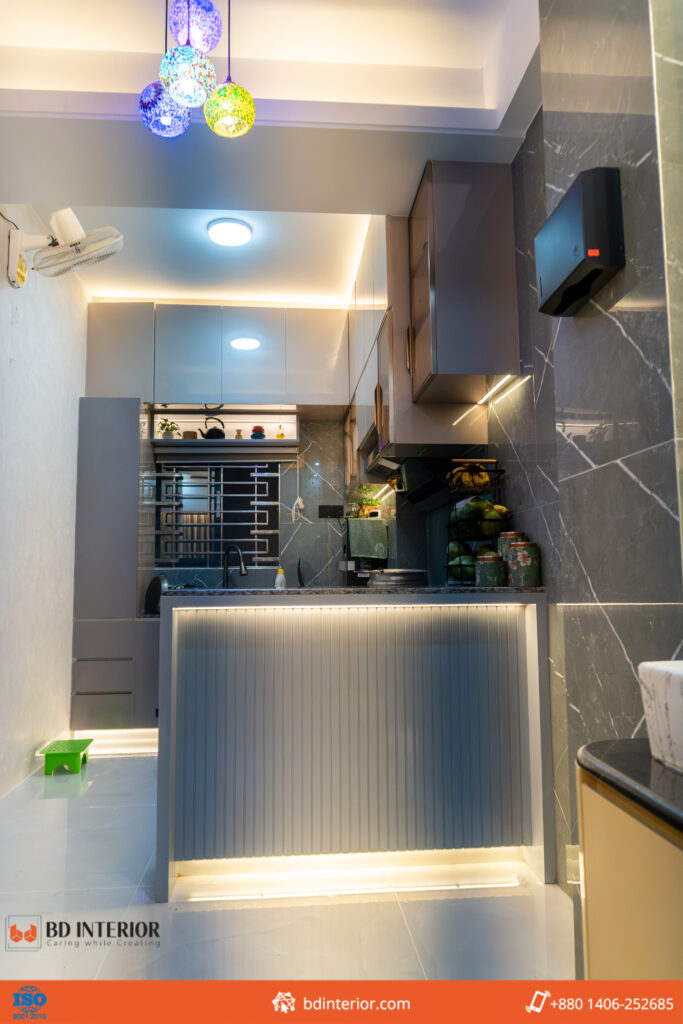
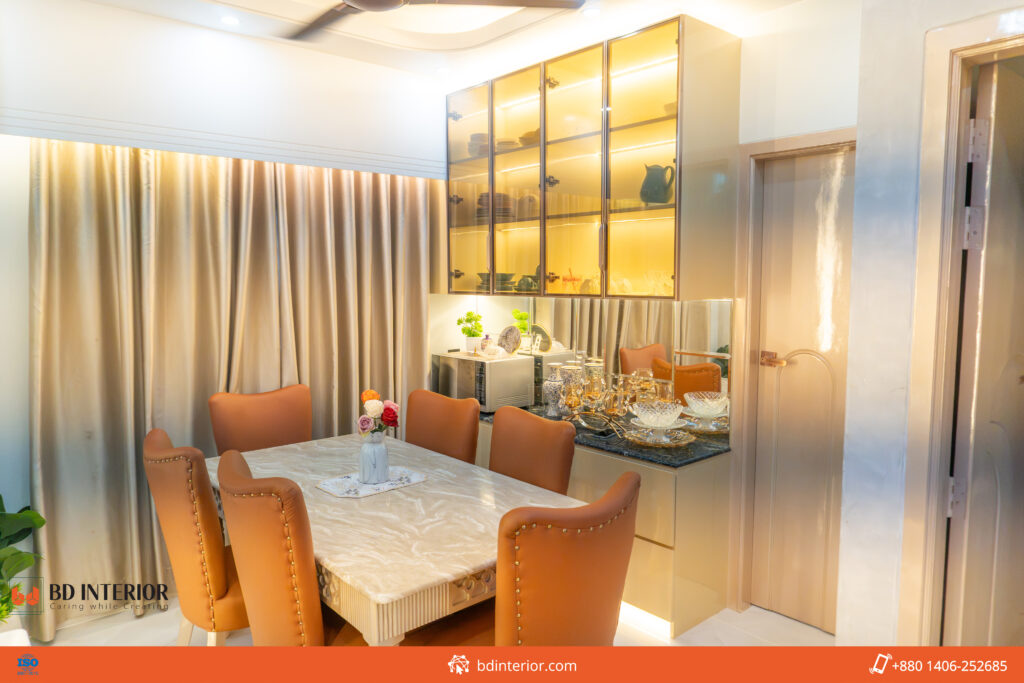

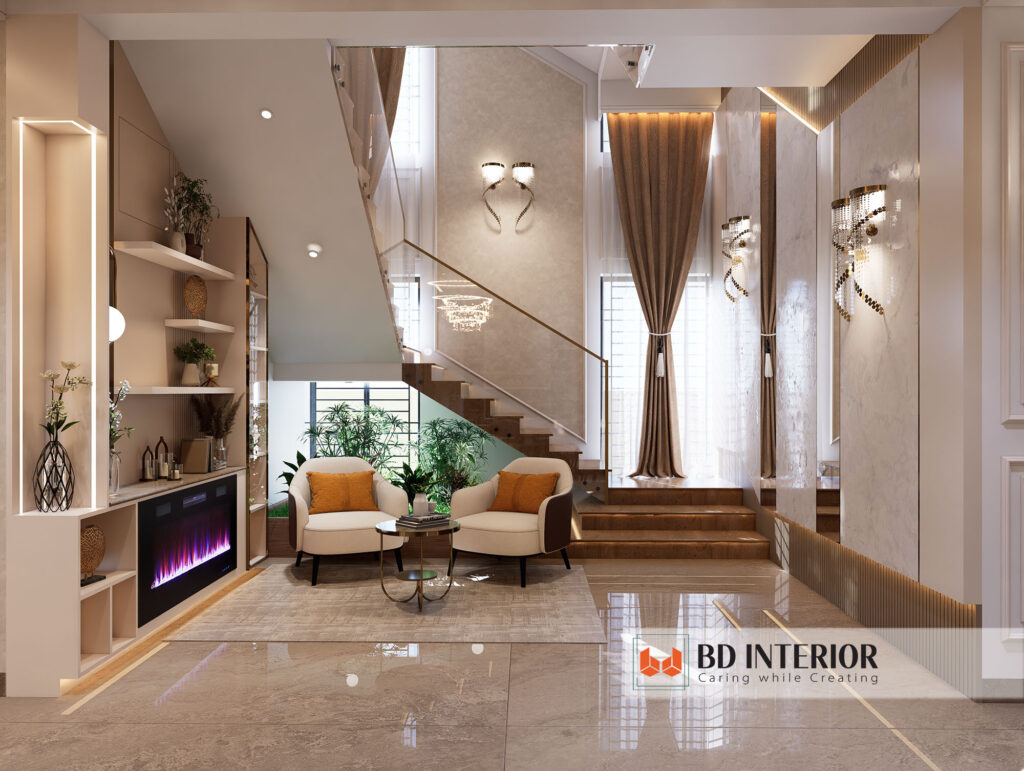
Step #1: Choose One Focal Point for Easy Interior Design Ideas
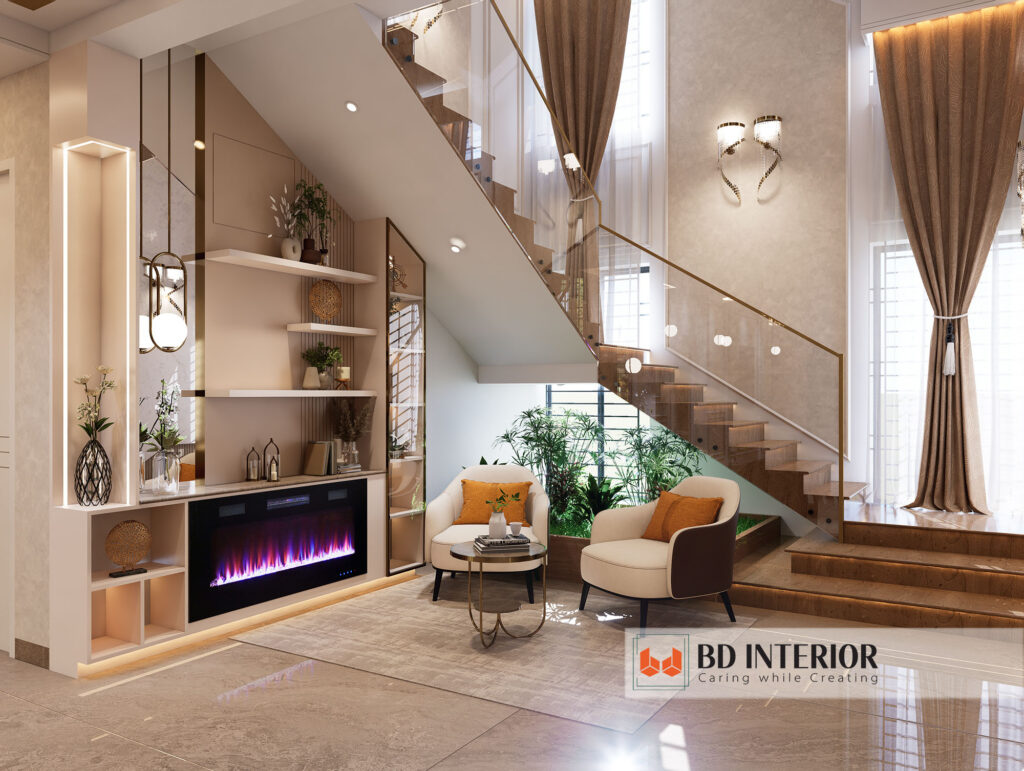
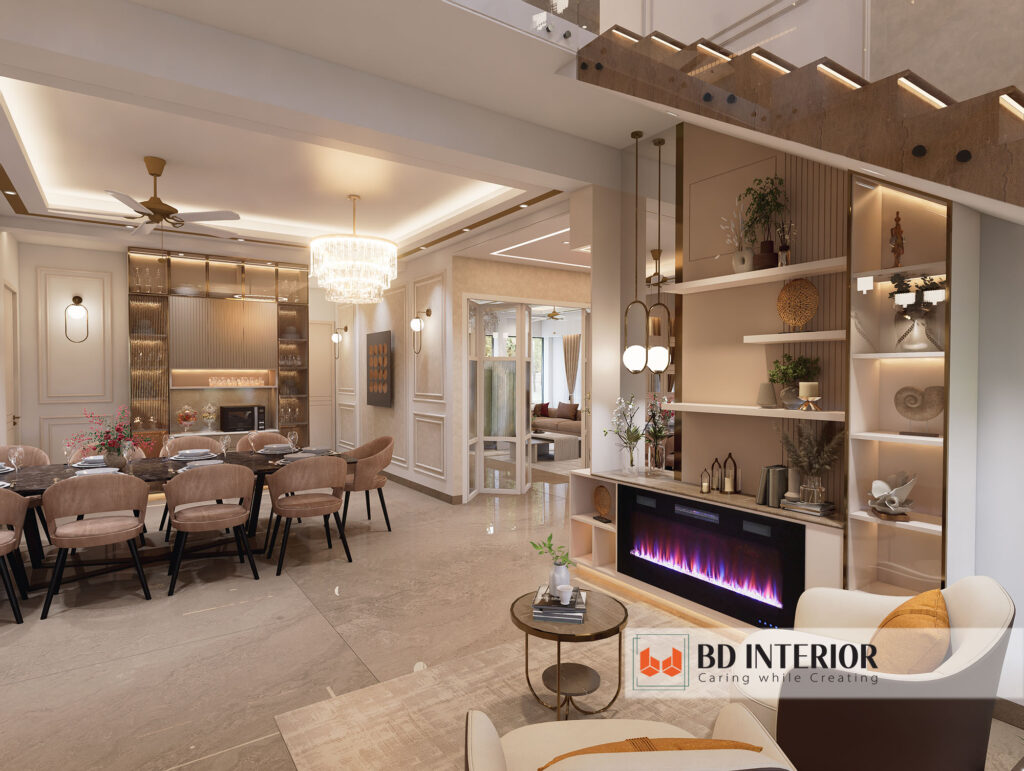
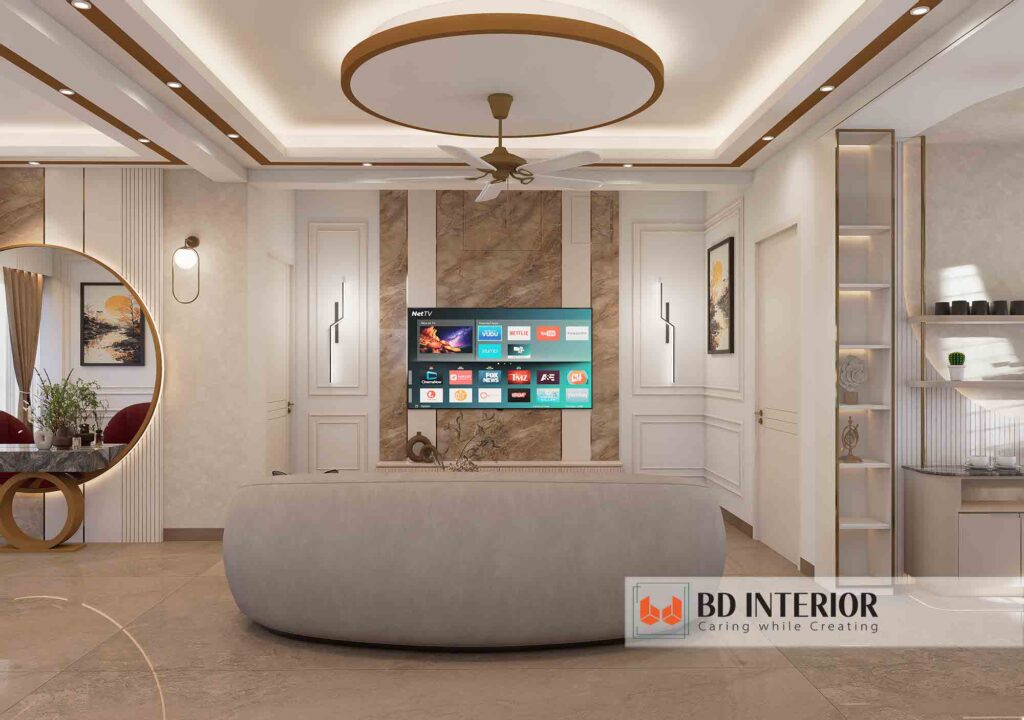
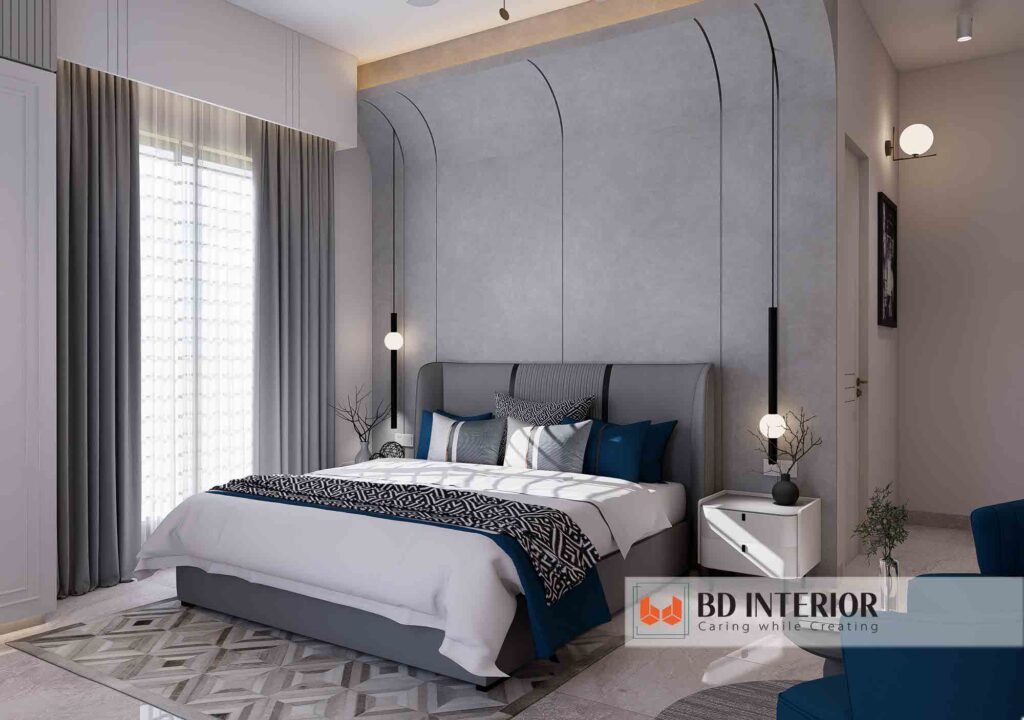
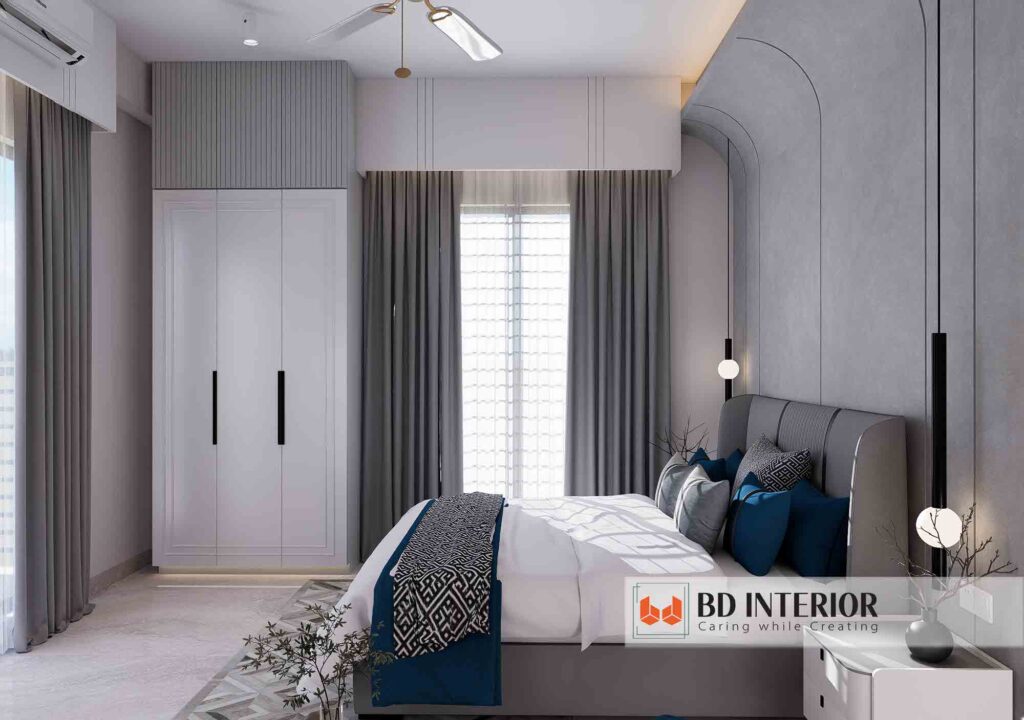
Pick one feature that should draw the eye first, such as the sofa wall, a dining table, or a bedroom headboard. Build around that feature instead of trying to restyle every corner at once. This keeps your choices focused and makes the result easier to adjust.
Stand at the room entrance and take a photo. Look at where your eye lands. If the room has no clear anchor, choose one based on daily use: a reading chair, a dining area, or the wall behind the bed. Write down one goal, such as “make the seating area feel warmer” or “give the bedroom a calmer look.”
Now note what already works. A wooden table, a favorite print, or a useful floor lamp can guide the color choices.
Pinterest can help you collect references, while Canva offers a simple way to arrange images into a mood board. Keep the board small enough to spot repeated colors and materials.
A dozen unrelated inspiration images will confuse the plan, not clarify it.
For a compact flat, a focal point needn’t take floor space. A mirror or a small gallery wall can add interest above a console or sofa. If your room is tight, these small apartment design ideas can help you think about floor area before adding furniture.
“Shelves are a renter’s best friend, offering both style and functionality.”
Living Spaces
Step #2: Check the Layout Before Buying
Measure the main furniture and the open paths around it before ordering a rug, curtains, or storage. A quick floor sketch helps you avoid pieces that block a doorway or crowd a walkway.
Measure the room’s width and length, then mark doors, windows, and fixed items on paper. Add the sofa, bed, or dining table to scale as best you can. A phone photo with notes can work if drawing isn’t your preference. Leave space for doors to open and for people to move naturally between seats and entry points.
Measure the window before buying curtains. Check the rod position and the fabric length you want, then confirm the product size. For renters, a tension rod can avoid drilling in some windows, though it may not suit heavy curtains or every frame. This small check can prevent a common frustration: curtains that look skimpy because they stop well above the floor or cover too little glass.
Treat rugs with the same care. A rug that’s too small can make the furniture group feel disconnected. Use paper or a folded sheet to mark the proposed size on the floor before you buy. If you want a more detailed room plan, this guide to planning an interior design project covers the larger decisions behind a layout.
Five-stage refresh sequence (step number)
The bars show order, not time, price, or measured impact. The sequence matters because scale decisions should come before decorative purchases.
Step #3: Improve the Lighting in Easy Interior Design Ideas
Use more than one light source where practical. A ceiling fixture can light the whole room, while a table lamp, plug-in sconce, or rechargeable lamp makes a reading or seating area feel more useful.
Switch on the lights you use in the evening and notice shadows, glare, and dim corners. Move a lamp before buying another. A lamp beside a sofa may work better than one tucked behind it, where the shade gets hidden. Swap a shade if the base still suits the room; it’s a low-effort change with less waste than replacing the whole lamp.
If you rent, plug-in lighting avoids work on wiring. Products from Philips Hue can provide adjustable smart bulbs, though connected features cost more than a basic bulb and aren’t necessary for a simple refresh. Choose a light that fits how you use the space, not a feature list you may never touch. For more room-by-room thinking, see this overview of lighting in interior design.
“Stick with changes you can reverse in minutes.”
New & Observer, quoting renter guidance
A wall light may need a cord route that looks tidy and stays clear of walkways. Test its position before fixing anything in place. The result should be comfortable light where you need it, not simply a brighter ceiling.
Step #4: Add Textiles and Natural Texture
Change curtains, cushions, and a rug in a controlled palette. Repeating one or two colors across these pieces helps the room feel connected without matching every item exactly.
Start with the largest textile, usually curtains or a rug, then add cushions or a throw. Pick colors that appear in your focal point. If the sofa is neutral, a patterned cushion can introduce color; if the rug already has a strong pattern, use quieter fabrics nearby. This is where restraint pays off.
Several unrelated prints can make a small room feel busy even when each item looks good alone.
Natural texture can soften a plain space. Try a woven basket for loose items, a wood tray on a table, or a plant near a window with suitable light. Choose a low-maintenance plant if care time is limited. Baskets also hide everyday clutter, but too many storage containers can become clutter themselves.
For rentals, peel-and-stick backsplash tiles, removable wallpaper, and adhesive hooks may offer a temporary change. The catch is that surface condition and product quality affect removal.
Test a hidden patch first; recent renter guidance reports that some adhesive products don’t lift as cleanly as their packaging suggests. Take photos before changing anything, and keep a move-in checklist. For more renter-specific options, consider these budget-friendly rental decor tips.
Step #5: Finish with Art, Mirrors, and Editing
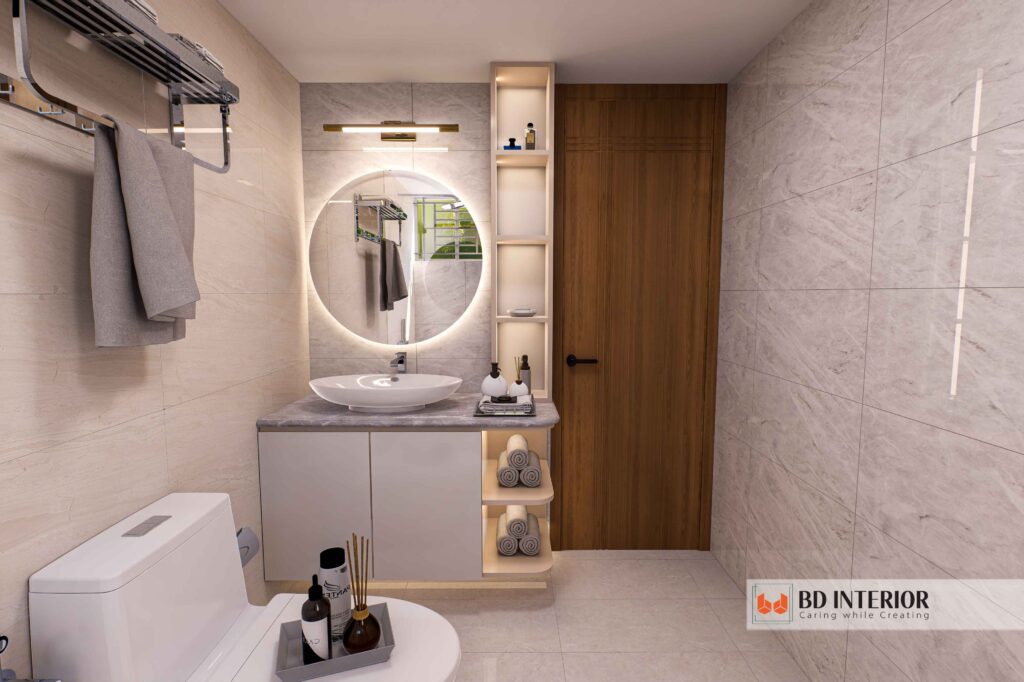
Hang one artwork, mirror, or small group of frames at a deliberate height, then remove objects that compete with it. The room should feel personal, not packed.
Before hanging, lay frames on the floor and photograph the arrangement. This makes spacing easier to judge and reduces unnecessary wall holes. Use a level, check the wall surface, and choose a hanging method suited to the frame’s weight. Adhesive strips can help with light pieces, but they’re not a safe fit for every wall finish or heavy frame.
A mirror can reflect daylight and make a narrow area feel more open, but placement matters. Avoid aiming it at a cluttered shelf or an unattractive view. Vertical shelves can add display and storage without taking much floor space; keep frequently used items within reach and leave some shelf area clear.
A final edit is more useful than one last shopping trip. Remove objects that don’t support the room’s purpose, then look again from the doorway. If you’re refreshing a drawing room, these living room design ideas offer more layout and decor options. Stop when the focal point reads clearly and the main paths remain open.
- Choose one focal point – Write one clear room goal before shopping.
- Measure the furniture and window – Record dimensions so rugs and curtains fit the actual room.
- Adjust the light – Move a lamp or add a plug-in option before replacing a fixture.
- Layer a few textiles – Repeat colors from the focal point rather than mixing unrelated patterns.
- Test and document renter changes – Photograph the room and sample adhesive on a hidden patch.
Common Mistakes and Fixes
If the refresh feels wrong, fix the scale or remove an item before buying more. Most small decor problems come from poor fit, competing patterns, or changes that weren’t checked against the room.
- The rug looks too small. Mark a larger footprint with paper or fabric and check how the furniture group sits before ordering another size.
- The room feels cluttered. Remove a few small objects and leave one clear surface; don’t try to solve visual noise with more storage boxes.
- Adhesive marks the wall. Stop pulling, follow the product’s removal guidance, and contact the landlord if the surface is damaged. That is why a hidden-area test matters.
- A new lamp still leaves a dark corner. Reposition it or add a separate light source rather than choosing a brighter bulb without checking the fixture’s rating.
- Curtains look awkward. Recheck rod width and fabric length. A tension rod is useful only if the window frame supports it securely.
What to Do Next
Choose one room and take its doorway photo today. Write a single goal beneath it, measure the largest item you plan to add, and complete the first change before starting another room. Easy interior design ideas work best when you can see what each decision improves. Keep the receipts, product details, and before photos together if you rent.
FAQs
What is the easiest way to refresh a room?
Start with lighting and textiles. Move or add a lamp, then update curtains, cushions, or a rug in colors that support one focal point. These changes can alter the room’s feel without construction or major furniture purchases.
Which interior design changes are safer for renters?
Removable decor, tension rods, plug-in lights, and freestanding items generally avoid permanent work. Check your lease, test adhesive products on a hidden area, and get written permission before drilling or changing fixed fixtures.
How can a small room feel more finished without adding furniture?
Use a mirror, a considered artwork arrangement, layered light, and a clear color palette. Keep floor paths open and avoid adding several small accessories that compete for attention.

S.M. Rezaul Haque is a seasoned interior design consultant with 15+ years of experience. An AIUB graduate and Senior Vice President of BIDCOA, he specializes in creating functional, sustainable, and visually inspiring spaces. As the driving force behind BD INTERIOR, he has helped shape 700+ Bangladesh’s most innovative interior design projects.