
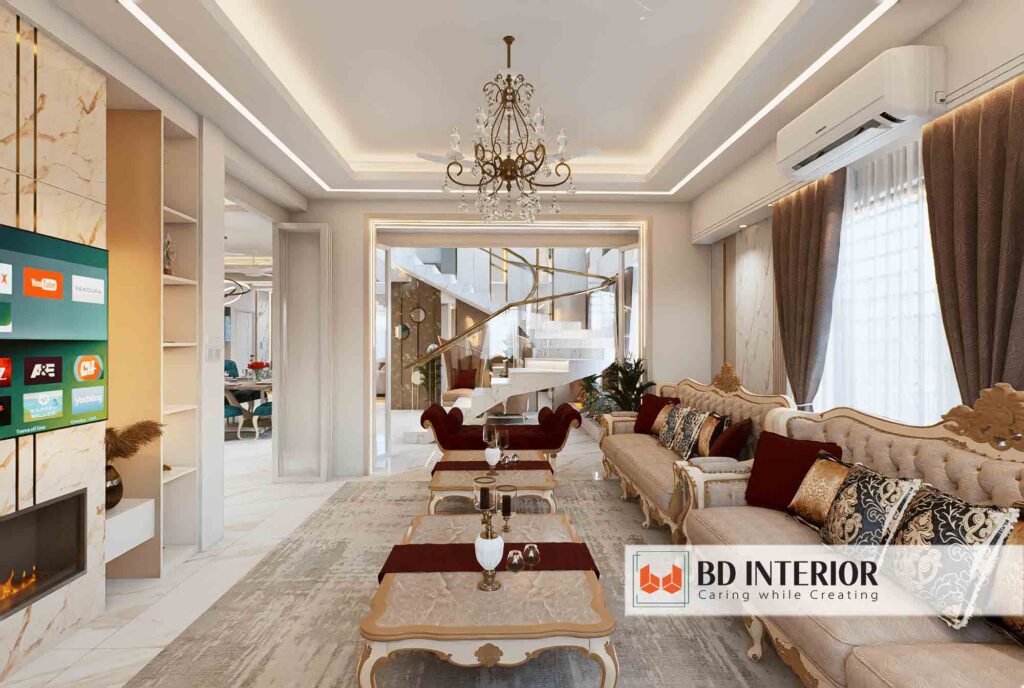
Contemporary home interior Dhaka design is moving toward warm, practical rooms that feel personal rather than staged. TBS News describes “warm modern minimalism” as Bangladesh’s defining interior direction for 2026, with calm colours, clear layouts, and smart use of space. If you’re wary that a modern flat will feel cold or cost too much, start with the room’s daily needs, not a trend board.
Key Point
- Keep circulation clear.
- Warm light softens a compact room, while concealed storage keeps everyday items close without filling the floor.
- Choose materials that suit your habits and the home’s damp seasons.
The short version
- Contemporary Dhaka homes pair warm colours and natural textures with clear layouts, useful storage and layered lighting.
- Plan built-in furniture around measured needs, then check ventilation, cleaning access and electrical points before work begins.
- Local craft details, from jamdani-inspired texture to rickshaw art, add identity without turning a room into a theme set.
Table of Contents
- What Is Contemporary Home Interior Dhaka?
- Which Design Choices Work in Dhaka Flats?
- How Do You Plan a Contemporary Dhaka Home?
- People Also Ask
- FAQs
- Conclusion: Make the Home Work First
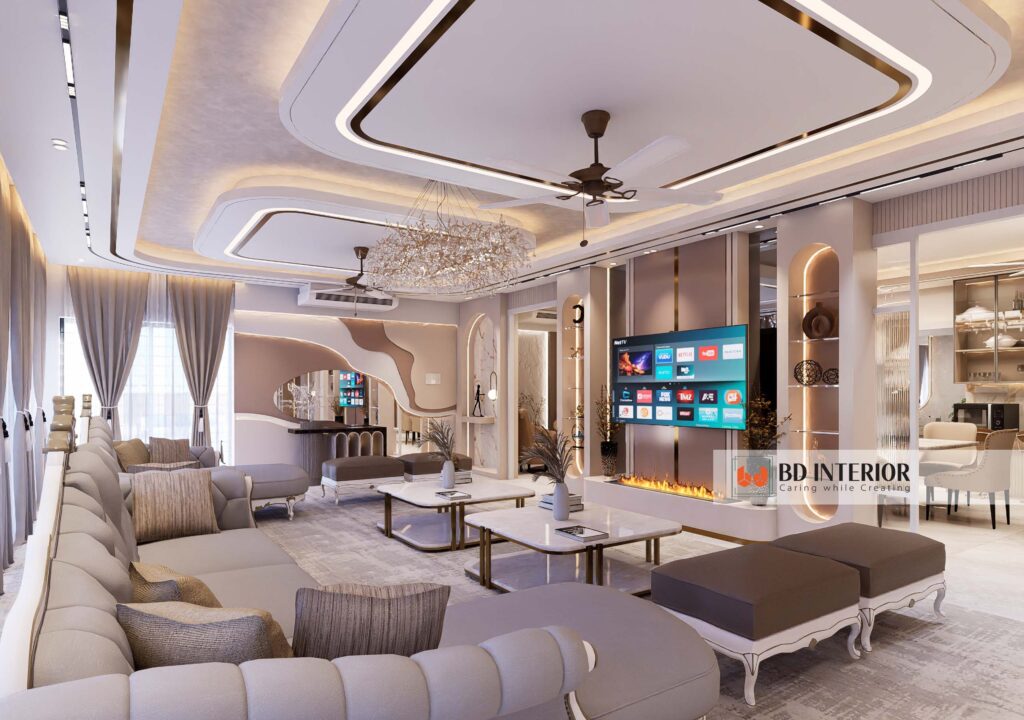
What Is Contemporary Home Interior Dhaka?
Contemporary home interior Dhaka means designing a home around current living needs, local conditions, and personal taste. It often combines simple forms, warm colours, natural textures, useful storage and discreet technology, rather than following one fixed historical style.
“Contemporary” describes what feels current, so its look can change. In Dhaka, recent design coverage points to a shift away from cool, all-grey rooms toward sand beige, olive, terracotta, warm grey and clay brown. These colours work with cane, jute, bamboo and wood, and they tend to make a small room feel less stark.
There’s a practical reason to favour this warmer approach. A clean-lined room can still hold family photographs, prayer items, books and the everyday objects that make a home feel lived in. Minimalism isn’t a rule to hide everything; it’s a way to give useful things a proper place.
“Warm modern minimalism” is the phrase TBS News uses for the 2026 direction in Bangladesh.
Treat trend reporting with care. Several Dhaka trend articles come from design firms, which can be helpful for ideas but aren’t neutral measures of what every household prefers. Community discussions point to a more grounded concern: people want practical layouts, warm lighting, and designers suited to residential work. A Dhaka Reddit user, for instance, questioned whether a designer focused on offices and hotels was the right fit for a home.
For an overview of contrasting styles, this guide to interior design types can help you name the look you’re drawn to. The label matters less than how the room handles movement, storage and light.
Which Design Choices Work in Dhaka Flats?
The most useful choices combine compact planning, natural textures, layered lighting and finishes that suit regular cleaning. Built-in wardrobes, floating shelves and furniture with more than one purpose can free floor space, while warm lamps and local craft details keep a pared-back room from feeling plain.
Start with the plan. A built-in wardrobe can use an awkward wall more neatly than a freestanding cupboard, but its doors and drawers still need room to open. Floating storage keeps the floor visible; it won’t help if shelves sit where people brush past them or if the fixing can’t carry the load.
For materials, jute, cane, bamboo, and reclaimed wood bring texture without relying on glossy surfaces. Low-VOC paint is another option to discuss with a supplier, though the label alone doesn’t tell you whether a finish will tolerate frequent wiping. Ask for a sample and check the cleaning instructions before committing across a whole room.
Humidity and monsoon weather change the maintenance question. A natural finish may look beautiful, yet a shaded corner with poor airflow can make upkeep harder. Good daylight, working ventilation, and enough clearance behind furniture matter more than adding a wall of decorative panels. This is one place where a restrained design can be easier to maintain.
Named design examples in recent Dhaka coverage (count of examples)
These bars count examples named in the supplied Dhaka design coverage. They don’t measure popularity or tell you which choice suits your home.
Local craft works best as a considered accent. A jaali screen can divide a sitting area without making it feel sealed off; a jamdani-inspired cushion or nakshi kantha throw brings pattern into a quieter palette. Rickshaw art can add colour on one wall, while too many competing motifs may make a small room feel busy.
“Invisible tech” is a useful design idea: let controls support the room without becoming its main feature.
Smart lights, automated curtains, motion sensors and climate controls need planning around switches, wiring and household routines. If the electrical layout is already fixed, adding devices later can mean visible wires or awkward controls. The technology also adds setup work; choose only features that solve a repeated daily annoyance.
For homes with limited floor area, these small-apartment design ideas offer more layout examples. A wall-mounted cabinet can help, but a clear walking path usually matters more than another storage unit.
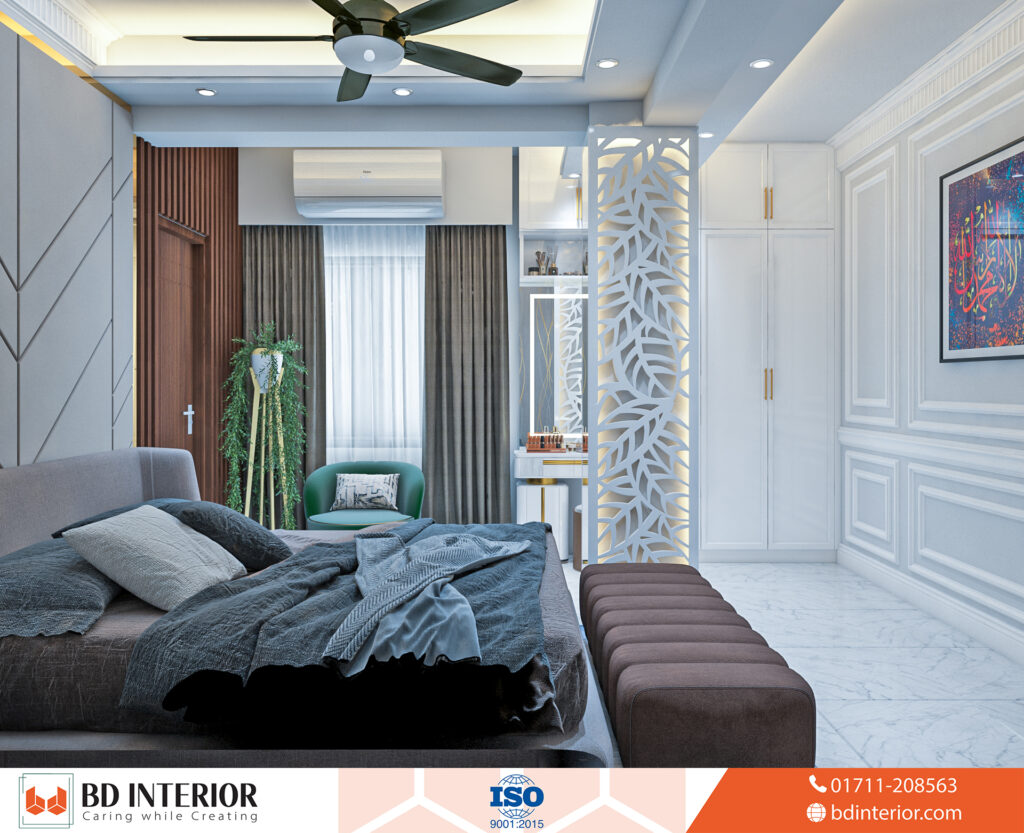
How Do You Plan a Contemporary Dhaka Home?
Plan a contemporary Dhaka home by measuring the rooms, listing daily activities, mapping storage and electrical needs, then selecting finishes that suit the light and upkeep available. Review the layout before ordering custom work; changes to built-in furniture become harder once materials have been cut.
Begin with a measured plan, including door swings, window positions, columns and power points. Then write down what happens in each room: meals, work, prayer, study, guests or storage. In a compact flat, a guest room that also serves as a study may be more useful than a room reserved for occasional visitors.
This is where common design advice can go wrong. People often choose finishes from a render before checking how a wardrobe door opens beside a bed, or where a charging cable will reach. Actually, the distinction is simple: a pretty drawing shows appearance; a usable plan shows clearances, access and daily movement.
Think through lighting in layers. Daylight should remain useful where possible, while ceiling fixtures, lamps and focused task lights handle evening needs. Dhaka home-decor discussions include warm-toned lamps and compact lights, a sensible direction for rooms that feel harsh under one bright overhead fitting. Read this guide to home lighting design for more on matching light to each activity.
The design and execution teams may be separate, so ask who checks dimensions, confirms materials, and handles site changes. Firms such as Sheraspace, Imagine Interiors and Interior Concepts BD appear in Dhaka’s design market, but a company name alone doesn’t prove residential fit. Review work from homes similar to yours, not only offices or hotel spaces.
A Reddit post seeking Dhaka interior-design help reflects active demand for practical local recommendations, not just attractive images. That matters because published trend coverage offers limited, dependable renovation pricing. Ask for a written scope that separates carpentry, electrical work, finishes, and loose furniture; otherwise, two quotes may describe very different jobs.
- Measure each room: Record openings, windows, columns and fixed service points before discussing furniture.
- List daily activities: Note who uses each room and what must remain reachable or stored there.
- Mark storage and lighting: Place likely cabinets, switches, lamps and charging points on the plan.
- Check samples and scope: Compare physical finishes and make sure written quotes describe the same work.
People Also Ask
How can a small Dhaka flat feel more open?
Use a clear circulation path, keep bulky furniture off unnecessary walls, and choose storage that fits the room’s measured dimensions. Floating shelves and built-in wardrobes can help when placed carefully. They won’t fix a crowded plan by themselves, so remove unused furniture before adding more cabinets.
Which colours suit a contemporary Dhaka home?
Warm grey, sand beige, olive green, terracotta, clay brown and soft caramel appear in recent local trend coverage. Choose a main wall colour in the room’s actual light, then use stronger shades on smaller surfaces or textiles. A sample viewed only on a phone can look quite different at home.
Are natural materials practical in Dhaka?
Jute, cane, bamboo and reclaimed wood can add local character and tactile warmth. Their care needs depend on finish, location, and airflow, so ask suppliers how to clean and protect each material. Avoid placing a delicate surface where it will face repeated spills or constant rubbing.
Should a Dhaka home include smart lighting?
Use smart lighting when remote control or scheduled operation solves a real household need. Plan wiring and switches early, since later changes can add setup complexity or leave visible cables. If your routine is simple, warm lamps and well-placed conventional switches may do the job with less fuss.
FAQs
What does contemporary home interior Dhaka mean?
It describes current home design in Dhaka, shaped by practical layouts, warm palettes, natural textures, and local identity. It isn’t one fixed style. The right version depends on your flat, routines, maintenance needs, and taste.
How do you add Bangladeshi character without making a room ornate?
Use one or two clear references, such as a jaali screen, a jamdani-textured cushion, or a piece of rickshaw art. Let the rest of the room stay quieter so the craft detail remains visible rather than competing with other patterns.
What is the common mistake in contemporary home design?
Choosing finishes and custom furniture before checking measurements, storage use, and electrical needs. That order can leave doors blocked, outlets hidden, or lighting poorly placed. Confirm the plan first, then select surfaces and decorative details.
Conclusion
Contemporary home interior Dhaka design works best when it balances current style with the demands of daily life. Warm minimalism, local craft and discreet technology can all fit, but none should crowd out good movement, useful light or sensible upkeep. Trend reports offer ideas, not a substitute for measured plans or clear project scopes.
For further reading, compare the ideas here with guidance on planning a home interior. Your next step is direct: measure one room, write down how you use it, and mark the changes that would make an ordinary day easier.

S.M. Rezaul Haque is a seasoned interior design consultant with 15+ years of experience. An AIUB graduate and Senior Vice President of BIDCOA, he specializes in creating functional, sustainable, and visually inspiring spaces. As the driving force behind BD INTERIOR, he has helped shape 700+ Bangladesh’s most innovative interior design projects.