
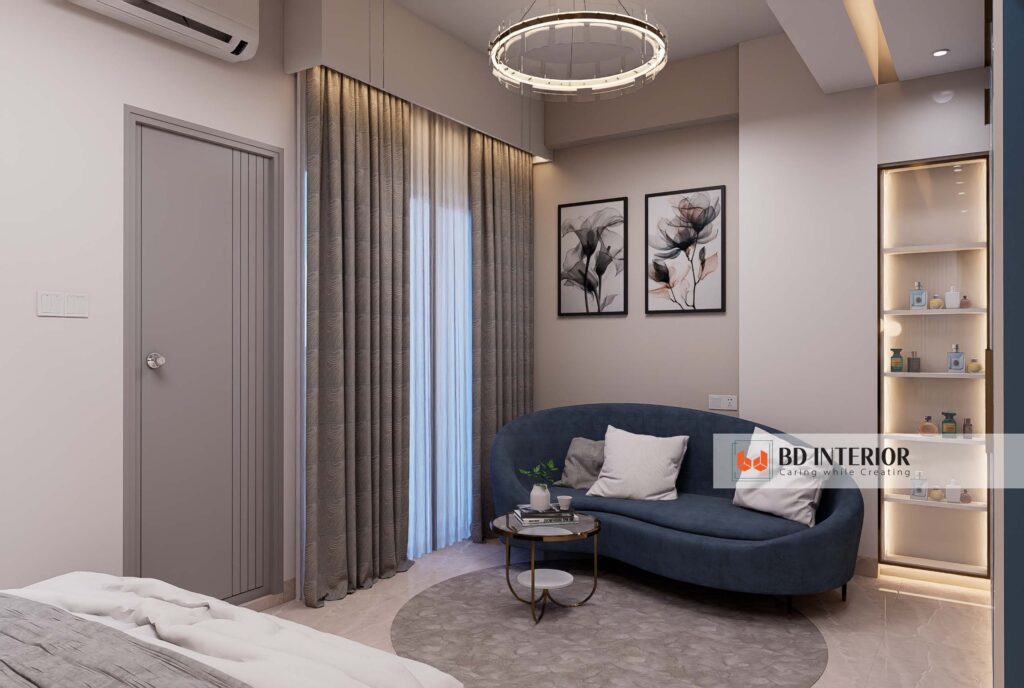
Ever get that feeling your living room is missing? That it’s just a bit, you know, boring? A lot of homeowners in Dhaka, maybe around 65% of them. Are looking for ways to give their homes some real personality. Truth is, something more than just light-colored walls and bright furniture. That’s where moody interior design steps in. It’s a way to make your place feel rich and cozy, not just a box you live in.
This isn’t about making your house dark and depressing. Nope. Okay, so it’s about build depth and spaces that have a story, kind of like a beautiful old Bengali painting. Think less about harsh sunlight. And more about the warm evening glow from a pradeep lamp, you know? Okay, so the kind that makes it clear off all the cool patterns and textures in a room; it feels fancy, like getting a warm hug after a crazy long day out in the city.
The main ideas are pretty simple:
- Moody design just uses deep colors, different textures, and smart lighting to make a room feel grown-up and welcoming.
- You have to layer things, mixing dark stuff with shiny surfaces so it doesn’t feel like you’re in a cave.
- Things that are personal to you, like an old nakshi kantha you inherited or unique crafts you found, are what really give a room its soul.
Moody Interior Design: What’s the Big Deal?
Basically, moody interior design is all about using rich, deep colors, a bunch of different textures, and well-placed lights to make a room feel interesting and classy, instead of just another boring, forgettable space. You’re playing with depth, not just making things dark. It’s about using shadows and light to shape different parts of the room, just like how a good photographer uses light to take a great picture. This style gives you a place to escape to, a quiet room that lets you relax and think. It’s a nice break from all the noise outside.
You know, most of us hear ‘moody’. And just think ‘black paint’. And honestly, that’s not really it. It’s about how everything in the room—the paint, the furniture, the lights—all work together. Think about a Jamdani sari; it’s rarely ever just one flat color. Its got complex weaves and textures and tiny color changes that make it so beautiful. That’s the feeling you’re going for. The main things you’ll see are deep jewel tones. Like emerald greens, sapphire blues, and rich burgundies, or maybe charcoal grays and deep forest greens. These colors are almost consistently balanced with warm woods, metal (at least in my experience) bits like brass. Or copper (think old brass handicrafts), and natural stuff like jute or stone.
Why it’s More Than Just Dark Walls
The real magic here is that everything is done on purpose. Every single thing, from the color on the wall to the lamp on a side table. Is picked to give you a full sensory experience. But there’s more. It’s not just what you see. It’s what you feel. You’d think a dark room would feel smaller—but actually, when you do it right with layers of light and some shiny surfaces, it can feel huge, luxurious. And super interesting. It’s like how a small cha dokan feels so cozy. And inviting with its warm, dim lighting, even if its tiny.
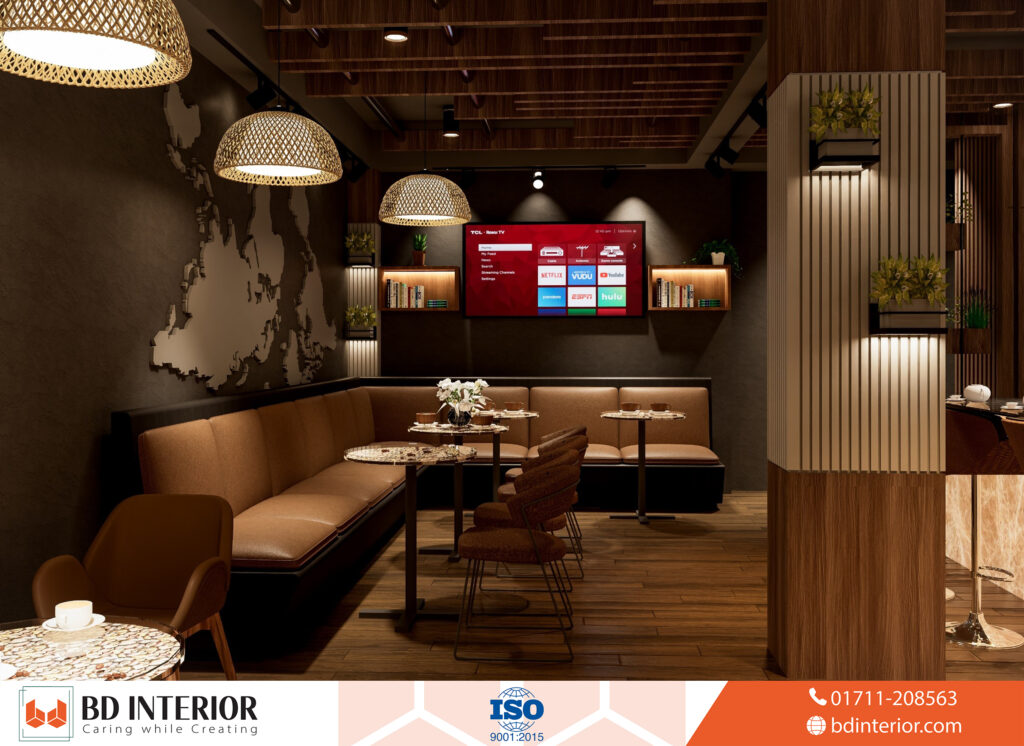
How to Weave Moody Magic Into Your Home
If you want to try this in your home, you’ll need to pick a deep color scheme, layer up a bunch of textures, set up smart lighting with dimmers, and find unique, personal things that show off your style. You’re trying to build a whole vibe. To be fair, it can take a bit to get right. Lighting is often the part that trips people up, and they end up with a room that feels more like a dungeon than a comfy hideaway.
The Color Palette: Go Deep, Not Just Dark
First, start with rich, deep colors. Ditch those plain beige walls for a second. Here’s the thing — think about deep blue-greens, classy charcoals, or even a deep mehndi green. These can create an amazing base to build on. I’d say something like 70% of the look comes from the color you pick. Then you need to balance all that darkness with some warmth. More a lot than not, natural wood furniture—maybe a traditional khaat bed frame—or some terracotta pots can really ground the room. Plus, this stops it from feeling too cold.
Texture Tactics: Feel the Vibe
Texture is the secret ingredient here. A dark room without texture just looks flat. Think velvet curtains, rough wooden tables, a soft wool rug (maybe a shatranji from Bogra). Stone countertops, or a comfy leather sofa. Even ribbed glass on a cabinet door. Or a textured wallpaper adds that physical and visual warmth you really need. It breaks things up and makes you want to touch everything. (which is kind of the point). A room with different textures just feels way richer, don’t you think?
Lighting Layers: The Mood Architect
That’s where a lot of people go wrong. You need more than one light source. Don’t just stick a single bulb in the ceiling; that’s a rookie mistake. You’ll need:
- Ambient light: This is your main, general light from ceiling fixtures, and you should put them on dimmers. It’s your starting point.
- Task light: This is for doing stuff like reading or working. A floor lamp by a chair or a light on your desk works perfectly.
- Accent light: Use this to show off artwork, a cool wall, or other details. Little wall lights or picture lights are great for this.
Dimmer switches are going to be your absolute best friend. They let you change the feeling of the room all day long. Seriously, they’re a huge deal. Something like 80% of good moody rooms have dimmers on pretty much every light.
Curated Charm: Your Story in the Space
This look is all about personality. It isn’t about buying everything new from a store, which means mix in vintage pieces, stuff from your family, local art, or furniture that just feels like you. A handmade wooden chest, some old silver pieces on a shelf. Or a pile of your favorite books can give a space so much character and a real, lived-in feel. The point is to get away from that perfect, sterile look. Plus, your home should look like you live there, not like a page from a catalog.
Common Missteps & Practicalities for Bangladeshi Homes
A lot of people mess this up by not using enough light and not thinking about the real-world issues with dark surfaces, which can be a pain in Bangladesh’s climate. You might be tempted to just paint a room dark and call it a day. But it’s not that simple. The biggest risk is making a room that feels like a gloomy cave instead of a cozy spot. This usually happens when there isn’t enough smart lighting. I saw a comment on a forum once that said, “My moody bedroom ended up feeling like a bat cave. I totally didn’t realize how much lighting you need; it’s not just about the paint.”
“It’s a misconception that dark rooms feel small. When designed thoughtfully with layered lighting and reflective surfaces, they can feel incredibly expansive, luxurious, and infinitely interesting.” — Nate Berkus, Interior Designer
The Dust Dilemma and Humidity Hurdles
Here’s a real-life tip, and its super important in Bangladesh. Where dust is everywhere, and the air is humid, dark, matte walls show everything. Every fingerprint, every bit of dust. If you’ve kids or pets, or your place is near a busy road, get ready to clean a lot more. A good workaround is to pick a paint that’s not completely matte. Something like an eggshell or satin finish will hide marks a lot better. The high humidity is also something to think about. So great airflow is a must to keep dampness out of these kinds (depending on how you look at it) of cozy, closed-off rooms.
Balancing Dark with Light: A Bangladeshi Approach
Even though you’re using dark colors. A capable, moody room is all about balance. You’ll almost always see shiny surfaces like mirrors (maybe one with a cool carved wooden frame) or polished metals. And throwing in a few lighter things, like a white pillow on a dark green sofa. Or some sheer moslin curtains, keeps the room from feeling too heavy or sad. This is a big deal in our homes. And where we mightn’t get a ton of natural light and still want rooms to feel open. Thinking about your home’s room interior decoration this way will help you dodge the usual mistakes.
FAQs
Is moody interior design only for big spaces?
Not at all. A well-designed, moody look can be awesome in small rooms. It often makes them feel cozier and more special, not smaller. Using layers of light and mirrors can actually make a small space feel bigger.
What colors are best for a moody look?
Deep jewel colors like emerald green. Sapphire blue, and ruby red are super popular. So are rich charcoals, forest greens, and deep plums. It’s more about how rich and saturated the color is, not just how dark it’s.
How can I make a moody room feel welcoming, not gloomy?
You just need balance. Truth is, mix the dark colors with warm textures (like velvet or wood), add some metallic touches (brass is great), and use layers of light with dimmers. Also, add your own stuff like art. Here’s the thing — or vintage finds to give it personality and warmth.
Does moody design work in Bangladesh’s hot climate?
Yep, it totally can. Just focus on using natural, breathable materials like cotton or jute, make sure the room has great ventilation, and use some lighter colors to keep it from feeling too heavy. The cozy feeling can actually be a nice mental break from the heat outside.
Conclusion
Making a moody room is really about building a space just for you. A place that feels deep and undeniably classy. It’s not just about how it looks. It’s about creating a feeling that calms you down and makes you happy. Truth is, by picking the right deep colors, rich textures, and smart lighting, you can turn any boring room into your favorite spot in the house. Just imagine coming home to a room that feels like a warm hug. Every single day. You can totally do that.

S.M. Rezaul Haque is a seasoned interior design consultant with 15+ years of experience. An AIUB graduate and Senior Vice President of BIDCOA, he specializes in creating functional, sustainable, and visually inspiring spaces. As the driving force behind BD INTERIOR, he has helped shape 700+ Bangladesh’s most innovative interior design projects.