
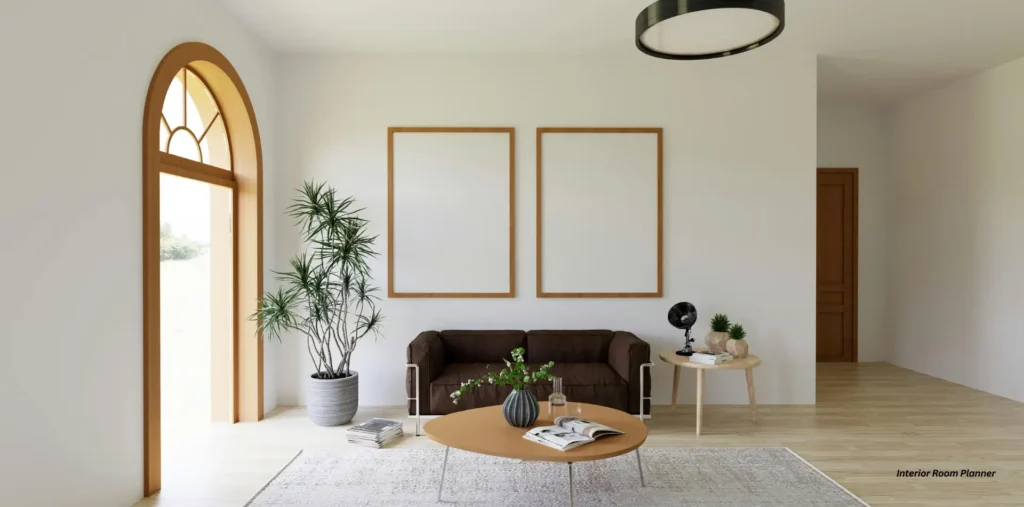
Designing a living space in Bangladesh can feel like a big challenge. Maybe you’re worried about making mistakes that cost too much, or your small apartment feels impossible to make both pretty and practical. Many people face these same doubts. But what if I told you a few simple facts could change everything? These aren’t just trendy ideas; they are timeless principles that designers swear by.
Key Takeaways
- Use the Golden Ratio (about 1.618) to create balanced, visually calm spaces, even for furniture placement.
- Always layer your lighting with ambient, task, and accent sources for a welcoming and functional room.
- Measure everything twice—especially entryways—before buying furniture to avoid costly delivery headaches.
Design Harmony: Golden Ratios and Flow
Achieving a harmonious room means using tried-and-true principles to make every element feel just right, creating balance and easy movement.
Have you ever walked into a room and it just felt good? Like everything was perfectly in its place? Chances are, the designer used something called the “Golden Ratio.” This special number, roughly 1.618, appears in nature and classic art. It creates an inherent balance that our eyes love. Seriously, it’s like magic for making things look proportionate.
Golden Ratio Magic
The Golden Ratio isn’t just for fancy architects; you can use it too. Think about dividing a wall for art or placing a rug in your living room. Instead of splitting things exactly in half, aim for a roughly 2/3 to 1/3 split. For example, if your sofa is 90 inches long, a coffee table about 60 inches (roughly 2/3) will look natural. This approach stops a room from feeling too empty or too crowded. It gives a sense of effortless balance.
Room Flow Essentials
Nobody wants to bump into furniture every time they walk through a room, right? Good design means thinking about “room flow.” This just means making sure you have enough clear space to move around easily. We usually aim for at least 30-36 inches of open pathway for people to walk through comfortably. This isn’t just about safety; it makes your home feel much more open and welcoming. For more ideas on how to arrange your space efficiently, check out our guide on room interior decoration.
Common Mistake: Ignoring Scale
One big mistake I’ve seen many times, especially in Dhaka’s apartments, is buying furniture that’s too big for the room. A Reddit user once said, “I wish I had known about furniture scale before buying a huge couch that ate my small living room!” They are right. A massive sofa in a tiny space makes everything cramped and unbalanced. Always consider the size of your room against the size of your furniture. Use painter’s tape on the floor to mark out where new pieces will sit. This simple trick helps you visualize the scale before spending money.
Smart Choices: Lighting, Color, and Lasting Quality
Making smart choices about light, color, and materials today means a beautiful, comfortable home for years to come.
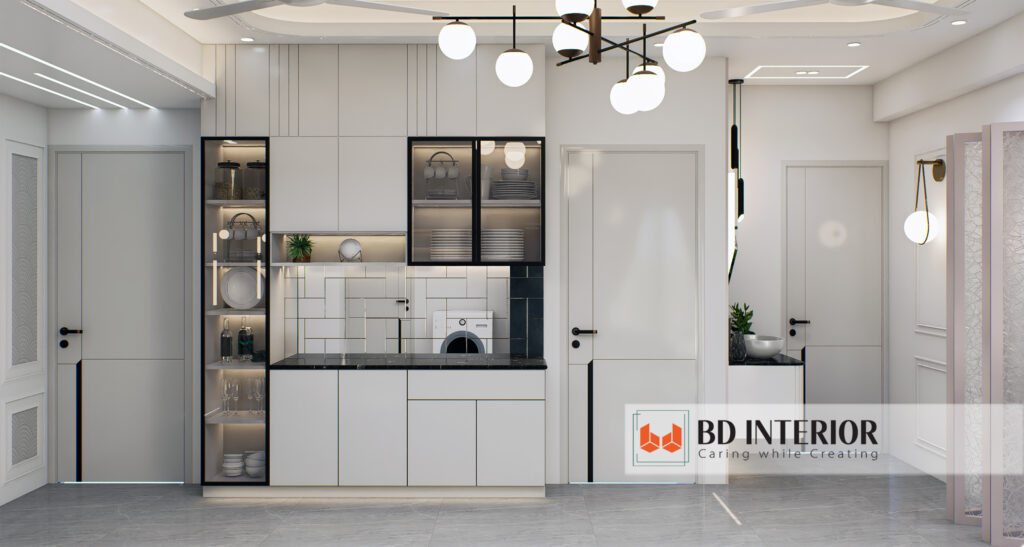
A room without good lighting feels flat, right? And picking the wrong paint color? That can be a real headache. These elements are super important for setting the mood and ensuring your home feels truly livable. Emily Henderson, a famous designer, once said, “A room should tell a story about who lives there, not just what’s in style.” I agree completely.
Layered Lighting’s Power
Don’t just rely on one overhead light. It makes a room dull and uninviting. You need to layer your lighting. Think of it like this:
- Ambient light: This is your general light, like natural light from windows or ceiling lights, that brightens the whole room.
- Task light: For specific activities. A table lamp for reading, under-cabinet lights for cooking.
- Accent light: This highlights special things, like a favorite piece of art or a plant, adding drama and depth.
A Quora user once shared, “The biggest mistake I made was not planning my lighting. My living room feels so flat with just one overhead light.” Mixing these three types of light makes your room warm, inviting, and practical for any time of day.
Paint Sample Wisdom
Choosing paint color from a tiny chip is like picking a hilsa from a photo – you just can’t tell the real thing! Light plays a huge trick on paint. That beige on the swatch might look pink on your wall under your home’s unique light. A Houzz forum user confirmed this: “Getting paint samples is a game-changer. What looked beige on the swatch was pink on my wall!”
Always buy small sample pots and paint large squares, maybe 2×2 feet, on different walls. Watch how the colors change throughout the day and night. This step, while it takes a bit of time, saves you from repainting the entire house. It’s a small effort for a big reward.
Investment Pieces Pay Off
We all want to save money, of course. But some things are worth spending a bit extra on. I’m talking about the big items you use every single day: your sofa, your bed, your dining table. These get a lot of wear and tear. Good quality pieces last longer, feel better, and often look better even after years. A design forum user wisely noted, “It’s worth spending a bit extra on a good quality rug. A cheap one wears out fast and makes the whole room look bad.” Think long-term value, not just the upfront cost. To avoid other common pitfalls, you might want to read about top 10 interior design mistakes.
The Subtle Power of Texture
Here’s something many forget, especially in our Bangladeshi homes where practical design often takes precedence: texture. It’s not just about how things look, but how they feel and how they interact with light. Imagine a plush velvet cushion next to a smooth wooden coffee table, or a rough jute rug underfoot. These contrasts add depth, warmth, and personality to a room without adding more stuff. Smooth, reflective surfaces can make a room feel bigger, while rougher, matte textures can create a cozy, intimate feel. By thoughtfully mixing different textures—like a cane chair, cotton curtains, and a ceramic vase—you create a rich, interesting space that feels complete. It’s about engaging more than just your eyes.
Avoiding Costly Blunders and Maximizing Space
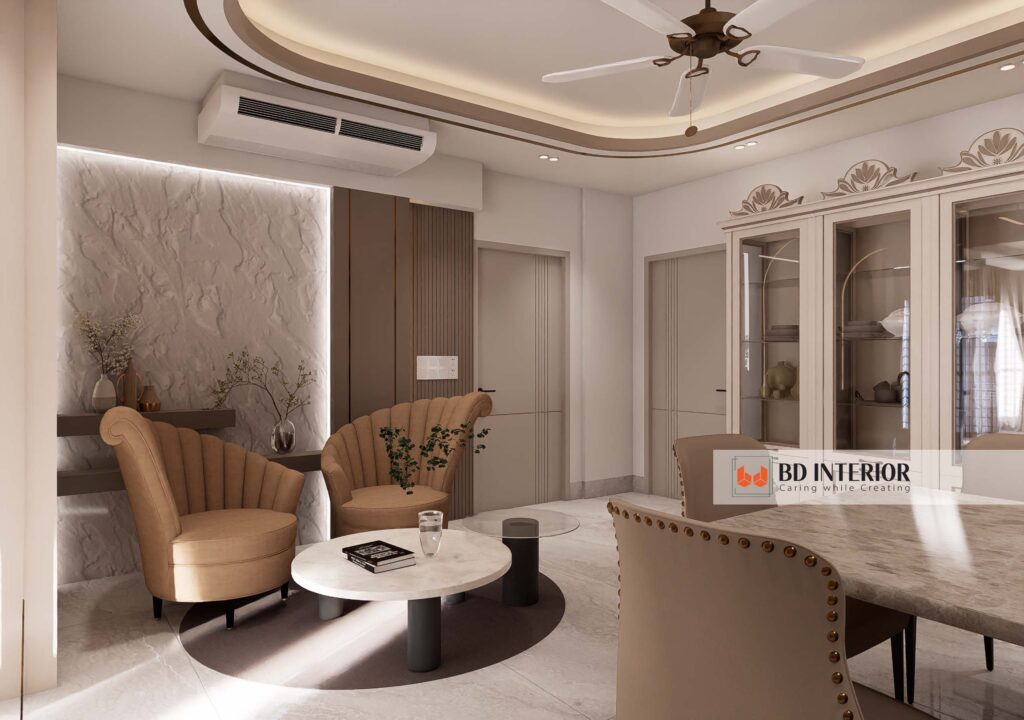
Preventing common design mishaps saves both your wallet and your peace of mind, especially when making the most of every square inch.
Bobby Berk, the design expert, rightly pointed out, “Measure twice, cut once applies to furniture buying too!” He’s not wrong. The excitement of new furniture can make us forget simple, practical steps.
Measure Everything Twice (Seriously!)
This is probably the most repeated advice for a reason. Before you even think about buying a new wardrobe or a big dining set, measure your room. Then measure your doorways. And your stairwells. Don’t forget the lift entrance or even the narrow goli (alleyway) leading to your building if it’s tight. A new bed frame almost didn’t make it up to the second floor for one Reddit user! The disappointment of a beautiful item stuck at the entrance is a real, costly headache. Get the width, height, and even diagonal measurements for larger pieces.
The Unseen Value of Vertical Space
In Dhaka, where apartment sizes can be compact, thinking “vertical” is a game-changer. We often focus on the floor area, but walls and ceiling height offer so much potential. Tall, wall-mounted shelves, floating cabinets, or even clever wall art arrangements can draw the eye upwards, making a room feel much larger and airier than it actually is. Instead of a wide, low bookshelf, choose a narrow, tall one. This frees up precious floor space and uses an area that otherwise stays empty. Think about slim, built-in storage or even vertical gardens for a fresh touch. It’s an effective way to beat the space crunch without feeling boxed in.
Conclusion
Mastering interior design means more than just picking pretty things; it’s about smart choices and thoughtful planning. Remember the Golden Ratio for balance, layer your lighting for mood, and measure every inch before you buy. By understanding these simple facts, you can stop common mistakes and craft a home that feels just right for you and your family. Don’t wait; start applying these tips today to transform your space!
FAQs
Q1: What is the Golden Ratio in simple terms?
It’s a mathematical principle (about 1.618) that helps you arrange things like furniture and art to look naturally balanced and pleasing to the eye, often by dividing space into roughly 2/3 and 1/3 segments.
Q2: How many types of lighting should a room have?
Ideally, a room should have three types of lighting: ambient (general light), task (for specific activities), and accent (to highlight features). Mixing them creates a versatile and inviting atmosphere.
Q3: Why is measuring doorways so important for furniture?
Measuring doorways, stairwells, and hallways ensures your new furniture can actually get inside your home. Many people buy large items only to find they won’t fit through the entrance, leading to extra costs or returns.
Q4: Should I always spend more on furniture?
Not always, but investing in key pieces like your sofa, bed, and dining table usually pays off. These items get heavy daily use, so higher quality means better durability, comfort, and a longer lifespan.

S.M. Rezaul Haque is a seasoned interior design consultant with 15+ years of experience. An AIUB graduate and Senior Vice President of BIDCOA, he specializes in creating functional, sustainable, and visually inspiring spaces. As the driving force behind BD INTERIOR, he has helped shape 700+ Bangladesh’s most innovative interior design projects.