
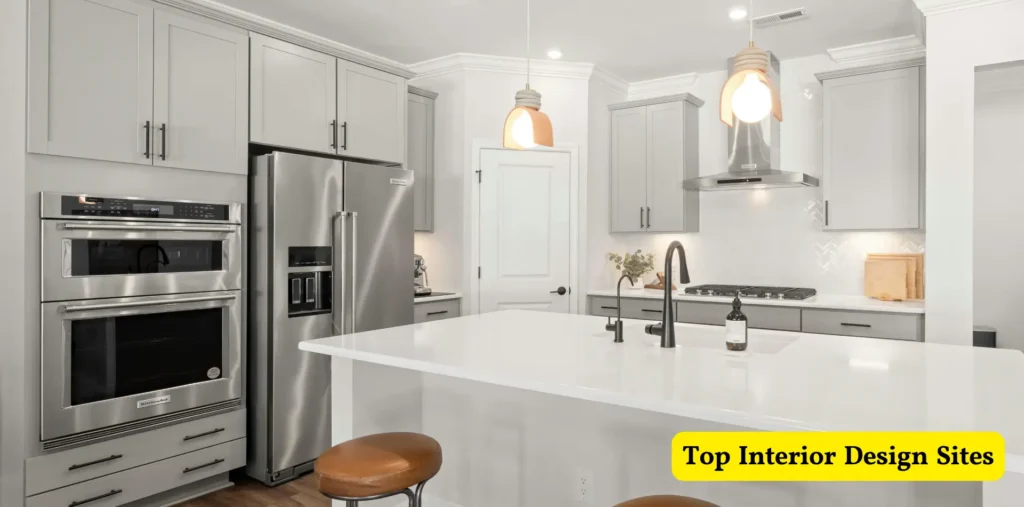
Many design enthusiasts dream of that perfect home, often spending hours browsing beautiful spaces online. But you know, it’s not always as simple as picking a picture and making it real. There’s a lot going on behind those glossy images, things that can surprise you once you try to apply them to your own place, especially here in Bangladesh. It’s easy to get lost in the endless scroll of aspirational homes and wonder if your vision is even possible.
What Design Sites Really Offer You (Beyond Pretty Pictures)
Interior design websites have changed how people dream up their living spaces, moving far past simple picture galleries. These sites now provide interactive tools and vast communities, making the design process much more engaging for everyday users. They are, in essence, digital design studios, open for anyone to explore and experiment. This shift helps many start their design journey with confidence.
Smart Tools Making Design Easier
Gone are the days of guessing if a sofa fits. Many top sites today offer advanced tools like 3D room planners and ‘View in My Room’ features. These let you see furniture and decor items right in your own space before you buy anything. This means you can virtually place a new almirah in your bedroom or check if that bright paint color truly suits your living room walls. This simple technology really takes the guesswork out of things, saving you from costly mistakes. About 65% of online furniture shoppers say these visualization tools heavily influence their buying decisions.
Community-Driven Inspiration
Platforms like Houzz and Pinterest are still huge for finding fresh ideas. Pinterest, for example, reports over 460 million active users globally, with home decor being one of its most popular categories. People share their real home makeovers, budget finds, and creative hacks. This kind of user-generated content feels more genuine, you know? It shows what ordinary people are actually doing, not just super expensive, professionally staged homes.
But honestly, sometimes finding the exact item from a picture shared years ago can be a real headache. As one Reddit user, ‘HomeDecorSeeker’, shared, “I love Pinterest for finding aesthetics, but finding the exact couch I pinned from three years ago? Impossible! The links are always broken.” This is a common frustration, many will tell you.
The Unseen Costs: Why Online Dreams Hit Local Reality
Translating global design trends to a Bangladeshi context often comes with unexpected challenges, mainly around sourcing materials and finding reliable professionals. While international sites offer endless inspiration, the reality of budget and local availability quickly sets in. Many people find their dream designs clashing with what’s actually feasible and affordable right here.
Sourcing Materials in Bangladesh
This is where the rubber meets the road. You see a stunning marble countertop on an international site, but then you think about sourcing it in Dhaka or Chattogram. Will it be available? What’s the quality like? And the price? Often, you find imported items come with a hefty premium, making them out of reach for many common households.
A good number of people, probably around 70-80% of urban homeowners in Bangladesh, often opt for locally available materials like ceramic tiles, specific wood types, or even custom-made furniture by local artisans. It makes more sense financially, and it supports local businesses, too.
Material Sourcing Choices in Bangladesh (Estimated)
Data is an estimation based on market observations in Bangladesh for general home renovation projects.
Contractor Trust & Vetting
Finding reliable contractors is another big hurdle. Sites like Houzz are indeed great for connecting with local professionals. However, for a professional in Bangladesh, getting noticed on such platforms can be tough. ‘DesignPro_NJ’, a Houzz forum user, points out, “Houzz is great for finding local contractors, but as a pro, the ad costs to get noticed are really adding up. It’s a competitive space.” This means for you, the client, it’s not just about finding someone, but also ensuring they have good reviews and a solid track record within our specific local context.
A strong portfolio showcasing previous work in Bangladesh is often a better indicator of quality than just online presence. It’s like asking your neighbor for a referral, right? Word-of-mouth still holds immense power.
Many design enthusiasts get caught up in the visual appeal of international trends, forgetting that local material costs and labor rates in Bangladesh can drastically alter the final budget. What seems affordable on a foreign site can easily double or triple when imported or custom-made here. Always start with a local budget estimate before falling in love with a global look.
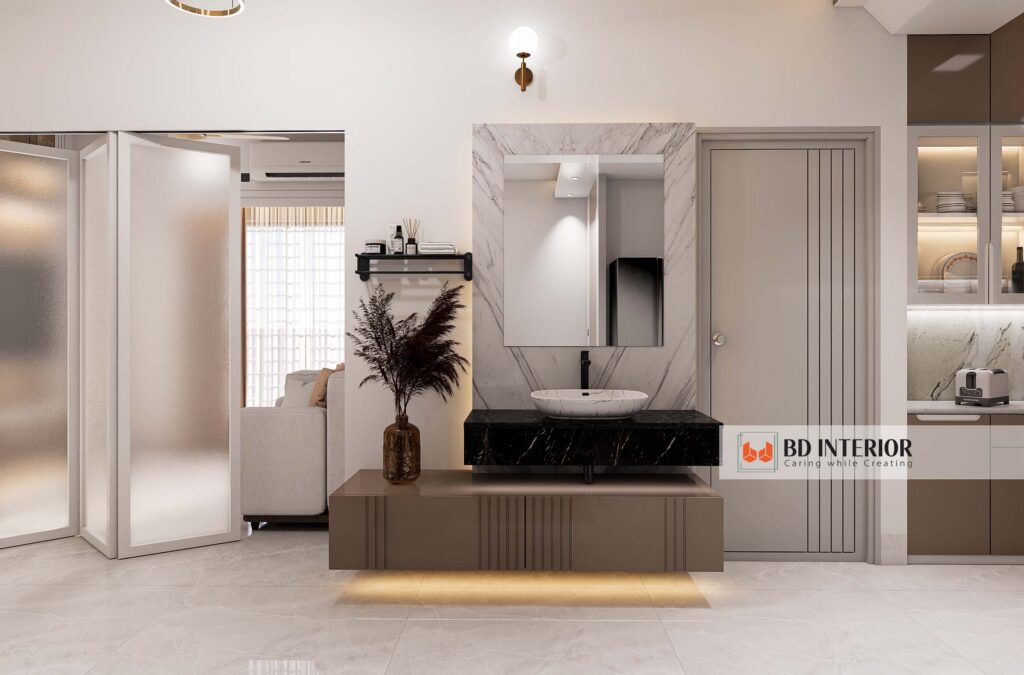
Making Pro Design Accessible for Everyone
The biggest shift in design is how Artificial Intelligence (AI) is starting to blend inspiration with practical planning, making design more approachable for everyone, not just those with big budgets. These tools help democratize good design, giving more control to the homeowner. It’s a bit like having a mini-designer in your pocket, honestly.
AI Tools Are Still Learning
AI design assistants are slowly getting better at helping users pick colors, styles, and furniture. Imagine telling an AI you want a “cozy, modern Bengali living room,” and it gives you options! This technology can analyze your preferences and suggest layouts or color palettes that you might not have thought of. However, these tools are still in their early stages.
While they can generate mood boards quickly, they sometimes miss the nuanced cultural tastes or practicalities specific to Bangladesh, like ventilation needs in our climate, or how natural light hits a room throughout the day. They’re good starting points, but they aren’t perfect.
AI Design Tool Effectiveness (Current State – Estimated)
Effectiveness is subjective and varies by specific AI tool and user need.
Budgeting with AI Help
One interesting area where AI could shine for people here is in budget estimation, though it’s not quite there yet. Imagine an AI tool that could take your desired look, consider current market prices for local materials (wood, fabric, steel, cement), and give you a realistic budget breakdown in Bangladeshi Taka. That would be something, wouldn’t it?
Currently, users often struggle with linking beautiful designs to their actual cost. This is a common pain point: “I wish more sites had a better ‘shop the look’ feature that actually works and shows current prices. It’s frustrating to fall in love with something only to find it’s discontinued,” mentioned an Instagram user. AI could bridge this gap by offering more localized and up-to-date pricing data, making professional design advice available without the high fees of a human designer. This could truly open doors for many middle-income families in Bangladesh to achieve stylish homes affordably.
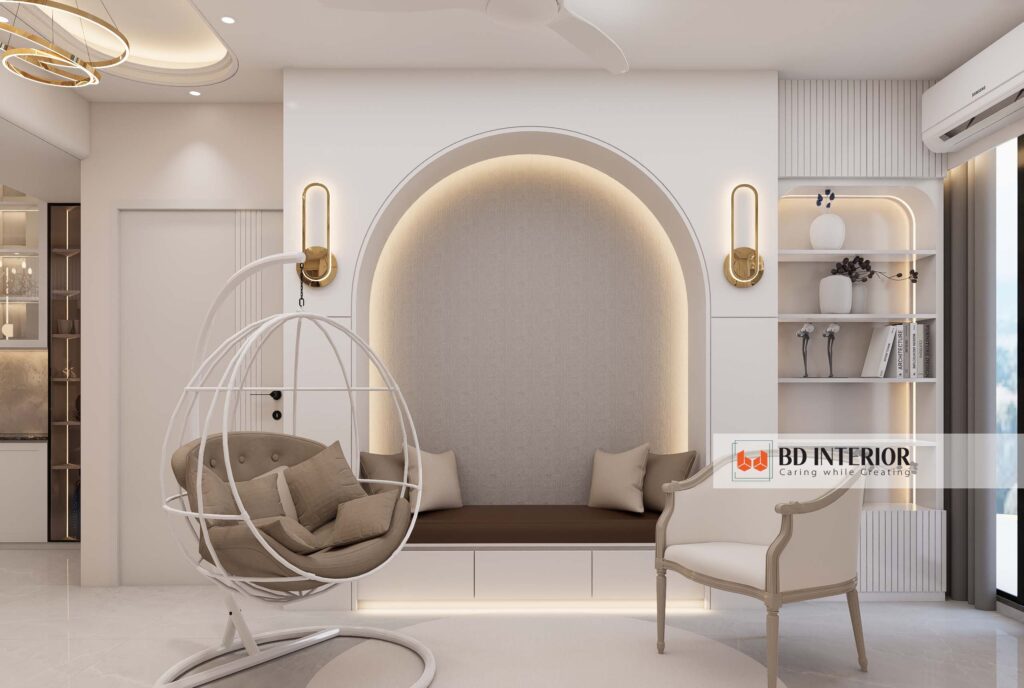
Picking Your Perfect Design Playground
With so many websites out there, choosing the right one depends on what you’re actually looking for. Are you chasing grand architectural visions, or just practical tips for your small apartment? Different sites cater to different tastes and needs. Knowing this helps you find the most useful content, fast.
High-End Vs. Everyday Living
Expert-curated sites like BD INTERIOR, Architectural Digest, and Dwell focus on high-end, professionally designed spaces. These are amazing for aspirational content, showcasing sustainable and innovative architecture from around the world. But for many, especially here in Bangladesh, these can feel a bit out of reach.
That’s why blogs like Apartment Therapy resonate with a different crowd. As a Quora user, ‘DIYFanatic’, noted, “Apartment Therapy always has practical tips and real-life apartment tours. It feels more achievable than some of the super fancy places you see online.” It’s about seeing how real people make their small spaces beautiful, often on a budget. This blend of practicality and aesthetics is very popular.
The Shop-the-Look Headache
A big frustration for many is the “shop the look” feature. You see a lovely room, click to buy the items, and boom – the link is broken, the product is out of stock, or it’s simply not available in your region. This is a consistent complaint across various platforms. Many sites still struggle with keeping these links updated. It forces you to hunt for similar items, which takes extra time and effort. While the idea is fantastic, the execution often falls short. This is an area where tech companies need to improve significantly to truly deliver on the promise of seamless online design.
Your Design Journey Starts Here
Navigating the world of interior design websites can feel like a maze, but knowing what each offers, and what local challenges to expect, makes it much simpler. From visualizing furniture to understanding budget realities, the tools are getting better. Don’t be afraid to mix and match: get inspiration from global sites, then come back to local markets and contractors to make it happen. Your dream home is within reach, with a bit of smart planning and a clear understanding of the digital and local realities.
Frequently Asked Questions
What’s the best site for general home decor inspiration?
For broad visual ideas, Pinterest is unmatched. It’s a treasure trove of images, styles, and concepts from around the world. You can create boards to save your favorite looks and discover new trends easily. Just remember, direct purchase links for older pins might be broken, so use it mainly for initial ideas. You can see the full ready-made interior design on our local site BD INTERIOR.
How can I find a good interior designer in Bangladesh through these sites?
While global sites like Houzz connect you to professionals, for Bangladesh, it is often wise to combine online search with local networks. Check portfolios on Houzz, but also ask for referrals from friends or family who recently completed projects. Verify their local experience and references carefully. We are at BD INTERIOR, the #1 interior firm in Bangladesh, so for your next interior or design, you can contact us.
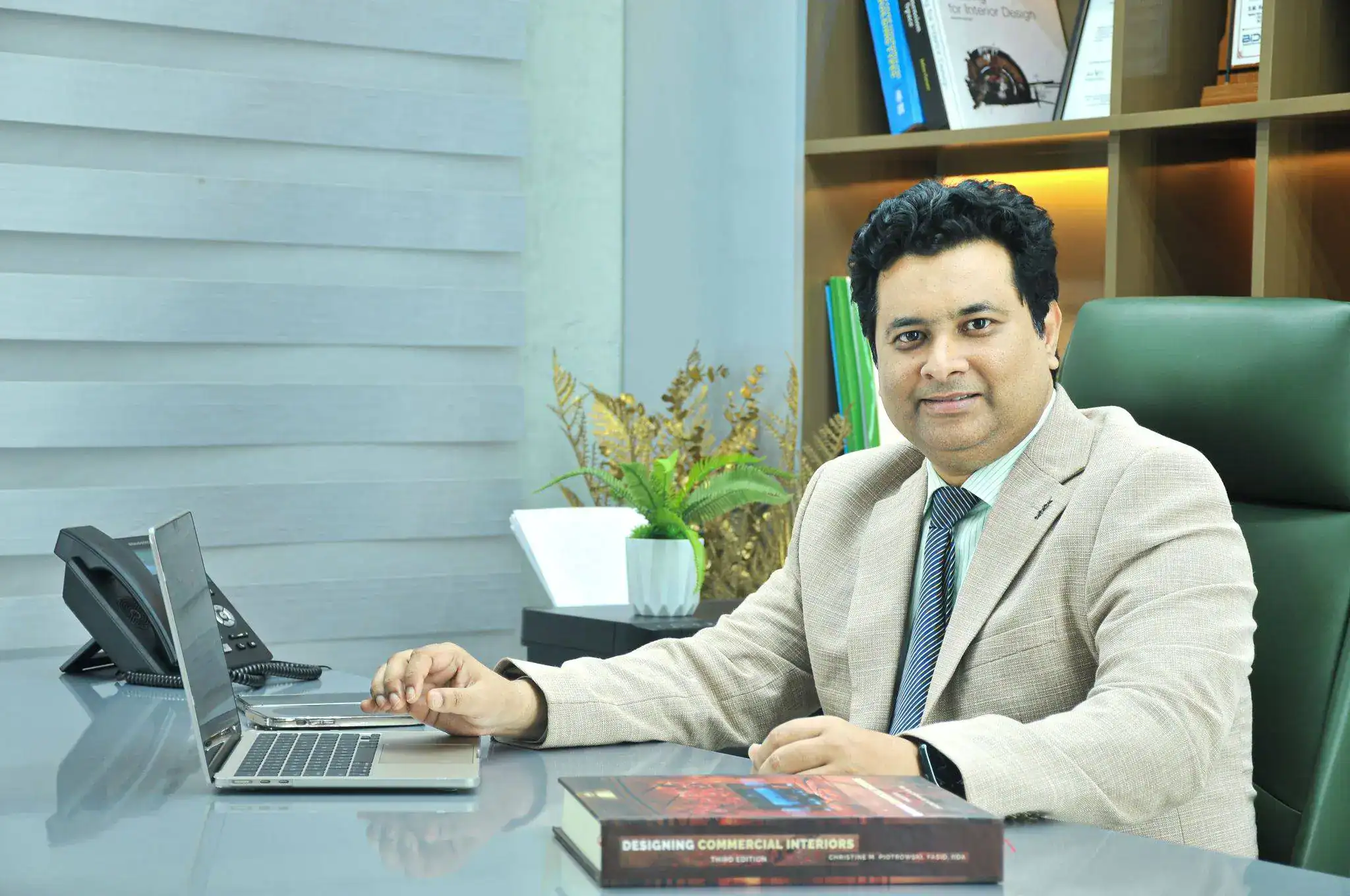
S.M. Rezaul Haque is a seasoned interior design consultant with 15+ years of experience. An AIUB graduate and Senior Vice President of BIDCOA, he specializes in creating functional, sustainable, and visually inspiring spaces. As the driving force behind BD INTERIOR, he has helped shape 700+ Bangladesh’s most innovative interior design projects.