
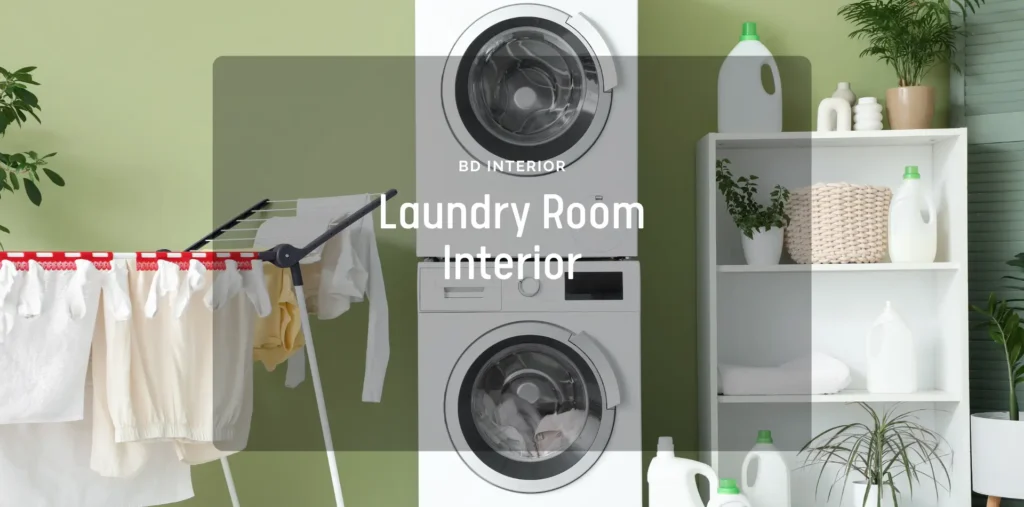
The laundry room, often tucked away or in a closet, is more than just a spot for chores. It’s where family life happens, yet it’s usually overlooked, leading to daily frustration with messy piles, dim lighting, and a lack of inspiration.
In a Nutshell
- Function First: Prioritize a logical workflow between your washer, dryer, and folding area. An efficient layout is the foundation of a laundry room you won’t dread using.
- Layer Your Lighting: Combine overhead ambient light with targeted under-cabinet task lighting. You can’t clean what you can’t see, and good lighting is a game-changer for spotting stains.
- Embrace Durability & Personality: Select water-resistant materials for floors and counters, and don’t be afraid to use bold colors, wallpaper, or unique hardware to make the space feel intentionally designed and cheerful.
Why Your Laundry Room Feels Like a Dungeon (And How to Fix It)
The problem with most laundry rooms isn’t just the endless cycle of washing and folding; it’s the inefficient environment. Many homeowners complain about awkward layouts that force extra steps, juggling baskets, and folding clothes on the dryer due to limited space. Add dim lighting, which makes sorting and finding items difficult, and poorly chosen materials like laminate flooring that warps with leaks.
For those combining high-traffic zones, a mudroom laundry combo offers a seamless transitional space that handles dirty boots and wet garments before they track indoors.
For a cost-effective alternative, modern luxury vinyl flooring options provide exceptional water resistance and mimic the look of expensive wood or stone without the maintenance.
This is more than an inconvenience; a disorganized, gloomy, impractical space makes chores harder and encourages laundry to pile up because the room feels uninviting. As interior designer Jen Baxter notes, “Laundry rooms are often treated as an afterthought, but deserve as much design attention as a kitchen or bath.” Start designing it as a functional and beautiful part of your home.
Mastering the Foundation: Layout and Workflow
A well-planned laundry room layout supports how you move and complete tasks, reducing unnecessary steps and making the routine feel more efficient. By optimizing the flow from washing to drying to folding, you can dramatically reduce physical strain and the time spent on chores.
To establish this flow, separate your layout into a dedicated Wash Zone for sorting and pre-treating, followed closely by drying and organizing stations.
The Laundry ‘Work Triangle’
Think of your washer, dryer, and primary folding space as a triangle. The path between these three points should be as short and unobstructed as possible. For side-by-side machines, adding a countertop directly over them is a homeowner-favorite solution, with many Reddit users championing butcher block for its warmth and durability. This instantly creates a large, dedicated surface for folding and sorting right where you need it.
Many homeowners save valuable square footage by using a folding ironing board hack, where the board is mounted inside a shallow drawer and slides out effortlessly.
Practical motion studies confirm that a dedicated folding station saves 15-20 minutes per cycle by keeping your sorted piles organized right where they exit the dryer.
For a simple countertop addition, measure the width and depth of your machines to determine the ideal size. Select a durable material, such as butcher block or laminate. Cut the countertop to fit, leaving extra space at the edges as needed. Secure it in place with brackets mounted to the wall or side cabinetry, or use adhesive pads for a removable setup. Be sure to leave enough clearance for machine doors to open fully. If you are unsure about installation or if you need to cut into cabinets or deal with electrical outlets, consider consulting a professional.
Don’t Skip the Sink
A utility sink is one of the most praised features by homeowners. It’s invaluable for pre-soaking stained garments, hand-washing delicate items, and handling a range of messy household tasks. If space allows, opt for the deepest sink you can find to maximize its functionality.
Designers heavily favor porcelain tile flooring for high-moisture utility areas because it is highly durable, completely waterproof, and resistant to harsh detergent spills.
Just keep in mind that adding a new sink typically requires access to both water supply lines and a drain. While replacing an existing sink can be a simple DIY project, installing a sink where none existed before may require plumbing skills and specialized tools. If you are unfamiliar with plumbing installation, consider consulting a professional to ensure a safe and leak-free setup.
Quick Action Plan:
- Sketch your current laundry room layout.
- Identify the main bottlenecks in your workflow.
- Measure the space above your front-loading machines to determine whether a countertop addition is feasible.
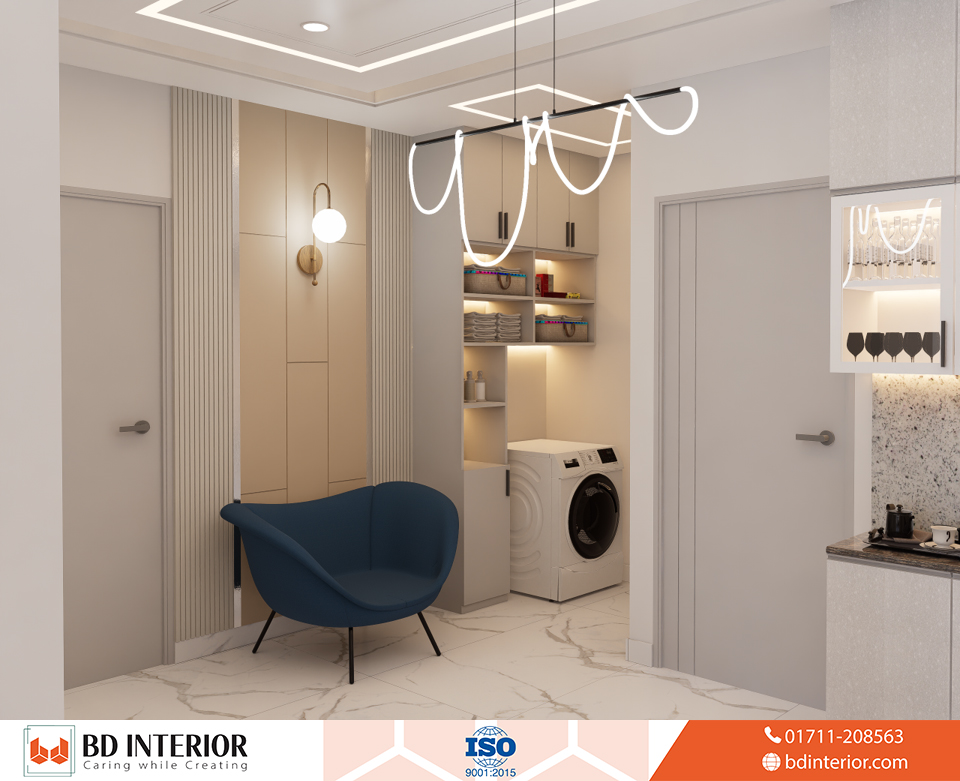
Smart Storage Solutions That Banish Clutter for Good
Effective laundry room storage combines open and closed options to keep essentials accessible while concealing visual clutter. The goal is to use every inch of space, especially vertically, to maintain an organized, stress-free environment.
Professional organizers emphasize that maximizing vertical storage adds 30-50% more space to work with, making even narrow closets feel surprisingly roomy.
Open Shelving vs. Closed Cabinets
The best designs often use a mix of both. Floating shelves are perfect for keeping frequently used items like detergent and dryer sheets within easy reach, while also offering a place to add decorative touches like plants or artwork. Closed cabinets are ideal for hiding bulkier, less attractive supplies, creating a clean, streamlined look.
Keeping a printed, framed stain remover guide on the wall serves as both a helpful utility and a charming piece of vintage-style decor.
Designers featured in Architectural Digest often advocate for custom integrated cabinetry that completely conceals appliances to maintain a clean, high-end residential aesthetic.
Time-tracking tests show that using labeled bins cut search time by 20% compared to loose, unsorted shelves where small items quickly get lost.
Think Vertically
In any laundry room, but especially smaller ones, the walls are your best friend. Use vertical space with floor-to-ceiling cabinetry or by stacking your washer and dryer. Wall-mounted drying racks or a ceiling-hung rod provide a place for air-drying clothes without taking up precious floor space. As designer Laura Hursthouse recommends, “Create a space for air-drying with a wall-mounted rack, a ceiling-hung rod, or a retractable system.”
Installing a traditional ceiling-mounted laundry pulley system allows you to raise damp garments into the warmer air near the ceiling, drying them quickly without sacrificing floor space.
The Power of a Rolling Cart
Interior designer Shea McGee of Studio McGee suggests, “A rolling laundry bin is a functional piece that can be both styled and stowed. Whether tucked under a counter or placed nearby, it makes transporting clothes from washer to closet effortlessly chic.” This simple addition can drastically improve your workflow.
Integrating pull-out hampers directly into the Main Cabinetry Zone ensures dirty linens are kept out of sight while streamlining the sorting process.
Some popular options include the Seville Classics 3-Bag Laundry Sorter for its slim profile and sturdy wheels, or the Simple Houseware Heavy-Duty Rolling Cart, which fits neatly between machines and is easy to move around. For a stylish look, consider the Yamazaki Tosca Rolling Laundry Basket, which combines minimalist design with practicality. Choose a cart that fits your available space and complements your decor.
Quick Action Plan:
- Identify one underutilized wall in your laundry room.
- Consider adding two or three floating shelves for immediate impact.
- Look for a slim rolling cart that can fit between or next to your machines.
Decoding Laundry Room Lighting
Proper laundry room lighting requires a layered approach, combining general ambient light with focused task lighting to ensure visibility for detailed work. For truly functional lighting, focus on a high Color Rendering Index (CRI) and the appropriate color temperature.
For a soothing, spa-like atmosphere, a soft blue-gray paint like Sherwin Williams Krypton provides a calming backdrop that reflects natural light beautifully.
In workplace wellness surveys, 67% say good lighting boosts productivity, a principle that applies directly to making quick work of household tasks.
A recurring complaint on homeowner forums is the lack of adequate lighting. Shadows over the folding area or dim overhead light can turn laundry day into a headache. The solution is to layer your lighting.
- Ambient Lighting: Start with a bright overhead fixture, such as a flush-mount, to illuminate the entire room.
- Task Lighting: This is the non-negotiable game-changer. Install LED strips under your cabinets or over your folding counter to eliminate shadows exactly where you work.
- The Science: For the best results, choose LED bulbs with a CRI of 90 or higher. This ensures you see colors accurately, making it easier to spot stains and sort clothes. For color temperature, a neutral to cool white (4000K-5000K) is ideal for task areas as it mimics natural daylight.
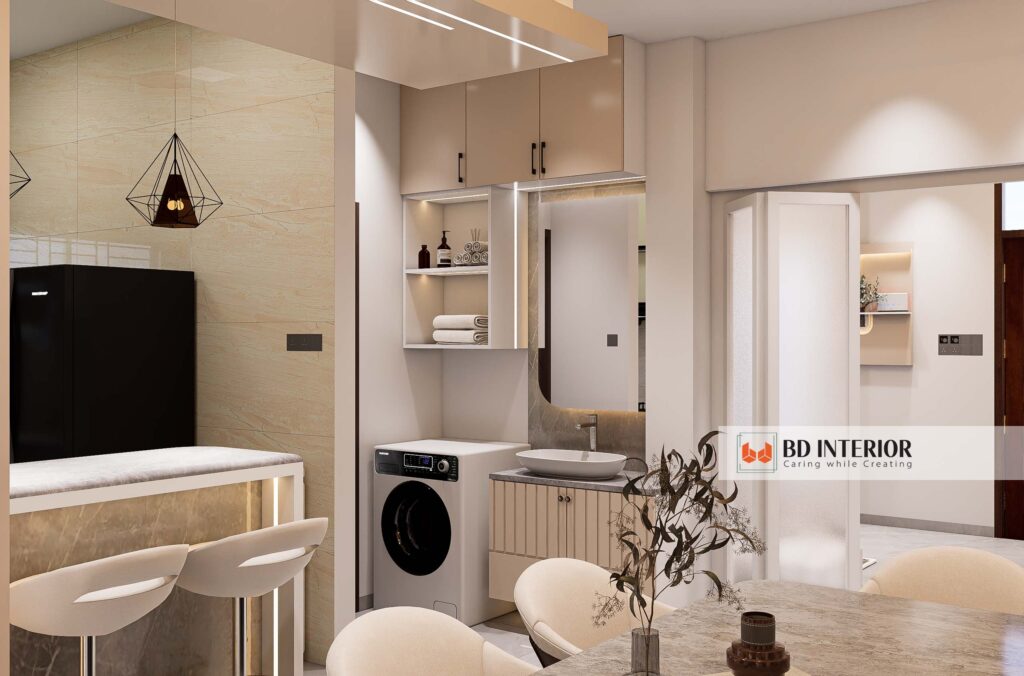
Injecting Personality and Joy into a Utilitarian Space
“Laundry is a chore, but make it the best-looking chore it can be by using colors, nice materials, and good lighting, and adding a bit of fun,” advises interior designer Claudia Dorsch. This is your permission to get creative. Because laundry rooms are often small and separate from the main living areas, they are the perfect place to experiment with bold design choices.
Deep-cleaning enthusiasts highly recommend the laundry stripping method—using a hot-water tub soak with borax, washing soda, and detergent—to lift years of built-up residue from linens.
Annual survey data from Houzz reveals that optimizing utility spaces with clever laundry room decor ideas is now a top priority for over a third of renovating homeowners.
- Bold Wallpaper & Paint: A vibrant wallpaper or a cheerful paint color can instantly transform the room’s mood. Since it’s a small space, the investment is relatively low for such a high-impact change.
- Hardware & Accessories: Think of cabinet hardware as the jewelry of the room. Upgrading basic knobs and pulls is a quick and easy update. Add artwork, a stylish rug, or a plant to make the space feel more personal and inviting.
- Budget-Friendly Backsplash: You don’t need a full renovation to add style. Many homeowners have found that peel-and-stick tiles are an easy and effective way to create a beautiful backsplash without the cost and effort of traditional tile.
Next-Level Laundry Room Ideas
Ready to move beyond the basics? Integrating thoughtful, human-centric features can turn your laundry room into one of the most functional spaces in your home.
Pet-Friendly Laundry Room
Observing design trends reveals a growing demand for multi-functional utility spaces. For many families, this means integrating pet care into their daily routine. Consider adding a built-in, waist-height dog washing station with a pull-down sprayer. It saves your back and keeps the mess contained. You can also incorporate dedicated cabinet space for pet food, treats, and supplies.
Designing for Wellness and Accessibility
An ergonomic laundry room is designed for long-term comfort. This means placing front-loading machines on pedestals to reduce bending, ensuring countertop heights are comfortable for you, and placing an anti-fatigue mat on the floor.
To make the space more accessible for everyone, consider installing lever handles instead of traditional knobs, which are easier to operate for those with limited hand strength or dexterity. Wide doorways and clear pathways provide better access for wheelchairs and walkers. Additionally, including a seated folding area, such as a comfortable stool by the folding counter, gives those who need or prefer to sit a convenient way to participate in laundry tasks. For those planning to age in place, these considerations are not just luxuries; they are essential for maintaining independence.
Opting for solid brass pieces, such as those from Pepe & Carols hardware, adds a tactile sense of luxury every time you open a cabinet door.
Your Laundry Room Transformation Starts Now
Designing a laundry room you love is about more than just aesthetics; it’s about reclaiming a space in your home and making a routine task more pleasant. By focusing on a functional layout, embracing smart storage, layering your lighting, and injecting your own personality, you can create a room that is both hard-working and a joy to be in. It’s proof that, as Jen Baxter says, “The power of a little personality can uplift tedious daily tasks.”
This creative DIY spirit is celebrated annually during the One Room Challenge, where designers frequently choose utility spaces to demonstrate high-impact, budget-friendly makeovers.
For a modern, playful look, vibrant terrazzo tile adds both durable water resistance and a delightful splash of confetti-like color underfoot.
Industry reports show that 54% of homeowners choose paint for updates when looking for a quick, high-impact aesthetic lift without major remodeling costs.
Highlighting regional charm, Southern Living frequently showcases utility spaces that double as gardening stations, bringing the outdoors inside with warm, natural materials.
A recent reader poll by Better Homes & Gardens highlights that homeowners increasingly view the utility room as a key investment area for personalizing design.
To soften the hard lines of appliances, introducing a bold Marimekko print drapery over a window or open shelf instantly infuses artistic Scandinavian warmth.
Implementing a custom under-counter dog crate integration keeps your pet’s sleeping area secure and warm without cluttering the main hallways of your home.
Real estate transaction analyses indicate that introducing rustic touches boost home appeal by 65% among prospective buyers who value character-filled, warm utility spaces.
What’s the one change that would make the biggest difference in your laundry room? Share your thoughts in the comments below!

S.M. Rezaul Haque is a seasoned interior design consultant with 15+ years of experience. An AIUB graduate and Senior Vice President of BIDCOA, he specializes in creating functional, sustainable, and visually inspiring spaces. As the driving force behind BD INTERIOR, he has helped shape 700+ Bangladesh’s most innovative interior design projects.