
You may feel exhausted, anxious, or just have trouble concentrating in a certain room. It’s a breeze to blame it on a long day or a bad mood. A decent chunk of people struggle with feeling irritable (which is a critical factor) and tired at the office.
Or your home is constantly being affected without realizing that the environment itself is a big factor. That’s the thing.
It has a huge impact on your health. Good design supplies a real, measurable path to feeling better. Of course, actual metrics may shift.
Key Points
- Biocompatible design greatly reduces stress.
- Proper lighting balances your natural rhythms.
- Thoughtful colors change emotional states.
- Acoustic comfort improves concentration. Less clutter lowers anxiety levels.
- Ergonomic setup prevents physical strain and mental exhaustion.
Natural Elements Calm Your Mind
Incorporating natural elements like houseplants, views of nature, and natural materials has been shown to majorly $2 stress hormones. Improve mood, and research shows 15-approximately 25% stress reduction.
Patients with views of nature often report faster recovery and greater satisfaction. If you think about it. We are hardwired to connect with nature. Consider this: it makes sense that bringing it indoors would help.
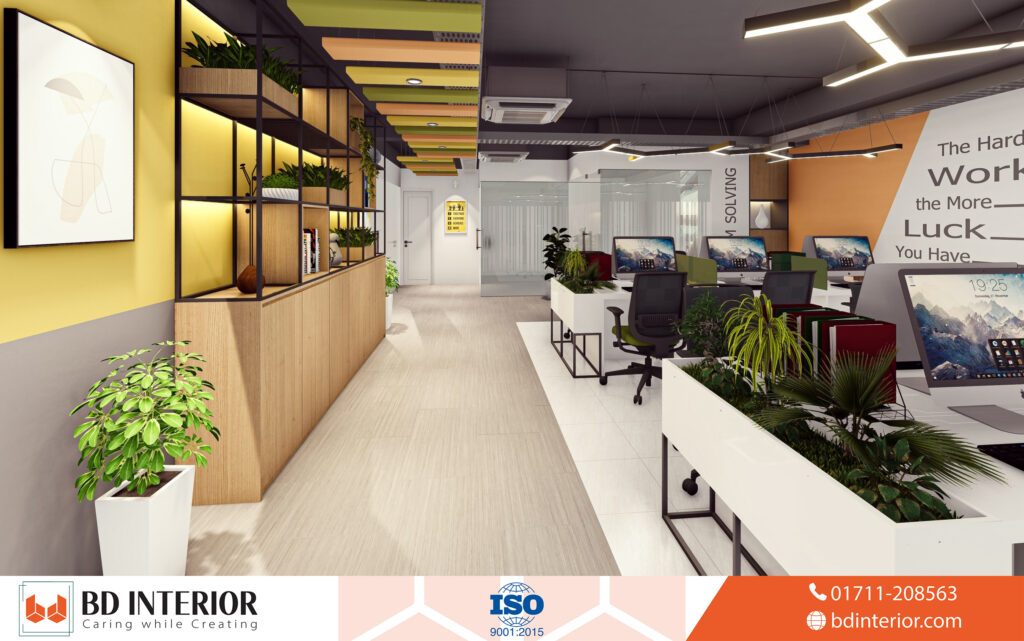
Biophilic Design: Not Just Plants
Biophilic design isn’t a luxury; it’s a necessity. In reality, said the late social ecology expert Professor Stephen R. Kellert. (Though that also helps).
You could say one person said a hospital room with large windows overlooking the garden made a huge difference during his recovery. By making it feel less institutional and more hopeful. Almost 100% accelerated their spiritual healing process (though it depends (a detail often overlooked) wholly on the context).
Small Steps for Nature’s Touch
You can see how this relates to the previous point. You don’t need a complete remodel to bring nature indoors. Even a small, rental space can benefit. Weighs adding some medium-sized plants. Research shows that it’s even. What that means is, just 2-3 plants can influence perceived stress. Hanging art depicting natural scenery.
Here’s the reality; replace harsh synthetic fibers with natural fibers like cotton and linen. Plus, a small tabletop fountain can bring in calming sounds and natural elements. What this means is these straightforward changes can dramatically change the feel of a space without breaking the bank (with some exceptions, of course).
Light and Sound Control Boost Focus
Access to ample natural daylight and tunable artificial lighting improves sleep quality, boosts alertness, and reduces symptoms of seasonal affective disorder (SAD), while good acoustic design bigly reduces stress and improves cognitive performance.
Poor lighting, especially cool white or flickering options, causes eye strain and headaches, severely impacting mood. Uncontrolled noise, found in open-plan offices or from traffic, raises stress and reduces how well you think.
Optimized Lighting for Better Mood
Many people complain that their office has no windows, just harsh fluorescent lights. By 2 PM, they feel drained.
And irritable, like working in a cave. This seriously impacts mood and productivity. Natural daylight is key for keeping your body csecure sync. If natural light is limited, look for artificial lights that mimic natural cycles.
Shifting from warmer tones in the morning to cooler, brighter light mid-day, then back to warmer tones in the evening. Weird, right? This supports your circadian rhythms, helping you sleep better at night. And stay more alert during the day.
Sound Management Enhances Concentration
Poor acoustic design in offices is a silent epidemic, causing constant cognitive load and bigly contributing to burnout, says sound expert Julian Treasure. An open-plan office can be a nightmare for concentration.
With constant calls and conversations, making deep work impossible without noise-canceling headphones. Design solutions like sound-absorbing materials and acoustic panels. And smart spatial planning can lower ambient noise by 5-10 dB, improving how much you concentrate and overall happiness.
Here’s how sound-absorbing materials affect stress:
Noise Reduction Impact
Order and Comfort for Peace
Studies link visual clutter to increased anxiety and stress, overloading sensory processing, while ergonomic design prevents physical discomfort, reducing irritability and mental fatigue.
Simplifyd storage and intentional organization create calmer surroundings, improving focus and a sense of control.
Every design choice sends a message to our subconscious, and designers have a powerful ethical responsibility to create environments that heal, not harm, notes author Ingrid Fetell Lee.
Declutter for Clarity
Moving all the clutter out of a living room can feel like lifting a weight off your chest. Many people don’t realize how much visual noise stresses them out (depending entirely on the context) until it’s gone. Then, they feel so much calmer.
Visual clutter elevates cortisol levels, the stress hormone. Because your brain constantly tries to process everything it sees. Setting up minimalist spaces can lead to a more peaceful environment.
This also means being intentional about what you keep. Use closed storage, and make zones for different activities. And regularly get rid of things you no longer need.
Honestly, it can take some figuring out to find a system that works for you. But the mental advantages are clear.
Digital Clutter Impacts Designers
For design professionals, physical clutter is one thing, but digital clutter is another silent stressor. Overloaded desktops, disorganized project files. And endless browser tabs set up mental noise.
Generally speaking — just like a clean desk — a well-organized digital workspace can really $2 mental fatigue, and consider designated digital folders, clear naming conventions for files, and regular digital clean-ups. This isn’t just about efficiency. It’s about protecting your mental bandwidth to think and build effectively.
You mightn’t be totally sold on this idea, but honestly, it makes a huge difference.
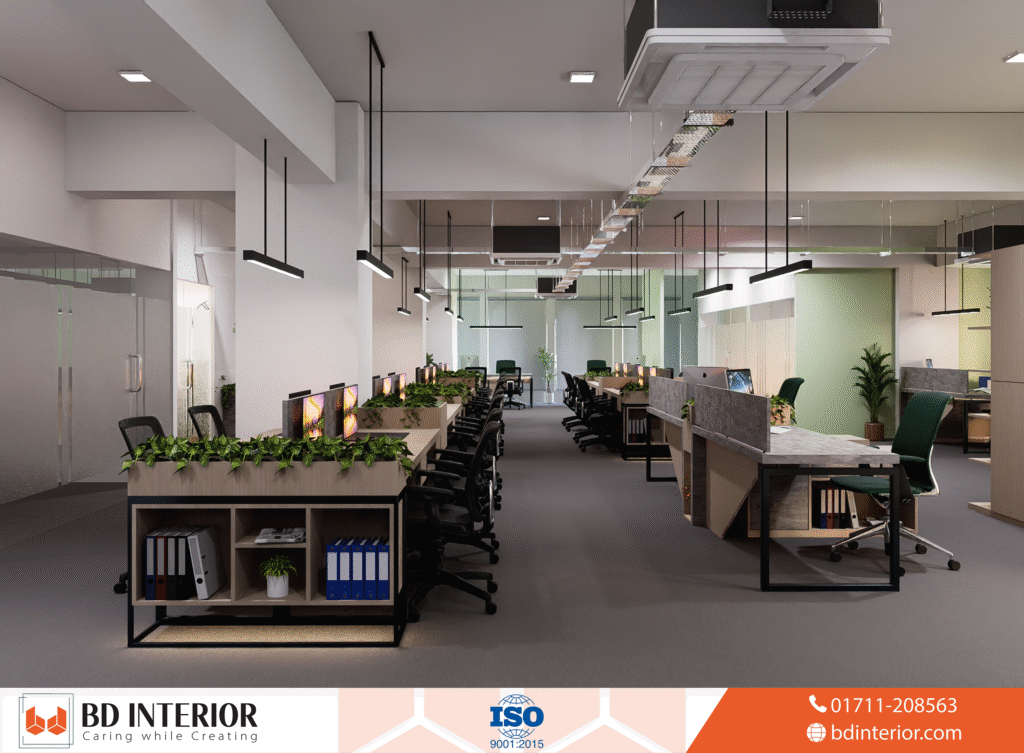
Ergonomic Support for Resilience
Chairs, desks — and apps that support good posture. And reduce strain do more than prevent back pain. They cut down on irritability and mental fatigue. Now, this frees up your brainpower for higher-level tasks and emotional regulation.
If your body is uncomfortable. About 7 out of 10 office workers report some kind of physical discomfort related to their workspace. Investing in a better chair or a monitor riser — or even exploring a standing desk — can be a substantial shift for your daily mental state. Helping build mental resilience, which is pretty cool.
If you think about it, preventing physical stress.
Conclusion: Design for a Better You
In many cases, and by making deliberate design choices, you can create spaces that reduce stress. Improve focus, and promote a sense of calm. Interestingly, take action now: look around your home or office and identify one small design change you can make today to positively impact your mental state. Small steps can lead to big improvements.
FAQs
Can color choices really affect my mood?
This is exactly what that first point lead to, yes, 100%. Warm colors like yellow and orange can energize you, but might also cause anxiety if overused. Cool colors like blue and green generally promote calm and focus. The thing is, earthy tones and muted shades set up a grounding, comforting feeling, making spaces less visually overwhelming.
What’s a common design mistake that harms mental health?
A major one is neglecting acoustic comfort. Many everyone overlook how much uncontrolled noise.
Especially in open-plan offices, increases stress and reduces cognitive performance. It’s a constant drain on your mental energy.
Often leading to irritability and burnout.
How can I make my rental home more mentally supportive without big changes?
Focus on portable, low-cost elements. The thing is, add plants, use soft lighting with warm bulbs, get a small sound machine for white noise, and declutter visible surfaces with clever storage solutions. Even bringing in natural textures through throws or cushions helps.
These simple tweaks make a huge difference in creating a more peaceful space. You don’t need to own the walls to make — or at least, a space feel like yours and support your mind.
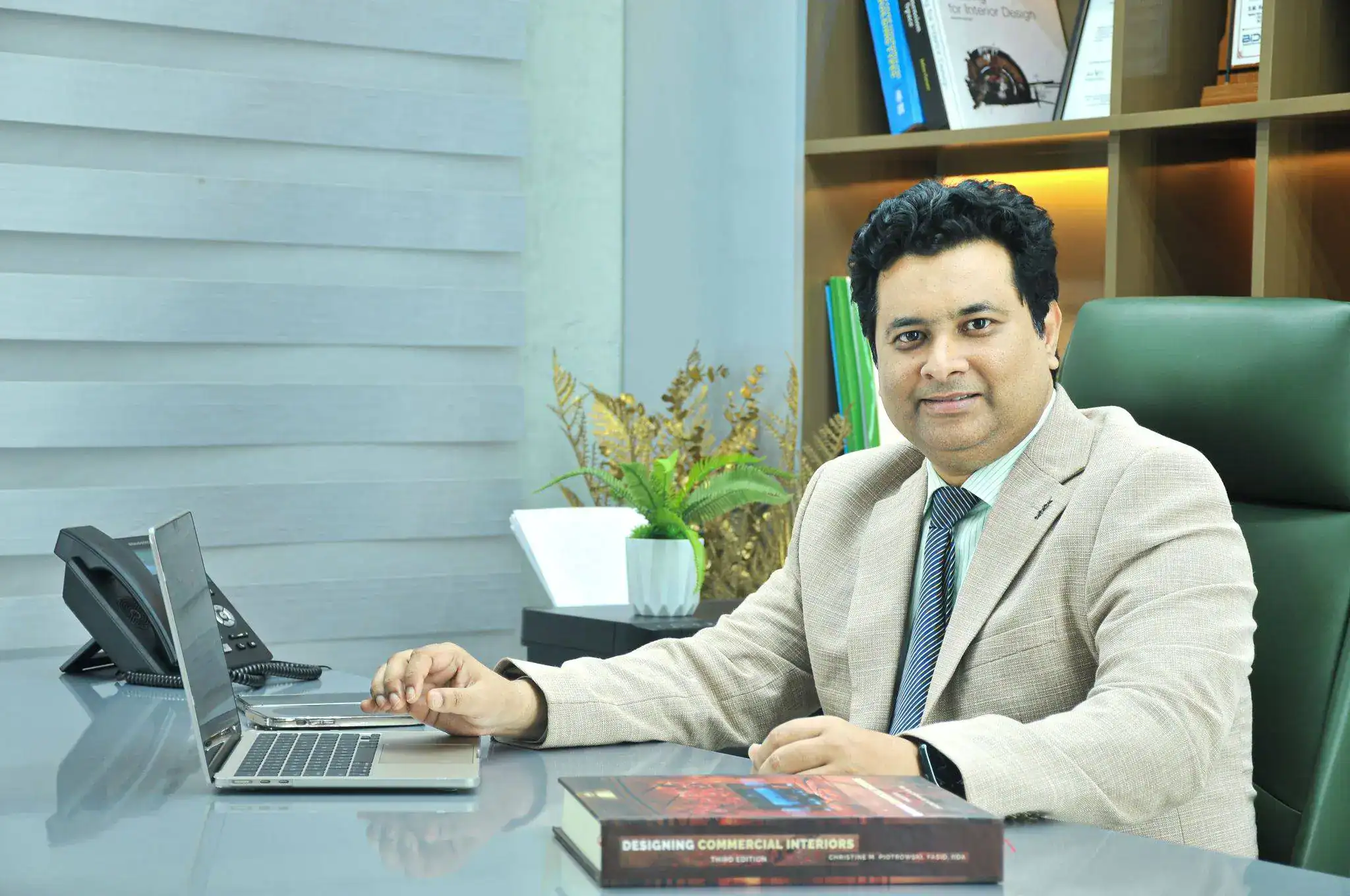
S.M. Rezaul Haque is a seasoned interior design consultant with 15+ years of experience. An AIUB graduate and Senior Vice President of BIDCOA, he specializes in creating functional, sustainable, and visually inspiring spaces. As the driving force behind BD INTERIOR, he has helped shape 700+ Bangladesh’s most innovative interior design projects.