
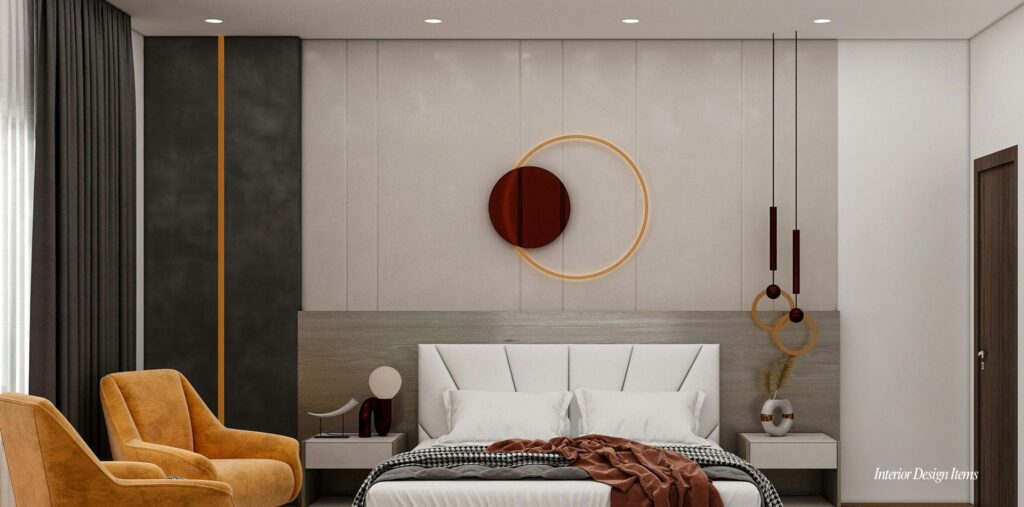
Look around your room. Is your eye drawn to a pile of mail, unread books, or a forgotten decorative item now gathering dust? That low hum of anxiety from visual clutter is familiar. Your home feels demanding, not restful. You crave a sanctuary but feel overwhelmed.
The solution isn’t more storage bins or a new cleaning schedule. It’s a mindset—minimalist interior design. This guide explores how minimalism can help you reclaim your space and peace of mind, beyond the cold trends you see online.
Incorporating hygiene-focused surfaces like non-porous quartz or antimicrobial coatings addresses modern health concerns while supporting the broader minimalist goal of maintaining a clean, low-maintenance, and healthy sanctuary.
What is Minimalist Interior Design, Really?
Minimalist interior design is about simplicity, intention, and function. It values uncluttered spaces, clean lines, and neutral colors for a calm, orderly environment. At its core, it uses only essentials to create purpose, beauty, and calm.
Software like AutoCAD or V-Ray is frequently used to simulate minimalist interior design concepts, allowing professionals to visualize how light and surface interactions will perform before any physical changes occur.
‘Less is more’ is only the start. True minimalism focuses on what you intentionally keep. It’s like editing—not just deleting words, but choosing the right ones. As Joshua Becker says, “Minimalism isn’t about removing things you love. It’s about removing what distracts you from them.”
This philosophy didn’t just appear out of nowhere. It has deep roots in the mid-20th-century modernist movement and draws heavily on the serene simplicity of Japanese Zen philosophy and the functional beauty of Scandinavian design. It’s a global concept refined over decades, aimed at one thing: creating harmony between you and your living space.
Quick Action Plan
Right now, look around your room and identify just one item that doesn’t serve a practical purpose or bring you genuine joy. Write it down or set it aside as the start of your decluttering process. Don’t get rid of it yet—just notice and acknowledge it as your first actionable step.
Debunking the Myths: Is Minimalism Cold and Soulless?
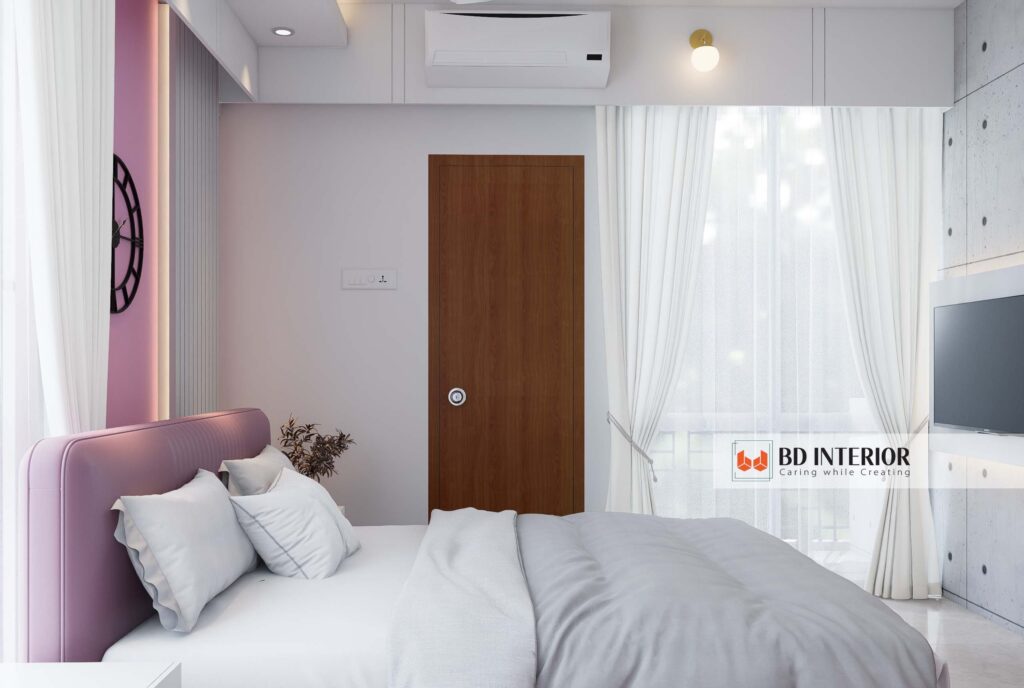
I know what you’re thinking because I’ve heard it a thousand times. Someone mentions minimalism, and the image that pops into your head is a vast, empty white room with a single, uncomfortable-looking chair. One user I came across described it perfectly: “It genuinely feels like the opposite of what I’d expect any space to look like, save a Laboratory or Evil Corporate Lair.” Ouch. And honestly? A lot of what passes for minimalism online is exactly that—soulless and out of touch.
Minimalism isn’t cold or empty. Real minimalist design is warm, welcoming, and personal. It’s not about taking things away but about creating space for what matters. What remains gives your home its character and richness.
The Secret Weapon: The Power of Texture
Most people remove color and objects, creating a sterile space. Magic happens with texture. When color is quiet, texture brings depth, warmth, and personality.
Imagine this:
- A soft, chunky wool knit throw draped over a clean-lined sofa.
- The feel of raw linen curtains filtering the morning light.
- The visible grain of a solid oak coffee table.
- The subtle roughness of a handmade ceramic vase.
These elements invite you to touch and feel the space. They create a sense of sensory richness that prevents the room from feeling cold. So, what’s the outcome? A room that feels as good as it looks, engaging more than just your eyes.
Incorporating biophilic elements like raw wood and indoor greenery further softens the layout, satisfying our innate biological need to connect with nature within the built environment.
Quality Over Quantity: Investing in ‘Forever’ Pieces
Minimalism stands against fast furniture. Rather than filling your home with many trendy, cheaply made items that quickly break or go out of style, focus on quality. Invest in well-crafted, functional, and timeless pieces you will love and use for years.
Commissioning bespoke furniture allows for pieces that are tailored to the exact architectural niches of your home, effectively eliminating the visual noise created by ill-fitting, off-the-shelf items.
Utilizing digital mockups or rendering software during the planning phase helps prevent expensive mistakes by confirming that your selected ‘forever’ pieces actually work within the room’s specific dimensions.
Kyle Chayka says, “Minimalism as a consumer idea means buying one perfect, multipurpose item.” It’s not deprivation but elevation. A single well-designed chair is better than several flimsy ones you never use.
Quick Action Plan
Close your eyes and walk around your living room (carefully!). Touch at least five different surfaces—the sofa, the wall, a rug, a table, and a plant. As you touch each, ask yourself: Which textures feel calming? Which feels chaotic? Write down your answers, then reflect on which surfaces you most enjoy and consider how you might add more calming textures to your home. Start paying attention to the feel of your home.
Core Principles for a Truly Minimalist Home
To create a minimalist home, understand its foundational principles. These aren’t rigid rules, but guiding ideas to help you make your space with purpose. Following them brings spaciousness, harmony, and calm.
Color Palette: Beyond Just White and Beige
Minimalist spaces use neutral palettes: white, cream, beige, gray, and earthy tones. The goal is a calm, cohesive backdrop, not an all-white one.
Integrating achromatic colors—true blacks, whites, and greys—provides a crisp, high-contrast framework that prevents a neutral-heavy room from looking washed out or flat in varied lighting.
Selecting low VOC or eco-friendly paints ensures these neutral backdrops promote better indoor air quality, which aligns the aesthetic of a clean home with actual physiological health.
Forget ’60-30-10.’ In minimalism, try ’90-7-3′:
- 90% Base: This is your main color—soft white, warm greige, or light earth tone for walls and large furniture.
- 7% Textural Color: This isn’t a new color; it’s a layer of materials. Think natural wood tones, linens, wools, or stone. These elements share a similar tonal family but add immense visual interest.
- 3% Accent: Add a black lamp, green plant, or art piece—just a bit of contrast to draw the eye.
Let There Be Light: Maximizing Natural Illumination
In minimalist design, light is a design material. Natural light makes spaces larger and cleaner. The aim: don’t block it.
Here’s how you do it:
- Sheer Curtains: Use light fabrics, like linen or cotton voile, to diffuse light without blocking it.
- Strategic Mirrors: Place a mirror opposite a window to double the light in a room.
- Clear Surfaces: Keep windowsills and nearby surfaces clutter-free for better light flow.
This isn’t just about aesthetics; a study published in the Journal of Clinical Sleep Medicine found that workers in environments with more natural light get better sleep and report a higher quality of life. The benefit is real and tangible.
The Art of Disappearance: Genius Storage Solutions
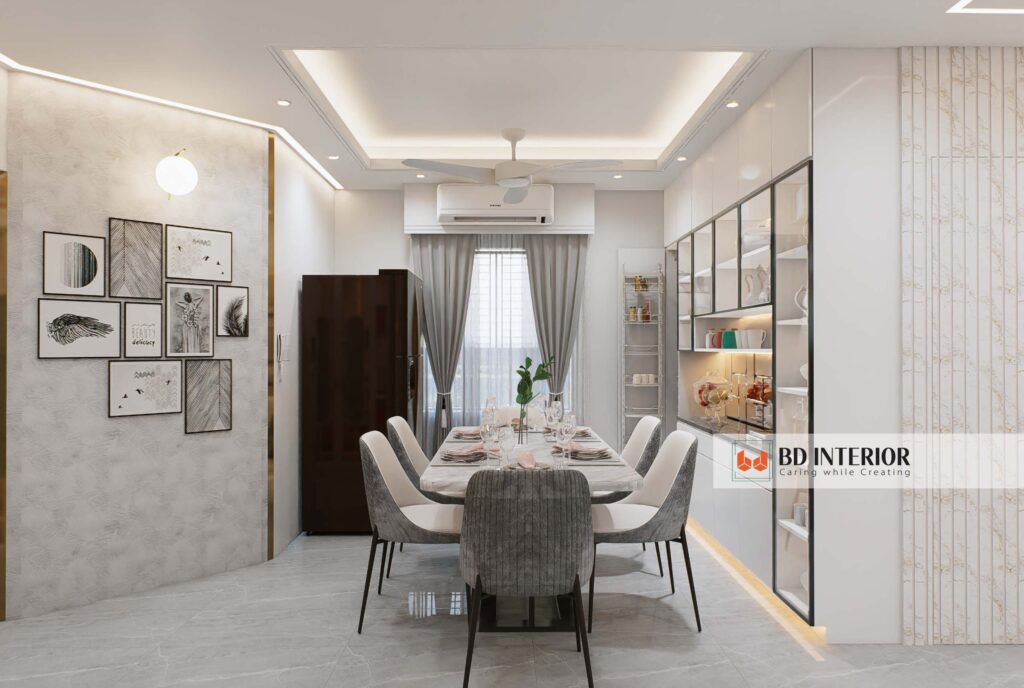
Minimalists still have stuff—books, gadgets, coats—but everything has a home that’s often hidden. Smart storage keeps a minimalist home running.
Think:
- Integrated Cabinets: Floor-to-ceiling, handleless cabinets that blend seamlessly with the wall.
- Multi-functional Furniture: An ottoman with hidden storage, a bed with built-in drawers, a coffee table that lifts to reveal a compartment.
- Closed Storage: Prioritize cabinets and drawers over open shelving, as open shelving can quickly look cluttered.
This is key to keeping things serene. When everything has a place, cleaning is fast and easy.
Quick Action Plan
This week, choose one simple action to increase the natural light in your most-used room. For example, wash the windows or swap heavy curtains for sheers. Afterward, observe and note any changes you notice in your mood or in how the space feels.
Human Side of Minimalism: Voices from the Trenches
Theory is helpful, but what’s this lifestyle really like? I’ve seen how minimalism changes lives—sometimes with ease, sometimes with regret.
Finding Peace in a Cluttered World
For many, minimalism is more than a style—it’s a reaction. As one person explained: “I am 100% a minimalist now because I grew up in a hoarder house. Clean, minimalistic interiors bring me comfort and help me focus.” This highlights the essence: minimalism is psychological, a purposeful response to chaos, offering calm and control.
And the benefits are surprisingly practical. Think about laundry. As one minimalist convert explained, “When you own 300+ items of clothing, laundry seems daunting… Fitting all my clothes into 2 loads means I stay on top of it and don’t mind doing it.” Less stuff equals less management, which means more time and energy for what actually matters.
The Journey and the Remorse: It’s Not Always Easy
Now let’s not paint an overly rosy picture. The process of letting go can be hard. Painful, even. I saw one person wrestling with this: “The hardest part was getting rid of everything that had accumulated over 59 years. Books were the hardest. Now 2 years later, I went to a party at an old friend’s house… and I’m feeling like a huge loser. Does anyone have this remorse?”
This feeling is real and valid. We attach memories and identity to our possessions. The key is to avoid swinging the pendulum too far. As I’ve learned from my own experience, it’s not about a frantic purge. It’s a slow, thoughtful curation. Perhaps the solution isn’t to discard every childhood trinket, but to select the three most meaningful ones and display them beautifully. It’s about shifting your mindset. Or, as expert Brian Gardner says, “I’ve learned that minimalism isn’t about what you own, it’s about why you own it.”
Quick Action Plan
Don’t start with the sentimental stuff. Pick a totally impersonal space, like your junk drawer or the cabinet under the sink. Set a timer for 15 minutes and declutter it. Experience the small win of creating order in a low-stakes area.
How to Start Your Minimalist Interior Design Journey
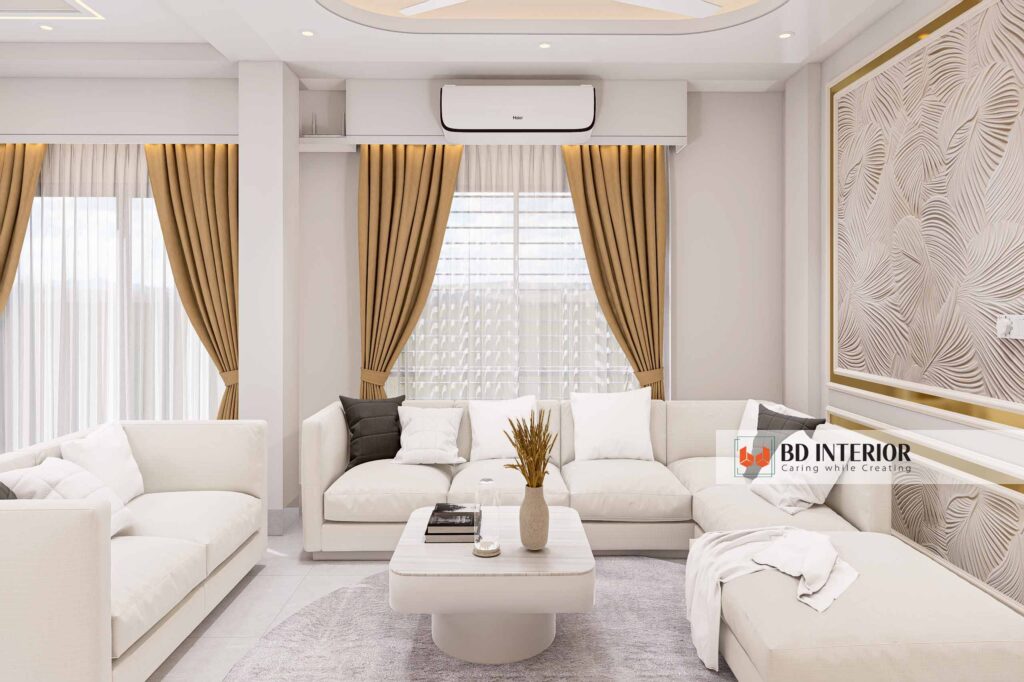
Starting your journey into minimalist design is about taking small, intentional steps, not a radical, overnight overhaul. It’s a gradual process of aligning your physical space with your personal values. This structured approach helps build momentum and ensures the changes you make are lasting and meaningful, avoiding the common pitfalls of regret or overwhelm.
Step 1: Define Your ‘Why’
Before you even think about touching a single object, grab a pen and paper. Ask yourself: Why am I doing this? Do you want more free time? Do you want to save money? Do you crave a peaceful space to de-stress after work? Write it down. This ‘why’ will be your anchor when you’re struggling to let go of that sweater you haven’t worn in five years.
Step 2: One-Room Challenge
Trying to overhaul your entire house at once is a recipe for burnout. Instead, pick one room to start with. And please, don’t make it the most difficult one! Start small. The guest bathroom, the laundry room, or a hallway are perfect candidates. A quick victory will give you the motivation to tackle bigger spaces later.
Step 3: ‘Container’ Concept
This is one of my favorite practical tricks. Instead of vaguely trying to ‘reduce,’ give yourself firm, physical boundaries. For example, decide that all your coffee mugs must fit on a single shelf. All your books must fit in one specific bookcase. The container becomes the natural limit. If a new item comes in, an old one must go out. This simple rule automates the decluttering process for you.
Step 4: Embrace the Slow Burn
Your home didn’t get cluttered in a day, and it won’t become a minimalist haven in a day either. This is a marathon, not a sprint. Take your time. Make thoughtful decisions. It’s better to have an empty corner for a few months while you search for the perfect chair than to fill it with something you don’t love. As architect Claudio Silvestrin warns, there’s too much pressure to copy what’s on Instagram. Your home should be a reflection of you, not a fleeting trend.
Your Minimalist Future Awaits
Minimalist interior design is so much more than an aesthetic. It’s a deliberate choice. It’s the decision to trade clutter for calm, distraction for focus, and excess for intention. It’s about designing a home that serves you, that gives back more than it takes. It’s not about having less; it’s about making room for more of what matters.
Prioritizing what can be removed without losing a room’s essential utility is a professional methodology known as subtractive design, which moves beyond simple decluttering to focus on core architectural purpose.
Industry benchmarks like the AD PRO Directory highlight that the shift toward curated, long-lasting interiors is now the gold standard for high-end residential projects and professional design consultations.
Stripping away the non-essential was a foundational strategy for architect Ludwig Mies van der Rohe, who used structural clarity to amplify the impact of every remaining element in a room.
We see this most clearly in the rise of Japandi, a hybrid style blending Scandinavian functionality with Japanese rustic minimalism to create a perfectly balanced, nature-inspired living environment.
Professional designers treat negative space as a deliberate tool, using the gaps between objects to direct the eye and give the brain a much-needed moment of visual rest.
Much of this tranquility stems from Wabi-sabi, the Japanese art of finding beauty in imperfection and transience, which encourages us to value weathered materials over factory-perfect finishes.
Its structural DNA traces back to the Bauhaus movement, which revolutionized the industry by prioritizing ‘form follows function’ and marrying industrial manufacturing with high-end artistic craftsmanship.
By focusing on quality, texture, light, and purpose, you can create a space that is not only beautiful and serene but also deeply and authentically yours. You can build a sanctuary from the noise of the outside world.
Durability in high-end projects is often ensured by selecting surfaces with thermal shock resistance and UV resistance, protecting the integrity of expensive stone or glass installations from environmental degradation.
Contrasting your space against the vibrant, maximalist textures of designers like Kelly Wearstler can help you define the specific boundaries of your own preference for quiet, edited environments.
Designers often specify porcelain stoneware or large format tiles to minimize grout lines, creating a continuous, expansive floor surface that visually enlarges the perceived dimensions of the room.
Optimizing spatial flow by keeping travel paths completely unobstructed is a key technical requirement that reduces the minor daily frictions often caused by poorly placed furniture or unnecessary decor.
Geometric abstraction and the use of primary planes to organize interior environments were popularized by the De Stijl movement, providing a blueprint for the clean geometric lines seen today.
Luxury is often redefined as the precision of light and shadow by contemporary masters such as John Pawson and Vincent Van Duysen, who prioritize quality over excessive ornamentation.
So, what’s the one area in your home you’re most excited to simplify? Share your journey with us in the comments below!

S.M. Rezaul Haque is a seasoned interior design consultant with 15+ years of experience. An AIUB graduate and Senior Vice President of BIDCOA, he specializes in creating functional, sustainable, and visually inspiring spaces. As the driving force behind BD INTERIOR, he has helped shape 700+ Bangladesh’s most innovative interior design projects.