
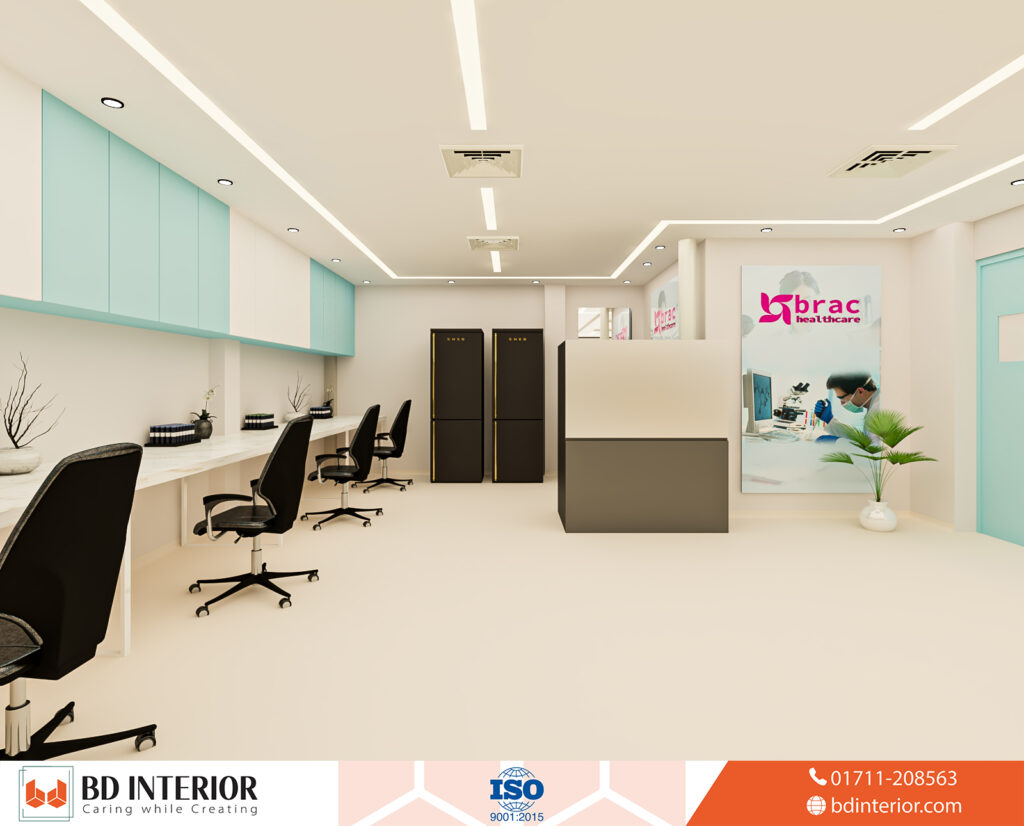
A well-thought-out airline office interior design in Bangladesh can profoundly change how buyers feel and how efficiently staff work. Many current airline offices in Dhaka and/or in other cities are always congested, making waits stressful. Nine times out of ten, investing in smart design goes beyond just looking good; it makes a tangible difference in operations and how happy the majority buying are.
Key Takeaways
- Prioritize seamless customer flow from entry to service, reducing wait times with digital options. About 7 out of 10 passengers get annoyed by long queues, so this is mission-critical.
- Select durable, climate-appropriate materials that are easy to maintain, especially for Bangladesh’s specific weather conditions and high foot traffic.
- Design ergonomic staff workspaces with good lighting and acoustics to boost productivity and employee well-being; a staff member on an online forum once said noisy offices cause constant eye strain.
Why Good Airline Office Design Matters for Your Business
Good airline office design in Bangladesh isn’t merely about aesthetics; it directly impacts operational efficiency, how happy customers are, and brand perception. Think about it: a smooth experience means happier passengers, and happier passengers often become repeat customers. Data shows that customer experience influences purchase decisions for roughly 73% of consumers, so design is a silent salesperson.
Many buyers in Bangladesh express frustration with cramped waiting areas. A lack of privacy at service counters. One online forum user noted, “Many airline offices in Bangladesh feel cramped. With not enough comfortable seating when there’s a delay or a crowd. ” This tells you exactly where the problem is.
A leading Dhaka architect, Interior design company BD INTERIOR, put it simply: “A well-designed airline office isn’t just about aesthetics.
Impact on Customer Journey and Experience
This reflects what I mentioned a while ago, your office layout directly shapes the customer journey. You need clear pathways and straightforward navigation from the moment someone walks in to when they reach service counters and waiting areas, so this isn’t just about politeness; it cuts down on confusion and frustration. Digital self-service kiosks and clear signage are pretty key here, honestly. Reducing queue times by about 20-30% — or at least, in busy periods, according to some studies.
| Design Element | Customer Benefit | Business Impact |
|---|---|---|
| Clear Pathways | Easy navigation, less confusion | Reduced staff inquiries, faster flow |
| Digital Kiosks | Faster check-in/service, less waiting | 20-30% faster queue times, lower operational cost |
| Comfortable Seating | Reduced stress during waits | Improved satisfaction, positive brand image |
Elevating Staff Productivity and Well-being
Don’t forget your staff; they spend countless hours in these offices, and efficient; ergonomic workstations are not a luxury, they’re a requirement. You need good lighting and acoustic separation for focused work. An useee forum discussion highlighted, “Staff workspaces in older (and the data generally agrees) offices are often poorly lit. And noisy, making it challenging to concentrate and causing eye strain. ” This is absolutely spot on.
Yet, context matters heavily.
Poorly designed staff areas can drop productivity by up to 15% due to discomfort and distractions.
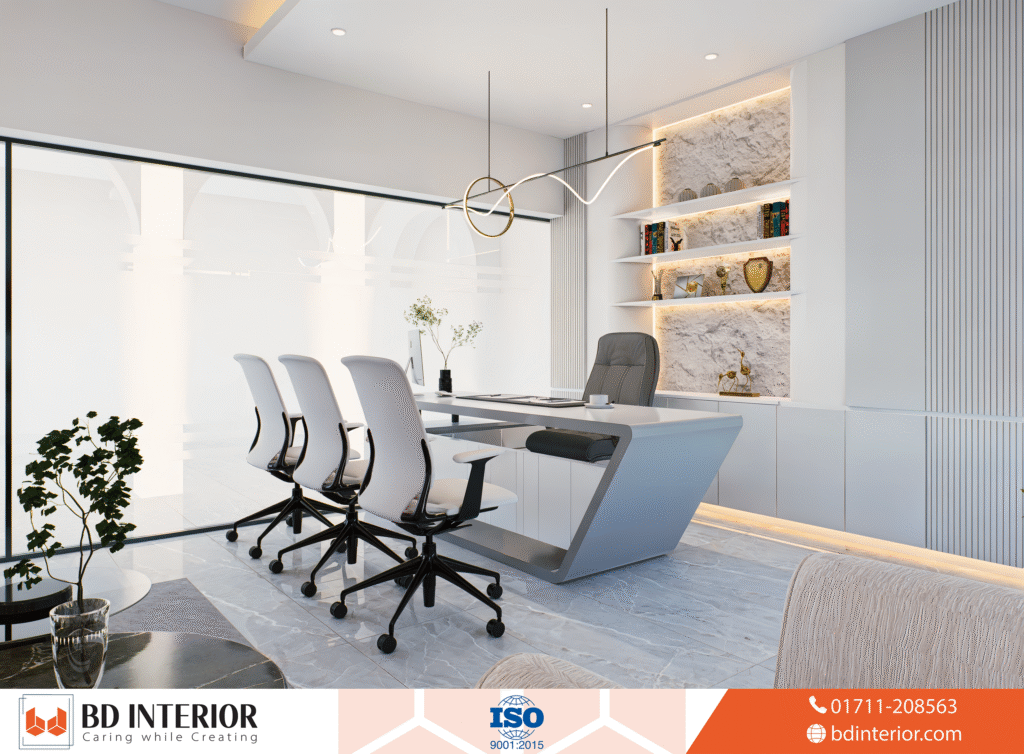
Practical Design Steps for Airline Offices in Bangladesh
Designing an airline office in Bangladesh has unique challenges. But (more on that later) also huge opportunities. You need to balance global design standards with local material availability and cultural sensitivities. More importantly, a principal designer from a major Bangladeshi firm mentioned, “The biggest challenge is balancing modern, global design standards with local material availability. ” This means you can’t just copy-paste international designs.
Material Selection for Durability and Climate
Bangladesh’s climate means you need materials that can really take a beating, and let me tell you — humidity and high foot traffic (and rightly so) demand durable, breeze-to-clean surfaces. Think porcelain tiles for floors, solid laminate or treated wood for counters, and washable paints for walls.
These choices resist wear, are easy to sanitize, and hold up against moisture. To put it simply, about 60% of flooring damage in commercial spaces in humid; or at least, climates comes from moisture and heavy (more on that later) traffic, so choose wisely.
This becomes way more relevant in a moment.
Factors in best flooring options for humid climates for long-lasting results. You need materials that don’t just look great, but perform reliably day in and day out, minimizing future renovation needs. This also helps with low-cost interior design options in Bangladesh over the (which is a critical factor) long run, saving you money.
Integrating Branding and Local Culture
Your brand identity should be clear, but subtle. Plus, use color schemes, textures, and displays that reflect the airline’s identity without being overwhelming. You can also weave in Bangladeshi cultural elements through local artwork, patterns, or even strategically placed traditional crafts.
This makes the space feel unique and welcoming to locals. And international passengers alike, which is pretty cool if you think about it. It’s about setting up a sense of place.
Biophilic design, which means bringing natural elements like plants. And natural light inside, majorly $2 stress.
An interior design consultant in Bangladesh says this is “a critical factor for airline operations.” Seriously. Where the majority often feel tense.
Even simple potted plants can make a big difference in how a space feels, making it calmer for everyone. You know, just adding some greenery makes a room breathe. Though practical limits do exist.
Accessibility and Regulatory Compliance
You absolutely must comply with local building codes, fire safety regulations, and accessibility standards. This means ramps for wheelchairs, clear emergency exits — and proper signage in both Bangla and English. Honestly, ignoring these things isn’t just risky; it’s irresponsible.
Make sure your design plans are reviewed by local experts early on. It can save a lot of headaches later, trust me.
Compliance Readiness Score
Average regulatory compliance for newly designed commercial spaces in Dhaka.
Overcoming Common Design Mistakes in Bangladesh
One common mistake designers make here is underestimating the power of a proper initial consultation. Some try to skip the detailed planning phase to (and rightly so) save a bit of money. But honestly, it almost always costs more in the long run (more on that later) with rework and unhappy clients. On average, about 40% of project overruns happen due to lousy initial planning.
That’s a huge number, you see.
Another frequent slip-up is failing to account for future growth or technology upgrades. An airline office isn’t static.
It asks for adapting to new systems, more staff, or increased passenger volumes; designing with modular furniture, flexible layouts, and easily accessible wiring channels can save a lot of renovation hassle later. ” But a smart designer always factors in scalability. Think about it like this. An interior design process that ignores future asks for is really, really short-sighted.
Poor Acoustic Planning
Noise. It’s a huge problem in loads of Bangladeshi offices.
In reality, especially airline ones, where there’s constant chatter, phone calls, and announcements. People need to hear the staff without a doubt. But (and that implies quite a bit), staff also need to focus.
Many places overlook acoustic panels, sound-absorbing materials, or even painless dividers. This can make a space incredibly chaotic.
A customer review site comment once stated, “I wish airline counters were more private. When discussing flight changes. ” This is a direct result of rough acoustic planning.
It’s not just about noise, it’s about privacy.
Ignoring Local Material Longevity
Choosing materials purely for their initial look, without considering Bangladesh’s exact weather, is a classic blunder. The thing is, the humid climate can quickly degrade certain materials, leading to frequent repairs or replacements.
You need to think about materials that can withstand heat. Moisture and consistent usage.
Using imported, unsuitable materials often leads to a shorter lifespan and higher maintenance costs, sometimes as much as 25% more over five years compared to locally appropriate options. This connects back to the importance of choosing durable flooring for humid climates, as discussed earlier.
It’s a breeze fact that materials need to fit the environment. Keep this in mind; it shows up again soon.
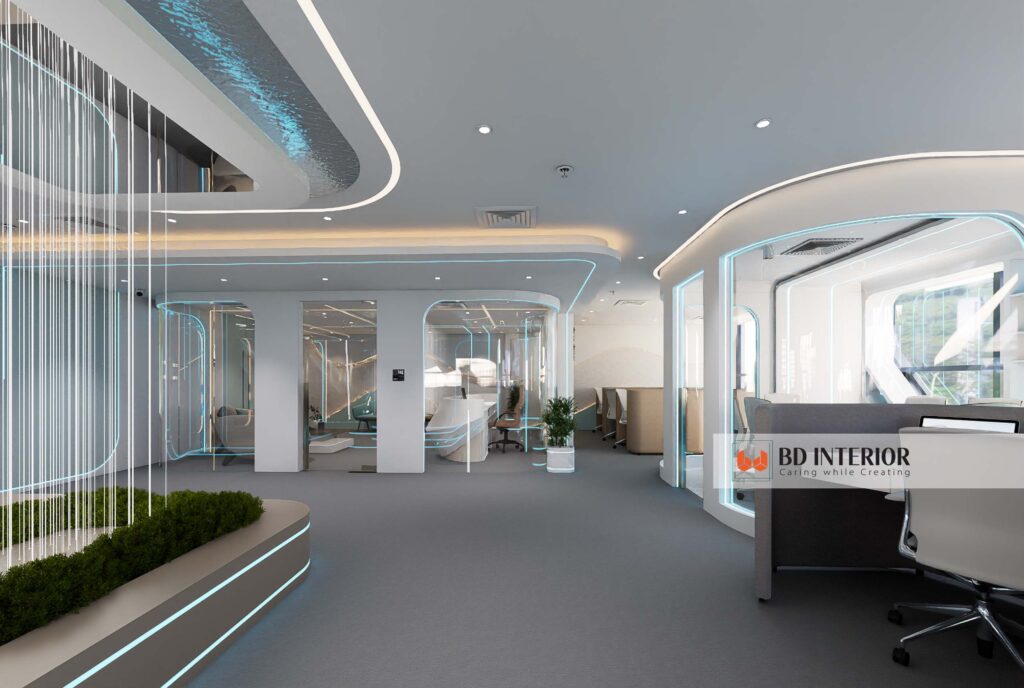
Beyond Aesthetics: Designing for Health and Operational Resilience
Designing for operational resilience and public health has become top, especially after recent global events, and honestly, airline offices, being high-traffic public spaces, absolutely need to lead the way here. Think about that. It’s not just about looking clean. It’s about being clean and safe.
This means thinking about things most people wouldn’t, actually.
Advanced Air Filtration and Ventilation Systems
Looking at this from another angle, most older buildings here rely on basic ventilation, which isn’t enough for an airline office. Installing modern HVAC systems with high-efficiency particulate air (HEPA) filters is (at least in many practical scenarios) no longer a luxury. Weird, right? You know, but a necessity.
These systems can reduce airborne contaminants by over 90%, setting up a much healthier environment for both passengers and staff. You’re reducing the spread of seasonal illnesses. Which means fewer sick days for users and less worry for customers.
It’s a big investment, to be fair. But the payoff in public trust and health is super useful.
Touchless Technologies and Hygiene Stations
Here’s the reality — think about all the touchpoints in an airline office: door handles, counter surfaces, payment terminals. Minimizing these touchpoints dramatically reduces germ transmission.
Setting up touchless technologies, like automatic doors, motion-sensor hand sanitizers, and even touchless payment systems, really improves hygiene. Placing prominent hygiene stations with hand sanitizers every 10-15 feet in customer-facing areas, with clear signage, shows you care.
So what does that mean for you? It’s a simple step. But it makes a huge psychological difference for passengers worried about health. About 82% of travelers now prioritize hygiene in public spaces.
Flexible Space for Social Distancing
Design your waiting areas and queuing lines with flexibility in mind. While current social distancing norms might relax, having the ability to easily reconfigure seating or queue lines for greater separation is smart planning. Think movable partitions or furniture that can be spaced out when needed. This forward-thinking approach makes your office tough to — well, actually, future public health advisories without needing expensive overhauls.
It gives you, the airline, an operational edge, frankly; a new office of Airline Name in Dhaka, as a social media comment noted, is much better, brighter, and open. This open feel naturally helps with flexible spacing.
But this is just one piece of the puzzle. Store this one. It ties everything together later.
Conclusion: Your Next Steps in Airline Office Design
Crafting a proven airline office interior design in Bangladesh isn’t just about making a space look attractive; it’s about building a super functional, safe, and welcoming environment. It means improving customer journeys, boosting staff productivity, and building a stronger brand. By focusing on smart material choices, local cultural integration, strict compliance, and health-conscious design, you can transform your airline (and the data generally agrees) office into a true asset.
Don’t just design for today, design for tomorrow’s roadblocks and opportunities. Take these steps, and you’ll see a real difference, honestly. Though practical limits do exist.
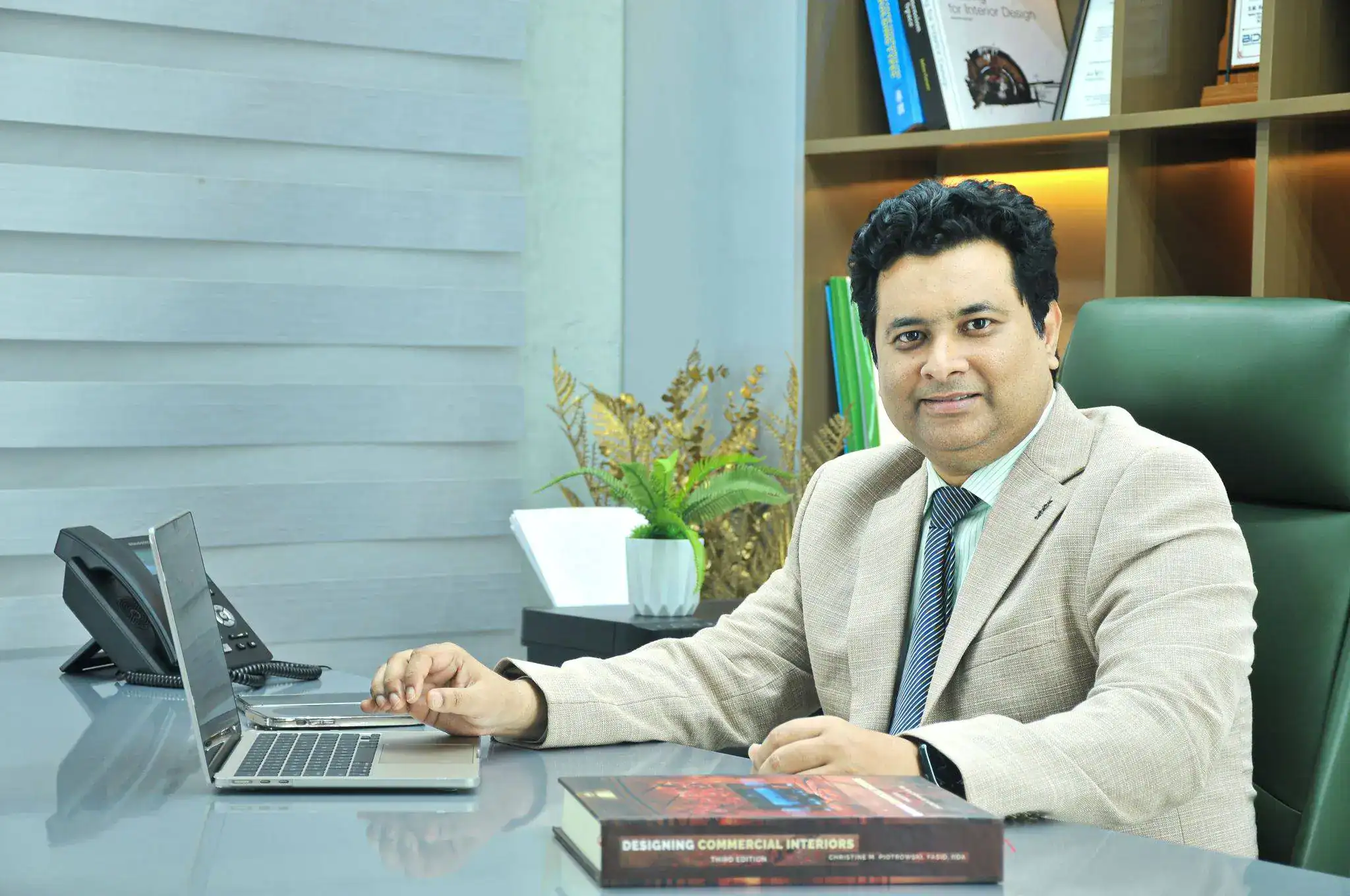
S.M. Rezaul Haque is a seasoned interior design consultant with 15+ years of experience. An AIUB graduate and Senior Vice President of BIDCOA, he specializes in creating functional, sustainable, and visually inspiring spaces. As the driving force behind BD INTERIOR, he has helped shape 700+ Bangladesh’s most innovative interior design projects.