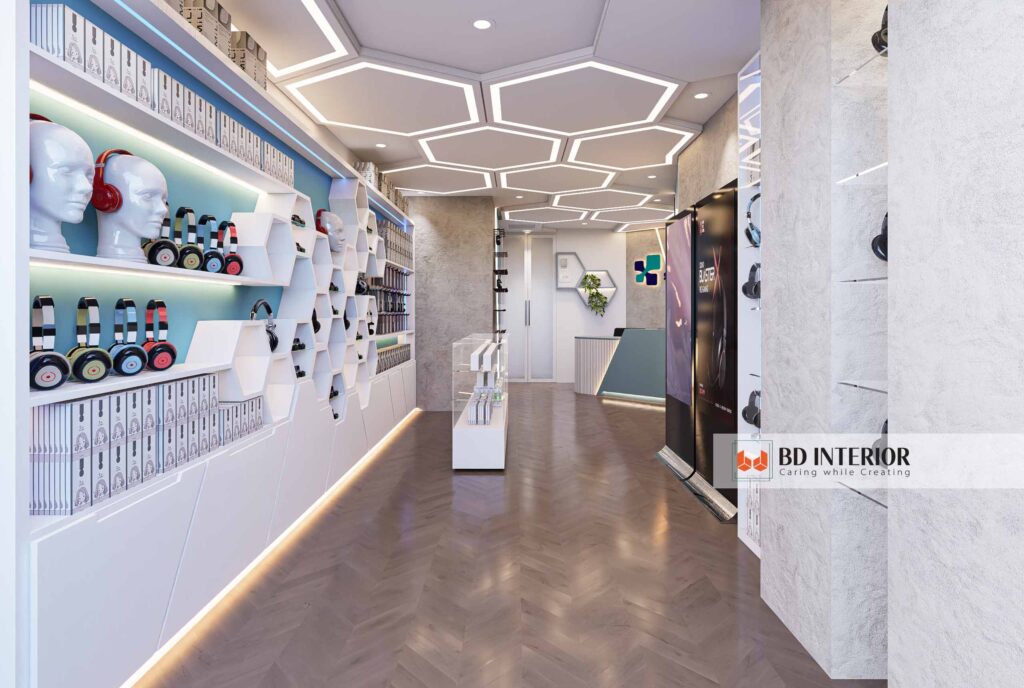
Your shop’s look is like its first hello. In Bangladesh’s vibrant, competitive market, that first impression isn’t just important—it’s everything. Let’s say, walking past two shops selling similar products. One looks dull, cluttered, and forgettable. The other, however, feels welcoming, looks organized, and immediately tells you a story. Which one pulls you in? The answer is clear. Many shop owners here spend a lot, only to find their space blending in, lacking that special deshi touch they envisioned for their customers. This isn’t just about aesthetics; it’s about making your space a silent salesperson, working tirelessly to attract and convert. We know the challenges: finding reliable workers, sticking to a budget, and creating something truly unique. But with smart design, your shop can truly stand out.
Below are your very first quick ideas/actions:
- First Impressions Matter Most: A clean, well-designed shop front and interior immediately attracts customers in Bangladesh’s competitive retail scene.
- Local Materials, Global Appeal: Using local materials like jute or bamboo can create a unique, authentic feel while keeping costs down.
- Seamless Customer Flow: A clear, intuitive layout guides shoppers effortlessly, making their experience pleasant and boosting sales.
Why Your Shop’s Look is Its Best Salesperson
Your shop’s interior design is a powerful, non-verbal communicator that influences customer perception, dwell time, and ultimately, purchasing decisions. It sets the mood, showcases your products, and reinforces your brand’s identity even before a single word is exchanged. In observing market shifts over the last quarter, a clear pattern emerges: well-designed spaces consistently report higher customer engagement.
Many retailers in Bangladesh pour resources into inventory and marketing, but overlook the very space where transactions happen. “My sales went up a lot after I changed my shop’s look. Customers love the open space and how easy it is to find things now!” a happy shop owner shared. That’s the power of good design. It’s an investment, not an expense, directly impacting your bottom line.
Maximizing Small Shop Impact: Designing for Bangladesh’s Compact Spaces
Dhaka’s bustling streets often mean smaller, more compact retail footprints. The key here is smart space utilization. Instead of overwhelming customers, create an illusion of openness. Think clear, unobstructed pathways. This guides customers easily to what they might buy. Shops in Bangladesh desperately need clear paths due to often smaller spaces.
Consider multi-functional furniture or wall-mounted displays that free up floor space. Vertical displays draw the eye upwards, making a small shop feel taller and more expansive. Every corner, every wall, holds potential to either clutter or captivate. An expert once noted, “Understanding the Bangladeshi shopper’s journey, from entry to checkout, is key to a truly effective retail layout.”
Weaving Your Brand’s Story: Beyond Just a Logo
Your shop’s design should tell people what your brand is all about, just like a logo. It’s about creating an atmosphere that resonates with your values and your target audience. This is where your brand comes alive.
Beyond Aesthetics: Storytelling with Local Craft
Using local materials wisely isn’t just about cost savings; it’s about telling a unique story. Things like jute, bamboo, or local wood can make your shop look unique and save money. Plus, it feels like Bangladesh. But go deeper. How can these materials reflect the heritage of your products or the ethos of your brand? Perhaps a wall feature crafted from nakshi kantha patterns or bamboo screens that evoke a serene village vibe. This moves beyond generic “local materials” to a richer cultural narrative. “Many designers push for fancy imported stuff, but I want something that feels truly Bangladeshi and is affordable for my budget,” a retailer complained, highlighting this very need for authenticity.
Smart Spending, Big Impact: Budget-Conscious Design for Bangladeshi Retailers
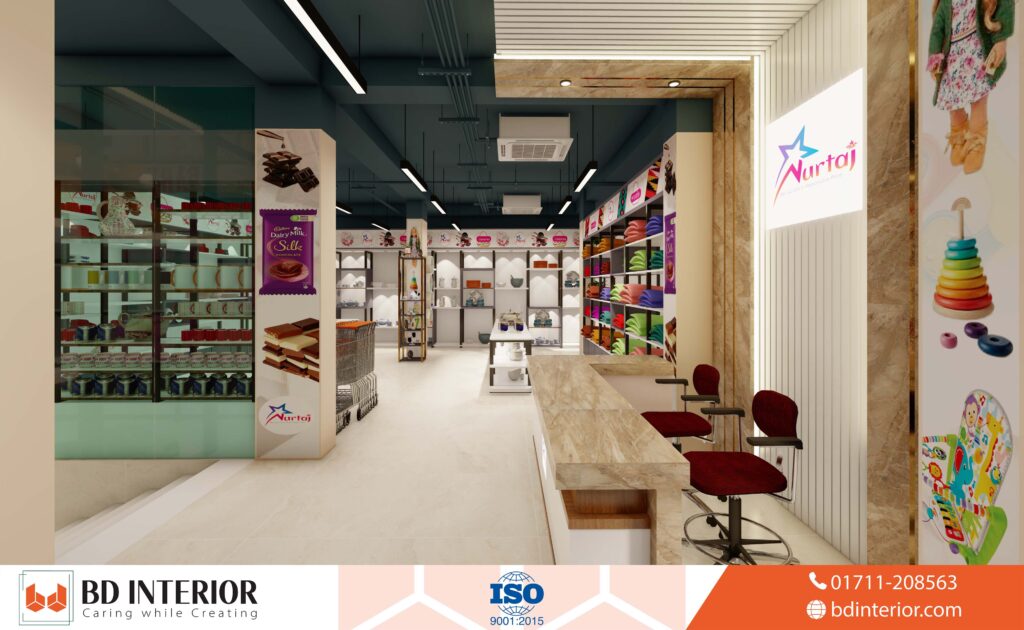
I know what you’re thinking: “Good design costs a fortune!” This is a common misconception, especially in our market. Achieving a posh and inviting look doesn’t require importing expensive fixtures. Smart choices can yield significant results.
Consider this simple breakdown of investment vs. visual impact:
| Design Element | Cost Impact | Visual Impact |
|---|---|---|
| Repainting & Wall Textures | Low-Medium | High |
| Strategic Lighting Updates | Medium | Very High |
| Local Material Fixtures (Jute/Bamboo) | Low-Medium | High |
| Custom Imported Furniture | Very High | Medium-High |
“Sustainability in design isn’t just a trend; using local, eco-friendly materials is a smart business choice for the future in Bangladesh.” – Eco-conscious Designer, Chittagong
Focus on DIY elements where possible. Even a fresh coat of paint in appealing colors can transform a space. “The new colors and lights make a huge difference. My products pop, and people stay longer in my shop,” another happy owner reported. Simple changes, big impact.
The Unseen Hurdles: Navigating Local Renovation Logistics
Building your dream shop in Bangladesh often comes with its own set of unique challenges beyond just design. “Finding good workers who finish on time and within budget in Bangladesh is the hardest part of any shop renovation,” a small business owner lamented on Reddit. This is a real concern.
Common Mistake: Underestimating Project Management
Many shop owners jump into design without a solid plan for execution. This can lead to delays, budget overruns, and a finished product that doesn’t match the vision. Work with reputable contractors who understand local conditions and can manage labor effectively. Secure proper permits beforehand to avoid unexpected disruptions, a reality often encountered in mahallas and commercial areas across Bangladesh.
Engaging All Senses: The Power of Scent and Sound in Bangladeshi Stores
We often focus on what customers see, but what about what they feel, hear, and even smell? Creating an experiential shopping environment involves more than just visual appeal. Let customers touch, try, or even take photos. This is a growing trend in modern retail.
Imagine a clothing store subtly diffusing the scent of fresh beli flowers or a bookstore playing gentle Rabindra Sangeet at a low volume. These elements create a memorable, pleasant atmosphere that encourages lingering and a deeper connection to your brand. It’s a subtle yet powerful way to distinguish your shop in a bustling market.
Illuminating Your Inventory: The Magic of Good Lighting
Good lights make your products shine. Bright, clear lights help customers see items better and feel happy. But don’t just add more lights; use them strategically. Accent lighting can highlight your best-selling items, drawing customer attention like a moth to a flame. Warm lighting in a cozy cafe creates comfort, while bright, cool lighting in an electronics store suggests modernity and efficiency. Digital screens can also add a modern touch, showing ads or product info simply.
Keep it Flexible: Design That Grows With Your Business
Retail is dynamic. Seasons change, new products arrive, and trends evolve. Your shop’s interior should be able to adapt. Keep it neat and easy to change. As your shop grows or seasons change, you should be able to move things around without a lot of trouble.
Modular display units, easily movable fixtures, and a neutral base color palette allow for quick, cost-effective refreshes. This foresight saves you significant Taka and headaches down the line, ensuring your shop always feels fresh and relevant.
Frequently Asked Questions (FAQs)
How much does it cost to design a small retail shop in Bangladesh?
The cost varies widely based on materials, designer fees, and scope. A basic refresh using local materials might start from BDT 50,000 to BDT 1,00,000, while a complete overhaul with custom fixtures and professional design could range from BDT 3,00,000 to over BDT 10,00,000. Focus on value and strategic spending rather than just the lowest bid.
What are the most important elements for a successful shop interior in Bangladesh?
Key elements include a clear customer pathway, effective product lighting, the strategic use of local, authentic materials, and a design that reflects your brand’s unique story. These elements collectively create an inviting and memorable shopping experience.
Can I design my shop interior myself on a tight budget?
Absolutely. With careful planning, research into local suppliers, and a focus on DIY projects like painting or upcycling furniture, you can achieve a remarkable transformation. Prioritize decluttering, good lighting, and a cohesive color scheme. Small, thoughtful touches often make the biggest difference.
How can I make my shop feel more “Bangladeshi” without looking outdated?
Integrate local materials like jute, bamboo, terracotta, or gamcha fabrics in modern ways. Think clean lines, minimalist displays, and contemporary furniture pieces combined with these traditional textures. The goal is to celebrate local heritage with a fresh, contemporary twist, making it feel rooted yet forward-looking.
Take Action: Transform Your Retail Space Today
Your retail shop is more than just a place to sell products; it’s an experience, a statement, and a reflection of your brand’s aspirations. Don’t let a generic or outdated interior hold your business back. Start small, think big, and infuse your unique Bangladeshi spirit into every corner. Your customers will notice, they will linger, and most importantly, they will buy. Make that first hello count. Reach out to a local design consultant today and map out your shop’s new journey.
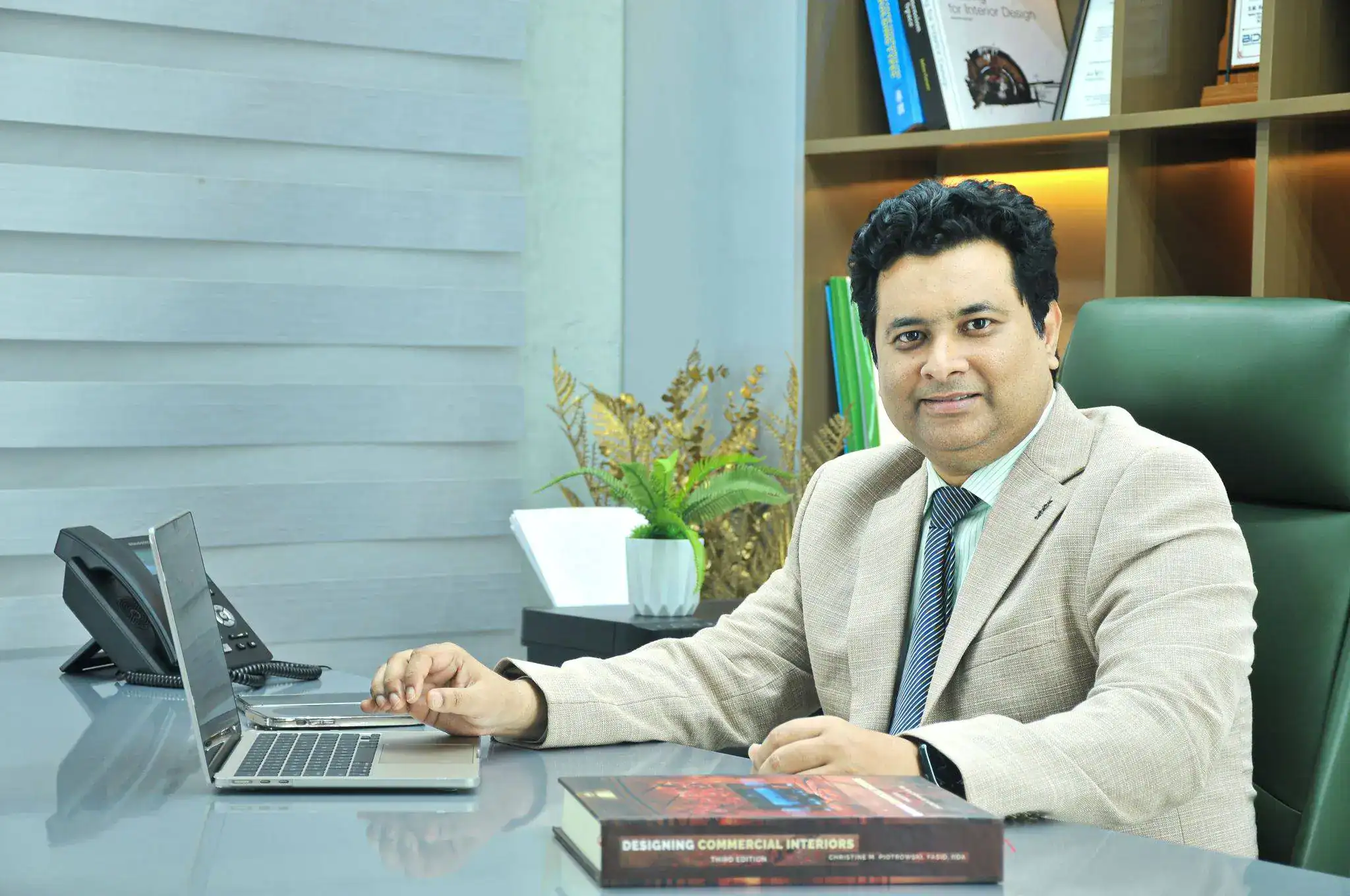
S.M. Rezaul Haque is a seasoned interior design consultant with 15+ years of experience. An AIUB graduate and Senior Vice President of BIDCOA, he specializes in creating functional, sustainable, and visually inspiring spaces. As the driving force behind BD INTERIOR, he has helped shape 700+ Bangladesh’s most innovative interior design projects.