
Dreaming of a home that feels both fresh and utterly comforting? Many homeowners want that perfect blend of old-world charm and today’s easy living. The idea of a “modern cottage” often comes up. But what exactly does that mean? It is easy to worry about your space looking too rustic or sterile.
The good news is that achieving a warm, clean, and inviting modern cottage look is entirely possible. It just takes careful planning.
Modern Cottage Style Defined: Blending Past and Present
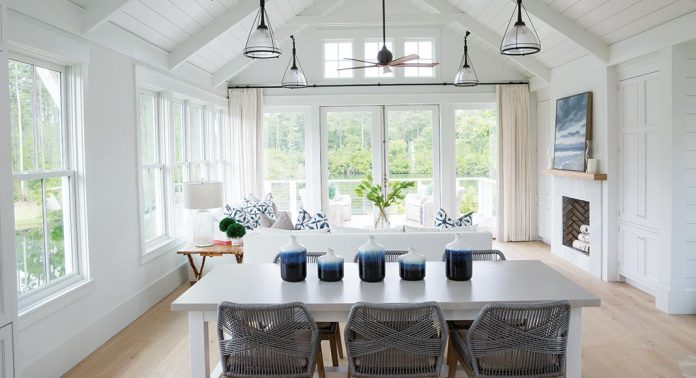
Modern cottage interiors combine old charm with new comfort, using simple lines and soft colors to make homes feel calm and inviting. This style stands apart by valuing natural light, often brought in through large windows. Natural materials like wood floors, stone counters, and soft linen fabrics are key players, grounding the design in organic textures. It’s about a feeling: easy, welcoming, and relaxed.
Think about what makes a classic cottage feel special. It’s the warmth, the connection to nature, and the sense of history. Now, imagine bringing those elements into a space that feels uncluttered and bright, free from heavy patterns or overly distressed finishes. That’s the modern twist. This approach keeps spaces feeling current, avoiding the dated or overly themed looks many want to steer clear of.
Crafting Your Cozy, Bright Cottage Vibe
Creating a modern cottage atmosphere means thoughtfully choosing every element. It’s about intention. You want spaces that breathe, feel open, and welcome natural light.
Light and Space: Your Design Foundation
Natural light is the most important ingredient. Large windows are not just a design choice; they are the heart of this aesthetic. Think about simple window treatments that don’t block light. Thin linen drapes or even bare windows allow sunshine to flood your rooms. What good is a cozy space if it feels dim?
White or very light wall colors reflect light, making rooms feel larger and airier. This creates a calm backdrop. It allows textures and subtle colors to really stand out. Don’t be afraid of white; it’s a foundation, not an endpoint.
Material Choices That Matter
What you touch and see every day shapes how your home feels. Wood floors are a classic choice, offering warmth and natural beauty. Consider lighter wood tones or even painted wood for a fresher feel. Stone counters bring an organic, sturdy quality. They stand up to everyday life while looking elegant.
Soft linen fabrics on sofas, chairs, and bedding add an instant touch of relaxed comfort. These materials are not just pretty; they bring a natural texture that feels good. They invite you to unwind. Remember, this style is about making your home a sanctuary.
Avoiding the Overly Rustic Trap
One common worry? Ending up with a farmhouse look instead of a modern cottage. It’s a real concern. Many homeowners struggled to find the right couch that wasn’t too rustic or too focused on clean lines to avoid distressed wood. The secret? Focus on simple forms and minimal details. Skip the excessive shiplap and barn doors. Choose furniture with straight lines or gentle curves, not chunky, overly worn pieces. A sleek, minimalist lamp can pair beautifully with your grandmother’s old dresser, creating a personal, cozy feel without going overboard. It’s about balance: less country, more fresh comfort.
Bringing Nature Inside (Biophilic Design)
Connecting with nature indoors, known as biophilic design, is a big trend in modern cottage style. This means lots of plants. Big leafy greens, delicate ferns, or flowering plants bring life and color into every room. Do you have a view of green spaces outside? Frame it. Large windows are perfect for this. They turn your garden into living art. Even a small balcony or patio can become an extension of your indoor aesthetic. This connection makes rooms feel alive, not just decorated.
Smart & Sustainable Choices for Your Home
Modern living often means making choices that are good for the planet and good for your daily routine. The modern cottage blends these ideas seamlessly.
Eco-Friendly Materials and Furnishings
Many homeowners now choose planet-friendly options. Think about furniture made from recycled materials or locally sourced wood. Vintage finds also fit perfectly. These choices show care for our world and give your home a unique story. Clients are asking for reclaimed wood and pieces from local artists more than ever, seeking an authentic look. This isn’t just a trend; it’s a shift towards mindful living. Why buy new when something with history offers more character and less environmental impact?
Measuring Your Green Impact
Understanding the impact of your choices helps. Consider these factors when picking materials:
Sustainability Focus in Modern Cottage Design
Recycled Content:
Local Sourcing:
Vintage/Reclaimed:
Based on client preference data for eco-friendly material selection.
Practical Fabrics for Real Life
“It’s hard to keep light rugs and slipcovers clean, especially with pets,” is a common complaint. This is a valid point. Modern cottage often uses light colors, which can show dirt easily. The solution lies in choosing performance fabrics. Many options today look and feel like natural linen but resist stains and wear. Look for washable slipcovers for sofas and chairs. Outdoor rugs, even used indoors, can offer surprising durability and style. They stand up to heavy traffic and pet accidents. Don’t sacrifice beauty for practicality; find both.
Seamless Tech Integration for Effortless Living
The cozy charm of a cottage doesn’t mean you must live without modern conveniences. Smart home tech can blend in without spoiling the look.
Hidden Comforts, Modern Convenience
Smart home tech, like hidden smart lights and thermostats, is quietly put into homes to add modern comfort without losing the cozy look. Think about lights you can control with your voice, hidden behind classic lampshades. Or smart thermostats that learn your habits, tucked away discreetly on a wall. These tools offer convenience, making your life easier. But they don’t scream “technology.” Your cottage can be smart and beautiful at the same time. The goal is invisible comfort. How about smart speakers that disappear into a custom-built shelf, playing soft music without drawing attention to their presence?
When to Go Smart, When to Keep it Simple
Not every item needs to be smart. Decide which tech truly improves your daily life. Smart lighting for ambiance and energy saving? Yes. A smart coffee maker that clashes with your kitchen’s aesthetic? Maybe not. It’s about thoughtful additions. You don’t need a gadget for everything. Choose impact over quantity.
Overcoming Common Design Hurdles
Even with clear ideas, bringing a vision to life can be challenging. Many people run into similar problems.
One user loved the bright, simple living room but found it hard to get the right couch that wasn’t too rustic. The key, as expert Sarah L., an Interior Designer, says, is “balancing a homey feel with clean design. Think comfy linen sofas with sleek, minimalist lighting.” This means consciously choosing pieces that have a relaxed, inviting quality but maintain a modern shape. Avoid overstuffed, highly patterned, or overly ornate furniture.
Another concern was making sure the space didn’t feel too plain or sterile. This happens when clean lines lack warmth. The answer? Texture and layers. Add plenty of plants, as one homeowner suggested. Textured pillows, woven throws, and natural wood accents instantly warm up a space. A chunky knit blanket on a sleek sofa or a patterned rug under a simple dining table makes a big difference. These small touches add depth and personality. It moves the space from merely “clean” to genuinely “cozy.”
Mark T., a Home Design Expert, warns, “Don’t just add shiplap everywhere; focus on quality natural materials and light. It’s about feeling, not just looking.” This hits on a crucial point: authenticity. Choose materials that feel good, that age well, and that connect to the natural world. A well-crafted wooden table or a beautiful stone fireplace speaks volumes without needing excessive trendy details.
Your Modern Cottage Awaits
Embracing modern cottage style means creating a home that truly reflects who you are: someone who values peace, beauty, and practicality. It’s about blending the best of both worlds – the serene comfort of a classic retreat with the effortless ease of contemporary living. You can have a bright, inviting home that feels personal and new, without getting stuck in a dated look. Start small. Pick one room. How can you bring in more natural light? What simple, natural materials can you add? Your perfect cozy haven is within reach. Why wait to make your home the sanctuary you deserve?
FAQs About Modern Cottage Interiors
What colors work best for a modern cottage look?
Light, soft, and neutral colors are best. Think whites, creams, pale grays, and soft greens or blues. These colors create a calm backdrop and make spaces feel open and bright. Avoid overly bold or dark colors that can weigh down the airy feel.
Can I mix antique furniture with modern pieces?
Absolutely, yes! Mixing antique furniture with modern pieces is a hallmark of this style. It adds personality and depth. Just ensure the antique pieces have simpler lines or can be updated (e.g., painted white) to fit the clean aesthetic. Avoid pieces that are too ornate or heavy.
How do I stop my modern cottage from looking too cold or sterile?
Add texture, warmth, and natural elements. Use soft fabrics like linen, wool, and cotton. Bring in plants. Incorporate wood tones and woven elements like baskets or rugs. Layer lighting with lamps to create soft glows. These elements prevent a sterile feeling and make the space inviting.
What are some common mistakes to avoid in modern cottage design?
Avoid going too heavy on rustic elements like excessive distressed wood or shiplap, which can lean into a farmhouse look. Don’t neglect practical fabric choices for light-colored items, especially with pets or kids. Also, avoid overcrowding spaces; simplicity is key to the modern feel. Focus on quality over quantity.
S.M. Rezaul Haque is a seasoned interior design consultant with 15+ years of experience. An AIUB graduate and Senior Vice President of BIDCOA, he specializes in creating functional, sustainable, and visually inspiring spaces. As the driving force behind BD INTERIOR, he has helped shape 700+ Bangladesh’s most innovative interior design projects.