
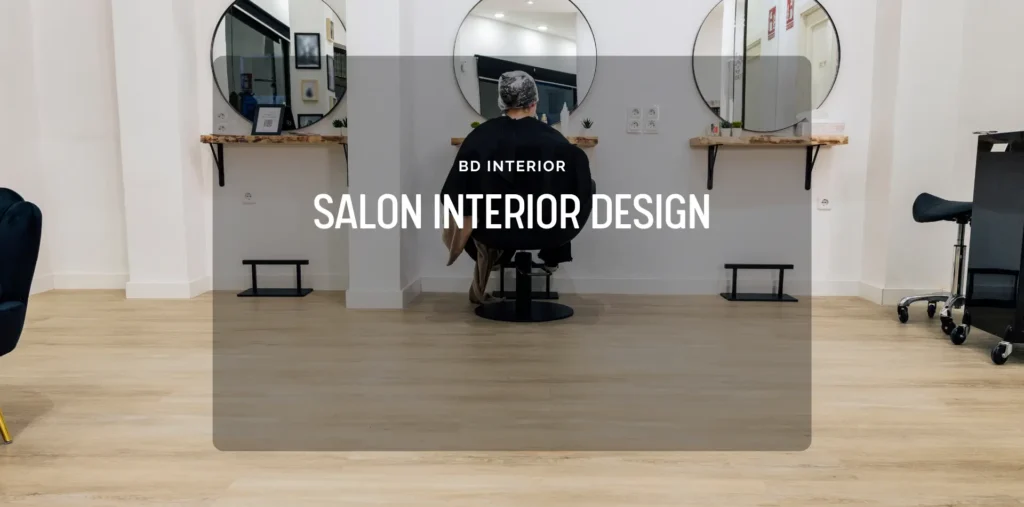
Every salon owner in Bangladesh dreams of a place where clients feel special, where every detail speaks of quality, and where the cash register rings a little louder. But let’s be honest, transforming that dream into reality, especially when clients complain about uncomfortable chairs or unflattering lighting, feels like a monumental task. “My back always hurts in those hard waiting chairs. Why don’t salons have comfier options?” – a real feeling echoed by many. It’s not just about looking good; it’s about making your clients feel good, from the moment they step through your door until they leave, shining. If your salon’s interior isn’t doing that, you’re not just losing aesthetics; you’re losing money and future business.
Key Takeaways
- Client Comfort is King: Prioritize plush seating, ergonomic styling stations, and effective sound management to create a welcoming, relaxing atmosphere that encourages repeat visits.
- Lighting Elevates Everything: Combine bright task lighting for accurate color work with soft ambient lighting for relaxation, ensuring natural light is maximized to make clients and their hair look their best.
- Strategic Design Drives Business: Plan your layout for seamless client flow, integrate your brand identity, and incorporate modern amenities and eco-friendly practices to enhance the overall experience and boost your salon’s reputation.
Problem: Why Your Salon’s Design Might Be Costing You Clients
Many salon owners overlook how deeply interior design impacts their bottom line, believing aesthetics are secondary to service. This is a fundamental error. Your salon’s look and feel directly influence client perception, comfort, and ultimately, their decision to return. A poorly designed salon often leads to client discomfort, operational inefficiencies, and a diluted brand message, pushing potential profits out the door. Imagine a client feeling uneasy. “The lighting in my old salon made my hair color look dull, but then I’d step outside and it was perfect. Very confusing!” This isn’t just confusing; it breaks trust. If clients can’t trust what they see inside your salon, they won’t trust you with their hair. “The biggest mistake owners make is cheaping out on lighting,” warns Dr. Emily Chen, a Commercial Lighting Expert. “If your clients can’t trust the color of their hair in your salon, they won’t trust you.” This is a critical, yet often ignored, investment.
Hidden Costs of a Subpar Salon Space
Ignoring your salon’s interior design isn’t just about missing out on compliments; it’s about active harm to your business. Uncomfortable seating, like those hard waiting chairs, directly causes negative reviews and client churn. “Ergonomics isn’t just for staff; uncomfortable client chairs are a top reason for bad reviews. Invest in comfort from head to toe,” advises Mark Johnson, Hospitality Interior Architect. Think about the cumulative effect: a client leaves with a sore back, another is unhappy with their hair color’s perceived tone, and a third couldn’t relax due to noise. Each negative experience chips away at your reputation, turning potential referrals into lost opportunities. Your employees also suffer, leading to lower morale and higher turnover if the space is not functional.
Common Mistake: Thinking Functionality Trumps Client Experience
Many salon owners prioritize fitting as many stations as possible into a space, or choosing durable but unattractive materials, believing functionality is the sole driver. However, true functionality in a salon must include the client’s emotional and physical comfort. A cramped, sterile, or noisy environment, no matter how efficient for staff, will drive clients away. The space must be both practical and profoundly welcoming. It’s a delicate balance, often misunderstood.
| Design Element | Negative Impact (Without Care) | Positive Impact (With Care) |
|---|---|---|
| Seating | Client discomfort, negative reviews | Relaxation, longer stays, positive feedback |
| Lighting | Inaccurate color perception, eye strain | Accurate color, elevated mood, natural beauty |
| Noise | Stress, inability to relax, client annoyance | Calm atmosphere, enhanced relaxation |
| Cleanliness | Unprofessional image, health concerns | Trust, comfort, premium feel |
Create a Client-Centric Salon that Converts
A well-designed salon isn’t just pretty; it’s a powerful marketing tool that builds loyalty and boosts revenue. The solution lies in a holistic approach, where every design choice serves both aesthetic appeal and practical client needs. Sarah Miller, a Renowned Salon Design Consultant, puts it perfectly: “A salon’s design is more than just how it looks; it’s how it makes clients feel. That feeling is what makes them return.” This means thinking beyond mere decoration and focusing on the entire client journey, from their first impression to their final reflection.
Client Journey Mapping: Designing Every Step
Consider the entire path a client takes. From the moment they arrive at your salon, maybe checking their phone for updates on a new AI in their iPhone or managing their battery life while waiting, every step should be seamless. Does the reception area feel inviting? Can they easily find a comfortable spot? Is the path to their styling chair clear and uncluttered? A good plan keeps things from feeling crowded. Think about the washing station – is it a serene escape or a noisy ordeal? This continuous flow is key. A salon with wide doorways, ramps if needed, and easy-to-use restrooms shows you care about every client.
Lighting: The Unsung Hero of Salon Success
Getting lighting right is crucial. You need bright, true-color lights for precise styling and color application, so hues look real. But softer, warmer lights create a relaxing mood in waiting or washing areas. Don’t forget the magic of natural sunlight; it makes everyone look and feel better. Investing in quality LED lighting can drastically improve color accuracy and client satisfaction. Imagine how an Android’s new threat could make someone anxious, so providing a calm, well-lit environment is even more essential. This thoughtful balance elevates the entire client experience.
Material Choices & Local Flair: Building Your Brand’s Identity
Your salon’s look should clearly show off your brand. Pick colors and materials that match your unique style and feel. Choose tough, easy-to-clean surfaces for floors and counters, especially in Bangladesh’s often humid climate, ensuring your investment lasts. Add soft textures like nice fabrics to make clients feel cozy. Integrating local artistry and cultural elements can differentiate your salon significantly. Think about intricate ‘Nakshi Kantha’ patterns subtly woven into upholstery or wall art, traditional terracotta elements, or a beautifully carved wooden reception desk crafted by local artisans. This isn’t just decor; it’s an anchor, rooting your brand in local identity and appealing deeply to the Bangladeshi clientele. A unique, culturally relevant design makes a lasting impression, far beyond generic modern aesthetics.
Testimony & Transformation: See the Difference Good Design Makes
When a salon invests wisely in its interior, the transformation is palpable. Clients notice. “I love how clean and organized my new salon is. It just feels welcoming and makes me want to stay longer,” shared a happy client on a local review site. This isn’t just about cleanliness; it’s about the design facilitating that feeling. Easy-to-clean materials and fresh air circulation contribute directly to health and comfort. This leads to a higher client retention rate and more positive word-of-mouth. Imagine your salon becoming the go-to place in Dhaka, not just for exceptional services, but for its unparalleled atmosphere.
Your Blueprint for a Profitable Salon Interior
Here’s how to put these insights into action. This isn’t just about spending money; it’s about investing strategically. Each step is designed to bring a tangible return, making your salon a beloved destination.
Strategic Product Display Zones: Beyond Just Shelves
Don’t just place products; design experience-driven retail zones. Position product displays near waiting areas or styling stations where clients have downtime. Use focused lighting to highlight key items. Create a ‘discovery’ table with testers. Think about the flow: clients leaving the wash area might be more receptive to hair care products. A beautifully designed display that tells a story, rather than just showing products, encourages impulse buys. Perhaps highlight locally sourced, organic hair treatments, appealing to the growing health-conscious market in Bangladesh. This transforms product display into an interactive sales opportunity.
Acoustic Design Solutions: Creating Calm Amidst the Buzz
“It was so loud with all the dryers and chat; I couldn’t even relax during my hair wash. They need better soundproofing,” is a common complaint. This is where acoustic design shines. In styling areas, sound-absorbing ceiling panels or wall treatments can significantly reduce dryer noise. For wash stations, consider a completely separate, enclosed room with sound-dampening insulation. Using water features or soft, ambient music in relaxation zones can mask residual noise. Even heavy drapes or fabric partitions can help. This isn’t an afterthought; it’s a foundational element for a truly relaxing experience.
Technology Integration: Smart Touches, Happy Clients
Modern touches make a big difference. Think about charging spots for phones at every station, fast Wi-Fi, or even smart mirrors that let clients preview their new look. “This salon had charging ports at every station and comfy chairs. Little things like that make a huge difference!” These amenities show you understand modern client needs. For example, a smart mirror could let a client compare different hairstyles side-by-side, enhancing their consultation and decision-making.
Green Design: Show You Care
Embrace eco-friendly practices. Use energy-saving LED lights and water-saving faucets. Choose building materials that are good for the Earth. This not only saves you money on utility bills but also tells clients you care about the world, a value increasingly important to consumers. This resonates strongly with a generation aware of climate change, making your salon a responsible choice.
Future-Proofing Your Salon: Design for Longevity & Adaptability
Your initial design is a significant investment. How do you ensure it stays relevant? Design for flexibility. Use modular furniture that can be rearranged for different events or services. Choose a timeless base palette for walls and floors, then introduce trendy colors or seasonal themes through easily changeable accessories, artwork, or textiles. This allows you to refresh your salon’s look without expensive, full-scale renovations every few years, giving you agility in an ever-evolving market. Think of it like dressing up a classic ‘saree’ – the basic fabric is timeless, but the embellishments change with fashion.
Conclusion: Design Your Way to Unrivaled Success
Investing in professional salon interior design is not an expense; it’s a strategic investment in your business’s future. By focusing on client comfort, smart lighting, brand integration, and modern amenities, you create more than just a beautiful space. You build an experience that fosters loyalty, generates positive buzz, and ultimately, boosts your profits. Don’t let your salon be just another shop; make it an unforgettable destination in Bangladesh. It’s time to stop losing clients to discomfort and start winning them with a thoughtfully crafted environment.
Quick Action Plan
- Assess Your Current Space: Walk through your salon from a client’s perspective. Where are the pain points?
- Prioritize Comfort: Invest in ergonomic chairs and noise reduction solutions.
- Optimize Lighting: Get an expert opinion on task and ambient lighting in your salon.
- Embrace Your Brand: Ensure colors, materials, and local elements consistently tell your salon’s story.
- Plan for Modernity: Integrate charging stations and fast Wi-Fi now.
FAQs
What is the most important aspect of salon interior design?
Client comfort and clear flow are paramount. If clients are uncomfortable or confused about where to go, even the most beautiful decor falls flat. Prioritize ergonomic seating, logical layout, and welcoming pathways to ensure a smooth, pleasant experience for every visitor. This foundational comfort encourages relaxation and repeat business.
How can I make a small salon feel more spacious?
Utilize mirrors strategically, choose light color palettes, and opt for multi-functional or wall-mounted furniture. Large mirrors create an illusion of depth, reflecting light and making a room feel twice its size. Light colors on walls and floors open up the space, while furniture that serves multiple purposes (like a console that’s both a retail display and a waiting area table) minimizes clutter and maximizes utility. Consider vertical storage to free up floor space.
Is investing in professional salon design really worth the cost?
Absolutely, it’s a critical investment, not an expense. A professional designer understands client psychology, optimal flow, lighting needs, and durable, easy-to-maintain materials. Their expertise translates directly into increased client satisfaction, higher client retention, positive reviews, and ultimately, a significant boost in your salon’s profitability and brand reputation, paying for itself many times over.
How do I choose the right color scheme for my salon?
Select a color scheme that reflects your brand identity and desired atmosphere. For a calming effect, use muted tones like soft greens or blues. For an energetic or modern vibe, consider bolder accents against a neutral base. Always test colors under your salon’s actual lighting conditions, as natural and artificial light can drastically alter how colors appear. Local preferences in Bangladesh might lean towards vibrant yet harmonious shades.
What are some affordable ways to update my salon’s interior?
Small, strategic changes can make a big impact without breaking the bank. Focus on upgrading lighting fixtures (especially to energy-efficient LEDs), adding comfortable cushions or throws to existing seating, introducing new artwork or plants, decluttering and reorganizing product displays, and giving walls a fresh coat of paint in a carefully chosen color. Even a simple, well-placed scent diffuser can dramatically alter the ambiance.
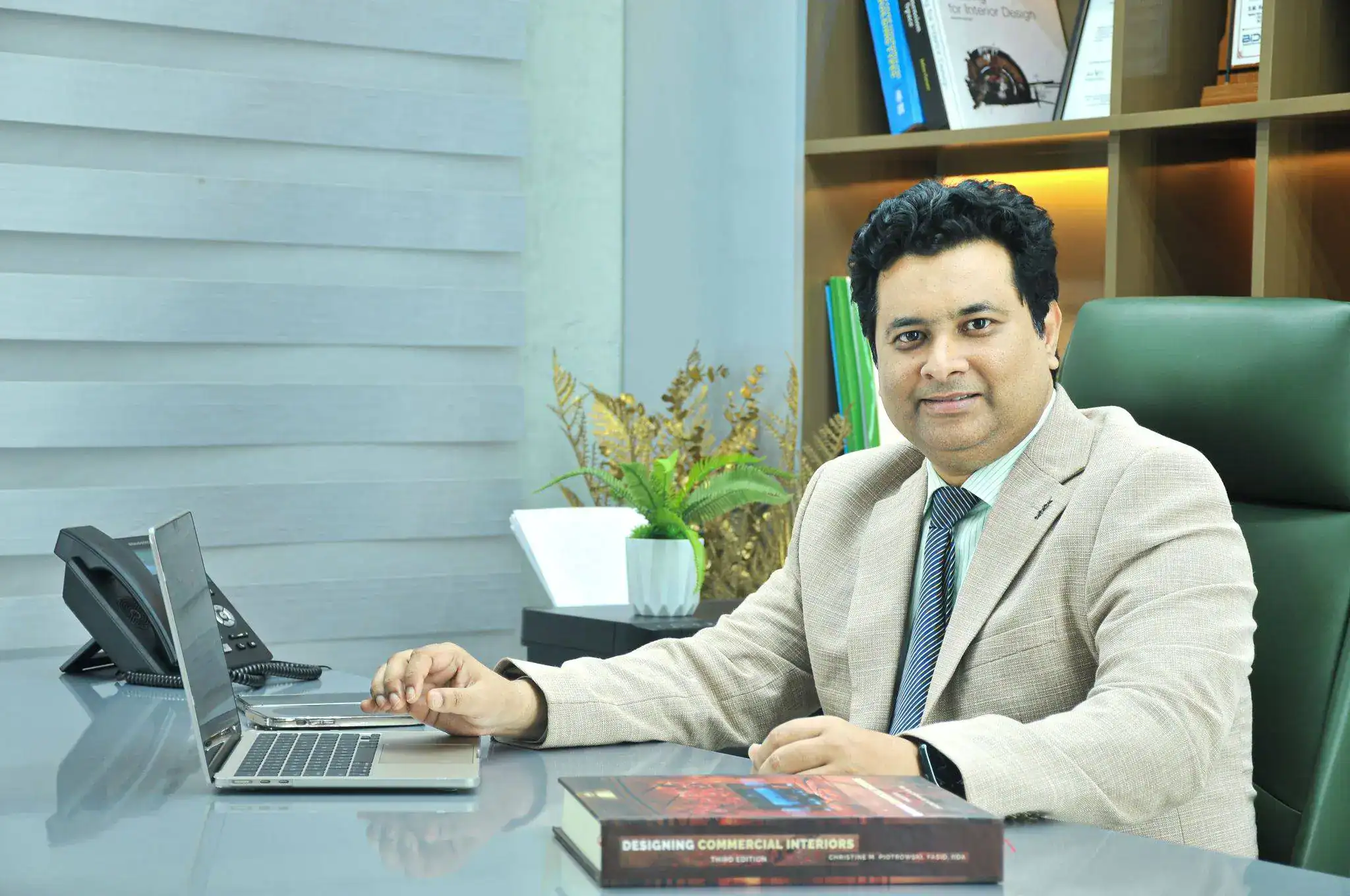
S.M. Rezaul Haque is a seasoned interior design consultant with 15+ years of experience. An AIUB graduate and Senior Vice President of BIDCOA, he specializes in creating functional, sustainable, and visually inspiring spaces. As the driving force behind BD INTERIOR, he has helped shape 700+ Bangladesh’s most innovative interior design projects.