
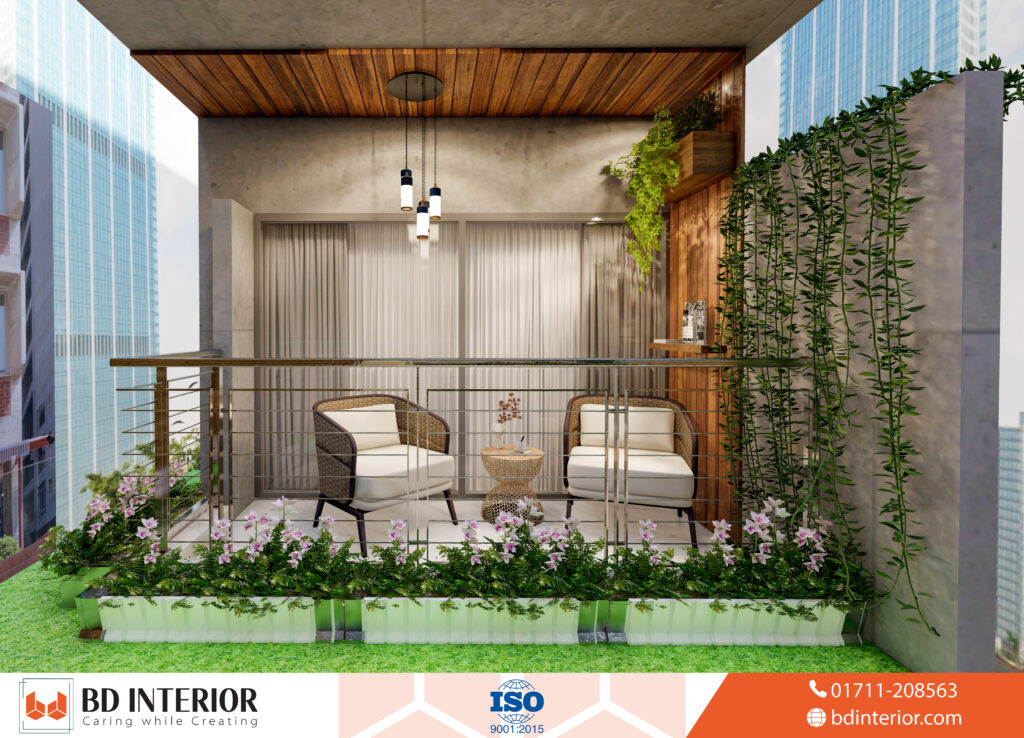
Bringing nature inside has become a popular way to refresh living spaces. Using plants in your interior design makes your home healthier and more attractive, helping you feel closer to nature, even in the city. No matter where you live in Bangladesh, adding plants to your home has many advantages. Learn how to create lively, plant-filled rooms that fit our tropical weather.
Why Interior Design with Plants is Trending in Bangladesh Right Now
Homeowners in Bangladesh are rethinking how they use their spaces. With city pollution on the rise, many people want cleaner air at home. Plants help by filtering toxins and adding oxygen, making homes healthier. NASA studies have shown that common houseplants can remove harmful chemicals, so more families are choosing to bring plants indoors.
People are more aware of health these days, which is driving this trend. Young professionals and families now focus on making their homes healthier. They know that plants can reduce stress and improve mood. Studies show that having indoor plants can lower anxiety by up to 37%, which is especially important in our busy cities.
Social Media Influence and Modern Aesthetics
Instagram and Pinterest feature plant-filled homes. Social media platforms like Instagram and Pinterest are full of plant-filled homes. Bangladeshi designers often share amazing interior online, inspiring many people. The hashtag #PlantParentsBD has become popular, bringing together a community of plant lovers. It’s now simple—not expensive or complex. Adding a monstera or pothos creates impact. Young homeowners embrace this accessible style without major renovations.
Economic and Practical Benefits
Plants offer affordable décor compared to art. A fern costs less than wall hangings and provides ongoing appeal. Many species propagate easily, allowing you to expand your collection with little expense.
Plants are also popular among people who rent or live in apartments. Since tenants often can’t make permanent changes, plants offer a flexible and eye-catching way to decorate that you can move or change anytime.

Best Indoor Plants for Bangladesh’s Climate and Interior Spaces
Starting your plant journey? Choose species that forgive mistakes and thrive in our climate. Snake plants (Sansevieria) top this list. They survive neglect and tolerate low light. They need watering only every two weeks. They’re perfect for busy professionals.
Pothos, or money plants, thrive in Bangladesh. They handle humidity well and adapt to different lighting conditions. Grow them in water or soil. Their vines create elegant shelf or hanging displays.
ZZ plants (Zamioculcas zamiifolia) are also very easy to care for. Their shiny leaves look stylish in any modern home. They can handle power cuts and don’t mind if you sometimes forget to water them. Their roots store water, so they can go a while without being watered.
Air-Purifying Plants for Healthier Homes
Peace lilies are great for cleaning the air inside your home. They remove chemicals like benzene, formaldehyde, and ammonia, which are often found in furniture and cleaning products. Their white flowers look elegant, too. When they need water, their leaves droop a little, but they recover quickly after you water them.
Spider plants grow fast and make a lot of oxygen while filtering out carbon monoxide. If you hang them by a window, they’ll grow small offshoots, or “babies,” that you can share with friends. They’re hardy and safe for pets.
Areca palms add a tropical feel to your home and help clean the air. They also release moisture, which helps keep air-conditioned rooms from getting too dry. These palms grow tall, so they’re perfect for filling empty corners.
Statement Plants for Design Impact
Monstera deliciosa delivers drama with split leaves. It thrives in Bangladesh’s humidity and grows large. Place near bright, indirect light. Its form suits contemporary and traditional interiors.
Rubber plants (Ficus elastica) have bold, shiny leaves that come in green or burgundy. They grow upright, making them a good fit for narrow spaces. Their strong look can help tie a room together. With regular care, they grow beautifully.
Fiddle leaf figs are known for their large, violin-shaped leaves and are popular on Instagram. They can be a bit tricky at first, but once they adjust, they do well in our climate. Keep them away from direct afternoon sun to prevent their leaves from burning.

Plant Placement Strategies for Every Room in Your Bangladeshi Home
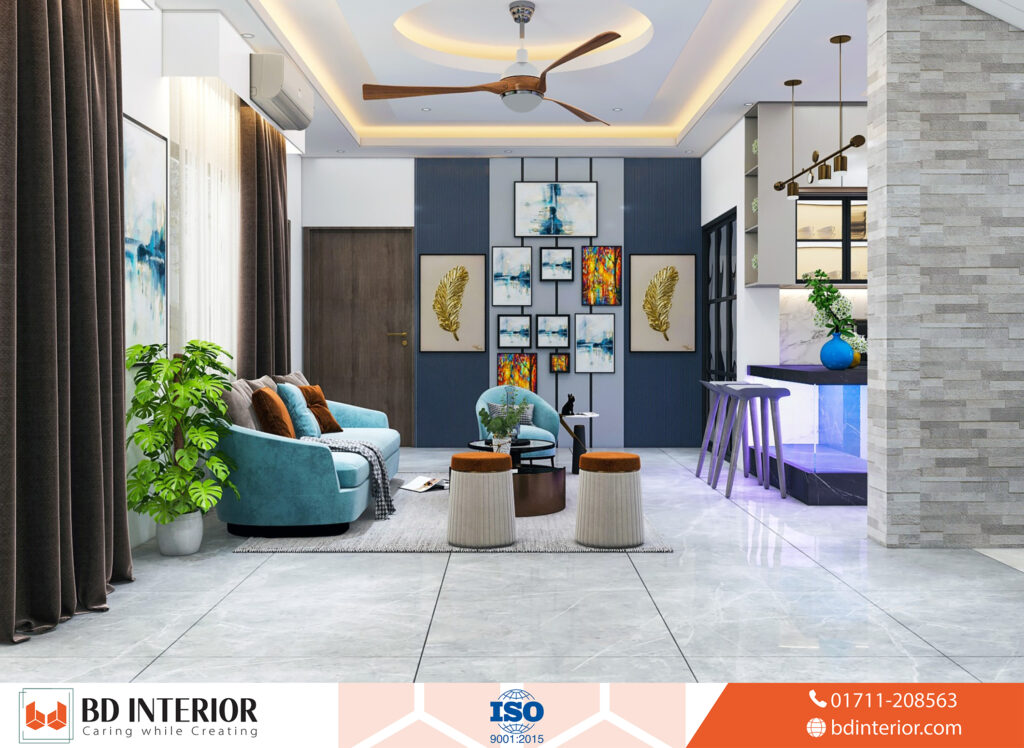
Statement plants can make your living room more interesting. Try putting a tall monstera or rubber plant in a corner to draw attention upward and make the ceiling look higher. Arrange smaller plants on tables and shelves at different heights for a layered effect.
You can use plant stands to create natural dividers in your home. This is especially useful in open-plan apartments, which are common in Bangladesh. For example, a row of potted palms can separate your living area from the dining space without blocking light or air.
Turn your window sills into small gardens by adding trailing plants like pothos or string of pearls. These plants catch the light, making window frames look softer. Grouping plants in odd numbers, like three or five, usually looks best.
Coffee table centerpieces should stay low. Choose compact plants, such as succulents or small ferns, that won’t obstruct conversation. Rotate them weekly to promote even growth, since living rooms don’t always provide ideal light.
Bedroom: Promoting Better Sleep and Serenity
Bedrooms can feel fresher with plants that release oxygen at night. Snake plants and aloe vera are good choices because they produce oxygen while you sleep, unlike most plants that do this only during the day. Put them on your nightstand or dresser to improve air quality.
It’s best to avoid strong-smelling plants in the bedroom. While jasmine smells nice, it might bother light sleepers. Choose leafy plants that clean the air without adding scent. Peace lilies work well if you place them away from your bed.
Hanging plants are a good way to save floor space in small bedrooms. You can put up hooks for trailing plants like philodendrons or spider plants. This adds greenery without taking up space you need for other things.
Kitchen and Dining Areas: Practical Beauty
Herbs serve double duty in kitchens—both as decoration and as cooking ingredients. Grow basil, mint, and coriander on sunny windowsills. They need daily watering in our climate, but they provide fresh flavors for your meals. The green adds life to functional spaces.
Small potted plants make dining tables look more welcoming. Pick plants that can handle changes in temperature from cooking or hot weather, like jade plants, small ferns, or air plants. Make sure they’re short enough so guests can see each other easily.
Trailing plants look great on open shelves. Let pothos vines hang between your dishes to soften the look of your kitchen. Just be sure the vines don’t cover things you use regularly.
How to Choose the Right Planters and Pots for Your Interior Design Style
Terracotta pots are a great choice for our humid climate. Their porous material lets the soil breathe and helps prevent root rot, a common problem during the monsoon season. They’re affordable and easy to find in places like Kataban and New Market. The natural clay color looks good with both traditional and modern styles.
Ceramic-glazed pots retain moisture, making them ideal for plants that need steady moisture. Select colors matching your palette. White ceramics offer clean, modern looks. Colored glazes add personality without overpowering spaces.
Plastic pots sometimes get a bad reputation, but modern ones are stylish, light, and practical. They’re great for hanging plants because they don’t weigh much. Just make sure they have drainage holes so water doesn’t build up during heavy rain.
Cement and concrete planters are trending now for industrial aesthetics. They’re heavy enough to anchor tall plants and won’t tip easily. Their neutral gray suits and minimalist interiors are popular among young Bangladeshi homeowners.
Size and Proportion Guidelines
Choose pot sizes based on what your plant needs, not just how they look. Roots need space to grow, but pots that are too big can hold too much water. Pick a pot that’s about 2 inches wider than the plant’s current root ball. This gives the plant room to grow without risking overwatering.
Floor plants need strong, stable pots. If a monstera wobbles, it can be unsafe. Using large planters helps prevent plants from tipping over, especially during storms when windows are open.
Tabletop pots should leave enough room for other things. Measure your table before buying pots, and avoid picking ones that cover more than a third of the surface. This keeps everything balanced.
Drainage and Practicality Considerations
Every pot must have drainage holes—non-negotiable. Without them, roots rot in water. If you love a pot without holes, use it as a decorative cover. Place the actual growing pot inside with a saucer to catch drainage.
Saucers protect your furniture from water damage. This matters greatly in humid Bangladesh, where moisture can warp wood and damage surfaces. Clear plastic saucers work fine, but decorative ones elevate the overall look.
Self-watering pots are helpful for busy people. They have a reservoir that slowly gives water to the plant. These pots are good for plants that like to stay moist, such as ferns. But most tropical plants do better with regular watering that lets the soil dry out between waterings.
Mobility matters for rearranging and cleaning. Heavy floor plants benefit from wheeled stands. This lets you move them for sweeping or to follow seasonal light changes without straining your back.
Maintaining Your Indoor Plant Design: Care Tips for Bangladeshi Weather
Our humidity confuses many plant owners. Just because it’s humid doesn’t mean plants don’t need water. Check soil moisture by inserting your finger two inches deep. Water thoroughly when the top layer feels dry. This usually means every 3-5 days during the dry season, 5-7 days during the monsoons.
Water quality matters more than people realize. Dhaka’s tap water contains chlorine and minerals. Let water sit overnight before using, allowing chlorine to evaporate. Room-temperature water prevents shock to roots.
Overwatering kills more plants than underwatering in Bangladesh. Our humidity slows evaporation, keeping soil damp longer. Ensure pots drain completely. Never let plants sit in standing water, which encourages fungal growth and mosquito breeding—a serious concern in our climate.
Put plants with similar water needs together. For example, ferns and peace lilies like to stay moist, while succulents and snake plants prefer to dry out between waterings. Grouping them this way makes caring for your plants much easier.
Light Management in Bangladeshi Homes
Many apartments in Dhaka, Chittagong, and other cities don’t get much sunlight because buildings are close together. Check how much light each room gets before buying plants. North-facing windows give soft, indirect light, while south-facing windows get stronger afternoon sun.
Rotate plants weekly so all sides receive equal light. This prevents lopsided growth where plants lean toward windows. Quarter-turns work perfectly—simple enough to remember.
If your home doesn’t get enough sunlight, artificial grow lights are an affordable solution. LED grow bulbs fit into standard light fixtures and use little electricity. Place them 6-12 inches above your plants and keep them on for 12-14 hours a day for the best results.
Sheer curtains diffuse the harsh afternoon sun that can burn leaves. Our tropical sun, especially from March through May, can damage many indoor plants. Filter it with light fabrics that still allow brightness through.
Pest Prevention and Problem Solving
The humid weather during the monsoon season can attract pests like fungus gnats and mealybugs. Check your plants every week when you water them. Look under the leaves and along the stems. Finding problems early stops pests from spreading to other plants.
Neem oil works as a natural pesticide safe for homes with children and pets. Mix one tablespoon with water in a spray bottle. Apply weekly as prevention or every three days to treat active infestations. The smell dissipates quickly.
If your plant’s leaves turn yellow, it could be from overwatering, poor drainage, or not enough nutrients. Don’t panic or make sudden changes. Try to find the cause first. Most of the time, just changing how often you water will fix the problem.
Dust accumulates on leaves, blocking light absorption and making them look unsightly. Wipe large leaves monthly with a damp cloth. Shower smaller plants gently in your bathroom. Clean plants photosynthesize better and resist pests more effectively.
Conclusion
Interior design with plants transforms homes in Bangladesh into living, breathing spaces that promote wellness and beauty. Our tropical climate actually works in our favor—plants that struggle elsewhere thrive here with basic care.
Start your journey today with a few easy plants. Watch how they change not just your decor, but your entire relationship with your home. The investment remains minimal while the returns—cleaner air, better moods, and stunning aesthetics—last for years. Remember, every plant parent started as a beginner. Your green thumb develops with practice, patience, and the simple joy of nurturing life indoors.