
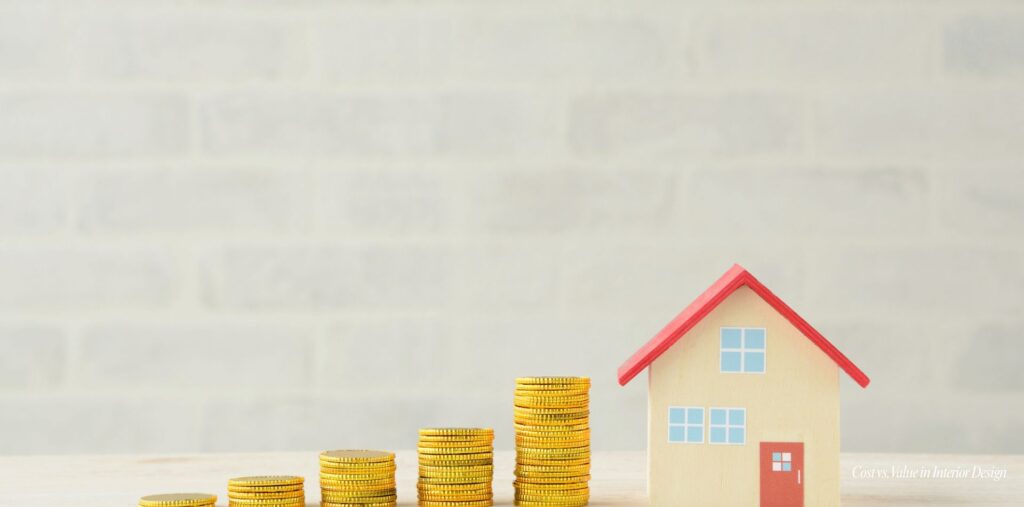
Discover how to balance cost and value in interior design for your Bangladesh home. Make informed investment decisions today. When planning your home interior, the biggest question is: should you focus on cost or value? Many homeowners in Bangladesh spend thousands of Taka but feel disappointed with the results. We understand this struggle. The real secret lies in knowing where your money creates lasting impact.
This guide helps you make informed decisions that balance your budget with long-term benefits. Let’s explore how to invest wisely in your interior design journey.
Overview of Interior Design Investment: What Matters More Than Price in Bangladesh
Price tags don’t tell the whole story. Cheaper furniture may cost less initially, but it often breaks within months. True value means investing in quality that lasts and enhances your daily life. Good design can also increase your property’s resale value.
Think of value over time: a BDT 50,000 sofa lasting ten years costs less per year than a BDT 20,000 sofa breaking in two years. Lasting investments offer durability, functionality, and long-term service.
Why Bangladesh Homeowners Need Different Strategies
Our climate and lifestyle create unique needs. High humidity damages certain materials quickly. Dust accumulation requires practical cleaning solutions. Extended families need flexible spaces. We also face import costs that make some materials expensive. Local alternatives often work better and cost less.
Your interior design must handle monsoon moisture. It should accommodate guests during festivals. Space optimization matters more in Dhaka’s compact apartments. These factors change what “value” means for you.
Global virtual design platforms like Decorilla demonstrate how 3D modeling and remote collaboration can optimize project visualization before any physical work begins in Dhaka.
Measuring Real Returns on Interior Investment
Calculate your investment properly. Don’t just count the initial payment. Include maintenance costs over five years. Factor in replacement needs and repair expenses. Quality materials need less upkeep. They save you money and hassle over time.
Consider emotional returns, too. Does your space make you happy? Can you entertain comfortably? Does it reflect your personality? These intangible benefits matter enormously. We’ve seen families transform their daily lives through thoughtful design choices.
Smart Spending vs. Wasteful Spending: Where to Invest Your Interior Design Budget
Some spaces deserve premium investment. Your kitchen is used constantly every day. Quality cabinets withstand years of cooking activities. Durable countertops resist stains and heat damage. Similarly, your bedroom furniture affects sleep quality. A good mattress and bed frame protect your health.
The living room seating hosts guests and family time. Invest in comfortable, sturdy sofas and chairs. Flooring throughout your home takes heavy traffic. Choose materials that last and clean easily. Lighting fixtures impact ambiance and functionality. These areas offer the best value for money.
Smart investment priorities include kitchen storage and work surfaces, bedroom comfort and ventilation systems, living area seating and flooring, bathroom fixtures and waterproofing, and adequate lighting throughout spaces.
This shift towards prioritizing holistic air filtration and natural light mirrors the global rise of wellness real estate, where home values are heavily tied to physical health.
Investing in high-efficiency utilities, similar to how installing an electric heat pump (72% ROI) boosts value in temperate zones, optimizes long-term monthly utility expenses.
Comprehensive nationwide studies managed by Zonda Media confirm that targeting foundational home structural systems offers the most consistent return on investment when selling a residential property.
Budget-Friendly Areas Where You Can Save
Decorative accessories don’t need huge budgets. You can change cushions and curtains seasonally without any issues. Wall paint offers affordable transformation options. Repainting costs less than major renovations. DIY projects add personal touches economically.
Certain furniture pieces accept budget options. Side tables and decorative shelves work fine at lower price points. You can upgrade these items gradually. Start with the basics and add premium pieces later. This phased approach better manages cash flow.
The 70-30 Rule for Bangladesh Homes
We recommend spending 70% on permanent fixtures and structural elements, such as flooring, built-in storage, and major furniture pieces, because these are foundational and costly to replace later. Allocate 30% to flexible, changeable items like decor and accessories, which are easier and cheaper to update.
Applying a strategic 80/20 rule allows you to dedicate your prime capital to high-touch structural items while using budget-friendly, mass-market options for secondary accents.
Understanding that many established firms operate on percentage-based pricing (10 to 20%) of the total project budget allows you to plan your long-term capital allocation more accurately.
This ratio is designed to ensure that your main investments provide long-term durability, while still allowing you to refresh your space as your tastes or needs change.
Permanent investments form the foundation of your home and are expensive to change later, so getting them right from the start saves future costs and disruptions. Flexible items account for 30% because they can be updated at any time at minimal expense. This approach provides stability with essential elements and adaptability for style changes, ensuring both current satisfaction and future versatility.
Prioritizing the underlying MEP (Mechanical, Electrical, Plumbing) infrastructure during this foundational phase ensures that your walls and ceilings will not need to be torn open later.
According to the 38th annual report tracking residential remodeling trends, strategic structural updates provide much more predictable equity retention than standard aesthetic changes.
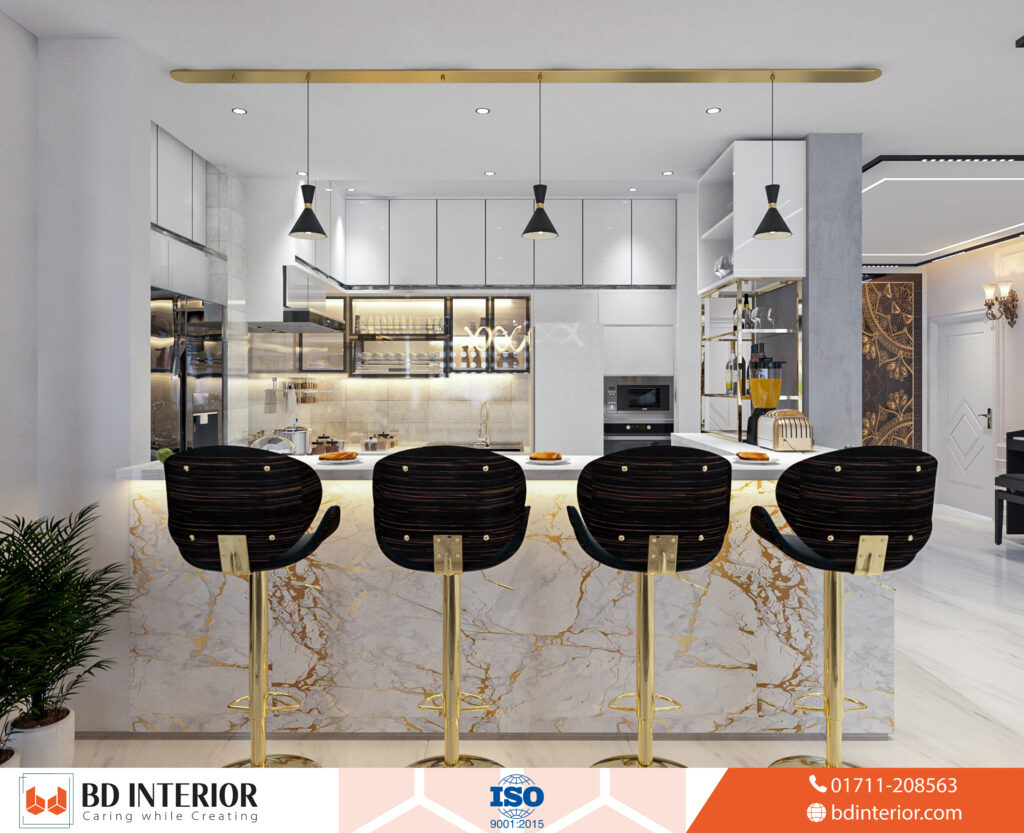
ROI-Focused Interior Design: High-Impact Areas That Increase Property Value
Modern kitchens sell homes faster in Bangladesh’s real estate market. Buyers pay premium prices for well-designed cooking spaces. Quality cabinets with proper organization systems attract serious offers. Granite or quartz countertops signal quality and durability.
Proper ventilation systems effectively eliminate cooking odors. Good lighting makes food preparation safer and easier. Storage solutions that maximize space impress potential buyers. Even rental properties command higher rates with upgraded kitchens.
Bathroom Renovations With Highest Returns
Clean, modern bathrooms significantly boost property value. Quality fixtures last for decades without problems. Proper waterproofing prevents costly damage down the line. Wall tiles and flooring should resist moisture perfectly.
Securing verified material warranties on damp-proof boards and weather-resistant sealants protects your upfront investment from the severe degradation risks of high-humidity environments.
High-ROI bathroom features include modern sanitary ware and faucets, effective ventilation fans, quality waterproofing systems, adequate storage cabinets, and proper lighting and mirrors. We’ve seen bathroom upgrades return 80-90% of their cost at resale. This makes them one of the smartest investments you can make.
Globally, benchmark home renovations like a completed basement remodel (71% ROI) demonstrate how maximizing existing square footage consistently outperforms superficial, purely aesthetic upgrades over time.
In fact, standard cost-versus-value studies show that a major kitchen remodel midrange (49.0% ROI) represents a highly reliable baseline for balancing upfront modernizing expenses with resale equity.
Data compiled annually by Remodeling Magazine reveals that focusing on functional kitchen upgrades consistently yields some of the highest financial recovery rates in residential real estate.
Master Bedroom and Living Room Appeal
These spaces make a first impression during property viewings. A well-designed master bedroom reflects the overall quality of the home. Built-in wardrobes maximize space efficiently. Good flooring and ventilation add comfort and value.
Your living room reflects your home’s character. Open layouts feel more spacious and modern. The quality of the flooring flows beautifully throughout the space. Proper lighting creates ambiance for different occasions. These improvements attract buyers and justify higher asking prices.
Common Costly Mistakes That Drain Your Interior Design Budget Without Adding Value
Trendy colors and styles quickly become outdated. That bright orange accent wall looks dated within two years. Extremely modern furniture might not match future tastes. We advise choosing timeless designs with subtle contemporary touches.
Classic color palettes work for decades. Neutral bases let you add trendy accessories cheaply. Quality craftsmanship never goes out of style. Your furniture should look good five years from now.
Skimping on Professional Design Consultation
Many homeowners skip professional advice to save money. This often leads to expensive mistakes later. Wrong measurements waste materials and money. Poor space planning creates unusable areas. Color mistakes require costly repainting.
Professional designers prevent these problems up front. We optimize your budget by avoiding errors. Our experience saves you money in the long run. A small consultation fee prevents thousands in wasted expenses.
Buying Everything at Once Without Planning
Impulse purchases rarely work well together. You might buy a sofa that doesn’t fit your doorway. Colors clash when you don’t plan the overall scheme. Overspending in one area leaves other spaces incomplete.
Create a detailed plan before shopping. Measure everything accurately. Consider the whole space together. Buy in phases according to your priorities. This approach gives you cohesive results within budget.
Ignoring Quality for Lower Prices
Cheap materials fail quickly in Bangladesh’s climate. Particleboard furniture swells during monsoons—low-quality paint peels within months. Poor fabric fades rapidly under sunlight.
Common quality mistakes include choosing particle board over solid wood, buying paint without weather resistance, selecting fabric without sun protection, installing cheap electrical fixtures, and using untreated wood in humid areas. These savings cost you more in the form of frequent replacements. Quality items last longer and perform better. They’re actually cheaper over their lifetime.

Balancing Quality and Affordability: Making Cost-Effective Interior Design Decisions for Bangladesh Homes
You don’t need everything expensive. Mix high-end pieces with affordable options strategically. Invest heavily in items you touch daily. Save on purely decorative elements. This creates a balance between quality and cost.
Your dining table needs to be durable for daily use. Buy the best you can afford here. Decorative vases can be purchased at budget stores. Wall art accepts various price points. Focus your budget where it matters most.
Local vs. Imported Materials: Making Smart Choices
Local materials often suit Bangladesh’s conditions better. They’re designed for our climate and humidity levels. Transportation costs make imports significantly more expensive. Local suppliers also provide better after-sales support.
Imported items work for specific applications. Italian tiles might justify their cost in bathrooms. European lighting fixtures offer unique designs. Evaluate each choice based on necessity and budget. Sometimes local alternatives perform just as well.
Phased Implementation for Budget Management
Complete your interior design in logical phases. Start with essential structural work and major furniture. Add decorative elements in later phases. This spreads costs over several months or years.
Make sure to factor in the administrative costs of local construction permits and structural approvals when drawing up your initial overall project master budget.
Phase 1 focuses on flooring, built-ins, and major furniture during months 1-3. Phase 2 covers lighting, window treatments, and bedding during months 4-6. Phase 3 includes accessories, artwork, and plants during months 7-9. This method prevents financial strain. You can adjust later phases based on budget availability. Each phase delivers usable improvements while you plan the next.
Sticking to a phased execution plan is also the most effective defense against scope creep, which can quietly derail your budget through unplanned, mid-project design changes.
Getting Multiple Quotes and Negotiating Wisely
Always compare at least three suppliers for major purchases. Prices vary significantly across Dhaka’s markets. Don’t accept the first quote automatically. Ask about package deals and bulk discounts.
Negotiate respectfully with vendors. Many offer flexibility on large orders. Cash payments sometimes get better rates. End-of-season sales provide excellent opportunities. Build relationships with reliable suppliers for future needs. Good vendors become valuable long-term partners.
Frequently Asked Questions
How much should I budget for interior design in Bangladesh?
A: Plan to spend 15-20% of your property value on complete interior design. For a BDT 50 lakh apartment, allocate BDT 20-40 lakh for quality interiors. This covers all major furniture, fixtures, and finishes. You can phase this investment over 6-12 months based on your financial situation.
Is it worth hiring an interior designer in Bangladesh?
A: Yes, professional designers typically save you 20-30% through better planning and vendor relationships. They prevent costly mistakes and optimize your space effectively. Even a basic consultation helps you avoid expensive errors. The investment usually pays for itself through better outcomes and budget management.
Prominent industry educators like LuAnn Nigara often emphasize that a designer’s true value lies in their ability to manage complex supply chains and prevent catastrophic structural errors.
For smaller apartments, utilizing accessible e-design platforms like Havenly offers a highly structured, flat-fee entry point to professional layout planning.
Knowing whether a consultant charges an hourly rate ($50 to $200) or a flat project fee helps you establish a transparent framework for managing your professional design costs.
Experienced professionals frequently pass along their exclusive trade discounts on high-end furniture and fixtures, which can significantly offset their consultation fees.
Budget-conscious homeowners can also leverage online interior design fees ($159 to $2,099) to obtain professional floor plans and curated shopping lists at a fraction of standard architectural rates.
While a traditional interior designer cost ($2,000 to $15,000) can seem daunting initially, this premium service secures bespoke structural coordination and hands-on site management.
Which rooms should I prioritize for interior investment?
A: Focus first on the kitchen and bathrooms, as these offer the highest return on investment. Next, prioritize your master bedroom and living room. These spaces have the most significant impact on your daily life. Allocate 40% of your budget to the kitchen and bathrooms, 35% to the living areas, and 25% to the bedrooms.
How can I tell if I’m getting good value for money?
A: Check material quality, warranty terms, and supplier reputation carefully. Request samples and visit showrooms in person. Compare specifications, not just prices. Good value means durable materials, proper craftsmanship, and reasonable pricing. Don’t choose the cheapest option, but don’t overpay for unnecessary features either.
When reviewing detailed contractor estimates, make sure to ask about any potential trade markup applied to raw materials and imported fixtures.
Conclusion
The rapid growth of standardized regional platforms like Livspace highlights a growing consumer preference for transparent, modular pricing structures over opaque, custom contractor bidding.
Embracing a circular economy framework by choosing repairable, sustainably sourced wood over cheap disposable laminates prevents your furniture from ending up in landfills within a few seasons.
Understanding the difference between cost and value transforms your interior design journey. You now know where to invest heavily and where to save smartly. Focus on quality in high-impact areas, such as kitchens and bathrooms. Choose timeless designs over fleeting trends. Mix premium and budget items strategically for the best results.
Remember, the cheapest option rarely provides the best value. Quality investments serve you for years and increase your property’s worth. Plan carefully, phase your spending, and consult professionals when needed. Your home deserves thoughtful decisions that balance both your budget and your dreams. Start your interior design project with confidence, knowing you’re making wise, value-driven choices.
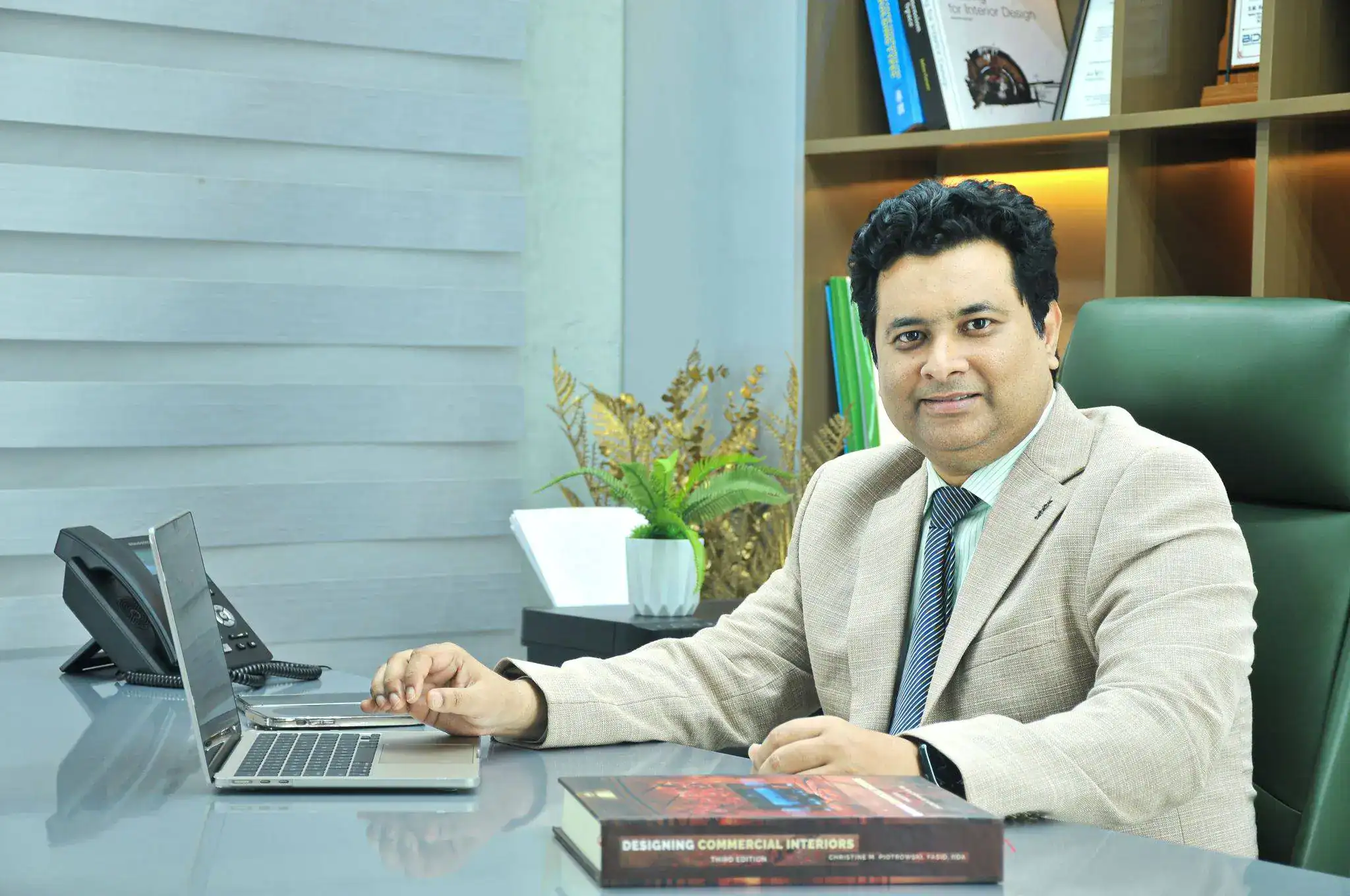
S.M. Rezaul Haque is a seasoned interior design consultant with 15+ years of experience. An AIUB graduate and Senior Vice President of BIDCOA, he specializes in creating functional, sustainable, and visually inspiring spaces. As the driving force behind BD INTERIOR, he has helped shape 700+ Bangladesh’s most innovative interior design projects.