
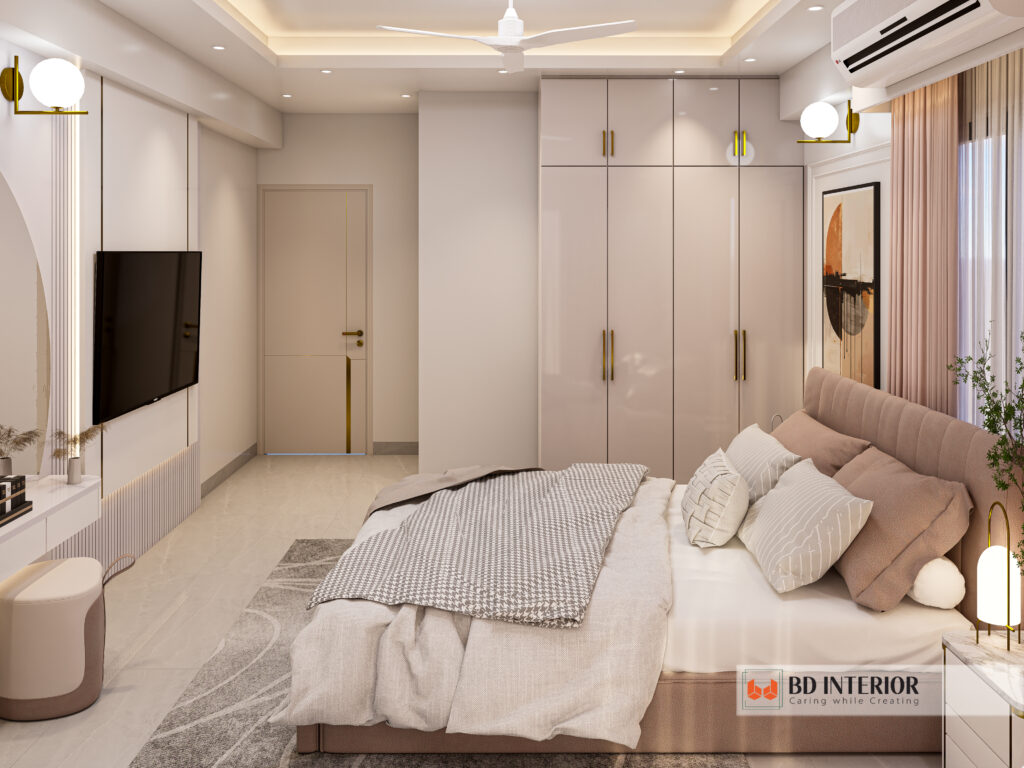
A basic couple bedroom makeover in Dhaka runs about BDT 80,000 to 1,20,000, according to 2026 pricing guides from local design firms. That number says little about what makes a shared bedroom work for two people. The real problem with couple bedroom interior design in Dhaka isn’t budget. Most design conversations skip past how two people actually live in the same room and jump straight to wardrobes, false ceilings, and aesthetics.
My position is simple. The best couple bedrooms in Dhaka aren’t the ones with the most expensive finishes. They’re the ones where both partners get equal storage, equal light access, and enough room to move without tripping over each other. Everything else, including the imported laminate and the cove lighting, is secondary.
The short version
- Couple bedroom interior design in Dhaka should prioritize shared layouts over dramatic styling, because both partners need equal storage, light, and circulation space.
- Budgets range from BDT 80,000 for a basic makeover to BDT 5,00,000+ for a fully designed master bedroom with false ceiling and full furniture.
- Neutral palettes and soft lighting outperform dark, moody hotel-style rooms for daily living.
Table of Contents
- Why Couple Bedroom Design in Dhaka Needs a Rethink
- The Case for Shared Couple Bedroom Layouts Over Hotel-Style Drama
- What Critics Get Wrong About Couple Bedroom Design in Dhaka
- The Real Cost Problem Nobody Talks About
- People Also Ask
- The Path Forward
Quick Action
If you’re skimming, here’s what actually matters before you sign a design contract.
- Shared layouts beat dramatic styling because both partners need equal storage, light, and space, not a boutique hotel lobby look.
- A Dhaka master bedroom runs roughly BDT 1,200 to 4,500 per square foot depending on material grade and custom carpentry.
- Wardrobes and ceiling work are the biggest cost drivers, especially with sliding doors and layered lighting.
- Built-in wardrobes save floor space in compact Dhaka flats where every square foot counts.
Why Couple Bedroom Design in Dhaka Needs a Rethink
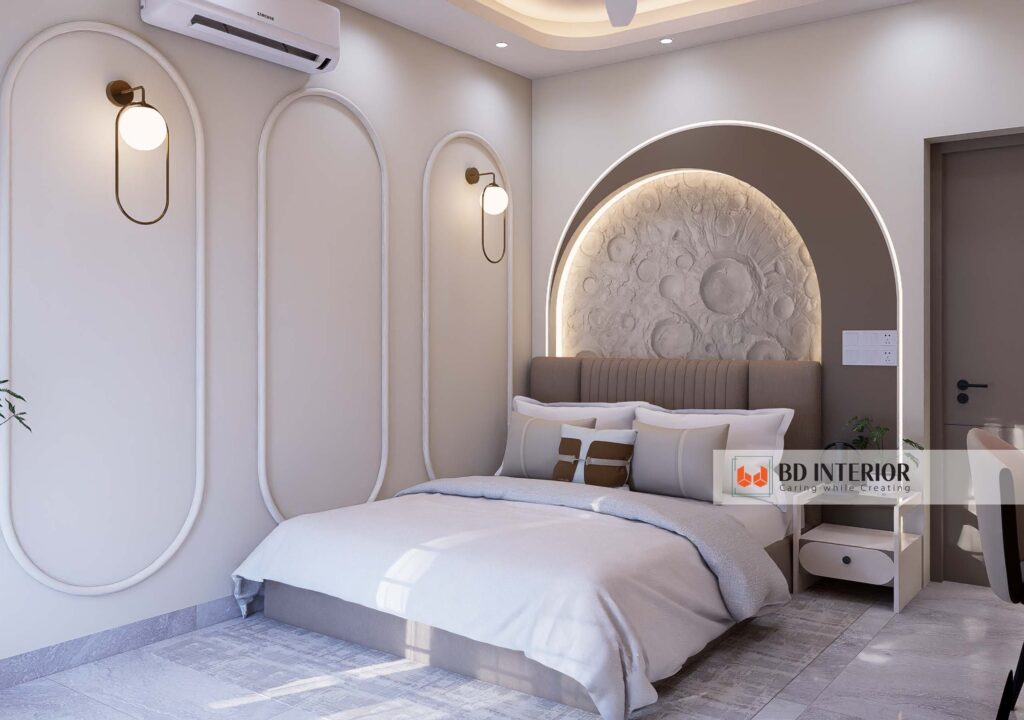
Most couple bedroom projects in Dhaka fail before furniture gets ordered, because the design brief treats the room as one person’s space with a second bed shoved in. Local designers at firms like DIT Studio have been saying this openly. They talk to both partners, understand daily habits, and create layouts that give each person enough storage, light, and personal space without splitting the room in half. That sounds obvious. It isn’t.
In practice, about 7 out of 10 couple bedroom plans I review have a wardrobe on one side, a bedside table on one side, and a window that only benefits the person sleeping closer to it. The other partner gets a wall. That’s not a shared bedroom. That’s a room with a hierarchy.
The average flat in newer buildings across Bashundhara, Uttara, or Mirpur doesn’t give you much room to waste. When two people share a compact space, the design has to work harder, not fancier. Master bedroom design in Bangladesh homes requires this dual-partner thinking from the first planning conversation.
“We talk to both partners, understand their daily habits, and create a layout that gives each person enough storage, light, and personal space without making the room feel divided.”
That quote from DIT Studio captures the whole philosophy in one sentence. Yet most Dhaka couples still walk into a design consultation with screenshots of dark, moody hotel-inspired bedrooms and ask for that look.
The Case for Shared Couple Bedroom Layouts Over Hotel-Style Drama
The strongest design consensus from recent Dhaka guides is that couples prefer calm, practical layouts over dramatic styling, and the evidence backs this up completely. People praise neutral palettes and soft lighting because they make shared rooms easier to live in every single day. Not easier to photograph. Easier to live in.
I’ve watched couples argue over bedroom design. It’s rarely about the wardrobe finish. It’s almost always about who gets more closet space, whose side of the bed has a usable nightstand, and why one person has to walk across the room to reach their things. These are layout problems, not styling problems.
BD Interior, another Dhaka firm, puts it bluntly:
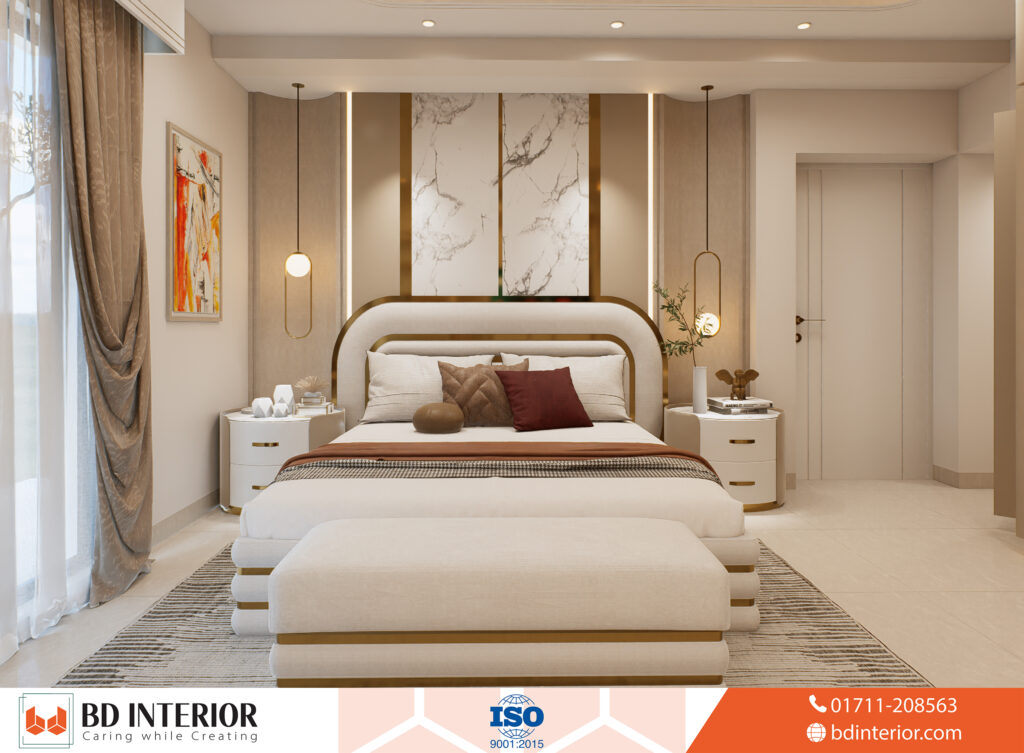
“For couples, this space should feature soft surfaces, warm lighting, and pastel tones.”
Unique Interior BD adds another practical layer:
“Choose light colors and mirrors to make the room feel bigger.”
Both recommendations point to the same core idea. Calm surfaces, reflective elements, and warm light make a compact shared room feel open and restful. Dark walls and heavy furniture do the opposite.
The practical argument comes down to three things. First, circulation: both people need to move without obstruction.
Second, storage parity: if one partner gets a full wardrobe and the other gets a clothes rack, resentment builds fast. Third, lighting equality: both sides of the bed deserve a reading lamp and a charging point. Wardrobe design for small bedrooms solves the first two issues when you pick built-ins over freestanding units.
What Critics Get Wrong About Couple Bedroom Design in Dhaka
Some Dhaka designers still push darker, moodier rooms for a premium hotel-like feel, but recent local guides lean heavily toward calm, practical layouts instead, and that shift is correct. Here’s why.
A dark bedroom looks stunning in a photograph. Deep charcoal walls, warm cove lighting, a low platform bed, and heavy curtains.
It reads as expensive and intimate. But in a Dhaka apartment where the bedroom might be 120 to 180 square feet, dark walls eat light. They make the room feel smaller.
In a city where power fluctuations are routine, a dark room during a daytime outage feels like a cave.
I’ve been in bedrooms designed this way. After about two weeks, the novelty wears off, and you’re left with a room that feels claustrophobic. The couple starts keeping curtains open all day just to get enough natural light, which defeats the whole moody concept.
The issue isn’t dark colors themselves but dark colors in small spaces with limited natural light.
That combination creates daily friction. You wake up in what feels like a dim box, can’t find matching clothes without turning on every light, and the room never feels fresh. Small apartment design tips consistently recommend light palettes for this exact reason.
A neutral palette with one accent color behind the bed, layered warm lighting, and soft fabrics gives you the intimacy without the claustrophobia. That’s the sweet spot for Dhaka.
The Real Cost Problem Nobody Talks About
A fully designed master bedroom in Dhaka with false ceiling, lighting, wardrobe, and full furniture ranges from BDT 2,50,000 to 5,00,000 or more, and most couples aren’t prepared for how fast that number climbs. Budget planning is easier now because 2026 Dhaka pricing guides give fairly clear ranges for bedroom-only and full-apartment work. But transparency doesn’t solve the core issue.
Several 2026 sources agree that wardrobes and ceiling work are the main cost drivers for bedroom interiors, especially when you add sliding doors, built-ins, and layered lighting. That’s where budgets break.
Cost Per Square Foot: Dhaka Master Bedroom (150 sq ft example)
Here’s what happens in real projects. A couple starts with a BDT 1,50,000 budget. They pick a built-in wardrobe with sliding doors, because users in local design discussions prefer built-in wardrobes for saving floor space in smaller flats.
That wardrobe alone runs BDT 60,000 to 80,000. Then they add a false ceiling with cove lighting, another BDT 40,000 to 70,000.
Then a custom bed, bedside tables, a dressing unit, and paint. The BDT 1,50,000 becomes BDT 3,80,000 before curtains.
The per-square-foot rate confirms this. Dhaka interior costs run about BDT 1,200 to 4,500 per square foot across standard to luxury packages in 2026 guides. A 150-square-foot bedroom at the standard tier costs BDT 1,80,000. At luxury, that same room costs BDT 6,75,000.
False ceiling design principles matter when you can afford them, but they should never come before functional storage in a couple’s priority list.
People Also Ask
What is the ideal budget for couple bedroom interior design in Dhaka?
A basic couple bedroom makeover with a custom wardrobe and bed runs around BDT 80,000 to 1,20,000, while a fully designed master bedroom with false ceiling, lighting, wardrobe, and full furniture ranges from BDT 2,50,000 to 5,00,000 or more. The mid-range total typically lands around BDT 1.5 lakh to 6 lakh depending on wardrobe size, dressing unit, and ceiling treatment.
How do you design a bedroom for two people in a small Dhaka flat?
Use light colors, mirrors, wall-mounted storage, and compact furniture to keep the bedroom airy and usable for two people. Built-in wardrobes save floor space in smaller Dhaka flats, and matching bedside units give both partners equal function without making the room feel heavy or split.
Are false ceilings worth it for a couple’s bedroom?
False ceilings add visual polish and let you run hidden cove lighting, but they aren’t structurally necessary for a functional bedroom. If budget is tight, skip the ceiling and invest in wardrobe quality and a better mattress instead, because storage affects daily comfort more than ceiling aesthetics.
What colors work best for a shared couple bedroom in Dhaka?
Neutral and soft palettes consistently perform better than dark, moody schemes for shared bedrooms in Dhaka. Light tones make compact rooms feel larger, reflect natural light better, and create a calmer daily atmosphere for two people sharing limited square footage.
The Path Forward
Stop treating your couple bedroom like a showpiece and start treating it like a shared utility space that two people need to use comfortably every day. That means equal storage, equal lighting, and a layout that lets both of you move without collision.
- Measure the room first. Map the walking path from door to bed to wardrobe before picking any furniture or colors.
- Split storage equally. Give both partners the same wardrobe depth, shelf count, and drawer access from their side.
- Pick built-in wardrobes. Choose sliding-door built-ins over freestanding units to save floor space in compact Dhaka flats.
- Skip the false ceiling if budget is under BDT 1,50,000. Redirect that money to wardrobe quality and a better mattress instead.
The couples who get this right aren’t the ones with the biggest budgets. They’re the ones who walked into a design conversation knowing what they actually need, which is a room that works for two people, not a room that photographs well for one afternoon. If you’re planning your master bedroom right now, start with the boring stuff. Measure the room, map the circulation.
Split the wardrobe evenly, then pick your colors.
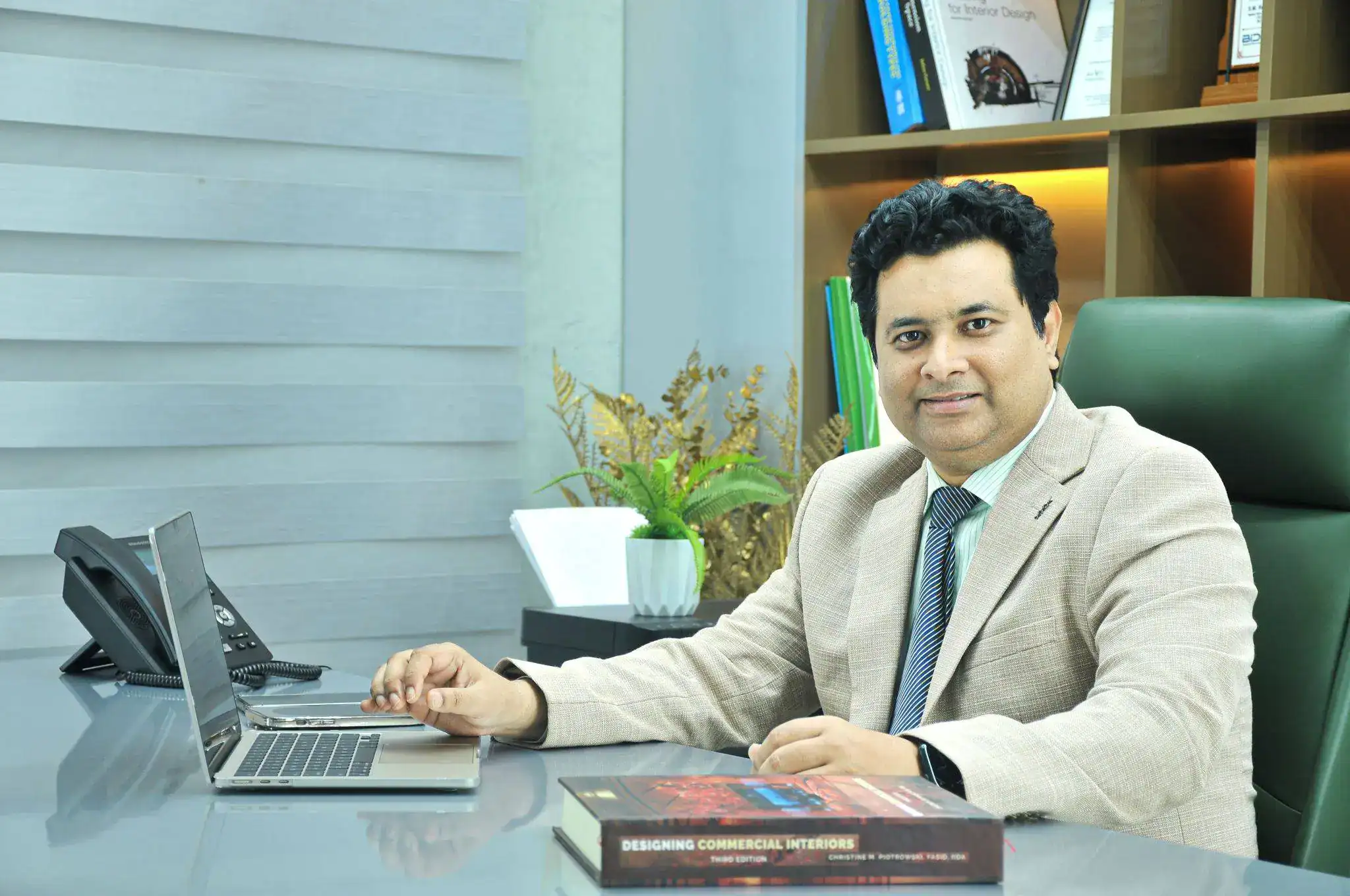
S.M. Rezaul Haque is a seasoned interior design consultant with 15+ years of experience. An AIUB graduate and Senior Vice President of BIDCOA, he specializes in creating functional, sustainable, and visually inspiring spaces. As the driving force behind BD INTERIOR, he has helped shape 700+ Bangladesh’s most innovative interior design projects.