
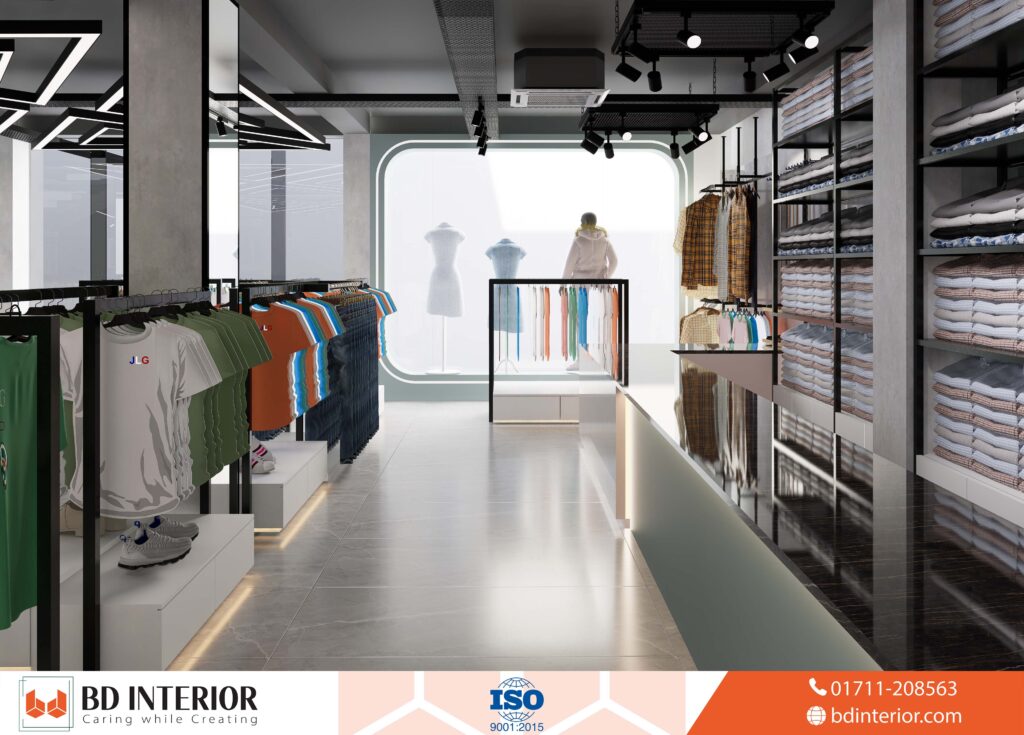
Today’s shoppers are looking for more than just offerings. If a store is small or confusing, and the fitting room makes (a detail often overlooked) customers feel uncomfortable. They’ll walk out (which actually works) and look elsewhere for a refresh. You may think it costs too much, but if you ignore it, the loss of sales and loyal clients will be even higher. Think about this. The right design choice will immediately affect your short version. It’s not just about aesthetics, it’s about smart business.
Creating the Customer Journey
The store layout should’ve a clear, welcoming path, that naturally guides customers to the different product zones and leads them to purchase without being forced. Think of this as a subtle map for your shopping adventures.
Yet, forget about cluttered stores where shoppers get lost. A recent study found that 7 out of 10 shoppers are dissatisfied with disorganized layouts. We want everyone to explore, rather than just pick up one thing and leave.
After all, start with a wide aisle of at least 4 to 5 feet, so two people can comfortably pass each other. This builds openness, and greatly facilitates browsing.
See for yourself. Clear vision is also huge. So most shoppers will easily find themselves drawn deeper into the store.
The main points are: blocksep is key. And from a practical point of view, it creates a “discovery zone” for new arrivals and carefully selected collections.
These are small pockets. Where pieces are thoughtfully grouped, is intriguing.
Strategically placing impulse investments in items, like accessories by the mirror, near. What this means is that near cash registers and other high-traffic areas can increase sales by approximately 15% to 20%. Hard to ignore those numbers.
But does it actually matter?
Consider how supermarkets place chocolate near the cash register. It’s the same idea.
People regularly choose smaller ones. If it’s there, it’s redundant.
Flow and Navigation
Good design ensures smooth flow from one section to another. Weigh circular path, or “figure 8” layout. Naturally, shoppers will see more of your products.
Avoid dead ends. Floor patterns and different lighting levels can be used to signal changes in the sections, making the journey more intuitive.
This reduces customer confusion.
Sensory Storytelling Builds Connections
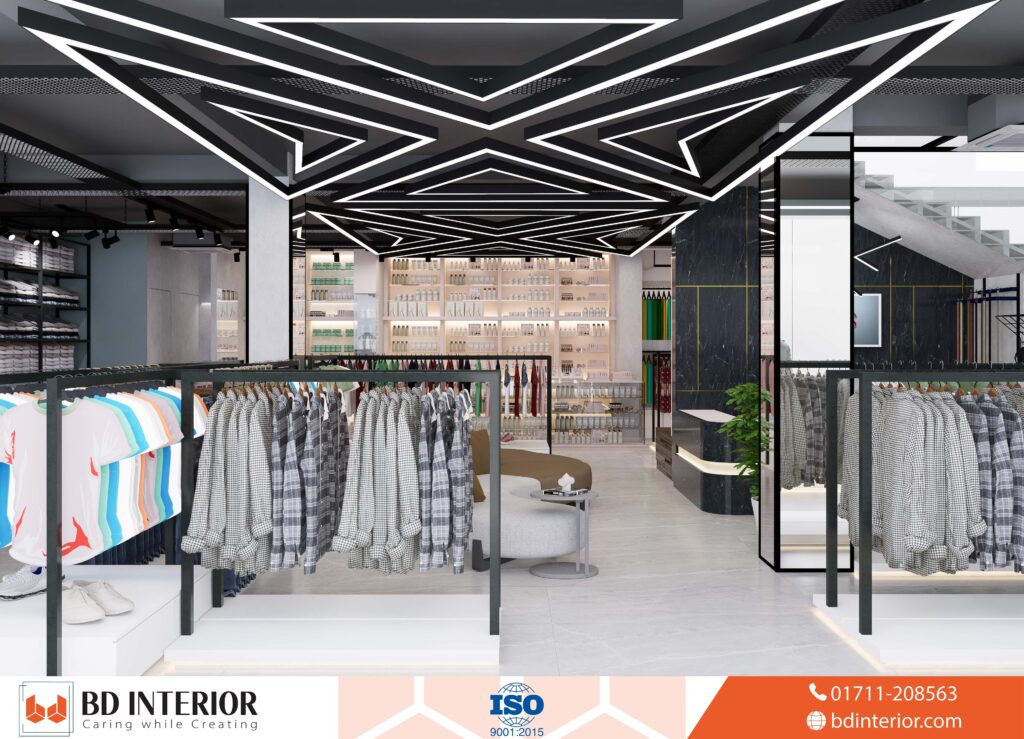
By integrating specific sensory elements such as signature scents, carefully selected music, tactile materials, and adjustable lighting, weave together memorable brand experiences that connect deeply with customers on an emotional level.
People remember experiences, not just what you provide. Research makes it clear customers spend an average of almost around 20% more time in stores that use signature scents. Not exactly what you’d expect. This detail matters more than it might seem right now.
Let’s think about it for a moment. Subtle scents like light scent, fresh scent, or jasmine, can give your store a luxurious and inviting atmosphere. It seems too solid to be true, but is it? Let’s take a look.
Choose music that fits your brand. But cheerful pop might be perfect for a fashion store aimed at young people.
In most scenarios. Soft jazz is perfect for a boutique aimed at adults. Tempo and genre are really huge.
Determines the atmosphere. However, here we need the nuance of.
Here we take a different approach. And sure enough, Tactile materials also play a role. Think wooden display tables for a natural brand.
Or polished metal fixtures for a modern look. The feel of the. To put it simply, underfoot is like a soft rug in a lounge area. It can make a big difference in comfort.
Adjustable lighting is also important. Brighter lighting is required to accurately display colors on product displays, while softer lighting is required in fitting rooms and lounge areas to create a specific atmosphere in different parts of the shop.
Sensory impact on customer experience
Fragrance: more or less 80%
Music: give or take 65%
Touch: Approx. Roughly 50%
Lighting: 70%
*Perceived impact on customer experience (scale 0-100%)
Optimizing the Fitting Room Experience
Fitting rooms are more than just changing rooms. They’re important conversion points. Investing in good lighting, Adequate space, and comfort in these areas will bigly increase sales but reduce profits.
That’s where the magic happens. Or it all falls apart, Really — “It’s so annoying that everything looks bad because of the lighting in the fitting room,” is a common complaint. So what happens to us?
Small things like this can make you lose (and that implies quite a bit) the desire to buy. Now flip that around. A point to note, research points to positive fitting room transactions can increase conversion rates (an a lot overlooked (more on that later) detail) by more than 30%. Read it again if necessary.
On top of that, taking a step back reveals an important factor. You want warm, flattering, adjustable lighting, not harsh overhead fluorescent lights that make everyone look sick. Give your customers control. But context is really, really key.
Make the fitting room spacious, without making it cramped. No one wants to struggle in a small box. Include a comfortable chair, a small bench or stool.
A lot of hooks are core, like the clothes you are trying on, your (and that implies quite a bit) own items, and bags. Premium grade, full body mirror is non-negotiable.
Why does this matter? These spaces are regularly overlooked, and are where shoppers decide. So if you do this correctly, they’ll be less likely to invest in something. The thing is, you can return it later, saving you money and effort.
You can also refer to our(BD INTERIOR) expert advice on overall retail shop interior design in Bangladesh for more ideas. However, practical limitations exist. Please keep this idea.
Strategic Technology Integration
Pivoting slightly, technology should make shopping easier. For the average user.
The question is:, About 82% of shoppers say — thinking about it more, technology that improves convenience and personalization improves their in-store experience. Let that sink in for a second. See things objectively. However, consider discreet digital signage for promotions that change quickly.
One shopper said: “New interactive screen that makes it clear how to style your outfit.
Switching gears a little. Virtual try-on is possible with the “Smart Mirror”. If you think about it, and let me tell you, these fixes should feel (and the data generally agrees) natural and not gimmicky. You’ll want to remember this for what’s coming next.
It offers convenience and a bit of a “wow” factor. Encourage everyone to stay and explore.
You should improve human interaction, rather than replacing it. AI can assist in interior design ways to properly plan these technology integrations.
Design for Post-Purchase Loyalty
Many stores focus on sales. And forget about their clients. What about after the pick up? Stick with me here; this pays off.
Store design can actually strengthen brand loyalty after pick up. Consider building a small, comfortable lounge or “community wall” near exit. In the brand’s atmosphere, customers can take photos of their new outfits.
If you put a nice, casual brand logo there. They are likely to share it on social media, and associate their positive experience with you. This will keep your brand in their minds.
It’s more like joining a club than just a deal.
Optimizing Checkout & Waiting Areas
To quickly review, blocksep matters. On the surface, these spots are often an afterthought. But it’s the last physical interaction a customer has with your store.
In reality, a long, messy line can undo all the good work of great shopping. If there’s time to wait.
There may be some interesting, inexpensive products on display. Or, a comfortable seating area. 10 About 6 buyers have rated Checkout. At least, rate it as a key factor in whether a buyer will return.
Here you can subtly reinforce your brand’s commitment to customer (though exceptions exist, naturally) service and efficiency. That’s why it’s important to us that we offer clear pricing, multiple payment options, and a friendly staff. But the physical design of this area also speaks volumes. A smooth, speedy checkout leaves a lasting positive impression.
Integrating Local Heritage and Sustainable Design
Bangladeshi store makes the space roughly 100% unique by incorporating local artisan crafts and design elements. It’s a bit surprising.
Nakshi Kantha: Consider using patterns subtly in your wall art. Or use locally grown jute as a textural element. This gives the store a distinct identity, tied to its cultural background. It’s more than just a general fashion outlet. This is the epicenter of Bangladeshi fashion.
This deepens the region’s appeal and differentiates the brand.
Sustainable & Biophilic Design
Approximately 70% pieces; No, it doesn’t matter, Bangladeshi shoppers consider a brand’s environmental impact when making purchasing decisions. And that trend continues. It’s an odd number, but it’s true.
Using eco-friendly materials isn’t just a trend. It’s smart business. Consider using reclaimed wood for your joinery or using low-VOC paints.
You can also save on electricity bills with energy-saving, LED lighting — this is a big thing in Bangladesh.
In a broader perspective, connect natural elements like potted plants, Living walls. More importantly, you can create a healthier, more inviting space by maximizing natural light whenever possible (biophilic design) (which makes a lot of sense).
Depending on the retail environment, natural light can actually increase sales by. Well, actually up to 40%. And the trend keeps going.
Not as expected. This becomes way more relevant in a moment.
This is consistent with modern consumer values. Showing your brand is a forward-thinking idea. To explore these concepts further, you can learn more about sustainable interior design.
Common Mistake: Ignoring the “Behind the Scenes”
A big mistake that many store owners make is to focus only on customer-facing areas. And completely forget about staff zones and warehouses. If the user’s break room is small and dark.
Plot twist. Or the warehouse becomes chaotic, affecting user morale and efficiency. Taking a step back reveals an important factor. Satisfied staff means better customer service.
Make sure the area at the back of your home is also functional and well-organized, including adequate storage space, and there’s enough space for your staff to take a break. It ties everything together later.
A well-designed backend means smoother operations, less stress for your team, and a flawless frontend for your shoppers. Improve your experience.
Conclusion: Design for Lasting Impact
What’ll happen to it?
Clothing store interior design is more than just decoration. It’s a powerful tool for increasing sales, building brand loyalty, and creating memorable experiences. After all, from the moment you step into our store, every design choice (with exceptions, of course) guides your journey.
Even the comfort of the fitting room. Emotionally connected sensory details shape users’ perceptions and buying. So, ignoring these factors will simply leave money on the table.
In practice, the lively changes slightly. However, the nuance is required here.
Going back to what was covered earlier, the underlying point remains direct. Start with a small, impactful change. Pay attention to the lighting in the fitting room.
Start transforming your space today (at least based on your current observations) to see real returns.
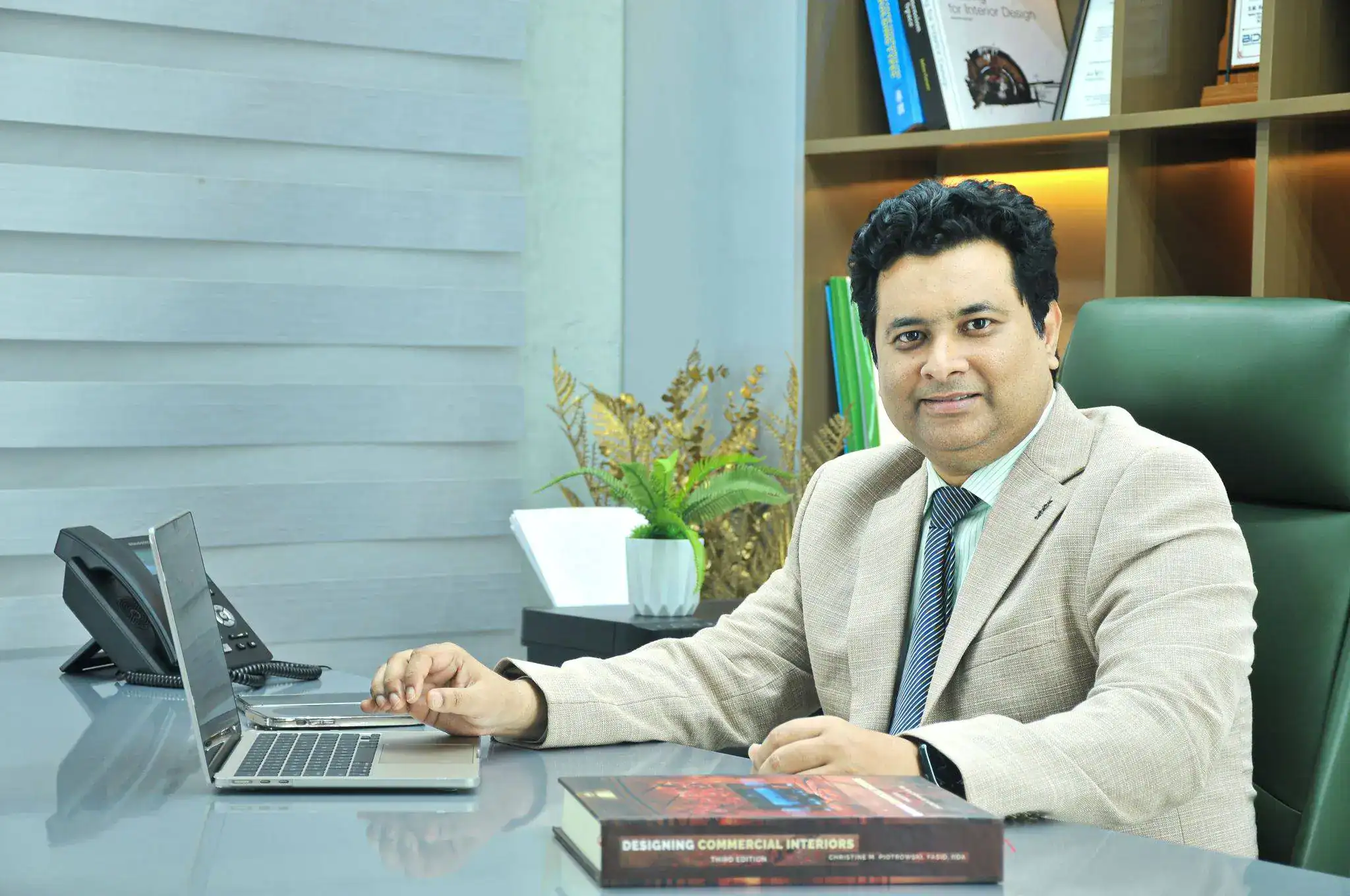
S.M. Rezaul Haque is a seasoned interior design consultant with 15+ years of experience. An AIUB graduate and Senior Vice President of BIDCOA, he specializes in creating functional, sustainable, and visually inspiring spaces. As the driving force behind BD INTERIOR, he has helped shape 700+ Bangladesh’s most innovative interior design projects.