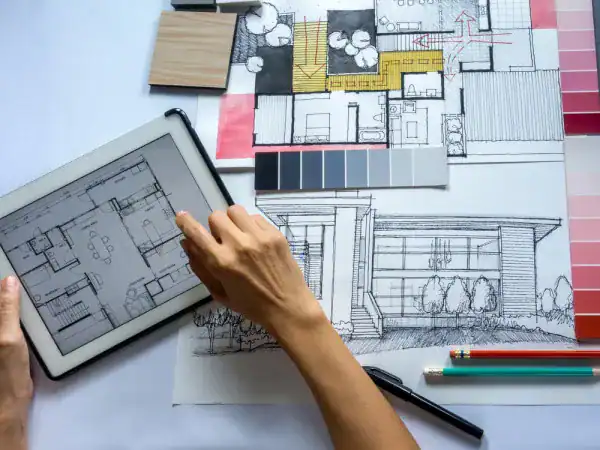
Thinking about getting into an interior design career? It’s pretty exciting. In most cases, but you might also have no idea where to even begin.
It’s a big dream, and you’re likely asking yourself. Most likely you worry about how many other designers are out there. Big difference. Or if your passion is enough to build a stable job on. Believe it or not, the path is a lot clearer than you’d think. This guide is here to give you a straight-up roadmap.
The starting pay, to be fair, can be a shock. Much lower than I expected. Is it worth it though? ” That’s a real thing you need to prepare for. But the payoff can be huge.
Design Career Foundation
Getting a formal education gives you a deep knowledge of design basics, building codes, and safety rules, which you absolutely need to practice professionally and get certified.
Thinking you can just skip school? A lot of people believe talent is all you need, but honestly. See, the most successful designers will tell you that their education (just putting that out there) was their foundation.
A proper degree, like a Bachelor’s. Generally speaking, you learn real skills like space planning, how materials work, and even color psychology. This isn’t just about making things look pretty. It’s about craft spaces that are safe and actually work for people. Like, Shanto-Mariam University of Creative Technology (SMUCT) has a Bachelor’s in Interior Design. BRAC University’s School of Architecture also provides a strong design background.
Why Certification Matters for Your Design Career
After you get your degree, you should aim for a professional certification. It’s a big deal. In the spaces you design, the NCIDQ Certification (National Council for Interior Design Qualification) proves you know your stuff. And are committed to keeping people safe and healthy. While it’s mainly a North American thing, its standards are known everywhere. And set a benchmark for what an expert looks like. You’ll need a recognized design degree to even apply. As far as I know, especially in commercial design where the rules are a lot stricter. It basically tells potential clients here. And even abroad that you’re a serious professional. Com/interior-design-facts-you-should-know/) article points this out.
Build a Portfolio That Gets Noticed
A great portfolio is like your visual resume; it shows off your creativity, technical abilities, and how you solve problems through a mix of school projects, concepts, and real-world work.
Your portfolio is probably the single most key thing you have for getting jobs or clients.
It’s not just about collecting pretty pictures, either. You need a mix of things. Put in conceptual projects from school. Add any free work you’ve done for people. And definitely include advanced digital renderings. Knowing software like SketchUp, Revit, 3ds Max, or Enscape is a huge plus; these tools show you can bring an idea to life on a screen, a skill clients really, really value. Don’t wait around to start this. Just start. You can even use projects you make up or designs you (at least in my experience) do for friends.
Key Elements of a Winning Portfolio
To make your portfolio really shine in Bangladesh. You need to show off a bunch of different skills. Make sure you’ve projects for both homes and businesses. Show that you can work in different styles. Like minimalist or modern. Around 60% of design firms are looking for strong digital rendering skills from new hires. According to what people in the industry are seeing. 3D rendering in interior design is actually a big deal here. How you present your work matters too. A firm might care just as much about how you explain your design process as they do about the final picture.
| Portfolio Element | Importance (0-10) | Why It Matters |
|---|---|---|
| Conceptual Projects | 8 | Shows creative problem-solving. |
| Pro-Bono Work | 7 | Real-world experience, client interaction. |
| Digital Renderings | 9 | Shows technical skill, visualization. |
| Academic Projects | 6 | Foundation in design theory. |
Network and Specialize: Standing Out in Bangladesh’s Market
Building a solid professional network and picking a design specialty helps you find clients and mentors, making you the expert people want to hire in a busy market.
Meeting other people in the design world is a very big deal. You should join groups like the Interior Designers Association of Bangladesh (IDAB). Which is a government-certified organization for designers. Moving on. They have events for networking and career growth. It’s true.
If you think about it, go to local industry events, workshops, or even just ask to chat with designers in Dhaka, which means about 7 out of 10 job opportunities come from networking (which makes sense). Now, it’s how you find out about jobs that aren’t even posted. Or get folks to send clients your way.
Finding Your Niche in Bangladesh’s Design Scene
In quite a few cases, don’t try to be everything to everyone; pick one thing and get great at it. Maybe you’re into lasting design using local stuff like jute or bamboo. Or maybe you want to design luxury homes for wealthy clients, and the need for smart, functional retail shop interior design in Bangladesh is growing like crazy as businesses try to one-up each other. When you’re the go-to person for one specific thing. Clients looking for that’ll find you. Making getting new business a lot easier and your marketing way more focused, it.
Master Business Skills, Not Just Design
Besides being creative, you’ve to understand how to manage clients, negotiate contracts, handle budgets, and market yourself to have a successful career, whether you’re at a firm or on your own.
This is where a lot of new designers stumble. Seriously. You might think it’s all about picking colors. And drawing floor plans. It’s not. ” You’ll want to remember this for what’s coming next.
You have to write clear contracts. Manage project budgets (and keep people happy when costs change), and sell your services. It’s that simple. Thing is, you can have the best ideas in the world. But if you can’t manage the project or the client, it’s all going to fall apart. In Bangladesh, many new designers start out making around ৳20,000–৳30,000 a month at entry-level jobs.
Common Pitfalls for New Designers
Most likely, new designers often don’t charge what they’re worth because they’re just so eager to land their first projects. This isn’t just about the money. It sets a bad tone for the future. You need to learn how to estimate project costs right. Including your time, materials, and other expenses. Another big slip-up isn’t having a solid contract. A good contract protects you. And the client by spelling out the work, deadlines, and payment schedule. Without it, you’re just asking for trouble. For context, the typical interior design cost in Bangladesh can be anywhere from ৳1,200 to over ৳5,000 per square foot, depending on how fancy the project is.
Continuous Learning: The Only Constant in Design
Keeping up with new materials, smart home tech, changing building codes, and new design software is something you’ve to do to succeed long-term and stay in the game.
The design world changes. Constantly.
Arguably, real talk, smart home technology is different every six months. And (which makes perfect sense), building codes get updated. From what we can tell, or how local earthquake codes (like from the Bangladesh National Building Code, BNBC 2020) affect what you can build, makes perfect sense. If you ignore these changes. Done. You have to keep learning, or you get left behind. Simple as that.
Keeping Up with Local Trends and Regulations
In Bangladesh, you really need to get a handle on local building methods. And what materials are available. Like, knowing which woods resist humidity or which tiles work best for a busy kitchen is key info. As far as I know, you also have to know the specific government rules, especially for commercial projects. The best designers never stop learning. It’s just part of the job.
FAQs About Launching an Interior Design Career
Do I need a degree to be an interior designer in Bangladesh?
Most are self-taught, sure. But a formal degree (like a Bachelor’s in Interior Design) gives you key technical skills and a clear path to becoming a professional. Schools like Shanto-Mariam University of Creative Technology have programs just for this.
How long does it take to become a certified interior designer?
It usually takes about 5 to 8 years. That’s 3-5 years for a degree, then another 2-3 years of working under a supervisor before you can even apply for something like the NCIDQ.
What are the main challenges for new interior designers?
New designers often deal with low starting pay, have a hard time building a capable portfolio without much practice. And need to get awesome at managing projects and clients fast. You have to stick with it.
What software should aspiring designers learn?
For the most part, 3ds Max for 3D models and renderings, and Photoshop/Illustrator for presentations. Knowing these tools makes you very hirable in Bangladesh.
Is specialization really important in Bangladesh?
Yes, for sure. Specializing in something like lasting design, commercial spaces, or luxury homes helps you find the right clients. Now, build your expertise, and stand out in a busy market like Bangladesh. It makes your marketing way more great.
Final Thoughts
Starting your interior design career is a mix of pure creativity and smart business. You need a good education and a portfolio that stands out. And a network of people who can support you. And don’t ever forget about the business skills, they’re just as important as your design talent. It takes a lot of rough work, especially when you’re starting out, but changing spaces and affecting people’s lives is a special kind of reward. So, what are you waiting for? Take the first step. Bangladesh’s design world is waiting for your unique ideas. Or maybe not.
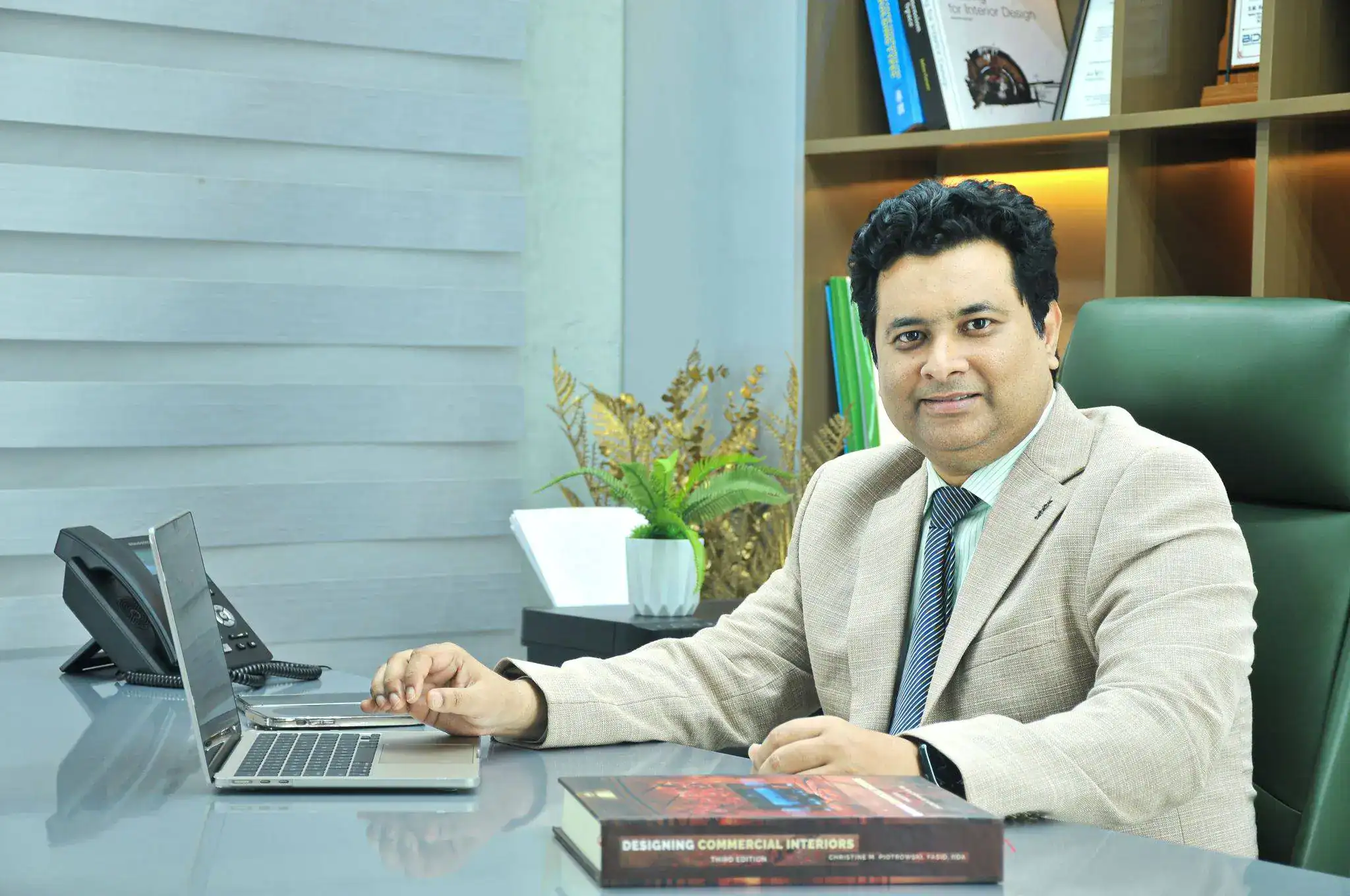
S.M. Rezaul Haque is a seasoned interior design consultant with 15+ years of experience. An AIUB graduate and Senior Vice President of BIDCOA, he specializes in creating functional, sustainable, and visually inspiring spaces. As the driving force behind BD INTERIOR, he has helped shape 700+ Bangladesh’s most innovative interior design projects.