
There’s no single right way to design your home. Your space should reflect who you are, and what matters most is that it feels right for your life. Picking an interior design style can seem like a big commitment, and it’s easy to worry about choosing a trend that might not last. With so many labels like Minimalist, Maximalist, Mid-Century Modern, and Modern Farmhouse, it can get overwhelming. But designing your home is more than just picking colors and furniture—it’s about creating a space that supports and reflects your unique story. Interior design styles are always changing, shaped by history, culture, and the needs of modern life.
- Style is a Framework, not a Rulebook: Understand that design styles are fluid guides. The most successful spaces often blend elements from different aesthetics to create a personalized environment.
- Personalization is Timeless: True longevity in design comes from curating a home with meaningful pieces over time, rather than strictly adhering to one trend. As designer Nate Berkus says, “The most classic, the most traditional interiors are the ones that stand the test of time.”
- Function Dictates Form: Your lifestyle should be the primary driver of your design choices. A beautiful room that doesn’t work for your daily life is a failed design, no matter how stylish it is.
Popular Interior Design Styles
Interior design styles are codified sets of aesthetic principles and visual characteristics used to create cohesive and intentional environments. They often emerge from specific historical periods, cultural movements, or philosophical ideas, providing guidance on color, furniture, materials, and layout to achieve a particular mood or function.
The industry’s professional roots trace back to Elsie de Wolfe, who famously moved society away from heavy Victorian aesthetics toward lighter, airier, and more functional living spaces.
Achieving LEED certification for residential interiors provides a verified framework for energy efficiency, water conservation, and high-quality indoor air standards.
Islamic interior design integrates intricate geometric patterns, mashrabiya latticework, and deep courtyards to balance privacy with the sophisticated play of light and shadow.
By understanding these styles, homeowners can more easily navigate everyday decorating choices—such as selecting furniture or choosing artwork—and make decisions that consistently bring their desired look and feel into daily life. Ultimately, being familiar with these frameworks helps turn the process of decorating into a series of purposeful, confident steps, rather than guesswork or impulse buys.
Expert Frida Ramstedt argues in ‘The Interior Design Handbook’ that understanding the basic ‘rules’ of light and proportion is more important than following any single trend.
Modern professionals still look to the foundational text ‘The Decoration of Houses’ (1897) for its enduring arguments against Victorian clutter and its insistence on architectural proportion.
Organic Modern: Nature-Infused Simplicity
Organic Modern is a warm, inviting style that blends the clean lines of modern design with natural, earthy elements. It prioritizes materials like light-toned woods, stone, linen, and leather, paired with a soft, neutral color palette of whites, beiges, and muted greens. The goal is a space that feels calm, uncluttered, and deeply connected to the natural world.
Drawing inspiration from converted warehouses, Industrial design emphasizes utilitarian materials like exposed steel beams, distressed brickwork, and weathered wood to celebrate a space’s raw structural integrity.
Forecasters identify Emerald Green as a core 2025 trend color, symbolizing a shift toward moody, sophisticated palettes that mimic the depths of natural forest environments.
Tropical Modernism specifically adapts clean lines to warm climates, utilizing wide eaves, local stone, and passive cooling techniques to manage heat naturally and efficiently.
Japandi: The Art of Harmonious Living
As a hybrid of Japanese minimalism and Scandinavian functionality, Japandi emphasizes creating serene, clutter-free spaces. This style emphasizes craftsmanship, natural materials, and a deep appreciation for simplicity. It merges the Japanese philosophy of ‘wabi-sabi’ (finding beauty in imperfection) with the Scandinavian concept of ‘hygge’ (a feeling of cozy contentment). The result is a space that is both peaceful and highly practical.
Maximalism: A Curated Celebration of ‘More’
Maximalism is the bold, exuberant antithesis to minimalism. It’s an aesthetic built on an abundance of color, texture, patterns, and layers, all combined in a way that feels intentional and curated. This style is about showcasing personality and telling a story through a collection of cherished objects, art, and vibrant decor. It’s not about random clutter, but a thoughtful and artistic arrangement of items you love.
The Memphis Design Movement provides a radical counterpoint to minimalism, using asymmetrical shapes and primary colors to challenge traditional notions of ‘good taste’ through playful rebellion.
Brutalism has seen a residential resurgence, characterized by raw concrete surfaces, massive forms, and an honesty of materials that creates a powerful, monastic atmosphere.
The Bohemian aesthetic thrives on a ‘more is more’ philosophy, layering global textiles, vintage finds, and plenty of greenery to create a relaxed, unconventional living space.
Mid-Century Modern: Enduring Functional Beauty
Still one of the most popular design styles, Mid-Century Modern (MCM) refers to the design movement spanning from roughly the 1940s to the 1960s. It is defined by its clean lines, organic curves, and a focus on functionality. Iconic furniture pieces, often in teak and walnut, paired with graphic patterns and a mix of neutral and saturated colors, are hallmarks of this enduring style. While some on forums feel it has become overhyped, its principles of simple, well-made design give it a lasting appeal.
Much of our current aesthetic owes its life to the Bauhaus Movement, which pioneered the idea that mass-produced furniture should be both artistic and fundamentally accessible.
Characterized by geometric shapes, mirrored surfaces, and opulent materials like brass and velvet, Art Deco remains the definitive choice for high-contrast, glamorous environments.
Art Deco gained international prominence following the 1925 Paris Exposition Internationale, where it was introduced as a symbol of modernity, luxury, and the machine age.
The Great Debate: Timeless vs. Trendy
A ‘timeless’ design is one that remains relevant and aesthetically pleasing over the long term, avoiding fleeting trends by focusing on classic forms, high-quality materials, and personal significance. However, the concept is heavily debated. Many experts and homeowners argue that a truly personal style has more longevity than any specific trend. As one Reddit user, yourlittlebirdie, aptly put it, “Every era has its trends… That’s why you should design how you like, instead of for other people or future buyers of your house.”
In observing market shifts, the focus is moving away from prescriptive trends and toward ‘Quiet Luxury’—investing in high-quality, soulful pieces meant to last. Nate Berkus champions this idea, suggesting homeowners fill their spaces with meaningful objects and antiques. His advice: “I don’t think a room looks right unless it has something old in it.”
Developing a rigorous Bill of Quantities (BOQ) during the pre-construction phase ensures that material procurement stays within 5% of the initial budget estimates.
Alongside deeper greens, Royal Blue is emerging as a 2025 staple for cabinetry and upholstery, offering a grounded yet regal alternative to traditional neutral tones.
Modern luxury now demands seamless smart home integration, where automated lighting and climate controls are hidden within the architectural fabric rather than treated as afterthoughts.
Average renovation costs in the region currently range from 1,200 to 2,500 BDT per square foot, depending heavily on the grade of material selection and labor complexity.
The Rise of the ‘Overrated’ Trend
Certain styles can become so popular that they generate a backlash. A common complaint on Reddit about Modern Farmhouse, for example, is its overuse and the prevalence of generic decor. Industry experts agree, with designer Andrea Sinkin stating, “Modern farmhouse is over… Those industrial touches are no longer on the radar.” Jeanne Barber adds, “Once a style becomes ubiquitous and repetitive, I’m over it… white houses with black windows are everywhere now.”
This sentiment reflects a broader desire to avoid ‘fast fashion’ interiors, pushing for more durable, personal, and unique home environments.
Designers frequently specify bouclé fabric upholstery for its unique looped texture, which adds immediate visual warmth and tactile comfort to minimalist or mid-century seating.
Sustainable design has transitioned from a niche preference to a necessity, focusing on the lifecycle of materials and the total carbon footprint of domestic energy consumption.
Quick Action Plan:
- Define Your Core: Before looking at trends, list words that describe how you want your home to feel (e.g., calming, energetic, cozy, formal).
- Embrace the 80/20 Rule: Design 80% of your space with timeless, foundational pieces (a quality sofa, a sturdy dining table) and use the remaining 20% for trendier accents like pillows, art, or decor.
- Collect, Don’t Decorate: As Nate Berkus advises, build your home over time. A space filled with objects collected from travels and life experiences will always feel more timeless than one decorated in a single weekend.
Beyond Aesthetics: How Design Impacts Your Well-Being
Interior design fundamentally shapes our emotions and daily experiences. The psychology of space is a powerful tool; a cluttered room can contribute to anxiety, while a well-organized, light-filled space can promote calmness and productivity.
Advanced 3D rendering allows clients to experience a virtual walkthrough of their space, significantly reducing the decision fatigue associated with choosing complex textures and finishes.
The rise of e-design virtual consultations has democratized the industry, allowing homeowners to access professional mood boards and shopping lists regardless of their geographic location.
Professional 3D visualization packages often start around 60,000 BDT for a complete residential floor plan, offering a necessary safeguard against expensive construction errors.
In many South Asian households, Vastu Shastra dictates the orientation of rooms relative to the cardinal directions to harmonize the living space with cosmic energies.
Applying Feng Shui principles involves the strategic placement of furniture to optimize the energy flow, often focusing on the commanding position of beds and desks.
Vertical gardens serve as a functional design solution for urban apartments, providing the psychological benefits of nature while occupying minimal floor real estate in tight layouts.
Biophilic design principles, which prioritize the human-nature connection, have been shown by Terrapin Bright Green to reduce stress and improve cognitive function in residential settings.
Key psychological elements include:
- Color Psychology: Cool tones like blue and green often promote relaxation, while warm tones like yellow and orange can evoke energy.
- Natural Light: Maximizing sunlight has been shown to boost mood and energy levels.
- Layout and Flow: An open layout can encourage social interaction, whereas defined zones can create spaces for solitude and focus.
Thinking about how you want to feel in a room is just as important as how you want it to look. For many, this is the primary driver behind choosing a style like minimalism, where the ease of cleaning and maintenance directly translates to a calmer state of mind.
For families or pet owners, practicality matters just as much as aesthetics. Adapt your chosen style by opting for durable fabrics, stain-resistant rugs, and wipeable surfaces that stand up to daily life. This ensures your home remains both stylish and truly livable for everyone.
Specifying VOC-free paints and adhesives is a critical step in professional fit-outs to ensure that indoor air quality remains free from harmful chemical off-gassing.
Applying limewash wall finishes adds a chalky, variegated texture that deepens over time, offering a breathable and eco-friendly alternative to standard flat latex paints.
The Art of Blending: Creating Your Unique Hybrid Style
Very few homes adhere to a single design style. The most interesting and personal spaces are often a blend of two or more. Success lies in finding a common thread to create a cohesive look.
The architectural legacy of Muzharul Islam continues to influence regional design, emphasizing the use of exposed brick and climate-responsive layouts that honor local context.
The legacy of William Morris remains evident in pattern-heavy interiors, where his intricate, nature-inspired wallpaper designs continue to anchor the Arts and Crafts aesthetic.
Designers frequently employ the 60-30-10 rule—assigning 60% of the room to a dominant color, 30% to a secondary, and 10% for accents—to achieve visual equilibrium.
Utilizing a color swathing technique—where walls, trim, and ceilings are painted the same hue—can make a small room feel significantly larger and more cohesive.
Maintaining a warm lighting temperature between 2700K and 3000K is essential for residential spaces, as this range mimics the inviting glow of traditional incandescent bulbs.
Full-service firms often manage the entire design-to-handover process, providing a single point of accountability from the initial sketches to the final key exchange.
To mix styles successfully:
- Establish a Dominant Style: Follow the 80/20 rule, where one style makes up the majority of the room, and the other serves as an accent.
- Unify with a Color Palette: A consistent color story can make even mismatched styles feel intentional and harmonious.
- Find Common Shapes or Materials: Repeating a specific wood tone or a curved silhouette throughout a space can tie different pieces together.
This approach allows you to create a unique hybrid, such as blending contemporary furniture with rustic materials like reclaimed wood or pairing traditional pieces with bold, eclectic art.
For those drawn to theatrical flair, Hollywood Regency offers a mix of Chinoiserie, lacquered furniture, and neoclassical accents designed to make a dramatic visual statement.
Identifying cabriole legs on a chair or console is a quick way to spot Rococo or Queen Anne influences, characterized by a graceful S-curve.
Providing high-octane drama, Hollywood Regency offers a cocktail of lacquered surfaces, metallic accents, and bold patterns designed to evoke the golden age of cinema.
Bridging the gap between traditional and contemporary, Transitional style uses a limited color palette to highlight comfortable, updated classic furniture with clean, modern profiles.
Serving as the ultimate middle ground, Transitional design seamlessly blends the curves of traditional furniture with the clean, streamlined profiles often found in more contemporary environments.
Rooted in 18th and 19th-century European sensibilities, Traditional design prioritizes symmetry, dark wood finishes, and rich color palettes to create a sense of formal, historical continuity.
Conclusion
Ultimately, the best interior design style is the one that tells your story. It’s a curated reflection of your personality, experiences, and lifestyle. Instead of getting caught in the trap of trends or rigid style definitions, focus on creating a space that feels authentic and functional for you.
Distinguishing itself from fixed historical styles, contemporary design remains fluid by reflecting the current cultural moment rather than adhering to rigid types of interior design.
Engaging technical fit-out services ensures that the structural, electrical, and plumbing modifications are executed with the precision required for high-end interior finishes.
Precise CAD space planning serves as the technical backbone of any renovation, allowing designers to verify clearances and circulation paths before a single piece of furniture is ordered.
Adhering to the ‘form follows function’ principle ensures that every decorative choice serves a purpose, preventing aesthetic flourishes from interfering with the practical use of a room.
So use these styles as a language for articulating your vision, not as a set of rules to follow. Start by creating a mood board of images that resonate with you, and let your personal narrative guide you toward a home you’ll love for years to come.
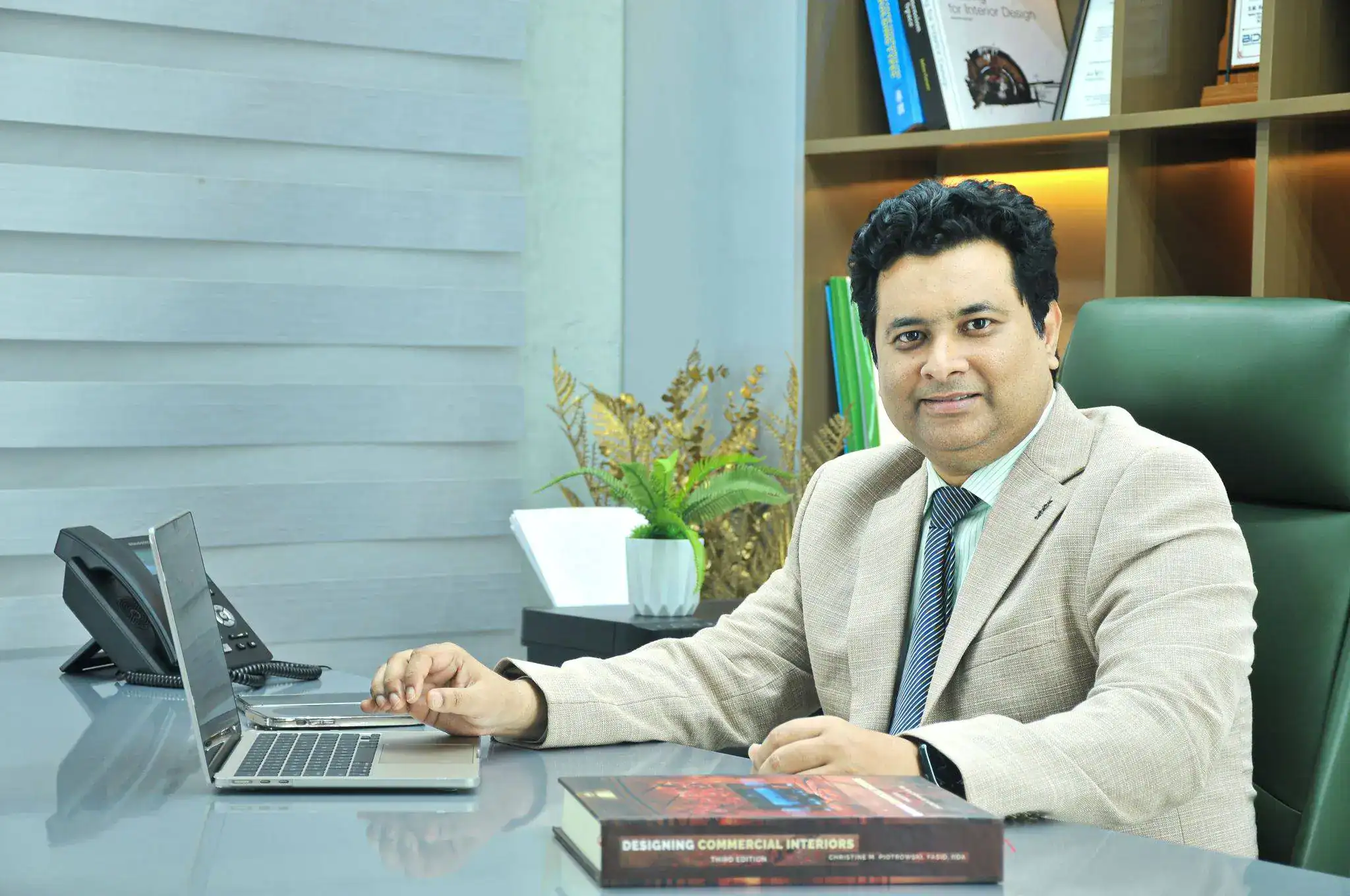
S.M. Rezaul Haque is a seasoned interior design consultant with 15+ years of experience. An AIUB graduate and Senior Vice President of BIDCOA, he specializes in creating functional, sustainable, and visually inspiring spaces. As the driving force behind BD INTERIOR, he has helped shape 700+ Bangladesh’s most innovative interior design projects.