
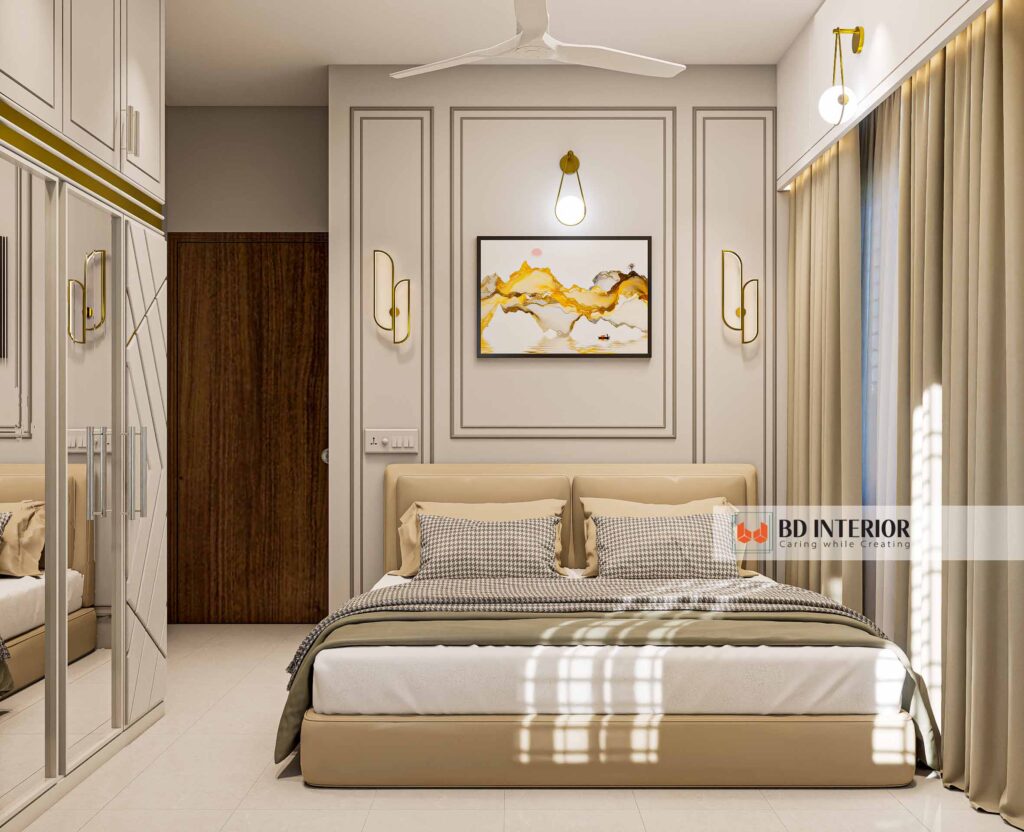
Transforming a blank, chaotic room into a personal sanctuary often feels like an impossible puzzle, doesn’t it? You see beautiful homes in magazines and on TV, but when it comes to your own space—be it a compact Dhaka apartment or a larger family home—the sheer number of choices can be paralyzing. The dream of a perfect home gets lost in arguments over budget, confusion about trends, and the frustrating reality of furniture that just doesn’t fit. This isn’t just about decorating; it’s about creating a space that tells your story and truly feels like home.
In a Summary
- Start with a Story, Not a Store: Before buying anything, define your room’s purpose and create a mood board. Your home should reflect you, not just a fleeting trend.
- Embrace the 60-30-10 Colour Rule: To avoid visual chaos, use a dominant color for 60% of your space, a secondary for 30%, and an accent for the remaining 10%. This simple formula creates perfect balance.
- Function Before Form: Measure everything twice. A functional layout with proper walking space is more critical than any single piece of furniture. Aim for at least 30-36 inches for main walkways.
First Step: Finding Your Vision (Not Just Copying Others)
The core of interior design is creating a space that tells your story. This involves defining the room’s function and gathering inspiration to create a mood board for your desired aesthetic.
Before you even think about paint swatches or furniture shops, take a moment to ask the most important question: What is this room for? Is it a cozy corner for taking’chaa’ in the evening? A vibrant hub for family adda? Or a peaceful sanctuary to escape the city’s hustle and bustle? Answering this question is your first, most crucial step.
Many of us fall into the trap of scrolling through Pinterest and trying to replicate a look that has no connection to our actual lives. This often leads to a space that feels impersonal and doesn’t function well. As the legendary designer Kelly Wearstler said, “Your home should tell your story. It’s not about trends—it’s about what resonates with you.”
To prevent this, create a mood board. Use tools like Pinterest or even a physical corkboard to collect images, colour palettes, fabric textures, and furniture styles that you are drawn to. After a week, you’ll start to see a pattern emerge. This is your unique style, not someone else’s. This visual plan will be your guide, keeping you focused and preventing those impulsive, regretful purchases.
Quick Action Plan:
- Write down the top three functions of your room.
- Create a Pinterest board and pin at least 20 images you love.
- Identify the common colours, textures, and moods in your pins.
Mastering Colour Without the Headaches
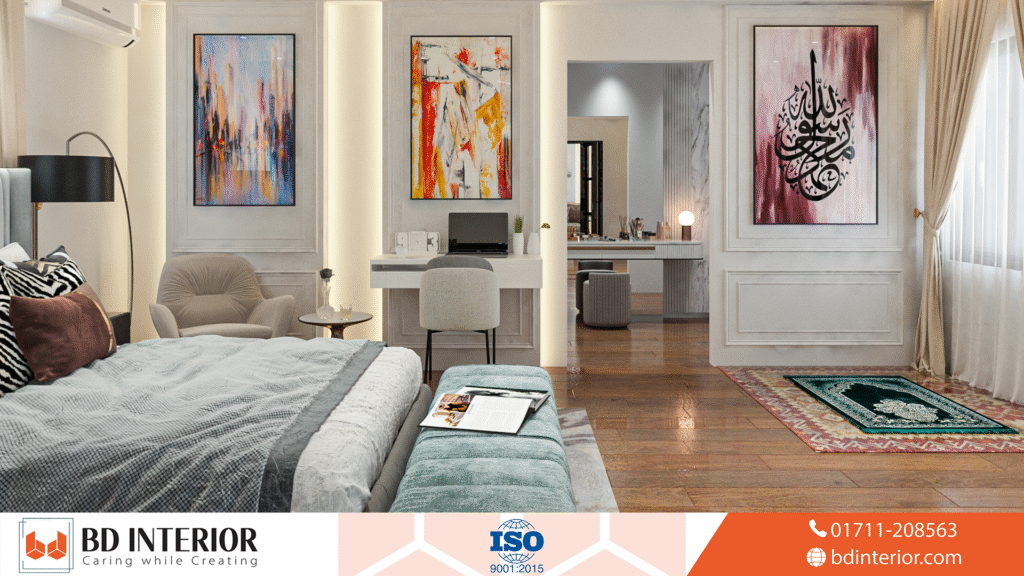
For a balanced and visually appealing palette, the 60-30-10 color rule is a professional designer’s secret weapon. It dictates that 60% of your room should be a dominant color, 30% a secondary color, and 10% an accent color.
Choosing the right paint colour is a huge point of stress, and it’s where many design dreams fall apart. We’ve all been there—that shade of blue that looked perfect in the shop turns a room into a cold, depressing cave. The secret isn’t finding one “perfect” colour; it’s about creating a balanced palette.
Here’s how the 60-30-10 rule works in a real Bangladeshi context:
- 60% Dominant Colour: This is your foundation. Think walls, large rugs, or a big sofa. In our climate, light, airy neutrals like off-white, soft beige, or very light greys are fantastic choices. They make small apartments feel bigger and reflect natural light.
- 30% Secondary Colour: Here, you can introduce more personality. This could be your curtains, accent chairs, or bed linens. Think of warmer tones like muted terracotta, earthy greens, or the deep indigo found in traditional Nakshi Kantha.
- 10% Accent Colour: This is the fun part! These are your throw pillows, artwork, vases, or a single statement piece. Think of the vibrant colours from our folk art, like a splash of mustard yellow, rich magenta, or the metallic glint of brass.
This formula ensures your room looks cohesive without being boring. It gives you the freedom to play with colour without risking a visual mess.
Quick Action Plan:
- Choose a light, neutral dominant colour for your walls.
- Select a secondary colour from a favourite piece of furniture or textile.
- Pick a bold accent colour from a piece of art or decor you love.
Planning Your Layout: Making Your Space Actually Work
A functional layout is the invisible backbone of good design. It requires accurate measurements of your room and furniture to create a floor plan that ensures proper traffic flow and usability.
In a city like Dhaka, where apartments are often compact, space planning is everything. A beautiful sofa is useless if you have to squeeze past it every time you walk by. This is where many design arguments start—the classic battle over whether the sofa should face the TV or the window.
Start with the basics: measure your room, including windows and doorways. Then, measure your main furniture pieces. Before you move anything, sketch out a simple floor plan. You can use free online tools or just graph paper. Remember to leave at least 30-36 inches for main walkways. This single step will save you from the back-breaking mistake of buying furniture that’s too big or small for your space—a very common regret.
Hot Take: Designing for Our Climate and Culture
Most international design guides ignore a crucial reality for us: humidity. Heavy velvet sofas or thick wool rugs might look luxurious, but they are impractical in our climate, as they trap moisture and dust. Instead, opt for breathable fabrics like cotton or linen. Furniture made from solid woods like teak or mahogany, which are prevalent in traditional Bengali homes, is far more durable than particleboard in our humid environment.
Furthermore, consider our lifestyle. We often host guests, so flexible seating is key. A large, well-placed area rug can anchor a seating area, creating a defined zone for conversation and resolving those furniture placement debates. In a small flat, multifunctional furniture is a lifesaver—think a divan with built-in storage or nesting tables that can be tucked away.
Quick Action Plan:
- Draw a floor plan of your room with accurate measurements.
- Create paper cutouts of your furniture (to scale) and experiment with placement.
- Choose materials suited for our climate—think wood, cotton, and jute.
Layering Light, Texture, and Personality
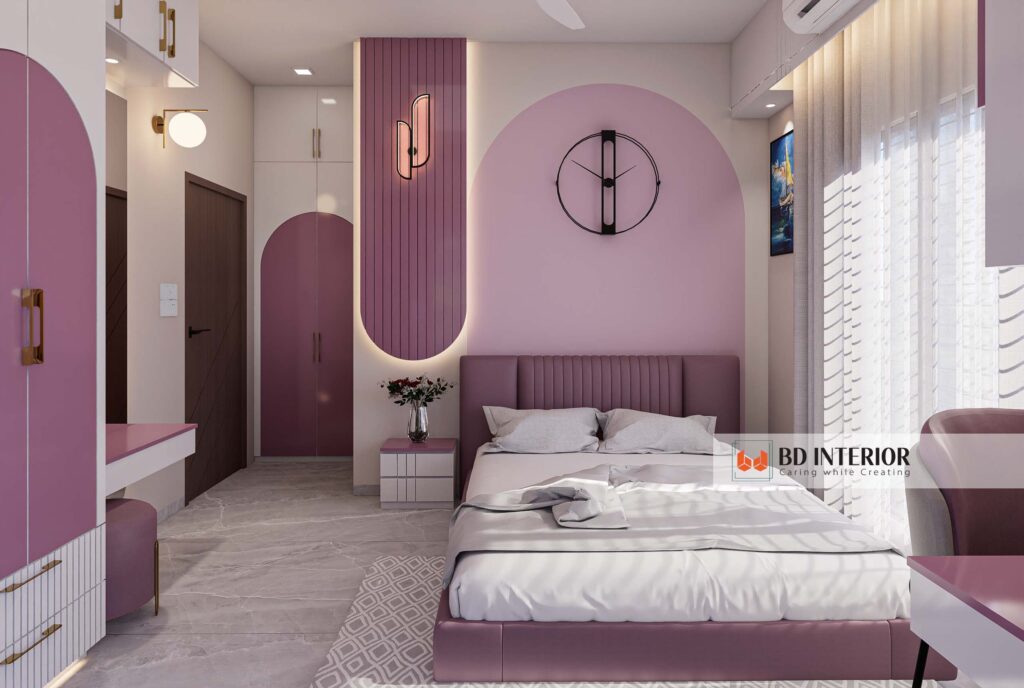
A truly beautiful room engages more than just the eyes. It’s a combination of well-planned lighting, a mix of different textures, and the personal touches that make a house a home.
Your design journey doesn’t end with furniture placement. Now, you bring the space to life. This is where you move from a decorated room to a designed experience.
Layer Your Lighting
A single overhead bulb is one of the most common design mistakes, creating harsh shadows and a flat, uninviting atmosphere. Professional designers think in layers:
- Ambient Lighting: The overall light source, like a central ceiling fixture. In our climate, choose LED lights as they emit less heat.
- Task Lighting: Focused light for specific activities, like a reading lamp beside a chair or under-cabinet lighting in the kitchen.
- Accent Lighting: This decorative layer highlights artwork, textured walls, or plants.
Incorporate Texture and Our Heritage
A room with only smooth, flat surfaces can feel sterile. Mix different materials to create depth and interest. This is a perfect opportunity to celebrate our culture! Imagine the rough texture of a jute rug, the smooth coolness of a terracotta vase, the intricate embroidery of a Nakshi Kantha throw, and the warm glow of brass decor. These elements add a rich, layered feel that is uniquely ours. As designer Nate Berkus says, “Your home should tell your story… I want to create spaces that feel timeless and layered.”
Add Your Personal Story
This is the final, most important layer. Your home should be a collection of things you love. Frame old family photos. Display souvenirs from your travels. Hang artwork from a local artist. Don’t be afraid to mix vintage pieces from your family with modern ones. Mary Graham puts it beautifully: “We think in terms of collecting rather than decorating… leaving space for the story to grow over time allows a room to reflect the lives and memories of the people who live there.”

Budgeting Realistically: Let’s Talk Taka
A successful design project requires a realistic budget that includes a contingency fund of 10-20% for unexpected expenses. The cost of a room’s interior design in Bangladesh can range from BDT 1.5 lakh to over 5 lakh, depending on the room’s size (sq ft), scope, and materials.
Here’s where the dream often meets a harsh reality. According to surveys, finances are the single biggest cause of arguments during a decorating project. Home design TV shows often create unrealistic expectations about both cost and time.
A mid-range interior for a standard bedroom in Dhaka can cost between BDT 1.5 lakh and 3.5 lakh. A living room can range from BDT 2 lakh to much higher. It’s crucial to break down your costs: furniture will be the largest chunk, followed by paint, lighting, and decor. Always set aside 10-20% of your total budget for those unexpected costs that always pop up.
To save money, consider local markets. You can find excellent, durable furniture at places like Panthapath or in local workshops that can be significantly cheaper than high-end showrooms. Refurbishing an old family piece can also be a cost-effective way to add character.
Your Home, Your Story, Your Sanctuary
Designing a room is a journey, not a destination. It’s about creating a space that functions for your life, reflects your personality, and brings you joy. Don’t get bogged down by trends or the fear of making mistakes. Start with a clear vision, make a practical plan, and infuse the space with your own story.
You have the tools and the knowledge. Now it’s time to stop dreaming and start creating a home that is unapologetically, beautifully yours.
What is the first room you plan to transform? Share your biggest design challenge in the comments below! Also, if you need a free consultation on your room interior, please contact BD INTERIOR.
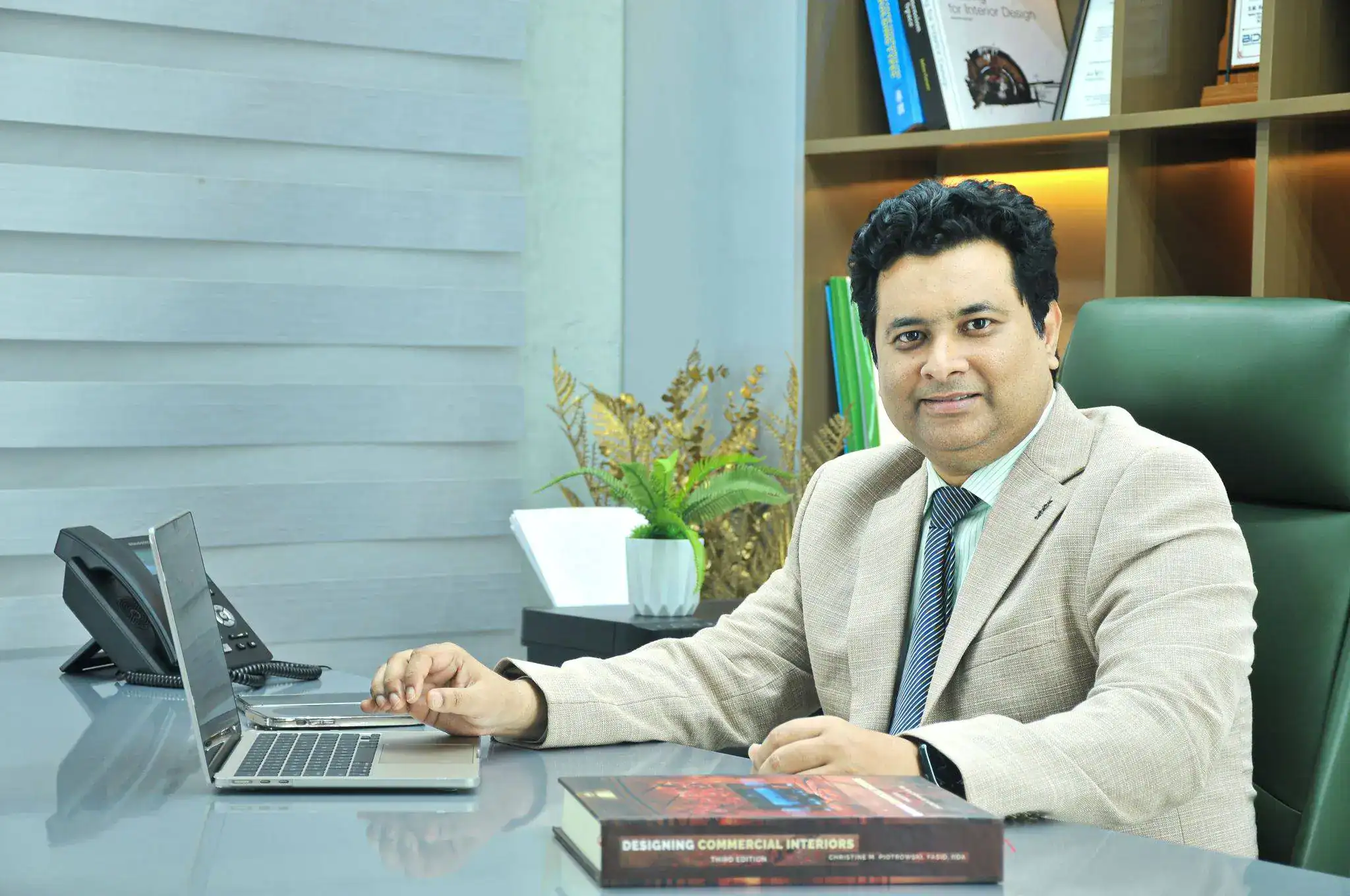
S.M. Rezaul Haque is a seasoned interior design consultant with 15+ years of experience. An AIUB graduate and Senior Vice President of BIDCOA, he specializes in creating functional, sustainable, and visually inspiring spaces. As the driving force behind BD INTERIOR, he has helped shape 700+ Bangladesh’s most innovative interior design projects.