
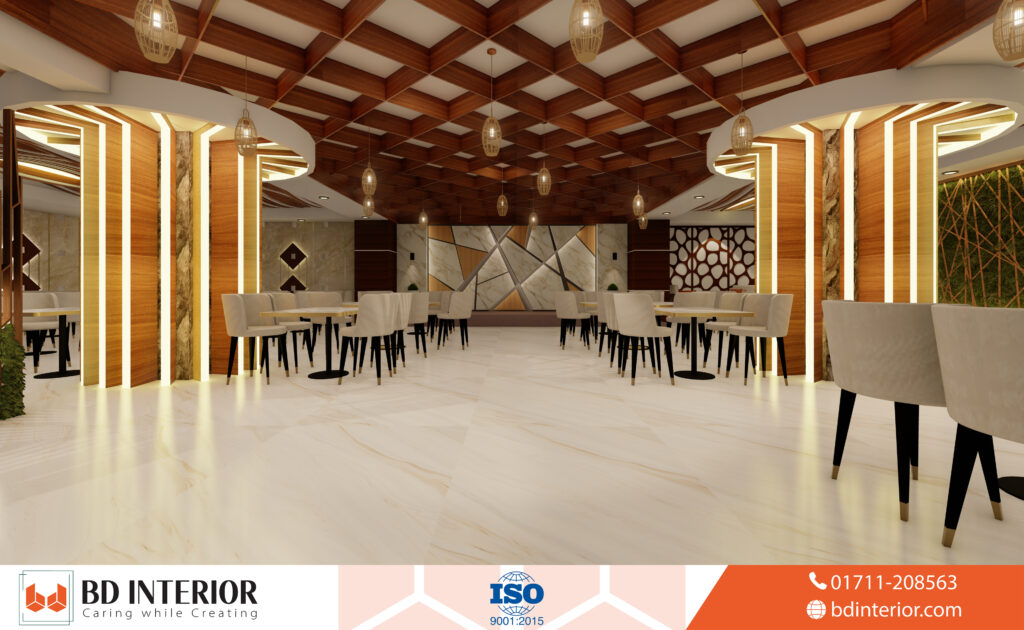
Strategic interior design can boost your restaurant’s revenue by up to 20%. In Bangladesh, success depends on more than just food; your restaurant’s interior shapes first impressions, drives repeat visits, and sets you apart.
At BD INTERIOR, we guide you to create a space that powerfully communicates your brand and ensures every guest feels welcome. Discover how to make your restaurant unforgettable amid Dhaka’s competitive scene.
Quick-Start Checklist:
- Assess Your Current Space: Determine what elements of your interior are working and what needs improvement.
- Set a Design Budget: Allocate funds for essential updates and prioritize spending based on potential impact.
- Define Your Brand Story: Use interior elements that reflect your restaurant’s theme and values.
- Research Local Resources: Explore local materials and craftsmanship that can offer cost-effective and unique design solutions.
- Plan the Layout: Ensure your space is both functional and inviting, considering customer flow and service efficiency.
- Evaluate Lighting and Color: Enhance ambiance with the right lighting and color choices to match your brand’s mood.
What Makes Restaurant Interior Design Essential for Success in Bangladesh
People often choose restaurants largely by appearance. Your interior makes an instant impression before they try your food. Good design signals quality. Diners in Dhaka, Chittagong, and Sylhet expect more than great food—they want an experience worth sharing. Key takeaway: A memorable interior helps attract and retain customers.
Designing with operational excellence in mind means ensuring that aesthetic choices never compromise the speed or quality of service provided to the customer.
A recent Google Trends analysis shows a significant surge in searches for ‘sustainable restaurant interiors,’ indicating a clear shift in consumer interest toward eco-conscious dining environments.
Successful restaurateurs focus on creating a multi-sensory dining experience that engages sight, sound, and smell to build deep emotional connections and leave a lasting impression on guests.
The National Restaurant Association emphasizes that aesthetic upgrades are no longer optional but essential for maintaining a competitive edge in today’s increasingly visual and digital-first marketplace.
Consumer surveys for 2025 indicate that 72% of adults now prioritize ambiance over price when dining out, highlighting the shift toward experience-based value in the hospitality sector.
Integrating biophilic design—using natural elements to connect diners with nature—has become a standard for improving guest well-being and air quality in dense urban centers like Dhaka.
Recent industry data suggests that 88% of diners consider interior design a high priority when selecting a new venue, directly impacting their initial decision-making process.
Interior Design Directly Impacts Revenue
Effective interior design determines how long customers stay and what they spend. Comfortable seating encourages longer visits. Good lighting makes food appealing. The right ambiance can raise bill size by 15-20%. We’ve seen owners double profits after improving layouts and decor. Key takeaway: Every design decision can boost customer spending and overall profits.
Analyzing socio-demographic variables allows owners to tailor their interior aesthetics to the specific age, income, and lifestyle preferences of the local neighborhood clientele.
Psychological studies confirm that a well-executed interior significantly increases repurchase intention, as diners are more likely to return to spaces where they felt physically comfortable.
Implementing high-efficiency lighting and climate control systems often leads to a 30% energy cost reduction, proving that sustainable design is as financially rewarding as it is ethical.
Adopting regenerative interior design principles goes beyond sustainability by actively improving the surrounding environment through carbon-sequestering materials and waste-reducing construction methods.
Creating Brand Identity Through Design
Your interior tells your brand story. A traditional restaurant needs different elements than a modern cafe. Color, material, furniture, and lighting convey your identity and help customers remember you.
Global firms like HBA (Hirsch Bedner Associates) have demonstrated that luxury is often defined by the seamless marriage of local cultural heritage and sophisticated modern architectural elements.
Renowned designers like Ilse Crawford of Studioilse argue that putting human needs at the center of the design process is what truly fosters a sense of belonging.
Key Elements of Modern Restaurant Interior Design That Drive Customer Experience
Lighting completely transforms your restaurant’s atmosphere. Natural light works best during the day—large windows create an airy, fresh feeling. For evening dining, warm lighting makes spaces cozy and intimate. Task lighting over tables helps customers read menus easily. Accent lights highlight artwork or special features. We recommend layered lighting that you can adjust based on time and occasion.
Integrating smart technology like automated climate control and dimmable smart bulbs allows for precise environmental adjustments that cater to the specific mood of each dining session.
Color Psychology in Restaurant Spaces
Colors influence appetite and mood. Red and orange stimulate hunger—good for fast-casual spots. Blue creates calmness but can reduce appetite, so use it carefully. Green suggests health—ideal for organic or vegetarian restaurants. Neutral tones work universally well.
In Bangladesh, combining traditional and modern palettes makes culturally relevant spaces. Key takeaway: Use color strategically to match your menu and brand vibe.
Furniture Selection and Comfort
Your chairs and tables must balance comfort with functionality. Booth seating offers privacy for families. Barstools work for quick-service concepts. Table height matters—standard dining tables are 30 inches high. Allow 24-30 inches of space per person.
In this case, choose durable materials that withstand heavy use. Wooden furniture adds warmth, while metal gives a contemporary edge. Key takeaway: Choose furniture based on both customer comfort and your concept’s needs.
Acoustics and Sound Management
Nobody enjoys shouting over the noise during dinner. Sound-absorbing materials like fabric panels, carpets, and acoustic tiles reduce echo. Background music should enhance, not dominate. Keep volume at 65-70 decibels—loud enough to create ambiance but quiet enough for conversation.
Also, proper acoustics make your restaurant comfortable for people of all ages. Key takeaway: Invest in sound management to create a pleasant atmosphere.
Restaurant Interior Design Styles and Themes Popular in Dhaka and Bangladesh
This style honors cultural roots. Exposed brick, terracotta, and handcrafted wood offer charm. Nakshi kantha, pottery, and brass add character. Imagine a skilled artisan in a small village, weaving stories of heritage into a Nakshi kantha, each stitch narrating the vibrant culture of Bengal.
Also. jute and bamboo provide texture. This approach fits Bengali restaurants in Dhanmondi, Gulshan, and Old Dhaka.
Contemporary Minimalist Approach
This style uses clean lines, neutral colors, and uncluttered space. White or gray walls add brightness. Simple, sleek furniture maximizes space. Minimal decor focuses on food. This works for modern cafes and fine dining. Young professionals in Banani and Bashundhara prefer this look.
Embracing the Danish hygge or Scandinavian style can introduce a sense of cozy minimalism that resonates well with the rainy, atmospheric climate often found in Bangladesh.
Industrial and Urban Themes
Exposed pipes, concrete, and metal make edgy, urban designs. Edison bulbs add character. Reclaimed wood warms the industrial style. This look is popular in Dhaka’s trendiest areas, especially at burger bars, craft beer spots, and fusion dining spots.
The industrial aesthetic often evokes a sense of rebellion and authenticity, resonating with diners seeking a genuine, unpretentious atmosphere.
By incorporating elements like exposed pipes, restaurants can align the gritty aesthetic with a bold, fusion burger menu that further amplifies this theme. This intentional design choice can create an emotional connection with your guests, encouraging them to embrace and share the unique dining experience.
For avant-garde concepts, utilizing parametricism in ceiling or wall installations can create fluid, complex geometries that establish the restaurant as a landmark of modern architectural innovation.
Incorporate Wabi-sabi principles to celebrate imperfections in natural materials, creating a grounded, authentic atmosphere that feels both timeless and deeply personal for the diner.
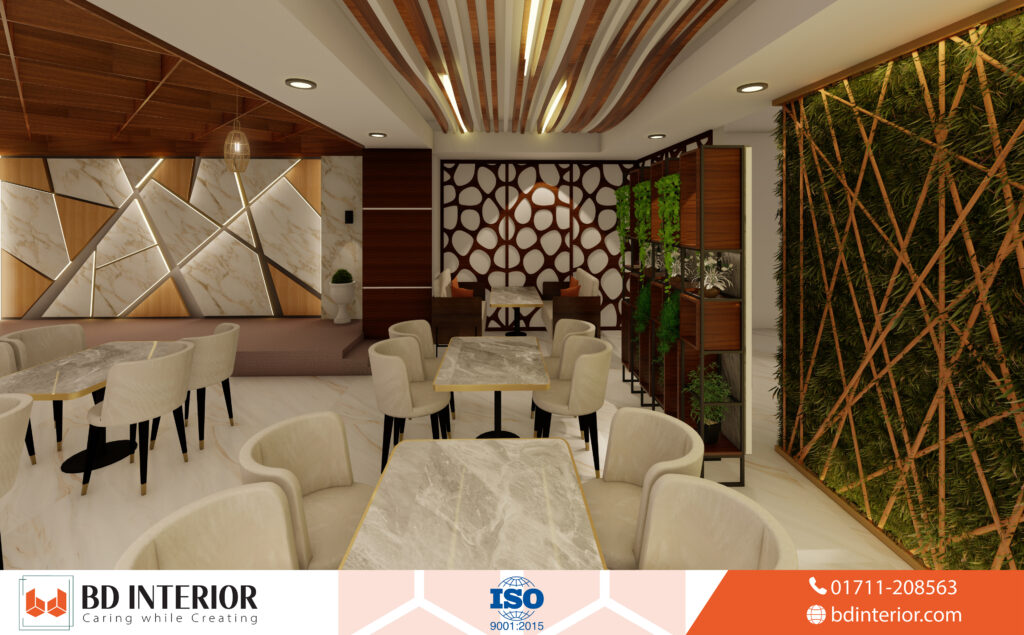
Space Planning and Layout Strategies for Different Restaurant Types
Fine dining requires generous space—allocate 15-20 square feet per guest. Tables should sit 6-8 feet apart for privacy. Create distinct zones: entrance, waiting area, main dining, and private rooms. Lighting should be adjustable and intimate. Include space for service stations that remain hidden from diners. The kitchen should occupy 30-35% of the total space.
Casual Dining and Family Restaurants
These spaces need flexibility. Mix table sizes—two-tops, four-tops, and larger tables for groups. Allow 12-15 square feet per person. Create a clear path from the entrance to the seating. You should include a visible host stand. Family restaurants benefit from dedicated kids’ areas. So, use durable, easy-to-clean materials throughout. The layout should feel open yet organized.
Transitioning from traditional rows to circular layouts can foster a more intimate and inclusive atmosphere, encouraging social interaction and better flow within the dining area.
Prioritizing post-pandemic flexibility through modular furniture and adaptable floor plans ensures your restaurant can quickly pivot to accommodate changing health protocols or varying group sizes.
Looking ahead, the National Restaurant Association reports that 80% of operators expect sales growth in 2025, provided they adapt their physical spaces to meet evolving consumer expectations.
Quick Service and Fast Food Concepts
Quick service layouts maximize efficiency. Keep ordering counters and menu boards prominently. Provide queue space. Place self-service areas thoughtfully. Use 10-12 square feet per person. High tables and counters boost capacity. Fast turnover means focus on function, not comfort.
Strategically planning for QR code integration on custom tabletop surfaces reduces clutter while maintaining the sleek aesthetic of a modern, tech-forward dining experience.
Expert architects emphasize that optimizing spatial use and circulation is critical to preventing bottlenecks during peak hours, ensuring both staff and guests move freely.
Streamlining the layout to accommodate modern technology like Toast POS systems ensures that servers can move efficiently without disrupting the visual harmony of the dining room.
Cafe and Bistro Configurations
Cafes need flexible seating—mix couches, armchairs, and tables. Create cozy corners for solo work. Add communal tables for groups. Place counter seating by windows. Include power outlets at seats. Leave space for display cases near entrances.
Cost-Effective Restaurant Interior Design Tips for Bangladeshi Restaurant Owners
Prioritize essentials—kitchen equipment, basic furniture, and safety features deserve top funding. Allocate 40% of your budget to function, 30% to aesthetics, and 30% to lighting and finishing touches. Perfection isn’t needed on day one; plan phased improvements as revenue grows.
We help clients identify high-impact investments. Key takeaway: Focus investments on areas with the greatest lasting impact and upgrade them over time.
Using Local Materials and Craftsmen
Bangladesh offers incredible local resources. Bamboo, jute, and locally-sourced wood cost less than imports. Local interior firm creates beautiful custom pieces at reasonable prices. Markets in Dhaka, like Karwan Bazar and Chawkbazar, offer affordable decor items. Supporting local suppliers also means easier maintenance and replacements.
This approach saves 30-40% compared to imported materials. To ensure reliable partnerships with suppliers, perform due diligence. Ask for references and, if possible, visit workshops. Reviewing previous work or projects they have completed can help you avoid costly mistakes.
DIY Elements That Add Character
Some design elements you can handle yourself. However, think beyond cost-cutting; use DIY to tell your restaurant’s unique story. For instance, consider picking one DIY element that visually narrates your restaurant’s founding story. Wall murals created by local artists not only cost less than wallpaper but can also depict scenes from your restaurant’s origins.
Repurposed vintage items add unique character while echoing your restaurant’s history or theme. Plants and open shelving create a fresh look and highlight aspects of your brand’s journey. Creative lighting with local fixtures tells your story and adds impact without a huge expense.
Installing vertical gardens or green walls provides a lush, vibrant backdrop that serves as both a natural air filter and a highly shareable social media feature.
Following standards set by the Green Restaurant Association can help owners implement eco-friendly fixtures that reduce environmental impact while signaling a commitment to sustainability to conscious consumers.
Where to Splurge vs. Save
Invest heavily in durable flooring—you’ll save on replacements. Quality kitchen equipment prevents costly breakdowns. Comfortable seating keeps customers longer. Save on decorative items you can easily change. Wall paint refreshes cheaply. Table linens and small decor rotate seasonally without a big investment. A professional designer like BD INTERIOR helps you make these decisions wisely.
Frequently Asked Questions
Conclusion
Restaurant interior design is a crucial driver of success in Bangladesh’s evolving market. You now see how it shapes customer experience, brand identity, and business outcomes across all restaurant types.
Whether you’re opening a traditional eatery or a trendy cafe, strategic, thoughtful design attracts guests and maximizes profits. Work with experienced professionals to ensure your interior delivers lasting value and makes your restaurant a standout choice.
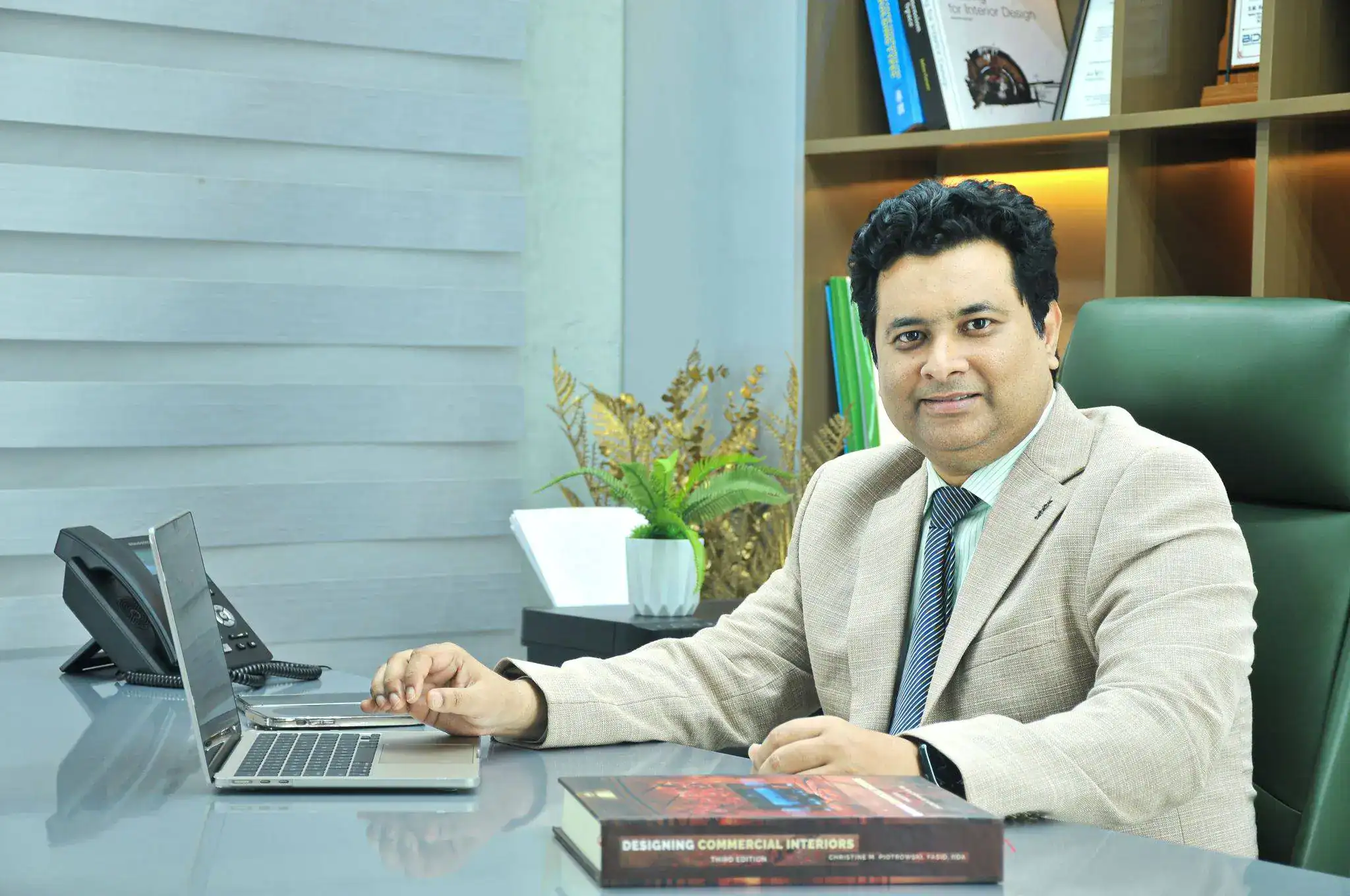
S.M. Rezaul Haque is a seasoned interior design consultant with 15+ years of experience. An AIUB graduate and Senior Vice President of BIDCOA, he specializes in creating functional, sustainable, and visually inspiring spaces. As the driving force behind BD INTERIOR, he has helped shape 700+ Bangladesh’s most innovative interior design projects.