
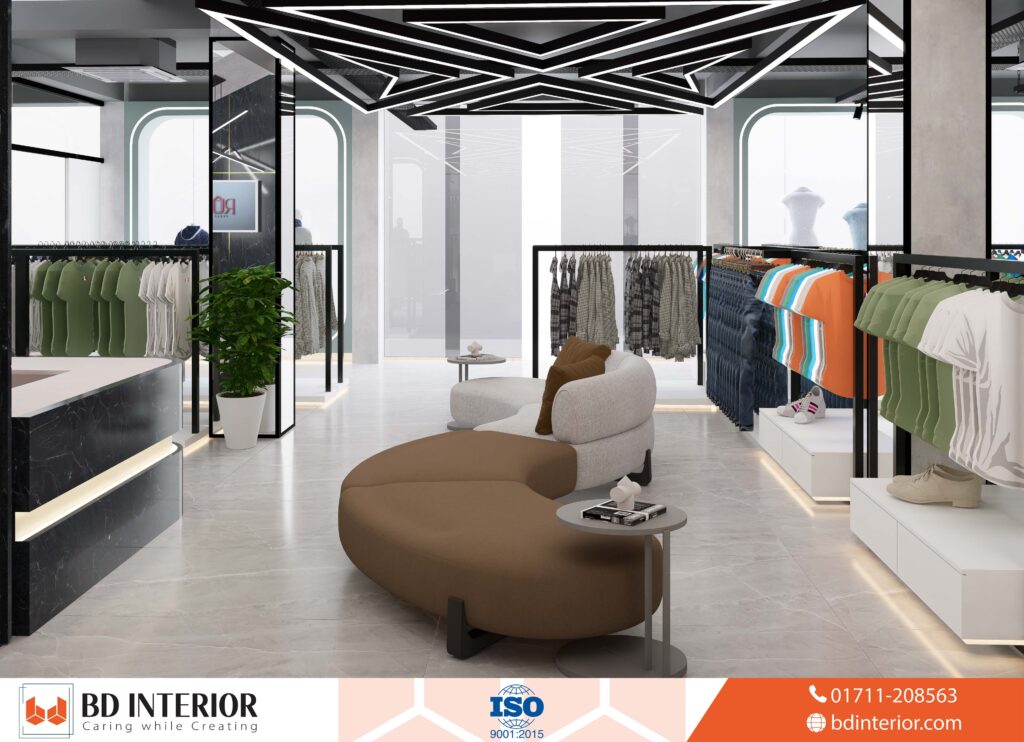
A showroom’s main goal is to drive sales. This guide offers practical steps to transform your space into one that connects with customers and drives revenue, whether you’re starting fresh or renovating.
Modern showroom design strategically combines aesthetics and function to reflect your brand and facilitate sales. Every design choice should foster trust and simplify the customer’s purchasing process.
Essential Elements of Modern Showroom Interior Design
An effective showroom uses consistent design to deliver a seamless brand experience and guide customer actions toward purchase.
Creating a Welcoming First Impression
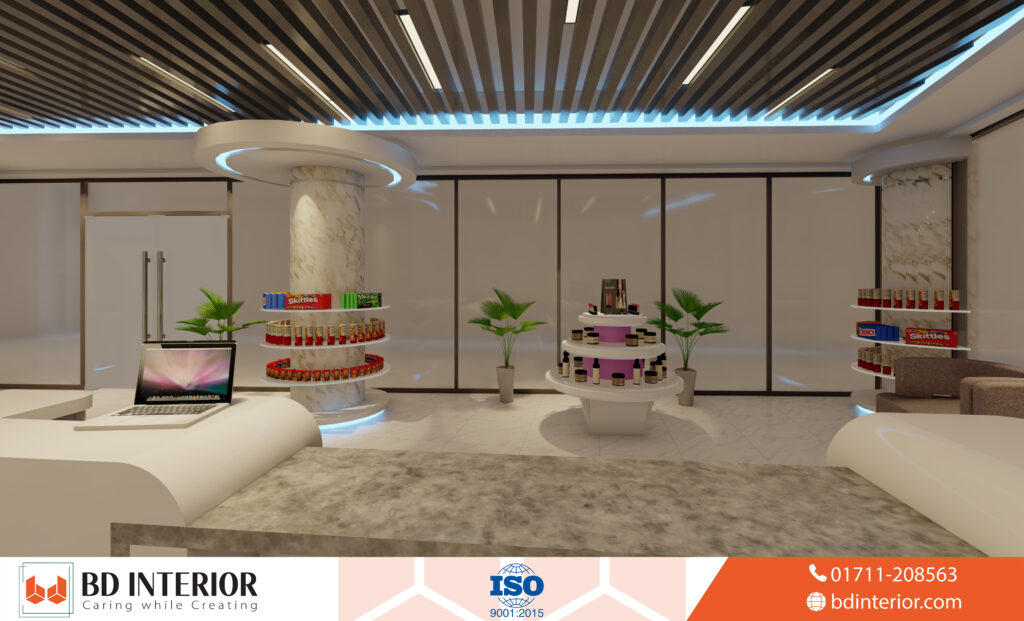
Your entrance shapes how customers feel about their visit. Use open sightlines so people can see your products right away. Clear walkways encourage browsing without making the space feel crowded. You can add a standout feature near the entrance, like a statement wall, special flooring, or a unique display that shows off your brand’s personality.
Integrating biophilic design through living walls or natural timber can reduce shopper stress levels, a technique increasingly used to extend the time customers spend browsing.
The reception area deserves special attention. Staff should be visible but not intrusive. A well-designed service desk positions your team where they can assist without blocking traffic flow. Materials matter here: choose surfaces that communicate quality and durability.
Balancing Aesthetics with Functionality
A practical showroom design helps you avoid missing sales because of overlooked details. Plan your layout and customer flow before finalizing the design to balance product displays, customer movement, and staff needs.
Keep storage out of sight but easy to reach. Use built-in cabinets, storage under displays, and organized back rooms to keep your showroom tidy. Clean spaces help your products stand out and create a professional feel.
Material Selection and Durability Considerations
Showrooms endure heavy foot traffic and constant product handling. Choose materials that maintain their appearance despite daily wear. Porcelain tiles, commercial-grade carpeting, and sealed concrete floors offer longevity without sacrificing style.
While nearly 70% of high-end finishing materials are still imported, using the 20% of premium local alternatives can significantly reduce lead times for urgent renovation projects.
Recent tax adjustments in the financial year 2024-2025 budget have made it more cost-effective for businesses to import specialized construction materials for large-scale commercial renovations.
According to REHAB, high-quality showroom finishes are now a prerequisite for developers looking to secure premium commercial tenants in an increasingly competitive urban landscape.
The local interior sector has surged to a Tk 20,000 crore market size in 2024, reflecting a massive shift toward professional commercial space optimization in the region.
Choose wall treatments that highlight your products instead of distracting from them. Neutral backgrounds with a few accent walls work well. Add texture with wood panels, fabric, or 3D features to create depth without taking attention away from your products. In a professional showroom, durability and good looks are both important.
Industry data indicates that 90% of new luxury apartments now utilize professional interior decoration, making it essential for showrooms to present fully realized, lifestyle-oriented room settings.
Incorporating regional elements like Jamdani textiles or Nakshi Kantha patterns into wall panels creates a unique cultural narrative that resonates deeply with local heritage and identity.
Expert BUET architects emphasize that technical structural integrity must underpin visual appeal to ensure that heavy display installations remain safe for long-term public interaction.
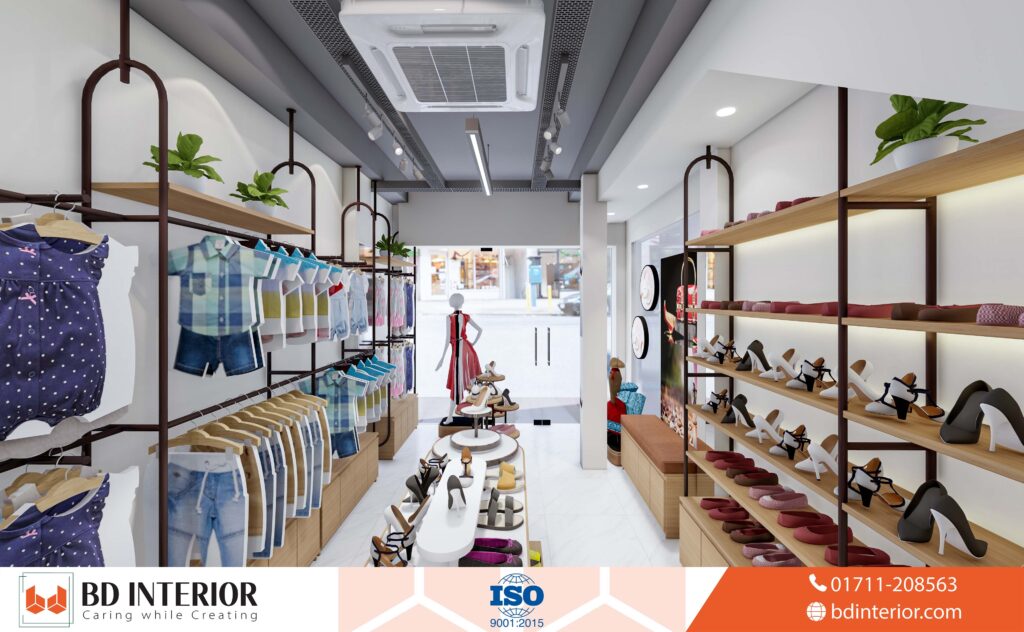
Strategic Layout Planning and Space Optimization for Showrooms
Strategic showroom layouts guide customers to products and encourage sales through smooth movement and clear sightlines.
Designing Customer Flow Patterns
Most customers walk through stores in a counterclockwise direction. Place your best-selling or most profitable products along this path. Make sure your main aisles are at least 5 feet wide so people can browse comfortably, even when it’s busy.
Try not to have dead ends in your layout. Circular or loop designs help customers see everything you offer. If you must have a dead end, put an interesting display there to make it worth the walk. Place seating areas in smart spots so customers can pause and think about their purchases without feeling rushed.
Applying principles of spatial ergonomics ensures that these rest areas are positioned at natural decompression points, preventing the physical fatigue that often leads to abandoned shopping trips.
Zoning Different Product Categories
Organize your showroom by grouping similar items to make shopping easier. Create clear zones for different product lines or price ranges. Visual cues, such as changes in flooring, ceiling height, or wall color, signal to customers that they’ve entered a new section.
Place popular products in areas that draw customers further into your showroom. Put related items together to encourage people to buy more than one thing. For example, if you sell furniture, set up room displays with matching pieces. This helps customers picture the products in their own space and makes the most of your showroom.
Maximizing Display Capacity Without Overcrowding
Having more products on display doesn’t always lead to more sales. Crowded displays can overwhelm shoppers and make items seem less valuable. Try the 60-40 rule: use 60% of your space for displays and keep 40% open. This gives each product room to stand out.
Use vertical space to show more products without taking up extra floor area. Wall shelves, hanging fixtures, and tall displays help draw attention upward. Change up the heights of your displays to keep things interesting and make sure products at all levels get noticed. Good showroom design means having plenty to see, but still making everything easy to reach.
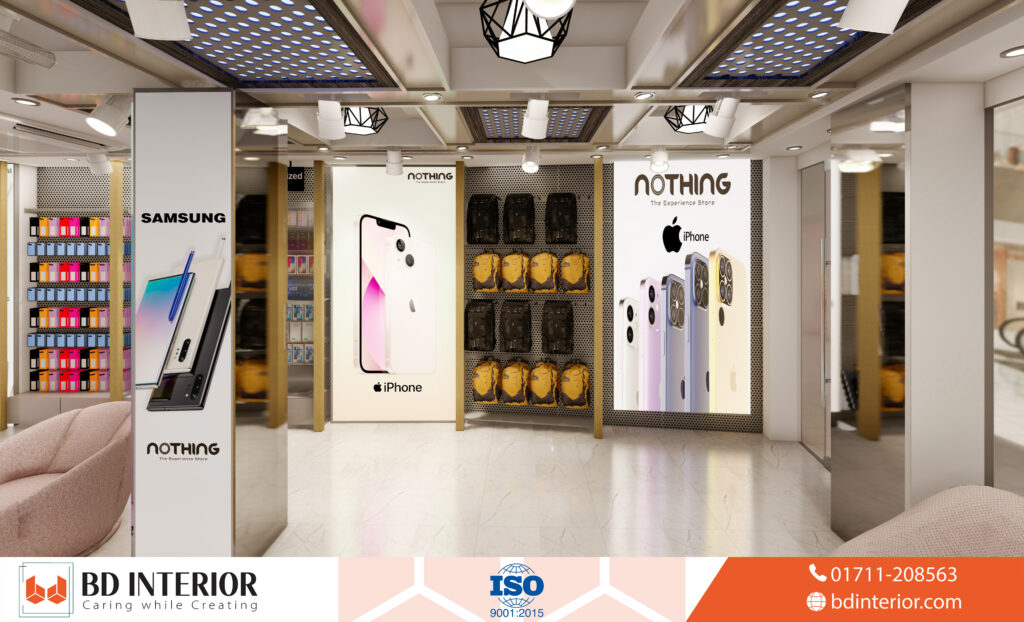
Lighting Design Techniques That Enhance Product Visibility
Lighting plays a big role in how customers see your products and space. Good lighting highlights features, prevents eye strain, and sets the mood, all of which shape how customers feel about your showroom.
Layering Ambient, Task, and Accent Lighting
Professional showrooms use three types of lighting. Ambient lighting gives general light, usually from recessed or track fixtures that spread light evenly. This base layer should be bright enough for easy movement, but not create harsh shadows.
Task lighting focuses on specific areas where customers examine products closely. Under-cabinet lights, adjustable spotlights, or pendant fixtures above demonstration tables serve this purpose. These fixtures use higher wattage to illuminate details that influence purchase decisions.
Accent lighting adds interest and draws attention. Use spotlights to highlight special products, unique features, or brand messages. This type of lighting adds depth and helps guide customers to the most important items.
Color Temperature and Its Impact on Products
The color of your lighting changes how products look. Color temperature, measured in Kelvins, ranges from warm (2700K-3000K) to cool (5000K-6500K). Warm light feels cozy and works well for home or lifestyle products. Cool light looks crisp and is good for tech or car showrooms.
Make sure your lighting shows your products’ true colors. Fashion stores often use 3500K-4000K lighting, which makes skin tones look natural and keeps things clear. Always test your lighting before installing it, since what looks good in theory might not look right on your products.
Energy-Efficient Solutions for Showrooms
LED technology revolutionized showroom interior Design by offering energy savings without sacrificing quality. Modern LEDs provide excellent color rendering, adjustable intensity, and decades-long lifespans. We recommend fixtures with minimum CRI (Color Rendering Index) ratings of 90 for accurate color representation.
Smart lighting lets you change brightness and color during the day. Use brighter, clearer light in the morning and warmer, softer light in the evening. You can also set up special lighting for events or seasonal displays. These systems save energy and make the shopping experience better.
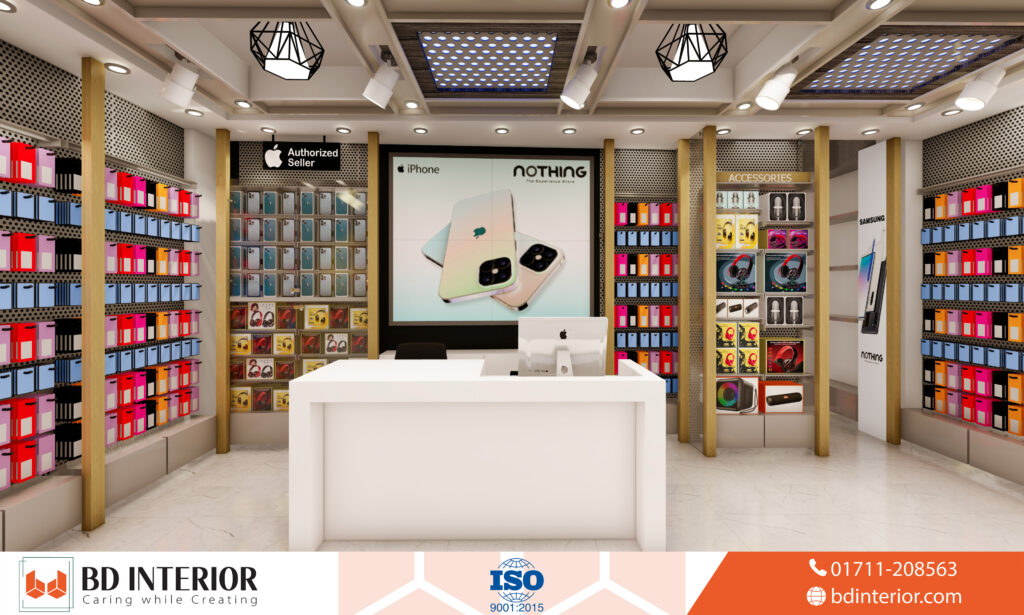
Brand Identity Integration Through Interior Design
Your showroom must immediately communicate your brand identity. Every design decision should reinforce this message.
Translating Brand Values Into Physical Space
Begin by choosing three main qualities that define your brand. Are you innovative, traditional, eco-friendly, luxurious, or accessible? These traits should guide your choices for materials, colors, and layout. For example, a tech brand might use simple designs and neutral colors, while a sustainable brand could use recycled materials and lots of plants.
Designers are increasingly incorporating emerald green and royal blue as 2025 trend colors to evoke a sense of stability and luxury that complements a wide variety of product categories.
Aligning your material sourcing with Sustainable Development Goals (SDGs) demonstrates corporate responsibility, a factor that many modern consumers consider when choosing where to shop.
Consistency is important everywhere your brand appears. Your showroom should match your website, packaging, and marketing. Customers should recognize your brand right away because everything looks connected. Create a design guide that lists your approved colors, materials, and styles for future updates.
Strategic Use of Brand Colors and Graphics
Use your brand colors carefully, not everywhere. Pick one main spot for a bold color, like a feature wall or a special floor detail. You can add your brand colors in smaller ways with accessories, furniture, or signs.
Graphics and signage extend your brand story. Large-format wall graphics can showcase product applications, company history, or customer testimonials. Keep messaging concise and impactful. Consider dimensional letters or backlit signs that add sophistication beyond printed graphics. Quality signage demonstrates attention to detail that customers associate with product quality.
Creating Memorable Visual Touchpoints
Unique design features help people remember your showroom. This could be a special material, a signature scent, or a standout architectural detail that people link to your brand. These touches should feel real and not like a gimmick.
Investing in bespoke interior solutions allows brands to create custom-tailored fixtures that accommodate non-standard product shapes while maintaining a cohesive, high-end look throughout the floor.
Luxury retailers like Renaissance Decor Limited often utilize Versace Home collections to demonstrate how high-end furniture can anchor a space and signal prestige to affluent clientele.
Interactive displays encourage customers to do more than just look. Let people touch products, try demos, or customize items to connect with what you offer. These hands-on experiences are more memorable than just browsing. Good showroom design understands that emotional connections help drive sales.
Technology and Interactive Features in Contemporary Showrooms
Adding digital features can make in-store shopping better if used wisely. Technology should solve real problems or add value, not just be there for show.
Digital Displays and Interactive Product Catalogs
Large touchscreen displays let customers browse expanded inventories beyond physical stock. These digital catalogs can show products in different colors, configurations, or environments. Customers appreciate exploring options independently before requesting staff assistance.
The rapid expansion of the Tk 5,000 crore interior technology market has introduced sophisticated tools that bridge the gap between physical product displays and digital inventory management.
With the industry projected to grow at a CAGR of 14.1% between 2026 and 2032, businesses are prioritizing scalable designs that can adapt to rapid market changes.
Put interactive displays close to the products they relate to. For example, if someone is looking at a sofa, they should be able to use a screen nearby to see fabric choices, prices, and availability. Blending digital and physical features makes shopping smoother. Make sure displays are easy to use. If customers need instructions, the setup should be simpler.
Virtual Reality and Augmented Reality Applications
VR and AR help customers see how products would look in their own spaces. Furniture stores use AR apps to show items in a customer’s home using a phone camera. Car showrooms offer VR test drives. These tools help customers decide by answering questions like, “Will this work for me?” before they buy.
These technologies are now more affordable, so even mid-sized stores can use them. Start with simple features and add more as customers respond. The best uses of technology fix real customer problems, not just show off new gadgets.
In line with the Smart Bangladesh vision and the Fourth Industrial Revolution, retailers are adopting automated systems to create more efficient, data-driven shopping environments.
Smart Climate Control and Comfort Features
Comfort in your store affects how long people stay. Smart heating and cooling systems keep the temperature right and save energy. Use different temperature zones for different areas. For example, people trying on clothes need it warmer than those looking at electronics.
Installing AI-powered climate control allows the system to learn peak traffic hours, automatically adjusting airflow to maintain comfort while cutting energy consumption by up to 30%.
Air quality is more important than many retailers think. Bad ventilation makes stores stuffy and can drive customers away. Modern systems check CO2 levels and bring in fresh air as needed. Some showrooms even use their HVAC systems to add gentle scents that help customers remember the brand.
Specifying low-VOC paints for these surfaces ensures a healthier indoor air quality for both staff and customers, meeting modern environmental safety standards for enclosed retail environments.
Also, keep background music quiet and subtle. What sounds right during setup can be too loud when the store is busy. Use systems that adjust volume as customer numbers change. You should choose music that fits your brand and customers, but make sure it doesn’t overpower conversations.
Overall, you have gotted a clear understanding of how to design your showroom by applying modern, ROI-driven design, structure, and layout.

S.M. Rezaul Haque is a seasoned interior design consultant with 15+ years of experience. An AIUB graduate and Senior Vice President of BIDCOA, he specializes in creating functional, sustainable, and visually inspiring spaces. As the driving force behind BD INTERIOR, he has helped shape 700+ Bangladesh’s most innovative interior design projects.