

Choosing the right materials is essential for building your dream home. Bangladesh’s climate makes it hard to find durable, affordable materials. This guide helps you select lasting, attractive options that suit your budget.
Overview of Interior Design Materials: Complete Categories & Applications
Interior design materials fit into main groups, each serving a unique purpose. For floors, options include tiles, hardwood, laminate, or vinyl. Walls are painted, wallpapered, panelled in wood, or clad in stone. Ceilings are often made of gypsum boards, POP, or wood panels.
Furniture is made from materials such as solid wood, engineered wood, metal, and various fabrics. Decorative touches include glass, mirrors, and stone. Knowing these categories helps you pick materials that are strong, comfortable, and stylish. Mixing materials can help you create a look that matches your personality.
How Different Materials Work in Various Spaces
Every room needs materials with certain qualities to work well and feel comfortable. Kitchens do best with surfaces that resist moisture and heat, like ceramic tiles and stainless steel, which are also easy to clean. Bathrooms need waterproof options, such as porcelain tiles and water-resistant paint. For living rooms, hardwood or carpet flooring adds comfort and style.
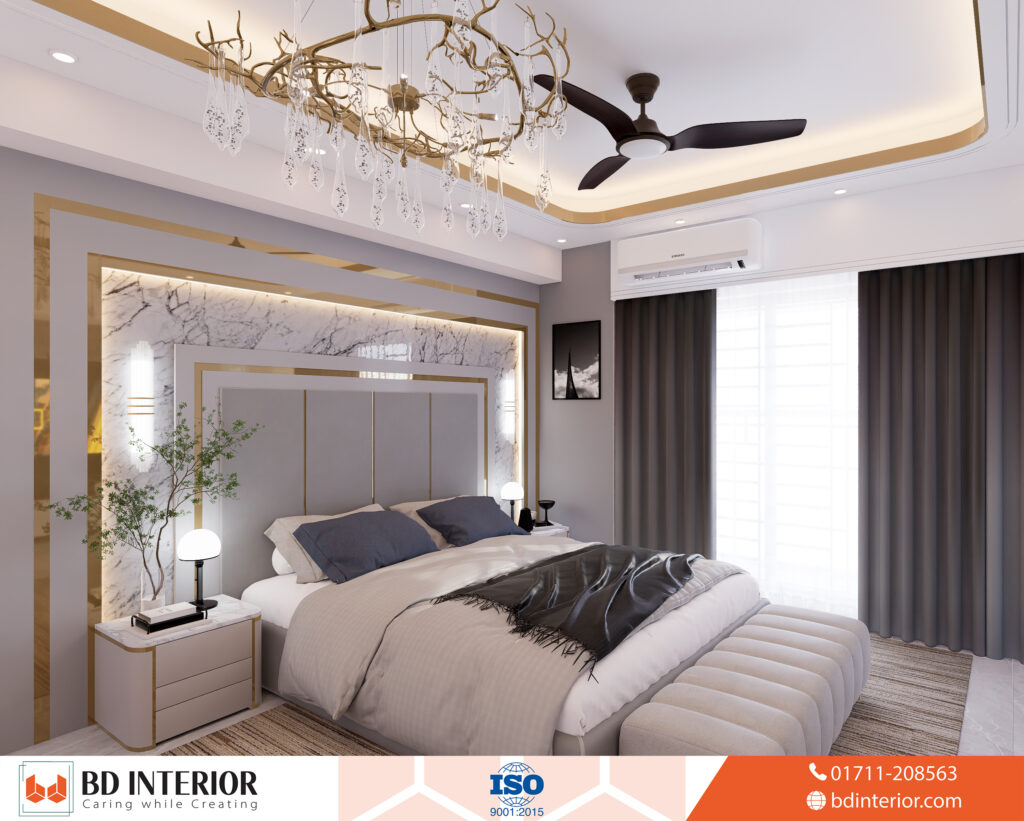
Bedrooms benefit from softer materials for a cozy feel. Balconies need weather-resistant choices for lasting outdoor use. Commercial spaces require durable materials to reduce replacement costs. Matching materials to each space ensures a long-lasting, comfortable, and functional home.
Material Properties That Affect Your Choice
Each material has qualities that affect its durability. Durability tells you its longevity with use. Some materials need regular cleaning or annual care. Appearance changes the feel of your home.
Thermal properties affect your cooling costs during hot summers. Acoustic qualities control noise levels between rooms. Chemical resistance protects against stains and spills. Fire resistance ensures safety in the event of an accident. Understanding these properties guides you toward practical choices that serve you well for years.

Top Interior Design Materials for Bangladesh Climate: Durability Meets Style
Bangladesh is humid, special flooring is needed. Vitrified tiles resist moisture, stay cool, and are easy to maintain. Porcelain tiles are durable and come in many designs.
Vinyl flooring is water-resistant, affordable, comfortable, and handles moisture. Granite suits busy areas. Natural stone keeps floors cool and ages well. Don’t use regular hardwood in damp spaces.
Wall Materials That Combat Moisture Problems
Walls in Bangladeshi homes often have to deal with moisture. Acrylic emulsion paints are formulated to prevent mold growth. They dry fast and handle humidity better than oil-based paints. Textured paints can make walls look interesting and hide small flaws.
Ceramic wall tiles waterproof wet areas. Glass tiles bounce light and make small rooms seem bigger. According to Accio, fiber cement boards are non-combustible and often hold a Class A fire rating, offering added safety. These choices keep your walls dry and attractive.
Climate-Resistant Furniture and Fixture Materials
Furniture must withstand Bangladesh’s temperature fluctuations and humidity. Teak wood naturally resists moisture and insect damage. Engineered wood with proper lamination handles humidity better than solid alternatives. Metal furniture with powder coating prevents rust formation.
Use synthetic rattan outdoors without worrying. Stainless steel fixtures won’t rust. Aluminum frames won’t warp like wood. Melamine finishes are easy to clean and water-resistant. These materials maintain their look even in tough weather.
How to Choose Interior Design Materials: Budget Planning & Cost Factors in Bangladesh
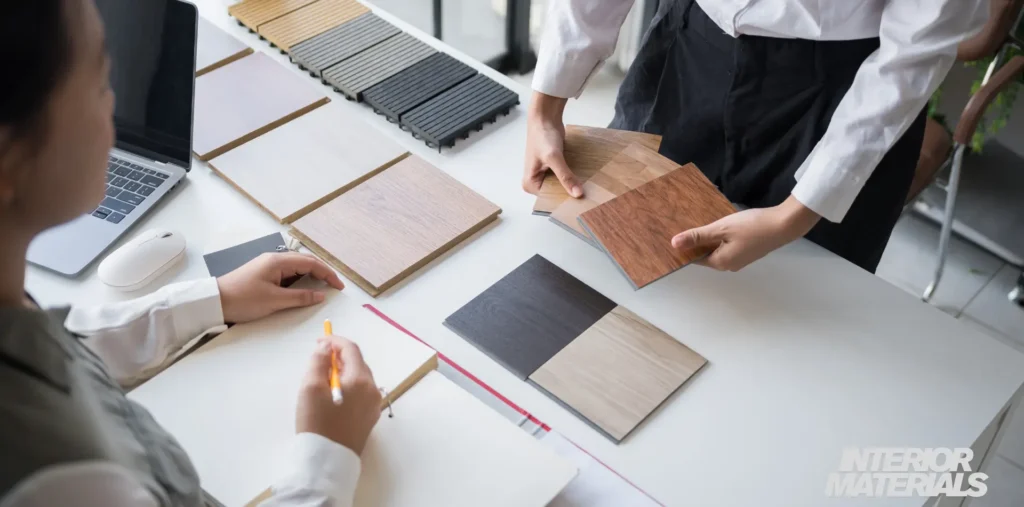
Begin by dividing your overall budget into sections for each part of your project, such as flooring, wall finishes, and lighting. For example, some professionals suggest 30 to 35 percent for flooring and 20 to 25 percent for wall finishes, but these numbers depend on the materials you choose and your design needs. Set these percentages based on what is most important for your space.
According to YourFPL, you should allocate about 20% of your budget to wall and ceiling finishes and about 10% to lighting when planning bedroom interior design in Bangladesh.
Be sure to keep 10% of your budget as a reserve for unexpected expenses or last-minute changes. Make a detailed list or spreadsheet that breaks down each material, quantity, and estimated cost. Shop around and compare prices from different suppliers to get the best deal. A clear plan like this helps prevent overspending and keeps your project running smoothly.
Material Quality Versus Price Comparison
Don’t think that a higher price always means better quality. Local tiles can be just as strong as imported ones but cost less. Some expensive brands charge more for packaging and marketing. For most homes, mid-range materials give you great value.
Imported materials are best when local options don’t meet your needs. Always test samples before buying a lot. Look for certifications and warranties from the maker. Try to balance what you want with what you can afford. Careful shopping can save you a lot of money without hurting your home’s look.
Long-Term Cost Benefits of Quality Materials
Cheap materials can end up costing more because you have to replace them sooner. Good tiles last 15-20 years, but cheaper ones may only last 5-7 years. Premium paints need a new coat every 7-8 years, while cheaper paints need it every 2-3 years.
Durable flooring cuts maintenance costs over time. Energy-efficient options lower electricity bills. Termite-resistant wood reduces pest control needs. Water-resistant materials prevent expensive repairs. Investing in quality materials saves money throughout your home’s life.
Sustainable Interior Design Materials: Eco-Friendly Options for Modern Bangladeshi Homes
There are many eco-friendly materials available in Bangladesh. Bamboo grows quickly and makes great flooring and furniture. It also takes in more carbon dioxide than regular hardwood trees. Local clay tiles are made from natural materials using traditional methods.
Jute fiber boards are great for insulation. Using local cane and rattan helps support rural workers. Reclaimed wood from old buildings has a special look and cuts down on waste. Laterite stone from nearby quarries means less transport-related pollution. Picking local materials helps your community and the environment.
Recycled and Upcycled Material Options
You can be creative and eco-friendly by using recycled materials. Try recycled glass tiles in bathrooms and kitchens for a shiny look. Use composite wood made from recycled fibers for furniture. Add recycled metal fixtures for a modern, industrial feel.
Turn old doors into headboards or room dividers. Make decorative mirrors from old window frames. Use vintage tiles for a one-of-a-kind backsplash. Add reclaimed bricks to accent walls for a rustic touch. These ideas let you reuse materials and add character to your home.
Energy-Efficient Material Choices
Choosing the right materials can help you use less energy. Reflective roof coatings can make your home 5-7 degrees cooler inside. Double-glazed windows keep out heat and noise. Insulated wall panels mean you won’t need as much air conditioning.
Light-colored floors bounce sunlight around, so you need less artificial light. Cork floors help keep out heat and noise. Low-VOC paints make your air cleaner. LED lights use much less electricity than regular bulbs. These choices make your home more comfortable and save on bills.
Common Mistakes When Selecting Interior Design Materials (And How to Avoid Them)
A lot of people pick materials just because they look nice. They often forget about Bangladesh’s high humidity and changing temperatures. Wood can swell or shrink when it gets wet. Regular MDF can get damaged in damp places.
Always look at the moisture-resistance ratings before you buy. Check if the material can handle temperature changes. Think about how the seasons might affect it. Ask suppliers what works best for your area. Try out samples in your rooms before buying a lot.
Overlooking Maintenance Requirements
Some good-looking materials need a lot of care. Marble floors have to be sealed often to stop stains. Light fabrics get dirty fast in busy areas. Unsealed wood needs to be polished and treated regularly.
Think about how much time and money you can spend on upkeep. Pick easy-care materials if your home is busy. Choose materials that fit your lifestyle, especially if they’re delicate. Go for options that still look good as they age, even if you don’t fuss over them. Practical choices stay nice with little work.
Mixing Materials Without Professional Guidance
Using too many different materials can make a room look messy. Clashing textures and colors can make spaces feel unorganized. Some materials expand or shrink at different rates, which can cause cracks. If the finishes don’t match, they might not stick well and could fail early.
Limit the variety of materials to 3-4 types per room. Ensure materials complement rather than compete with each other. Consult design professionals before mixing unusual combinations. Test material compatibility in small areas first. Cohesive material selection creates harmonious spaces that feel intentionally designed.

Frequently Asked Questions
u003cstrongu003eWhat are the most durable interior design materials for homes?u003c/strongu003e
Vitrified tiles, porcelain, teak wood, and stainless steel rank among the most durable options. These materials resist moisture, handle temperature changes, and require minimal maintenance. They perform exceptionally well in Bangladesh’s humid climate and provide excellent long-term value.
u003cstrongu003eHow much should I budget for interior design materials per square foot?u003c/strongu003e
Budget estimates range from BDT 800 to 2,500 per square foot, depending on the quality of the materials. Basic materials cost around BDT 800-1200, mid-range options run BDT 1200-1800, and premium materials exceed BDT 1800 per square foot. Your specific choices and room requirements determine final costs.
u003cstrongu003eAre imported interior design materials better than local options?u003c/strongu003e
Not necessarily. Many Bangladeshi manufacturers now produce high-quality materials matching international standards. Local tiles, paints, and wood products often perform as well as their more expensive counterparts at lower prices. Import materials only when specific qualities or designs aren’t available locally.
u003cstrongu003eHow do I ensure interior design materials are eco-friendly?u003c/strongu003e
Look for certifications like FSC for wood products and Green Label for paints. Choose locally sourced materials to reduce transportation emissions. Select recycled or rapidly renewable materials, such as bamboo. Verify low-VOC ratings for paints and adhesives. Ask suppliers for information on environmental impacts before purchasing.
Conclusion
Choosing the right interior design materials means considering aesthetics, durability, cost, and the local climate. This guide covers the main types, tips for Bangladesh’s weather, budgeting, eco-friendly options, and mistakes to avoid.
Good materials save you money in the long run because they need less upkeep and last longer. So plan ahead, select materials suited to Bangladesh, and reach out to BD INTERIOR’s experts for advice to help bring your ideas to life.