
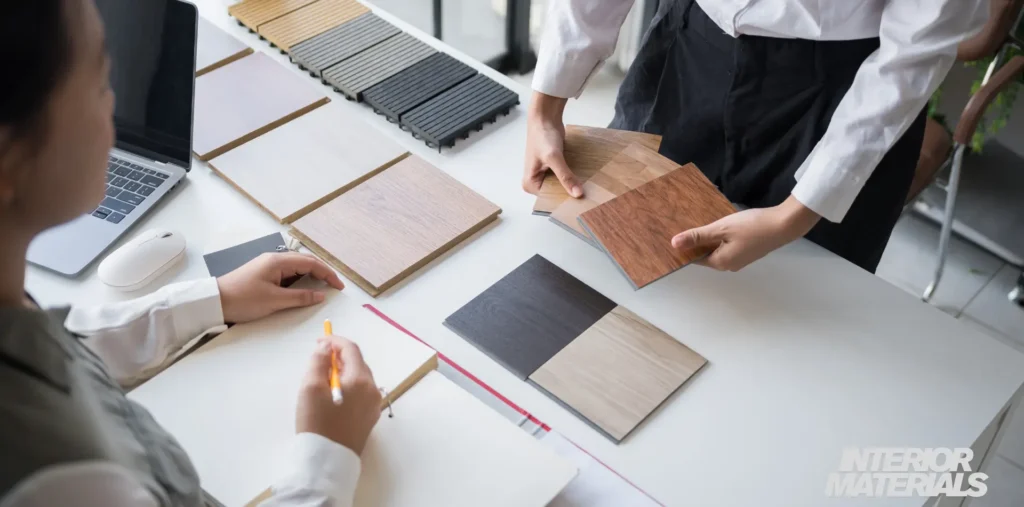
Selecting sustainable materials for your interior design project is essential. Climate change presents significant challenges in Bangladesh, including flooding and rising temperatures. Your material choices affect your health, budget, and the environment.
At BD INTERIOR, we support you in making informed, eco-friendly decisions without sacrificing style or quality. This guide will help you create beautiful spaces that contribute to a sustainable future.
What Are Sustainable Materials in Interior Design and Why They Matter in Bangladesh
Sustainable materials are sourced from renewables and cause minimal environmental harm throughout their lifecycle. For example, bamboo flooring and reclaimed wood reduce carbon footprints and support local economies.
Bangladesh produces incredible natural resources. Jute grows abundantly here. Bamboo thrives in our climate. Local clay makes excellent bricks. Using these materials cuts transportation emissions. It supports Bangladeshi farmers and artisans. Your money stays within the community.
Environmental Impact on Bangladesh
Bangladesh is highly vulnerable to climate change, with rising sea levels and extreme weather causing significant damage. Traditional construction methods, such as concrete production and reliance on imported materials, contribute to these environmental challenges.
Sustainable materials offer solutions. They sequester carbon instead of releasing it. Bamboo absorbs more CO2 than most trees. Natural materials regulate indoor temperature better. This reduces air conditioning needs. Lower energy bills follow automatically.
Health Benefits for Your Family
Conventional materials often contain harmful chemicals, such as formaldehyde in plywood and VOCs in synthetic paints. These toxins can cause health issues, particularly for children, including headaches, allergies, and respiratory problems.
Sustainable materials enhance indoor air quality. Natural finishes eliminate toxic emissions, clay plaster regulates humidity, and jute and coir are hypoallergenic, creating a healthier home environment.
How to Identify Eco-Friendly and Sustainable Materials for Your Interior Projects
Certifications validate sustainability claims by setting specific criteria. FSC certification ensures responsible forestry management practices from tree harvesting to product labeling. LEED certifies that building materials meet environmental and energy-efficiency guidelines for green construction. Cradle certification requires products to be recyclable or biodegradable and assesses materials for safe, circular use.
Not all certifications are equally reliable. Research certifying organizations and confirm whether their standards meet international benchmarks. Check if the certification process includes third-party site inspections, annual audits, or performance testing. Prioritize certifications with independent, transparent verification to avoid greenwashing.
Request documentation from suppliers. Reputable vendors provide certificates and supply chain information. Avoid those who make unsubstantiated environmental claims.
Assess the Material’s Full Lifecycle
Sustainability includes sourcing and manufacturing. Choose locally sourced materials to reduce transportation emissions and ensure renewable harvesting methods to preserve resources for future generations.
Consider installation and maintenance requirements. Prefer materials that do not require toxic adhesives and can be maintained without harsh chemicals.
Evaluate end-of-life options. Select materials that are recyclable or biodegradable to minimize landfill waste and support a closed-loop system.
Test for Durability and Performance
Sustainable materials can be highly durable. Quality eco-friendly options, such as bamboo flooring and treated jute fabrics, often outperform conventional alternatives in moisture resistance and longevity.
Request performance data from manufacturers, including test results for abrasion resistance, moisture ratings suitable for Bangladesh’s climate, and warranty details.
Visit completed projects if possible. See how materials age in real conditions. Touch them. Observe their appearance after years of use. Durable materials save money in the long term despite higher initial costs.

Top Sustainable Materials for Interior Design in Bangladesh (Wood, Bamboo, Jute & More)
Bamboo matures rapidly, with some species ready in three years compared to decades for trees. This makes bamboo a highly renewable resource, and native species in Bangladesh are well-suited for construction and design.
Uses in interior design:
- Flooring that rivals hardwood beauty
- Wall panels and ceiling treatments
- Furniture frames and decorative elements
- Window blinds and room dividers
Bamboo’s strength surprises many people. It has higher tensile strength than steel. Properly treated bamboo resists termites and moisture. It works beautifully in Bangladeshi humidity.
Reclaimed and Recycled Wood
Old buildings contain treasure. Reclaimed wood from demolished structures carries history and character. Each piece tells a story. The wood has already weathered decades. It won’t warp or crack like new timber.
Using reclaimed wood helps reduce deforestation and landfill waste. Its aged appearance provides a distinctive, authentic look that new wood cannot replicate.
Common sources include:
- Demolished colonial buildings
- Old boat timber
- Salvaged railway sleepers
- Vintage furniture pieces
Ensure reclaimed wood is properly cleaned and treated. Inspect for termite damage, remove old hardware safely, and finish the wood to suit your design requirements.
Jute and Natural Fiber Textiles
Bangladesh leads global jute production. This golden fiber grows without pesticides. It requires less water than cotton. Jute is completely biodegradable and compostable.
Interior applications:
- Rugs and floor coverings
- Wall hangings and art pieces
- Upholstery fabrics
- Curtains and window treatments
Jute can be blended with other fibers to enhance its properties. When mixed with cotton, it becomes softer; with wool, it gains warmth. Modern treatments also make jute water-resistant and stain-resistant.
Clay, Mud, and Earth-Based Materials
Clay exists abundantly in Bangladesh. Earth-based materials regulate temperature naturally. They absorb moisture when humidity rises. They release it when the air becomes dry. This creates comfortable indoor climates.
Popular applications:
- Clay plaster for walls
- Terracotta tiles for flooring
- Mud bricks for feature walls
- Adobe finishes the texture.
Earth materials are fireproof, soundproof, and provide effective thermal mass. They are also affordable and widely available locally.

How to Balance Cost, Durability, and Sustainability When Choosing Interior Materials
Sustainable materials may cost more upfront. For budget-conscious clients, this may be concerning. Look beyond the initial price tag and calculate the annual cost of use, not just the purchase price. alone.
A bamboo floor might cost 30% more than a laminate. But bamboo lasts 25+ years. Laminate needs to be replaced in 10-15 years. Bamboo delivers better value over time. It avoids future replacement costs and disruption.
Consider maintenance expenses. Natural materials typically require less chemical cleaning, offer better wear resistance, and are easier and less expensive to repair, resulting in long-term savings.
Prioritize High-Impact Areas
You can’t always afford sustainable materials everywhere. Strategic choices maximize impact. Focus on areas you use most or that directly affect your health.
Priority zones:
- Bedroom flooring (you spend 8 hours daily here)
- Kitchen countertops (food preparation surfaces)
- Living room walls (largest visual impact)
- Bathroom finishes (moisture and health concerns)
Use premium sustainable materials in priority spaces and opt for budget-friendly alternatives in less visible areas. This approach balances affordability with sustainability objectives.
Explore Local Alternatives to Imported Materials
Imported sustainable materials can incur high environmental costs from transportation emissions, undermining sustainability objectives.
Bangladesh offers excellent local alternatives, including high-quality bamboo, artisan-crafted jute products, and reclaimed wood from local buildings, often surpassing imported options.
Cost-saving local options:
- Bangladeshi bamboo instead of Chinese
- Local terracotta versus imported ceramic
- Native hardwoods from sustainable plantations
- Domestically produced natural paints
Supporting local suppliers strengthens communities, reduces your carbon footprint, keeps money within Bangladesh’s economy, and often results in better pricing.
Where to Source Certified Sustainable Materials for Interior Design in Bangladesh
Sourcing genuine sustainable materials requires research. Start with established suppliers who serve commercial projects and maintain quality standards and documentation. BD INTERIOR partners with trusted vendors throughout Bangladesh.
Reliable sourcing channels:
- Specialty green building material stores in Dhaka and Chittagong
- Direct purchases from certified sustainable plantations
- Architectural salvage yards for reclaimed materials
- Artisan cooperatives for handmade natural products
Request certifications before purchasing. Examine samples thoroughly. Compare prices across multiple vendors. Build relationships with suppliers who share your values.
Government and NGO Programs
Several organizations promote the use of sustainable materials in Bangladesh. The Bangladesh Forest Department manages certified plantations. NGOs support eco-friendly artisan communities. These programs often offer materials at competitive prices.
Government initiatives sometimes provide subsidies for green buildings. Check with local authorities about available programs. Tax incentives may offset higher material costs.
Digital Marketplaces and Online Resources
Online platforms connect sustainable material producers with buyers, reducing intermediary costs and providing a broader selection from home.
Carefully verify online seller credentials. Request inventory videos, seek local references, and arrange inspections before making final payments, where possible.
Popular platforms include:
- Dedicated green building material websites
- Facebook groups for reclaimed materials
- Instagram accounts of sustainable artisans
- LinkedIn networks of eco-conscious suppliers
Frequently Asked Questions
Are sustainable materials more expensive than conventional options?
Initial costs run higher for some sustainable materials. However, total lifetime costs often prove lower. Durable, eco-friendly materials last longer and need less maintenance. They reduce energy bills by improving insulation and temperature control. Calculate the annual cost rather than the upfront price for an accurate comparison.
How do I verify if a material is truly sustainable?
Seek third-party certifications such as FSC, LEED, or Cradle to Cradle. Request documentation from suppliers, research the material’s lifecycle, visit production facilities if possible, and work with transparent suppliers.
Can sustainable materials withstand Bangladesh’s humid climate?
Many sustainable materials are well-suited to humid climates. Bamboo resists moisture and mold, treated jute withstands dampness, and clay regulates humidity. Select materials appropriate for local conditions and consult experienced designers.
Where can I see sustainable materials used in real projects?
Visit green building showrooms in Dhaka and major cities. Request BD INTERIOR to show completed sustainable projects. Many eco-resorts and modern offices showcase sustainable interiors. Attend home design exhibitions featuring environmental themes. Ask to tour the homes of clients who’ve successfully used sustainable materials.
Conclusion
Choosing sustainable materials transforms your interior design project by creating healthier spaces, reducing environmental impact, and supporting Bangladesh’s economy and artisans. The process requires research and thoughtful decisions. Start with one room or material category and build from there.
At BD INTERIOR, we guide clients through every step to create beautiful, sustainable interiors. Start your sustainable home journey with a single material choice today.