
You’re standing in your living room, scrolling through endless images of perfect homes. But when you look up, you feel a pit in your stomach. The reality of your space feels overwhelming, and the fear of making a costly, permanent mistake is paralyzing.
One homeowner recently shared, “My contractor is great… but ultimately the decisions are mine. I’ve already made a few decisions I’m already regretting, and they can’t be undone…you don’t anticipate the same until it’s too late.”
So, that feeling is exactly why this guide exists. We’re going to pull back the curtain on interior design, moving beyond generic tips to give you an actionable blueprint. This isn’t just about making your home look nice; it’s about making it work for you and avoiding the expensive pitfalls that trap so many homeowners.
The Core Blueprint: Deconstructing the 7 Elements of Design
The seven elements of interior design are the fundamental building blocks every professional uses to create a space. They are space, line, form, light, color, texture, and pattern. Understanding how these components interact is the first step to moving from simply filling a room with stuff to consciously designing an environment that feels just right.
These aren’t just abstract art school terms. They are your toolkit. Think of them like ingredients in a recipe. Miss one, or get the proportions wrong, and the final dish just won’t taste right. It’s the secret language of a well-designed room.
- Space: This is your canvas. It includes both the positive space (filled with furniture) and the negative space (the empty areas in between). The biggest mistake people make? Ignoring negative space, which leads to a cramped, cluttered feeling.
- Line: Vertical, horizontal, and dynamic lines create the entire mood of a room. Vertical lines (tall bookcases, high curtains) draw the eye up, creating a sense of height and grandeur. Horizontal lines (low-slung sofas, long consoles) feel stable and calm.
- Form: This refers to the shape of objects in three dimensions. Mixing forms—a round coffee table with a rectangular sofa, for instance—creates visual interest and keeps a room from feeling one-note.
- Light: Light impacts everything from color perception to mood. Also, it’s about more than just a single light bulb in the ceiling. Both natural and artificial light require a strategy.
- Color: The most powerful and personal element. Color can alter our perception of a room’s size and shape, and it has a direct psychological impact on how we feel within the space.
- Texture: This is the tactile surface of an object. Think of the contrast between a rough linen pillow, a smooth leather chair, and a fuzzy wool rug. Texture adds depth and warmth, preventing a room from feeling sterile.
- Pattern: Patterns bring energy and personality. They can be introduced through textiles, wallpaper, or rugs. The key is balancing patterns with solid colors to avoid visual chaos.
Quick Action Plan:
Take a photo of a room in your house. On your phone or a printout, trace the dominant lines you see. Are they mostly horizontal or vertical? Now, identify three different textures. This simple exercise will train your eye to see beyond furniture and start seeing the core elements at play.
Beyond the Basics: Mastering the Principles That Guide the Pros
The principles of interior design are the rules that tell you how to use the elements we just discussed. These principles—balance, rhythm, emphasis, harmony, and scale—are what separate an amateurish space from a professionally designed one. They are the ‘how-to’ for applying the ‘what’ of the design elements.
The Quest for Balance
Balance is about distributing visual weight to create a sense of equilibrium. It’s why a room can feel “off” even when you can’t put your finger on why. There are three types:
- Symmetrical: A formal, traditional approach where one side of a room mirrors the other. Think of two lamps on either side of a sofa.
- Asymmetrical: A more casual and dynamic approach where visual weight is balanced using different objects. For example, a large sofa on one side can be balanced by two smaller chairs on the other.
- Radial: All elements are arranged around a central point, like chairs around a dining table.
A common piece of advice you hear is to avoid pushing all your furniture against the walls. The reason this works is that ‘floating’ furniture helps create a better sense of asymmetrical balance and improves the flow of a room.
Finding Rhythm and Emphasis
Rhythm is about creating a visual path for the eye to follow, often through repetition of a color, pattern, or shape. Emphasis is about creating a focal point—the star of the show. This could be a fireplace, a piece of art, or a statement window. Without a focal point, a room can feel aimless.
The Truth About Harmony
Harmony is the feeling that all the elements belong together. But where so many go wrong: harmony does not mean ‘matchy-matchy’. A frequent user complaint is about rooms that are so coordinated they lack any personality. A truly harmonious room mixes textures, patterns, and forms in a way that feels cohesive but still interesting. It’s a
So you can take action to identify the focal point in your main living area. Is it clear? If not, what could you change to create one? Try moving one large piece of furniture away from the wall and see how it immediately changes the balance and feel of the space.
The Psychology of Space: Color and Light Aren’t Just Decoration
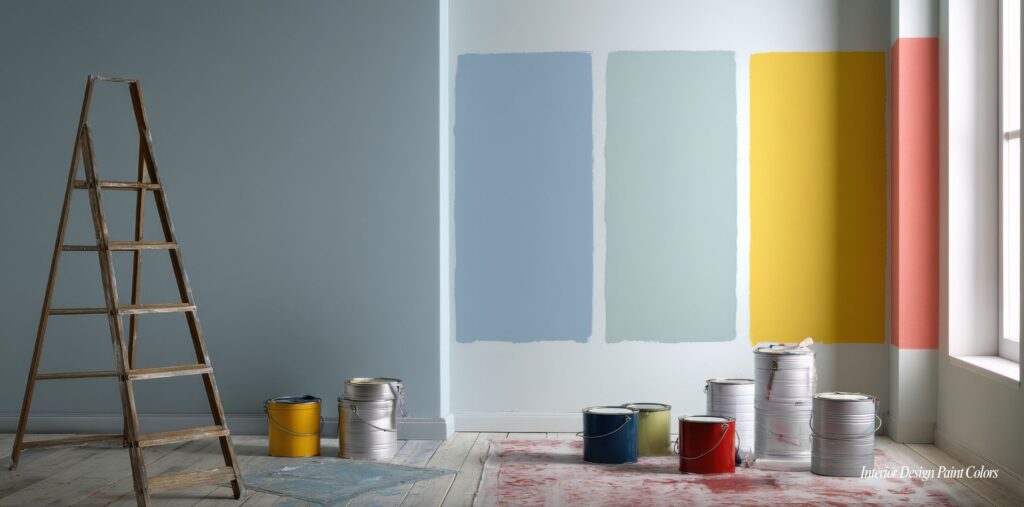
Your home’s color palette and lighting plan are the two most powerful tools for shaping a space’s mood and functionality. They go far beyond aesthetics; they are about creating an atmosphere. Getting them wrong can result in a home that feels draining or even stressful.
Color Psychology
Color psychology is the study of how different hues affect human behavior and emotion. It explains why fast-food restaurants often use red and yellow to stimulate appetite and quick turnover, while spas use blues and greens to promote relaxation. This isn’t just theory; it’s a powerful design tool for your home.
- Warm Tones (Reds, Oranges, Yellows): These colors are energetic, stimulating, and cozy. They can make large rooms feel more intimate. They work well in social spaces like dining rooms and living rooms but might be too stimulating for a bedroom.
- Cool Tones (Blues, Greens, Purples): These colors recede visually, making small rooms feel larger. They make a sense of calm and serenity, making them perfect for bedrooms, bathrooms, and home offices.
I see this all the time—homeowners who are terrified of color. They default to the ‘safe’ option, which for the last decade has been all gray and white. As one user aptly put it, “interior house photos shouldn’t look like they were taken with a black & white filter when they weren’t.” Don’t be afraid to choose colors that make you feel happy and comfortable. As one expert advises, “Keep it simple and forget about trends. Today’s trend will be tomorrow’s mistake.”
Power of Layered Lighting
A layered lighting scheme is a strategic combination of three lighting types to create a functional, atmospheric space. Relying on a single overhead light is a cardinal sin of interior design. It creates harsh shadows and a flat, uninviting atmosphere. A professional approach always involves layers.
- Ambient Lighting: The general, overall illumination of a room (e.g., recessed lights, a chandelier).
- Task Lighting: Focused light for specific activities (e.g., a reading lamp, under-cabinet kitchen lights).
- Accent Lighting: Light used to highlight architectural features or objects (e.g., a spotlight on artwork, uplighting a plant).
Properly layering light adds depth and dimension, making a space feel more considered and expensive.
So what should you do? Stand in your kitchen at night. Can you see what you’re doing when chopping vegetables? If your own shadow is in the way, you need task lighting. Now, look at your living room. Is there a single, harsh overhead light? Try adding a floor lamp or a table lamp and see how the mood instantly softens.
Voices of Experience: Real Homeowner Regrets (and How to Avoid Them)
Theory is one thing, but learning from others’ expensive mistakes is priceless. We’ve scoured forums and discussion boards to find the most common regrets from homeowners who have been through the design process.
Practicality vs. Pinterest Trap
Some of the most popular trends online are the most frustrating to live with. Before you commit, consider the day-to-day reality:
- Open Shelving in the Kitchen: Looks amazing in photos, but users constantly complain about the reality of dust and a fine layer of grease that settles on everything. Unless you are committed to frequent, deep cleaning, stick to cabinets.
- Black Fixtures: That matte black faucet is stunning… until it’s covered in white water spots and limescale after a week. They require constant wiping to look their best.
- White Grout: Especially on floors and in showers, this is a top-tier regret. It discolors quickly and is nearly impossible to keep looking pristine. Opt for a light gray or beige grout instead.
Unseen Essentials: Storage and Flow
A major regret for many is not planning for enough storage from the beginning. Where will the vacuum go? The kids’ toys? The extra blankets? A beautiful room quickly becomes a cluttered mess without a dedicated home for everything. Always plan for more storage than you think you’ll need. It’s the key to a calm and organized home.
Big Decision: DIY vs. Hiring a Professional
The decision to manage your interior design project yourself or hire a professional depends on your budget, timeline, skill set, and tolerance for stress. While DIY seems like the obvious way to save money, a failed project can end up costing far more to fix in the long run.
I hear from DIYers all the time who are deeply frustrated. One said, “I completed the project to my satisfaction; however, it was not worth the time/energy. Should’ve just paid a pro.” Another admitted, “I underestimated the amount of skill needed. A pro would’ve done a better job.”
Here’s a breakdown to help you decide:
| Aspect | DIY (Do It Yourself) | Hiring a Professional |
| Cost | Lower initial cost (materials & labor only) | Higher upfront cost (designer fees + materials) |
| Control | Full creative control over every decision | Collaborative process, but you cede some control |
| Time | Extremely time-consuming; becomes a second job | Saves you countless hours of research and management |
| Expertise | Limited to your own knowledge and research | Access to years of experience, technical knowledge |
| Resources | Retail stores and public suppliers | Access to trade-only furniture, discounts, and vetted contractors |
| Risk | High risk of costly mistakes, budget overruns | Minimizes risk, provides project management, and avoids errors |
An experienced design professional stated it perfectly: “Hiring an interior designer… means that you have enough common sense to realise that it is oftentimes a lot cheaper to have a professional take care of something for you so that you can avoid costly mistakes and save up on time.”
Quick Action Plan:
Be honest with yourself. Look at your calendar for the next 6 months. Do you realistically have 10-15 hours per week to dedicate to researching, sourcing, and managing a project? If the answer is no, hiring a professional like BD INTERIOR, even just for a consultation, might be the smartest financial decision you make.
Your Project Roadmap: Budgeting and Timelines
Every successful design project starts with a realistic budget and a clear timeline. A project’s scope can range from a simple room refresh, which might take 2-4 months, to a large-scale renovation that can easily extend to a year or more.
When budgeting, you need to account for more than just the pretty things. A comprehensive budget includes:
- Designer fees (if applicable)
- Materials (flooring, paint, tile)
- Labor (contractors, painters, electricians)
- Furniture and decor
- Shipping and delivery costs
- A 10-15% contingency fund. This is non-negotiable. Unexpected issues always come up, and this fund prevents a small problem from derailing your entire project.
Final Takeaway: Designing for Your Life
Creating a home you love isn’t about chasing the latest trend or achieving a picture-perfect look. It’s about creating a space that supports your life, brings you comfort, and reflects who you are. It’s about function and feeling. By understanding the core elements and principles, learning from others’ mistakes, and making an informed decision about how to manage your project, you can unlock your home’s true potential.
Start small. Focus on one room. And remember the best advice: decorate in the way that makes you happy and comfortable. What’s the first design challenge in your home you’re ready to tackle? Share your goal in the comments below!