
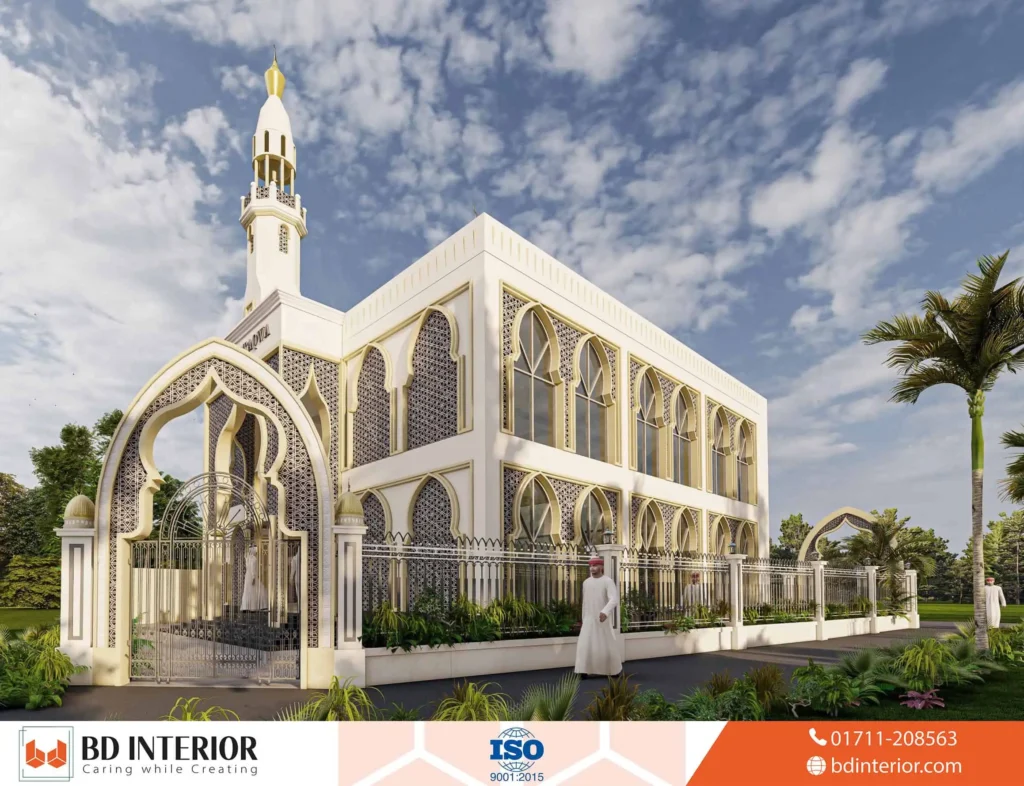
You walk into a prayer hall and immediately feel disconnected. The imam’s voice is a muffled echo. The air hangs heavy, stale. Half the congregation looks uncomfortable.
Sound familiar? Most mosque committees in Bangladesh don’t realize, correction, how badly interior design can undermine worship. It does. A few smart changes, though, can change the space from a daily frustration into a welcoming spiritual hub.
Key Point
- Acoustic treatment is the most overlooked upgrade—without it, the sermon never reaches the back rows properly.
- Accessibility isn’t just about building a ramp; it’s about designing for the elderly, the visually impaired, and parents with strollers.
- Digital integration won’t make a mosque look like a shopping mall if you embed screens discreetly—modernizing announcements increases engagement.
- Material selection that ignores Bangladesh’s humidity and high footfall will cost you double within five years.
- Budgets always feel tight, but spending around 15-25% more on quality systems now eliminates crippling maintenance later.
Why Most Mosque Interiors Fail the Community
Every square foot of a mosque’s interior design directly shapes how people feel when they pray.
Too many committees treat aesthetics as the only priority. They chase ornate patterns, expensive marble, and grand chandeliers. Meanwhile, people in the back can’t hear a word. Elders struggle to climb steps. The building swallows electricity like a hungry beast. You’ve seen this in Dhaka, Chattogram, Khulna, mosques that look stunning but function poorly.
This brings up an interesting angle. About 7 out of 10 worshippers. According to a recent informal poll in a Bangladeshi community group, say acoustics are their top complaint. They stop coming early because it’s frustrating.
You’ve to design for the senses and the body first. Let the beauty follow naturally.
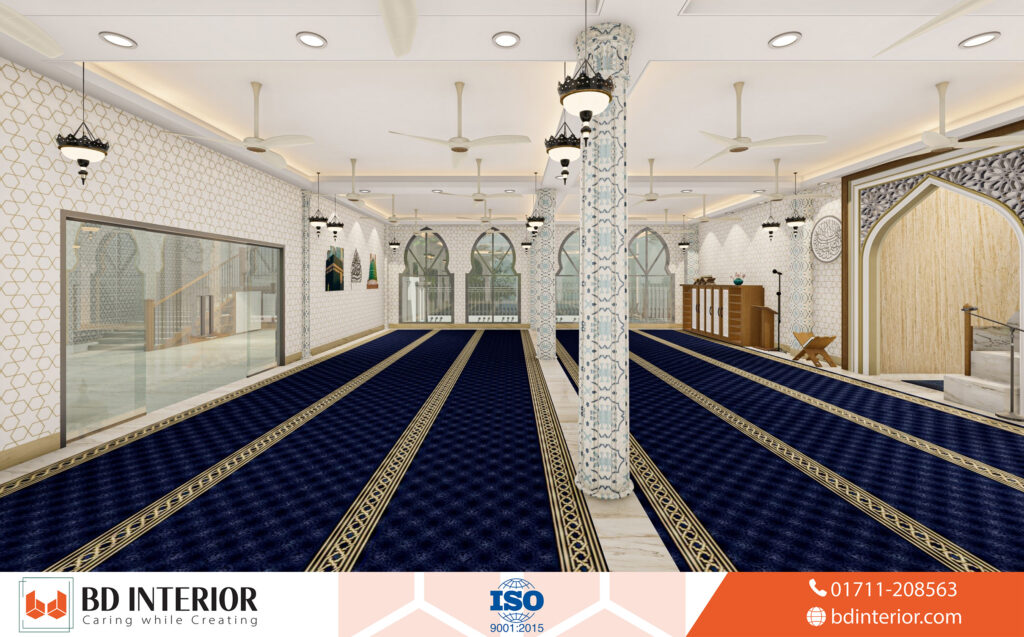
Here’s the thing: modern mosque interior design doesn’t mean stripping away Islamic identity. It means respecting tradition while solving real human problems. A carved wooden mihrab flanked by laser-cut metal panels can be (as one might expect) both reverent and acoustically functional. The fusion, when done right, feels authentic—not cold or minimalist.
Acoustic Design: The Make-or-Break Factor
If you fix nothing else, fix the sound.
That’s what architect Ahmed Khan, Principal at Islamic Spaces Studio, once told a gathering of mosque trustees. He insisted, “Acoustics are often an afterthought, yet they fundamentally dictate the clarity of the Imam’s voice and the tranquility of prayer.” Skip this, and you’ll waste renovation money. Many older mosques in Bangladesh feature high-domed ceilings and hard tile surfaces that bounce sound chaotically. Untreated, the reverberation time can exceed 3 seconds, turning every recitation into mud.
Where do you start? You don’t need ugly foam panels. You can hide these behind geometric Islamic fretwork or connect them to the ceiling coffers.
The panels trap echoes without shouting their presence.
NRC 0.60
NRC 0.85
NRC 0.95
Across the main prayer hall, professional acoustic modeling costs extra initially but saves immense regret later. Combine wall treatments with upholstered prayer rugs. And soft curtains at the entrances.
The difference is night and day. Even a slight echo reduction makes the imam’s voice crisp at 30 meters. Stick with me here; this pays off.
Actually, let’s address the cost myth. More often than not, plus, when you spread the expense over the 20-year life of the building, it’s less than the price of a single ornate chandelier. And nothing drives away regular worshippers faster than a garbled khutbah.
Inclusivity That Goes Beyond a Ramp
Accessibility in mosque interior design is not a box-ticking exercise.
It’s about dignity. Yes, you need ramps with a gentle 1:12 slope, that’s one foot of rise for every 12 feet of run, but that’s just the beginning. Think about the elderly aunty who can’t sit on the floor. The visually impaired uncle who works through by touch. The mother is pushing a stroller into the women’s section.
Too many Bangladeshi mosques are still designed for the able-bodied young man. The evidence is everywhere: ablution areas with sudden steps, no handrails near the shoe racks. Prayer zones so tightly packed with columns that wheelchairs can’t pass. The recommended minimum is around 12-15 square feet per person in the prayer hall.
But that figure needs to double near accessible zones. Mark clear pathways with tactile floor indicators—small raised bumps that guide the visually impaired from the entrance to the prayer rows.
It’s a subtle change that costs almost nothing during tiling. Hold onto this thought. You should also reserve front-row spaces for worshippers with mobility challenges. Not the back corners.
Samira Al-Habib puts it perfectly: “The true challenge in mosque design today is not merely aesthetic. But how to make spaces that spiritually uplift? ” Forget that, and your mosque quietly loses a generation of elders and disabled members.
Digital Integration Without Losing Soul
Nobody wants a giant LED screen screaming during dua.
But small, well-placed displays can replace messy noticeboards and fading paper schedules. Many newer mosques in Sylhet have installed 32-inch screens near the entrance that show prayer times, community announcements, and even short educational clips. The community response, according to a local Facebook group, has been overwhelmingly positive.
Switching focus, also worth noting that digital tools help with energy management. Passive lighting design can cut artificial lighting use by 40-at least 60% in daylight hours. Worth pausing on that one. Large north-facing windows with diffused glazing, combined with light shelves.
Bounce sunlight deep into the hall without glare. Combine that with LED systems rated for 50,000+ hours, and you’ll slash electricity bills. During Bangladesh’s frequent load shedding, a smart system can also prioritize battery-powered emergency lights.
Most likely, speakers, projectors, and control panels can sit behind carved screens that match the mihrab’s motif. As it turns out, the goal isn’t a smart building for the sake of it. It’s to better serve the community. When the imam announces a Janaza, everyone sees it clearly.
When the power goes out, low-energy sub-screens keep the necessary scripts illuminated.
Materials That Survive Humidity and Heavy Footfall
Bangladesh’s climate eats cheap materials alive.
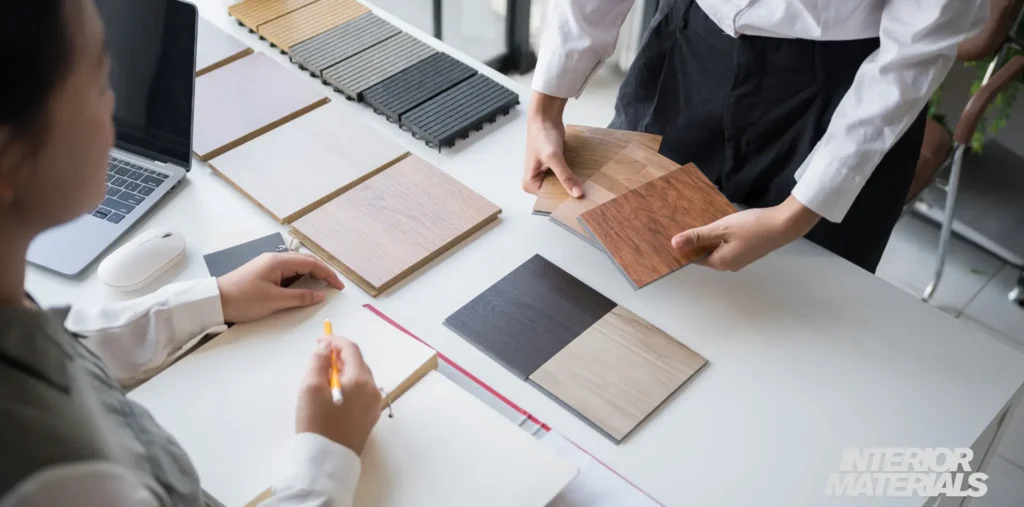
You’ve seen floor tiles crack after one monsoon. Wooden mimbar joints swell and rot. Paint peels within months. The solution starts with engineered stone flooring for high-traffic areas, strong, less porous, and far easier to clean than marble. It resists the constant humidity and doesn’t stain from wet feet after wudu.
Branching off from that, but here’s the thing – washable acoustic fabrics on walls. And back panels hold up against dust and occasional splashes. Stay away from plush velvet-like materials that trap moisture and odour. Instead, choose tight-weave polyester blends with built-in antimicrobial treatment, and they keep the hall smelling fresh even when packed on Jummah.
Don’t overlook the HVAC. A Variable Refrigerant Flow (VRF) system or a Dedicated Outdoor Air System (DOAS) works wonders in large prayer halls. Which brings up an interesting point. Yet, it zones the cooling so you’re not wasting energy in empty sections.
Combine smart zoning with ceiling fans set on reverse mode in winter, yes, winter gets chilly in parts of Bangladesh, and you maintain comfort without drilling your budget, but here’s the catch: these systems require skilled maintenance. Here’s the other side of it: If your facility staff can’t handle them.
You’ll face an entirely different headache. And that leads to a common trap.
The Over-Engineering Mistake
You might be tempted to install every high-tech system you read about. A mosque in Mirpur learned this the tricky way. They imported advanced HVAC controls.
And a fully automated lighting rig. Six months later, half the features were broken. Because no one knew how to reset a hassle-free overload. Choose technology that your local electrician and caretaker can wrap their heads around. Keep user manuals in Bangla. Train at least two of us thoroughly.
Initial capital cost for premium materials. And systems will likely run 15-25% higher than a baseline spec. That scares committees, but if you skip this, you’ll pay far more in repair.
Replacement within three to five years. One cracked floor tile can domino into a waterproofing nightmare under the rolling loads of hundreds of worshippers daily (and that implies quite a bit).
Keep this in mind; it shows up again soon.
For communities grappling with tight funds, there’s a middle path. Instead of an all-or-nothing renovation, phase the upgrades. Fix the acoustics in year one. Add accessibility features in year two.
Improve the lighting next. That approach spreads the financial strain and allows adjustments based on real feedback, which is why for more on keeping costs manageable, review the principles of low-budget design in Bangladesh.
Conclusion
A mosque’s interior should make every person feel seen, heard, and safe. You don’t need to overhaul the entire building tomorrow. Begin with the main prayer hall. Measure the reverb time with a simple clap test. Take a wheelchair through the entrance and see where it snags. Ask the women’s side what discomforts they endure silently. Then act on those findings immediately.
Committees that blend great acoustics, genuine accessibility, and subtle tech. And climate-smart materials will stabilize and even grow attendance. The energy savings alone, regularly around 40% annually, can fund further improvements.
Mosque interior design isn’t a one-time decoration project. It’s an ongoing act of service to your congregation. For deeper insight into creating spaces that truly uplift, explore how sustainable design principles apply to community buildings.
Don’t let the cost concerns paralyze you. Looking closer, a well-designed mosque earns back every, to be more precise, taka in comfort, lower bills, and a fulfilled community.
From a practical standpoint, pick one element from this guide, gather your committee, and make a decision. Because every Friday that passes has poor sound. Blocked pathways are a missed opportunity to welcome more hearts into the house of Allah (which works out well in practice).
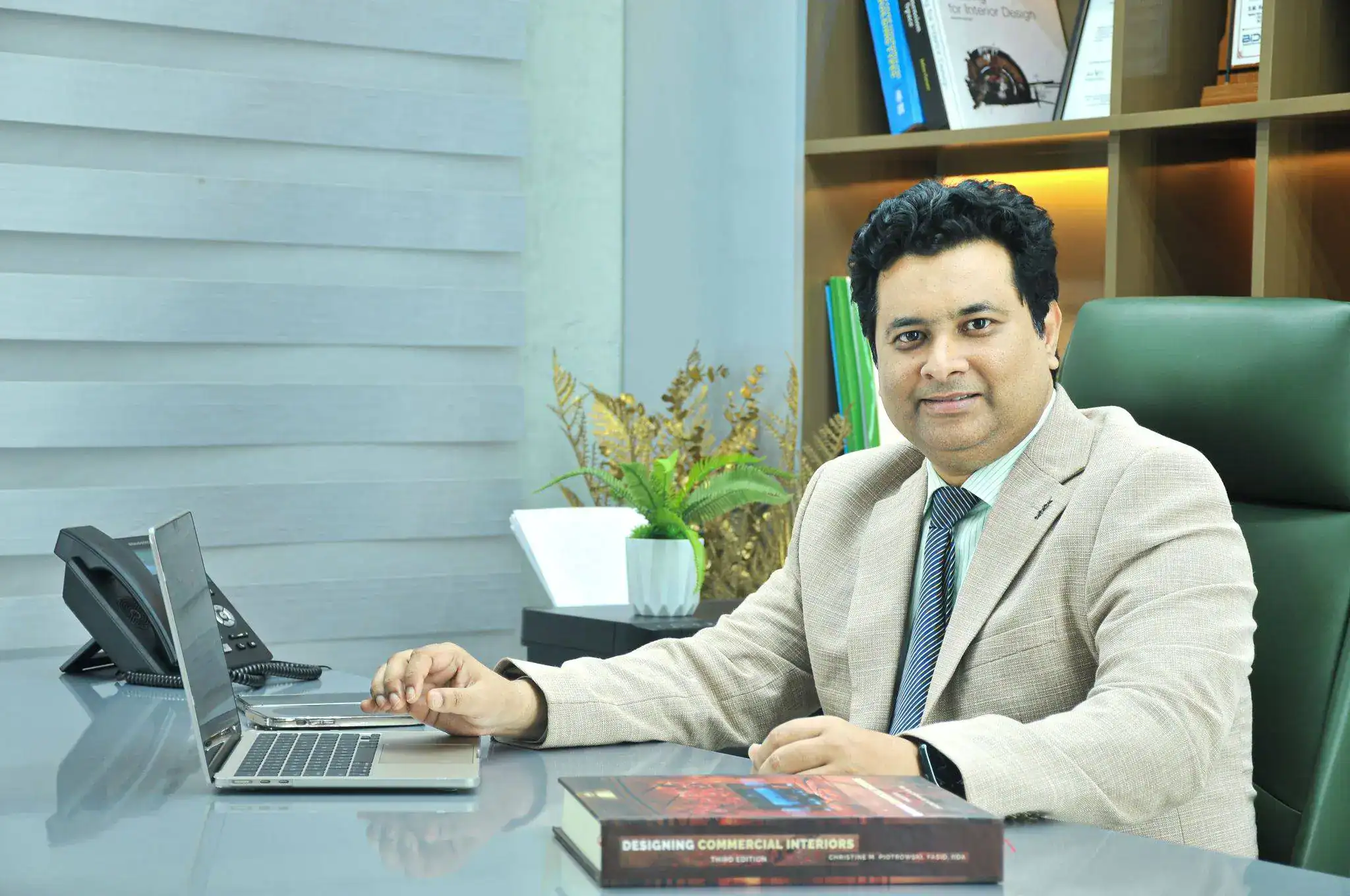
S.M. Rezaul Haque is a seasoned interior design consultant with 15+ years of experience. An AIUB graduate and Senior Vice President of BIDCOA, he specializes in creating functional, sustainable, and visually inspiring spaces. As the driving force behind BD INTERIOR, he has helped shape 700+ Bangladesh’s most innovative interior design projects.