
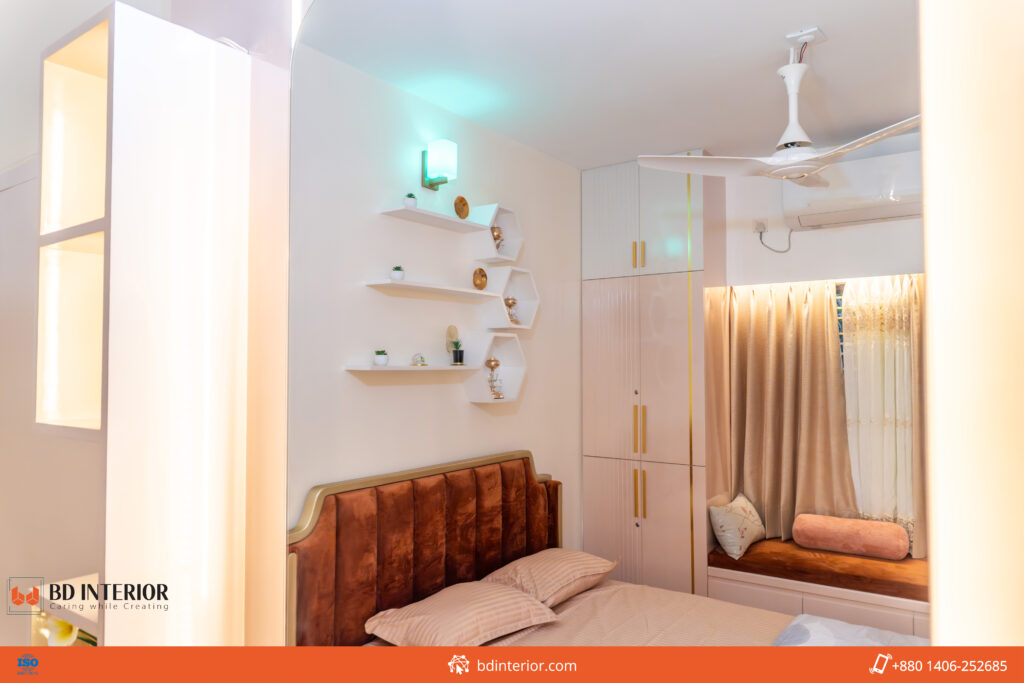
You want a home that feels capable of adapting to any weather. Looks great, and does no harm to the planet, right? ” It’s pretty easy to feel lost in all the marketing noise, often called greenwashing. Many people, maybe even you. Worry that truly lasting choices will cost too much or simply aren’t practical. Building a home that supports your well-being and the environment is possible, and frankly, more important than ever. The US Environmental Protection Agency says indoor air pollution is one of the top five threats to human health.
| Concept | Why It Matters | Action Steps |
|---|---|---|
| Holistic View | Beyond just green items; it’s about material lifecycle and health. | Consider how products are made, how long they last, and what happens next. |
| Health Focus | Toxins in materials harm indoor air quality. | Pick low-VOC paints, natural fiber rugs, and furniture. |
| Long-Term Value | Reduces waste, saves energy, and often increases property value. | Invest in durable, timeless pieces; repair or upcycle first. |
| Certification Power | Cuts through greenwashing, shows real environmental standards. | Look for FSC, GREENGUARD, or Cradle to Cradle labels. |
What Sustainable Interior Design Really Means
In the future, enduring interior design involves craft indoor spaces that benefit both the most of us who live in them and the planet itself. To reduce harm to the environment, we consider the entire lifespan of, or at least, from the way the material is manufactured to its disposal.
The thing is, it’s not just about choosing “green” products. It’s your whole way of thinking about your space. This approach combines environmental considerations. Fair social practices, with smart economic choices. This brings up an interesting angle. You could say even if a product appears to be environmentally friendly, it actually isn’t.
Some companies, like, use vague terms like “green” without evidence, so they display images of nature on their packaging that have nothing to do with their product. Think about that. We need to look deeper than just the “natural” label. That’s why truly lasting designs focus on materials that can be reused.
Recycled, or biodegradable, like bamboo rather than hardwood. Though practical limits do exist.
This isn’t a temporary trend. Generally speaking, every choice has an impact, big or small. We’re trying to reduce waste, improve energy usage, and choose items that last longer.
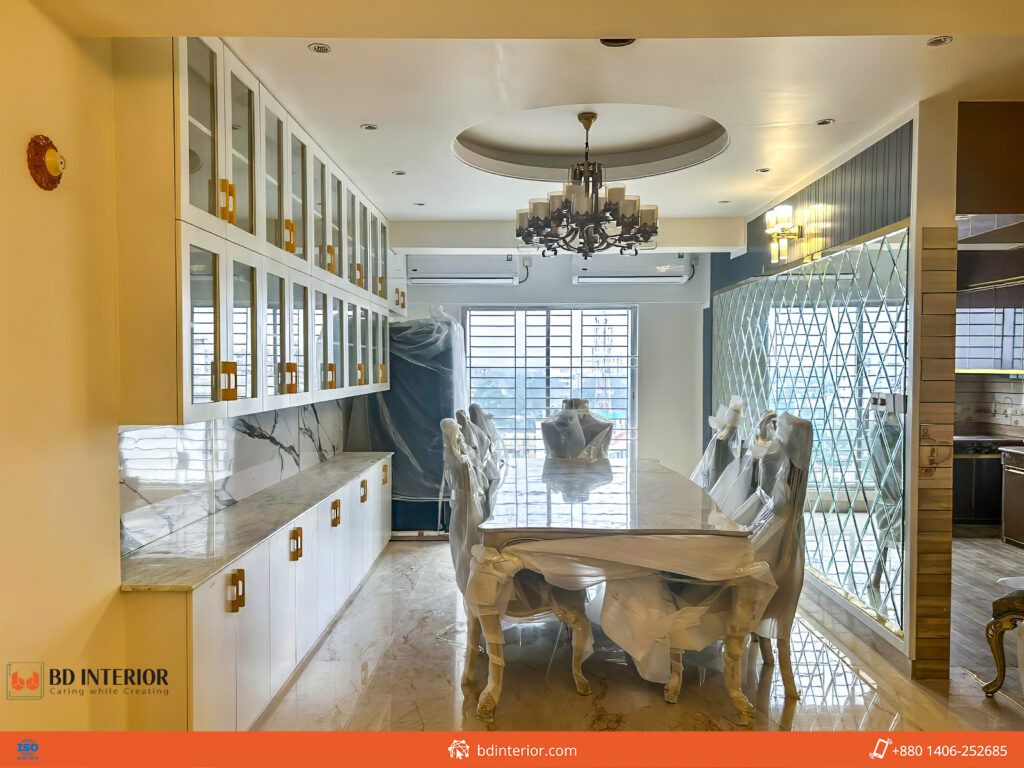
Create a Healthier Home Environment
Prioritizing health means selecting materials that don’t release harmful chemicals into your air, directly improving your physical and mental well-being.
Indoor air quality is a huge deal. You know that fresh paint smell? That’s often Volatile Organic Compounds (VOCs) evaporating into your home. These chemicals can cause headaches, breathing problems, and even long-term health issues.
Choosing paints, flooring, and furniture labeled “low VOC” or “no VOC” makes a noticeable difference. About 45% of paints today have low VOC content, which is great. Studies show roughly 50% of consumers now prefer these options for their health benefits.
This can mean fewer allergies, better sleep, I mean, and just feeling better overall in your space. This isn’t just an abstract benefit; it’s a real change you will feel every day, and let me tell you, if you want to dive deeper into how your surroundings affect your mood, consider how design choices deeply shape your mental well-being.
“When we talk about ‘green’ design, we’re really talking about healthy design. The chemicals in our furnishings and finishes directly impact our indoor air quality, affecting our physical and mental health daily.” – Lance Hosey, FAIA, LEED Fellow, author of ‘The Shape of Green.’
Cost is a common concern. You might think sustainable materials are double. Or triple the price.
While some initial costs can be higher, with many organic furniture pieces costing more due to labor. With materials and stringent requirements, the long-term economic benefits are big.
Which means like, homes with lasting features can see a dramatic drop in monthly utility expenses. This is a smart investment that pays off over time.
Here’s a look at why low-VOC paint is worth the investment:
Make Smart Choices for Lasting Impact
Making smart choices means focusing on locally sourced, durable items, conserving energy and water, and demanding clear proof of sustainability through certifications. Think about where your furniture comes from. Choosing items made closer to your home reduces the pollution caused by long-distance shipping.
Also, invest in durable, well-made pieces. A sofa that lasts fifteen years saves resources compared to one you replace every five years. Repairing and reusing existing furniture is often the most lasting thing you can do. It’s really, really important.
Reduce Energy and Water Use
Energy-efficient appliances, like ENERGY STAR rated models. Use less power and water. Swapping out old light bulbs for LED lighting can cut down on (at least based on current observations) electricity bills dramatically. Simple changes, like installing low-flow faucets.
And showerheads use much less water. Interestingly, maximizing natural light in your home during the day also means you need less artificial light. Saving energy and improving your mood.
Demand Real Transparency
That’s where certifications become your best friend in fighting greenwashing — look for trusted labels like FSC (Forest Stewardship Council) for wood items. This means the wood comes from responsibly managed forests. For indoor air quality, GREENGUARD.
Or GREENGUARD Gold certifications mean items have actually been tested for harmful chemical emissions. Cradle to Cradle certification goes even further. Evaluating a product’s entire lifecycle for material health, recyclability, and ethical production.
Tackle the Contractor Challenge
You might find a beautiful, lasting material, but then your local contractor has no idea how to work with it or even where to get it. This is a common hurdle, with a study showing a lack of expertise. It’s frustrating, for sure.
To get around this, you can look for contractors who specialize in green building or lasting practices. Ask for their go through with specific eco-friendly materials you’re considering. Sometimes, educating your contractor on the perks and proper installation methods.
Perhaps even sharing resources or product datasheets can make a difference. After all, you’re hiring them to execute your vision.
Common Mistakes to Avoid
One big mistake is ignoring the end-of-life for SKUs, which is why it goes to a landfill anyway. As it turns out, always check if items can be recycled or composted.
Another error is thinking “new” is without fail better. Sometimes, the most lasting choice is to upcycle. Repaint, or address what you already have. A quick room renovation with existing pieces can be incredibly impactful.
Start Your Sustainable Design Journey
Beginning your lasting interior design journey is about making informed choices, even small ones. You don’t need to overhaul your entire home at once. Start with one room, one project.
Focus on improving indoor air quality first, maybe with low-VOC paint or natural textiles. Research materials and look for certifications.
It’s about progress, not perfection. But this is just one piece of the puzzle.
FAQs
Is lasting design always more expensive upfront?
Taking a step back reveals an important factor. Not always, but some sustainable products can have higher initial costs due to better materials and ethical production. However, these all the time lead to big long-term savings from lower energy bills. Reduced maintenance and increased property value.
It’s like an investment in your home and your health. At least, that outlines the core theory.
How can I spot greenwashing in products?
Look for vague terms like “eco-friendly” without specific details or certifications. Genuine lasting SKUs usually have clear third-party certifications (like FSC, GREENGUARD, Cradle to Cradle) and transparent information about their sourcing and manufacturing.
If something sounds too good to be true, it probably is.
Can renters also practice lasting interior design?
Absolutely. Renters can still make quite a few lasting choices. Plus, you can add plants, choose natural fiber textiles, swap out light bulbs for LEDs, and use removable low-VOC wallpaper.
Many of these items can move with you, making them a smart, lasting choice for any living situation. This fundamentally drives the core point.

S.M. Rezaul Haque is a seasoned interior design consultant with 15+ years of experience. An AIUB graduate and Senior Vice President of BIDCOA, he specializes in creating functional, sustainable, and visually inspiring spaces. As the driving force behind BD INTERIOR, he has helped shape 700+ Bangladesh’s most innovative interior design projects.