
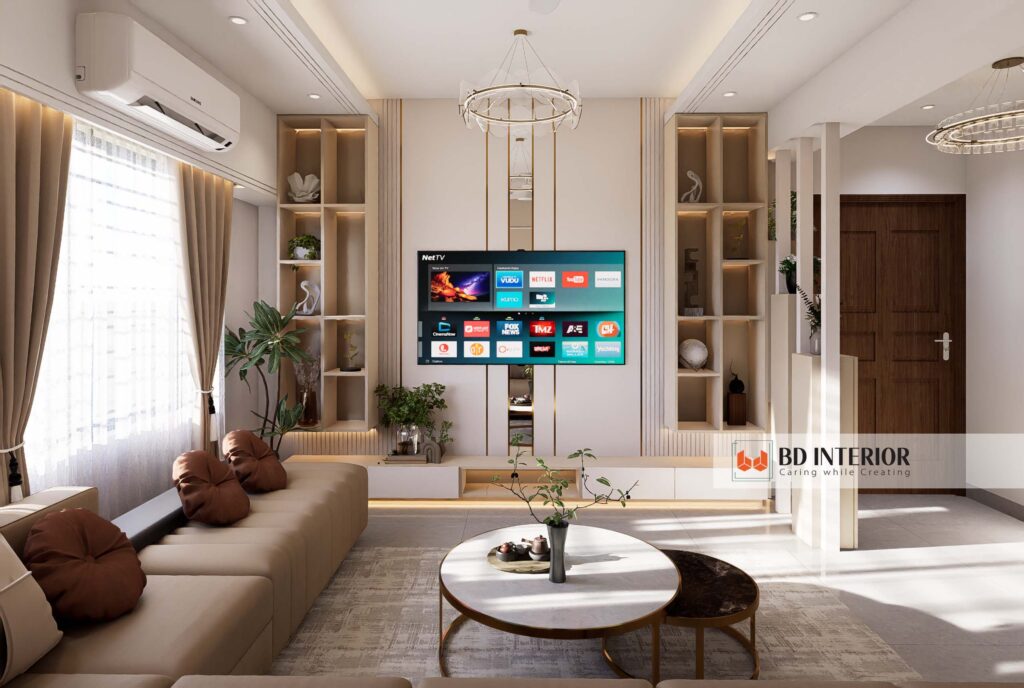
Mid-Century Modern (MCM) design isn’t just a style; it’s a feeling—a blend of optimism, connection to nature, and an unwavering belief in functional beauty. It promises a home that is clean and simple without being boring. But as you stand on the edge of transforming your own space, a nagging question emerges: Can you capture that ‘Mad Men’ magic without creating a museum, and more importantly, without sacrificing the real-world comfort your life demands?
This isn’t just another gallery of pretty rooms. We’re going deep, uncovering the triumphs and the hidden frustrations of living with Mid-Century Modern design today. We’ll explore why this post-war movement still exerts such a powerful influence and how you can adopt its principles without falling into the common traps of discomfort, poor-quality reproductions, and visual clutter.
In a Nutshell
- Look at the Philosophy, Not Just the Furniture: MCM is more than tapered legs; it’s about clean lines, organic forms, and blurring the line between indoors and outdoors.
- The Comfort vs. Cool Dilemma is Real: Many iconic MCM pieces were designed for a different lifestyle. Prioritizing aesthetics over ergonomics for frequently used furniture is the #1 regret of many enthusiasts.
- Shop Smart, Not Fast: The market is flooded with both priceless originals and poorly made knock-offs. Knowing how to spot quality—whether vintage or new—is the key to building a collection that lasts.
What Defines Mid-Century Modern Design, Really?
Mid-Century Modern (MCM) is an influential design movement that broadly spans from the 1940s to the 1960s, characterized by clean lines, organic forms, and a seamless integration of function and aesthetics. It champions simplicity, rejecting the ornate details of previous eras in favor of designs that are both beautiful and practical.
Born from the post-World War II boom, this style was fueled by new technologies, materials, and a sense of optimism for the future. Designers like Charles and Ray Eames, Eero Saarinen, and Florence Knoll became household names, driven by the goal to ‘bring design to the masses.’ Ironically, many authentic and high-quality pieces are now considered luxury items.
The DNA of a Timeless Style
You know it when you see it, but what are the specific ingredients? It’s a masterful mix of the natural and the man-made.
- Materials: A warm base of natural woods like teak, walnut, and oak is often contrasted with modern materials such as molded plywood, plastic, fiberglass, and metal. This interplay creates a rich textural landscape.
- Forms: Look for gentle organic curves and crisp geometric lines. Furniture often features slim, tapered legs, which gives pieces a light, elevated-from-the-floor feeling.
- Color Palette: The foundation is often a neutral canvas of whites and grays, punctuated by earthy tones like olive green, mustard yellow, and burnt orange. These saturated colors are often used as accents to add personality without overwhelming a room.
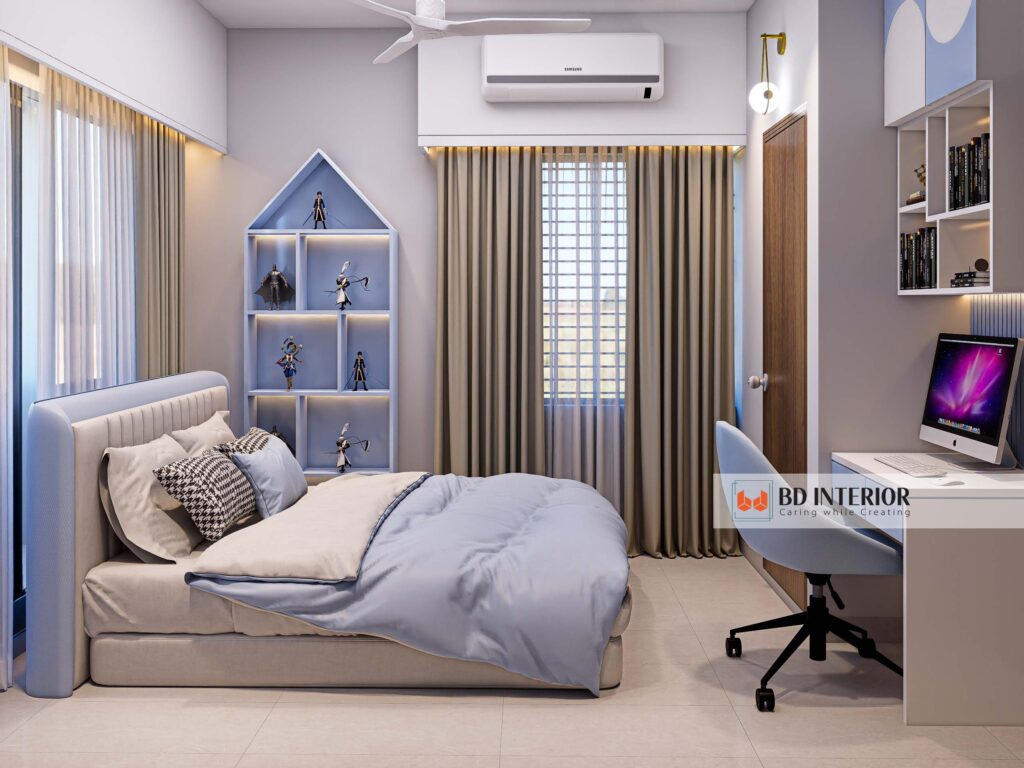
More Than Furniture: An Architectural Philosophy
MCM isn’t just about what you put in a room; it’s about the room itself. The architectural style emphasizes a strong connection with nature. Think large windows, open-concept floor plans, and sliding glass doors that blur the lines between inside and out. It’s a design ethos that encourages you to live in harmony with your surroundings, making the landscape a part of your decor.
Why We Crave MCM (And Why It Sometimes Disappoints)
There’s a reason this half-century-old style feels so right, right now. As Joshua Holdeman of Sotheby’s puts it, “Midcentury pieces are simply well-designed objects, with a timeless look… they still feel fresh today, they still feel modern.” But the Instagram-perfect image doesn’t always tell the whole story.
The Siren’s Call of Style
The appeal is undeniable. MCM offers a clutter-free, sophisticated aesthetic that feels both grown-up and cool. It’s “the antithesis of fussy,” as designer Mary Cook says. It promises a world where function and beauty coexist perfectly. Eero Saarinen famously designed his Tulip table to solve the “ugly, confusing, unrestful world” of normal table and chair legs. That’s the MCM promise: a smarter, more beautiful way to live.
Uncomfortable Truth: When Form Betrays Function
Here’s the reality check many design blogs won’t give you. A common and vocal complaint on forums and Reddit is that many iconic MCM pieces just aren’t comfortable for modern life. One user lamented buying their dream furniture only to find it painful to use, stating, “I cannot sit on the stool and write, read, or craft because my back really hurts.”
This isn’t an isolated incident. The way we live has changed. We binge-watch shows for hours, something not considered when many of these sleek, low-profile sofas were designed. The minimalist cushioning and taut upholstery, which look so sharp, can feel unforgiving after a long day. The lesson? Always test furniture for comfort before buying, especially sofas and lounge chairs where you’ll spend significant time.
 interior design.” class=”wp-image-29257″/>
How to Build Your MCM Haven Without The Headaches
You can absolutely have the style you love and the comfort you need. It just requires a more strategic approach than simply ordering a room full of replicas from a catalog. Think of it as curating, not just decorating.
Avoiding the “Spider” Effect: Balancing Leggy Furniture
Here’s a pro-level tip most people learn the hard way. A recurring theme among decorators is the visual “busyness” of too many “leggy” pieces in one room. When your sofa, coffee table, side chairs, and credenza are all perched on thin, angled legs, the result can look like a confusing tangle, creating clutter despite each piece’s minimalist nature.
Quick Action Plan:
- Mix it Up: Balance leggy items with grounded pieces. Pair a sofa on tapered legs with a solid, blocky side table or a coffee table with a pedestal base.
- Use Rugs: An area rug can anchor a collection of leggy furniture, defining the space and calming the visual noise.
- Break the Rules: As Maria Killam, a decorating expert, points out, the famous Saarinen table was designed specifically to combat this issue. Investing in one piece that consolidates its legs can free you up elsewhere.
Vintage Gold vs. Modern Junk: A Savvy Shopper’s Guide
The market is a minefield. On the one hand, you have authentic vintage pieces crafted from solid wood and designed to last for generations. On the other hand, you have a flood of cheap reproductions that capture the look but not the quality, often using particleboard and low-density foam that sags and pills within a year.
As one frustrated user shared about their expensive reproduction sofa, it was an “uncomfortable poorly constructed piece of junk.” This is where you, the modern homeowner, must become an investigator.
Quick Action Plan:
- Inspect in Person: Photos can be incredibly misleading. Whenever possible, see, touch, and sit on a piece before you buy.
- Check the Bones: For vintage pieces, look for solid wood construction and sturdy joints. For reproductions, ask about frame materials. Kiln-dried hardwood is good; particleboard is a red flag.
- Understand Veneer: Veneer isn’t inherently bad—MCM designers used it often—but cheap, peeling, or water-damaged veneer is a common issue on vintage finds that can be costly to repair.
- Budget accordingly: True vintage or high-quality reproductions are an investment. If the price seems too good to be true, it likely is. It’s better to buy one great piece than three that will fall apart.
MCM Meets 2024 Stat: Integrating Tech into a Retro Dream
Let’s be honest: You didn’t have to worry about where to plug in a laptop, a smart speaker, a flatscreen TV, and three phone chargers. A huge challenge today is integrating our digital lives into this clean, uncluttered aesthetic.
This is where thoughtful planning is crucial. A beautiful teak media console is a perfect start. But what about the nest of cables behind it? Managing this is key to maintaining the minimalist vibe. Planning for your electronics can be as simple as finding creative ways to mount an under-desk power strip to keep cords out of sight.
A high-quality media setup is an investment, so protecting it should be a priority. For vintage lamps or audio equipment, always be mindful of old wiring, as a power strip overload can be a silent fire hazard.
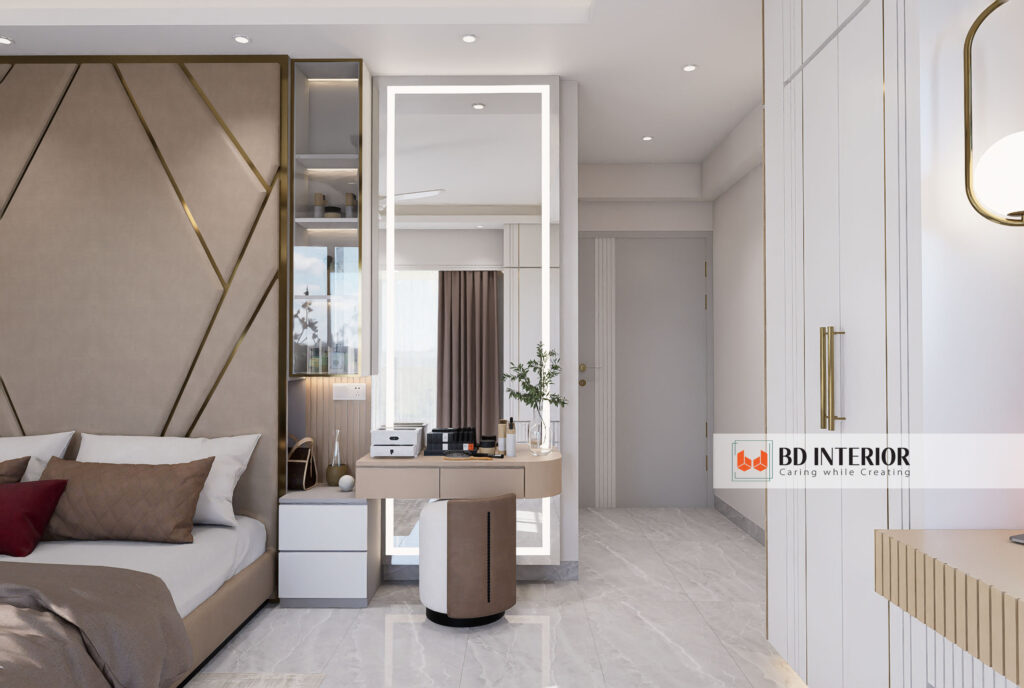
Small Space, Big MCM Impact: Making It Work in Apartments
You don’t need a sprawling, open-plan house to enjoy Mid-Century Modern design. In fact, its principles are perfect for smaller living spaces. The emphasis on minimalism, functionality, and multi-use pieces is a godsend for apartment dwellers.
Quick Action Plan:
- Legs Are Your Friend (In Moderation!): Furniture on raised legs creates a sense of openness by allowing you to see more of the floor, making a small room feel larger.
- Go Vertical: Tall, narrow bookshelves or wall-mounted shelving draw the eye upward and provide storage without sacrificing floor space.
- Multifunctional Pieces: Look for coffee tables with hidden storage or sideboards that can double as a media console and dining buffet.
Don’t Create a Museum Set
One of the biggest mistakes beginners make is going all in on MCM. A room where every single piece is from the same era can feel less like a home and more like a period-perfect museum set. The most beautiful and personal spaces are often a mix of styles.
As expert Alistair McLean advises, “MCM pieces are so easy on the eye, so they lend themselves to working with other period pieces.” Don’t be afraid to pair a sleek MCM sofa with a rustic coffee table or a contemporary piece of art. This eclectic approach is what will make your home feel uniquely yours.
Your Mid-Century Modern Journey Starts Now
Embracing Mid-Century Modern design is about adopting a philosophy of intentional living—choosing pieces that are simple, functional, and beautiful. It’s a journey that requires a discerning eye, a bit of patience, and a willingness to prioritize how you truly live in your space.
By understanding the potential pitfalls—the allure of style over comfort, the danger of cheap knock-offs, and the risk of visual clutter—you are already ahead of the game. You’re ready to build a space that not only looks incredible but feels like home. So, what’s the first MCM piece you’re going to hunt for?

S.M. Rezaul Haque is a seasoned interior design consultant with 15+ years of experience. An AIUB graduate and Senior Vice President of BIDCOA, he specializes in creating functional, sustainable, and visually inspiring spaces. As the driving force behind BD INTERIOR, he has helped shape 700+ Bangladesh’s most innovative interior design projects.