Flooring choices in a humid climate can feel overwhelming, but with the right information, you can make decisions that bring comfort, beauty, and lasting value to your home. Moisture may be a constant challenge, but it doesn’t have to control your renovation or replacement project.
In this guide, I’ll help you feel confident about your options and empowered to pick a solution that will serve you well for years. Together, we’ll cut through the noise and focus on practical, proven ways to help your floors succeed despite humidity.
Undisputed Champions of High-Humidity Homes
When selecting flooring for humid climates, the primary goal is to choose a material that is either fully waterproof or highly moisture-resistant. These materials prevent common issues like swelling, warping, and mold by not absorbing the ambient moisture from the air or from direct spills, ensuring long-term stability and durability.
Porcelain & Ceramic Tile: The Waterproof Warrior
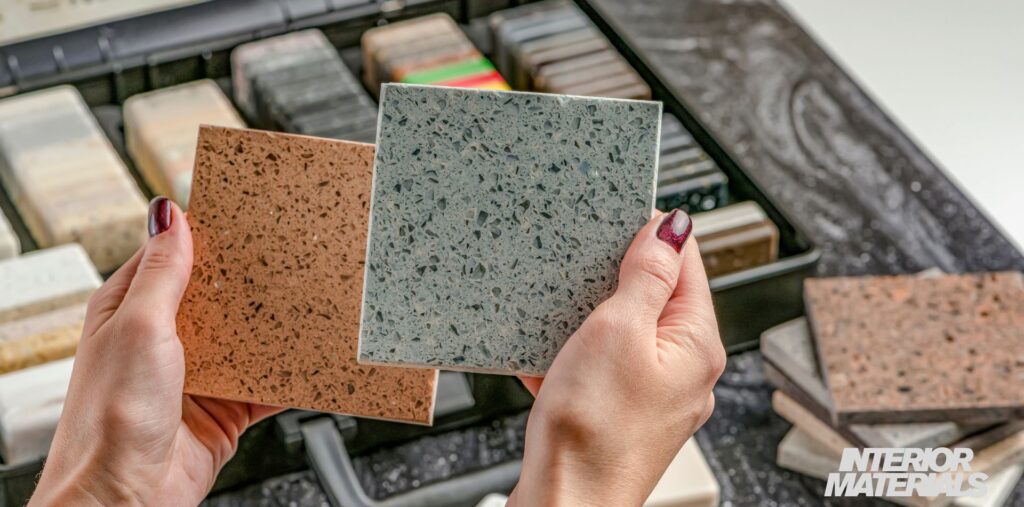
Tile is king in bathrooms and kitchens for good reason. The same logic works for your entire home in a humid region. Porcelain tile has an extremely low water absorption rate. This makes it virtually waterproof. It doesn’t care how humid it gets. The Tile Council of North America (TCNA) rates it for the most intense wet environments as “Res3.” That means it can be soaked or saturated without issue.
However, grout lines can sometimes become difficult to keep clean, especially in humid conditions. The tile itself is highly resistant, but maintaining the grout may require regular attention to prevent mold.
✅ Buy it if: You want a completely bombproof, waterproof surface and don’t mind the hard, cool feel underfoot. Your peace of mind is the top priority.
❌ Don’t buy it if: You despise cleaning grout. You absolutely must invest in a high-quality, sealed grout and be prepared for regular maintenance to keep mold at bay.
Luxury Vinyl Plank (LVP): The All-Rounder with a Caveat
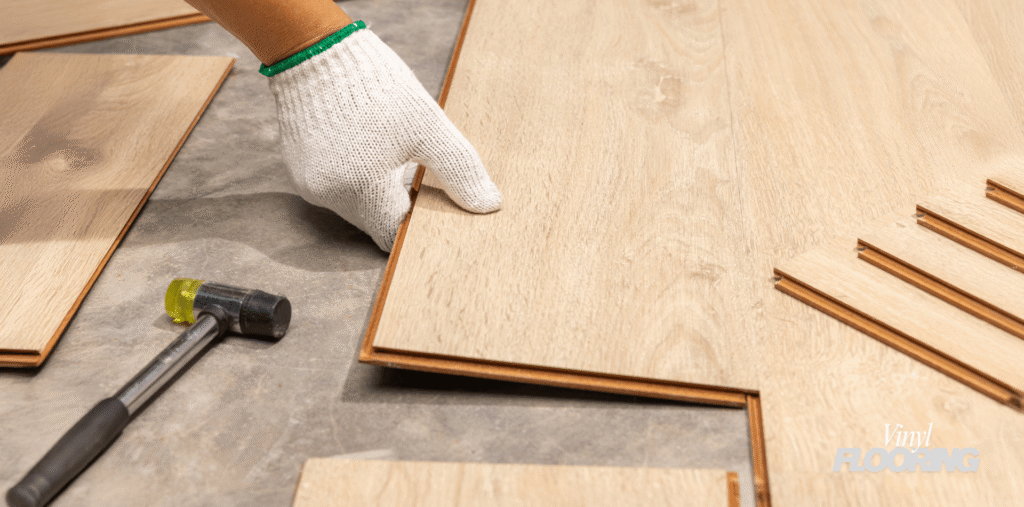
LVP has leaped into my heart as a fantastic all-rounder for humid climates. The new generation of planks with a Stone Polymer Composite (SPC) or Wood Polymer Composite (WPC) core are 100% waterproof. They won’t swell or warp from moisture. Plus, they look shockingly like real wood and feel warmer underfoot than tile.
I know what you’re thinking—it sounds perfect. But I have to be honest with you. My team and I see many complaints. User feedback is all over the map. One homeowner loves its durability with kids and pets, while another says, “Two years in and it’s separating at nearly every seam.” I even saw a flooring pro on Reddit state that the failure and warranty complaint rate for vinyl flooring is over 10%, which is huge compared to other materials.
So, how can you avoid these problems? Choose LVP with a thick, high-quality wear layer (at least 20 mil for residential use), a rigid core like SPC or WPC for added stability, and a strong, tightly locking system (look for brands with good reputations and warranties). Make sure the planks feel solid when clicked together, with no wobbling or gaps.
Always inspect for visual defects before installation. If possible, read reviews and get hands-on samples to see the locking mechanism up close. Taking these steps will help you avoid common pitfalls that lead to issues such as plank separation and premature wear.
The secret? You cannot cheap out on LVP. The bargain-bin stuff uses weak locking systems and thin wear layers that scratch if you look at them the wrong way.
✅ Buy it if: You want the wood look without the wood-related anxiety. You’re ready to invest in a premium product with a thick wear layer (at least 20 mil) and have it professionally installed.
❌ Don’t buy it if: Your budget limits your options to entry-level products. Lower-cost LVP products may be more prone to issues such as separating planks and surface scratches.
This flooring materials that can work in humid environments, but they come with significant requirements. These options are not inherently waterproof and require strict control of the indoor climate and careful installation to prevent moisture-related failures, making them a calculated risk for homeowners.
Engineered Hardwood: The Beauty That Demands Respect
Can you really have wood floors in a humid state? The answer is a qualified maybe. Solid hardwood is a definite no. Engineered hardwood is different. Its layered plywood core is much more dimensionally stable. So, it’s less likely to buckle and warp with humidity shifts.
However, it does require attention. The National Wood Flooring Association (NWFA) notes that wood floors tend to perform best when your home’s humidity stays between 30% and 50%. This means that air conditioning and humidity control are important for supporting your floor. It’s also important to remember that engineered wood is not waterproof. For example, one user’s engineered floor in a humid climate remained in good shape for years, until a hidden roof leak caused water damage.
💻 Who is this best for?: The meticulous homeowner. The person who runs their A/C consistently, has a whole-home dehumidifier, and cleans up spills the second they happen. If that’s you, you can enjoy the authentic beauty of wood.
Flooring You Absolutely Must Avoid in Humid Zones
Certain flooring materials are generally unsuitable for high-humidity environments because their composition makes them more prone to moisture absorption. These floors can experience swelling, warping, buckling, or mold when exposed to ambient moisture over time.
❌ Solid Hardwood: Don’t even think about it. It will absorb moisture from the air and expand, leading to cupping, warping, and buckling. It’s a beautiful material, but it’s the absolute worst choice for a humid climate.
❌ Most Laminate Flooring: Some options are labeled as “water-resistant.” Often, this means only the top layer can handle quick spills, while the core material may still absorb moisture if exposed to it. This can sometimes result in difficult-to-reverse swelling, so it’s important to weigh the options carefully. b
❌ Bamboo & Cork: These eco-friendly materials are naturally more susceptible to moisture. In consistently humid environments, they may experience swelling, discoloration, or warping. They can be a riskier choice in the long term in damp climates.
Why Your Installation Is More Important Than the Material
I’m going to say something controversial: a perfect installation of a good material beats a sloppy one of a great material. You can buy the priciest waterproof flooring, but if the subfloor is damp or the installation rushed, the floor will fail.
Vetting your installer is crucial, especially in humid climates. Look for professionals with a track record in moisture-challenged homes. Ask for references from similar jobs. Make sure your installer tests the subfloor for moisture and uses vapor barriers and acclimation best practices. Ask what warranties they provide on their work. See that they know the manufacturer’s guides for installation in humidity. A knowledgeable installer can mean a floor that lasts or one that fails early.
Here’s your action plan. It’s non-negotiable.
- Test Your Subfloor: Ensure your concrete or wood subfloor is completely dry before a single plank or tile is laid.
- Use a Moisture Barrier: This thin layer of plastic is cheap insurance against moisture wicking up from below.
- Acclimate the Flooring: Engineered wood and even LVP need to acclimate to your home’s temperature and humidity for a few days. Don’t skip this.
- Seal That Grout: If you choose tile, use a high-performance grout and seal it properly. This is your primary defense against mold.
Common Flooring Questions Answered
Is “waterproof” the same as “water-resistant”?
No, and it’s a marketing game you need to watch out for. “Water-resistant” means the floor can probably survive a spilled drink if you wipe it up immediately. “Waterproof” means the material itself is impervious to water and can be submerged without damage (like vinyl or porcelain). In a humid climate, your goal should always be waterproof.
Does flooring that works in dry work in humid Florida?
Absolutely not. The challenges are completely different. In a consistently humid climate, you are fighting constant, ambient moisture in the air. A floor has to be built to resist that 24/7 pressure. The advice in this guide is specifically for those tough, high-humidity zones.
Final Verdict: My Top Pick for Your Money
After cutting through all the noise, what’s the best choice? For most people renovating or building in a humid climate, my top recommendation is a high-quality Stone Polymer Composite (SPC) Luxury Vinyl Plank.
While porcelain tile is technically the most durable option, SPC vinyl offers the best all-around package. It’s 100% waterproof, more comfortable and warmer to walk on, incredibly realistic-looking, and doesn’t have grout lines that can harbor mold. The key, as I’ve stressed, is that you must invest in a good brand with a thick wear layer and a solid locking system.
I recommend considering reputable brands that has a strong track record of performance in humid environments. Look for features such as a wear layer of 20 mil or more, an SPC core (not just WPC), attached underlayment for easier installation and sound reduction, and an embossed or textured finish for a natural look.
Make sure the locking mechanism feels sturdy and receives good user reviews. Do that, and you’ll have a beautiful, worry-free floor that leaves the humidity outside where it belongs.
What flooring are you leaning towards for your project? Let me know your thoughts or questions in the comments below!

S.M. Rezaul Haque is a seasoned interior design consultant with 15+ years of experience. An AIUB graduate and Senior Vice President of BIDCOA, he specializes in creating functional, sustainable, and visually inspiring spaces. As the driving force behind BD INTERIOR, he has helped shape 700+ Bangladesh’s most innovative interior design projects.