
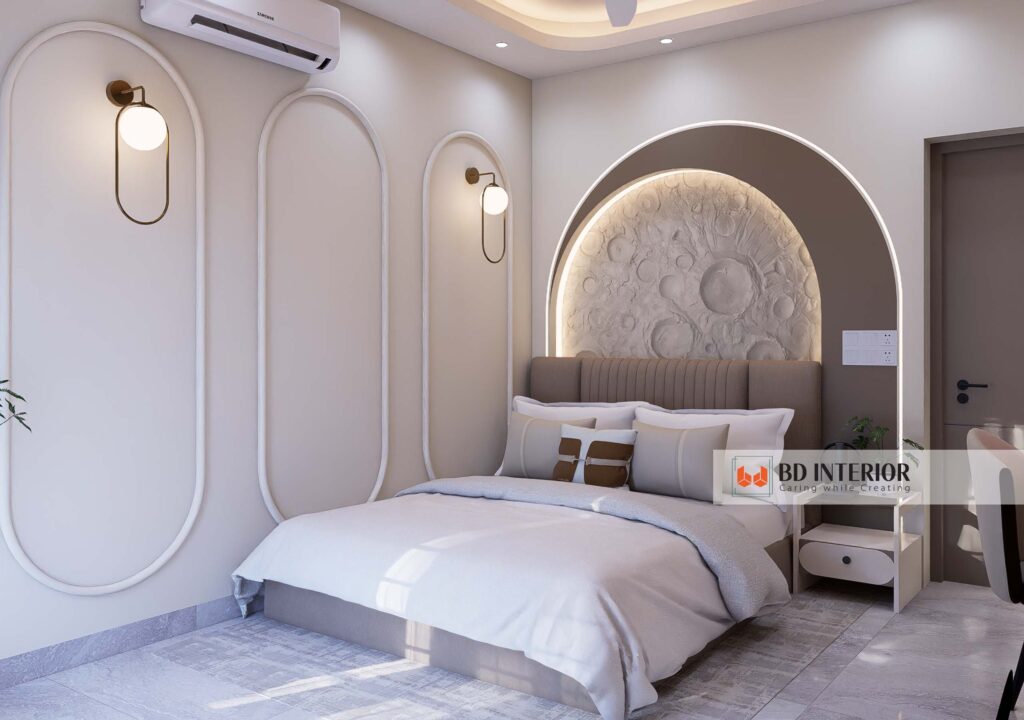
Is your home almost complete? You’ve gathered ideas and purchased furniture, but something still feels… off. You’re not alone in this experience. Many homeowners find themselves in a space that looks fine but doesn’t feel quite right. This isn’t just another list of generic tips you’ve seen a thousand times.
Instead, this guide aims to help you understand the foundational secrets that distinguish a nice house from a truly exceptional home. It is filled with actionable advice to help you identify what’s wrong and create a space that truly reflects you.
The Foundation: Nailing the ‘Invisible’ Elements
The core concepts of interior design dictate how elements in a space relate to one another. Think of them as the grammar of your home’s visual language; getting them right creates a cohesive, functional environment, while ignoring them can lead to a sense of imbalance or chaos.
Color is More Than Just a Hue
Let’s get real about paint. The biggest mistake I see is homeowners not understanding undertones. That perfect “greige” on the swatch can look purple in your north-facing living room. Why? Because the cool natural light is amplifying a hidden violet undertone.
One client told me her biggest regret was choosing a cream-colored tile that looked warm and inviting in the store, only to find it clashed horribly with her pure white cabinets, making them look stark and cheap.
This contrast issue is highly visible in contemporary kitchen renovations, especially with the rising cashmere kitchen trend (2026) that pairs warm, sandy gray cabinets with soft, creamy backsplashes.
The culprit? Clashing undertones.
- Test ruthlessly: Never, ever commit to a color based on a tiny chip. Paint large sample boards and move them around the room for at least 48 hours. Watch how the color shifts from morning to night.
- Consider your constants: Your flooring, countertops, and large furniture pieces have undertones. Hold paint swatches directly against them to see if they harmonize or fight.
Overall, grab a swatch of your most dominant color (like your sofa or floor). Take it to the paint store and find a fan deck. See which colors make it look better, and which make it look worse. You’re now training your eye to pick up undertones.
Lighting Isn’t an Afterthought; It’s Everything
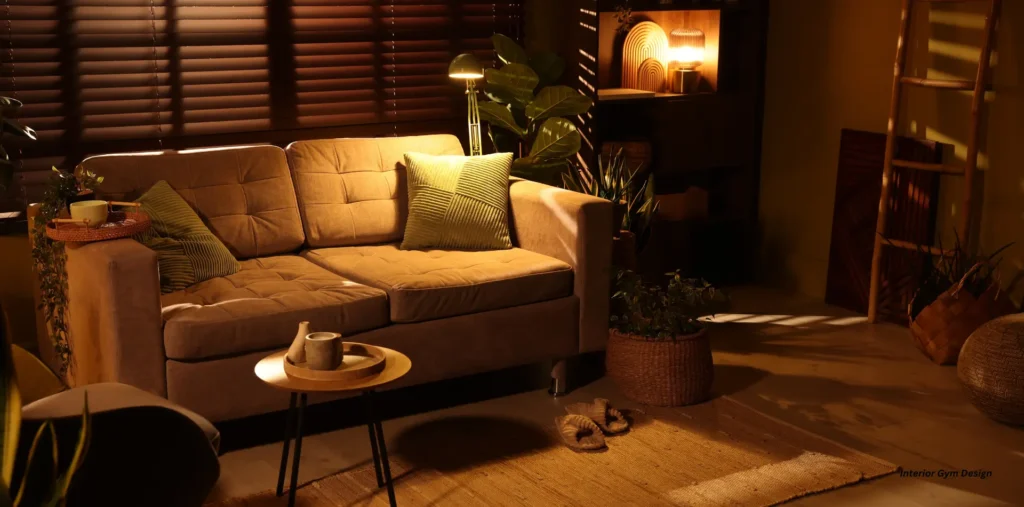
Lighting is one of the most powerful and often neglected tools in interior design. It can completely alter a room’s mood, make small spaces feel larger, and highlight the features you love. Get it wrong, and even the most expensive furniture will fall flat. A truly well-lit room feels like a warm embrace.
You need to layer your lighting. It’s not optional.
- Ambient: The overall illumination. Think ceiling fixtures or recessed lighting.
- Task: Focused light for specific activities. A reading lamp by a chair, under-cabinet lights for chopping vegetables.
- Accent: Light that creates drama. Think spotlights on artwork or uplighting a plant.
Pay attention to the color temperature, measured in Kelvins (K). A low Kelvin (2700K) bulb gives off a warm, cozy, yellowish glow perfect for bedrooms. A high Kelvin (5000K) bulb emits a cool, bluish light that’s great for focus in a home office but feels sterile in a living room.
Indeed, certified lighting consultants regularly complete Professional Development Hour (PDH) training to master how these subtle shifts in light temperature physically affect human circadian rhythms.
Quick Action Plan: Pick one room. Can you identify all three layers of light? If not, what’s missing? The fastest fix is often adding a floor lamp (task/ambient) or a small, plug-in spotlight for a piece of art (accent).
Furnishing for Flow and Function
Scale and proportion concern the relationships among objects in a room, including their size and visual weight. Proper scaling ensures furniture fits the space comfortably without overwhelming it or feeling insignificant, creating visual balance and supporting easy movement and functionality throughout the room.
The Scale and Proportion Mistake Everyone Makes
That huge, comfy sectional you saw in the massive showroom? It might just swallow your living room whole. In my experience, incorrect scale is the number one reason a room feels “off.” Oversized furniture can make a room feel cramped and stressful. On the flip side, tiny furniture in a large room with vaulted ceilings can feel lost and awkward.
Homeowners can easily test these spatial adjustments themselves by utilizing SketchUp Free for 3D modeling to visualize how different furniture sizes look inside a virtual replica of their room.
To avoid these costly mistakes, professionals rely on AutoCAD for 2D drafting to map out precise room layouts and confirm clearances before purchasing any furniture.
A common homeowner complaint is that their space feels too small. The answer isn’t always to get smaller things. Sometimes it’s about being smarter:
- Multifunctional Furniture: An ottoman with hidden storage, a coffee table that lifts into a desk.
- Large Mirrors: They are your best friend. They reflect light, creating an illusion of depth.
- Traffic Flow: You should have at least 3 feet of clearance for major walkways. Your home should not be an obstacle course.
So, take out a tape measure. Are your main pathways—from the door to the sofa, from the sofa to the kitchen—at least 36 inches wide? If not, it’s time to rearrange.
This 36-inch clearance target is actually a proven ergonomic baseline documented by the US Army Corps of Engineers for optimizing safe, unrestricted movement in high-traffic interior pathways.
Even institutional spaces follow these spatial rules; for instance, the military’s DG 1110-3-122 standard (1997) outlines strict dimensional limits to prevent structural clutter and improve human utility.
Texture: The Secret to a Rich, Layered Look
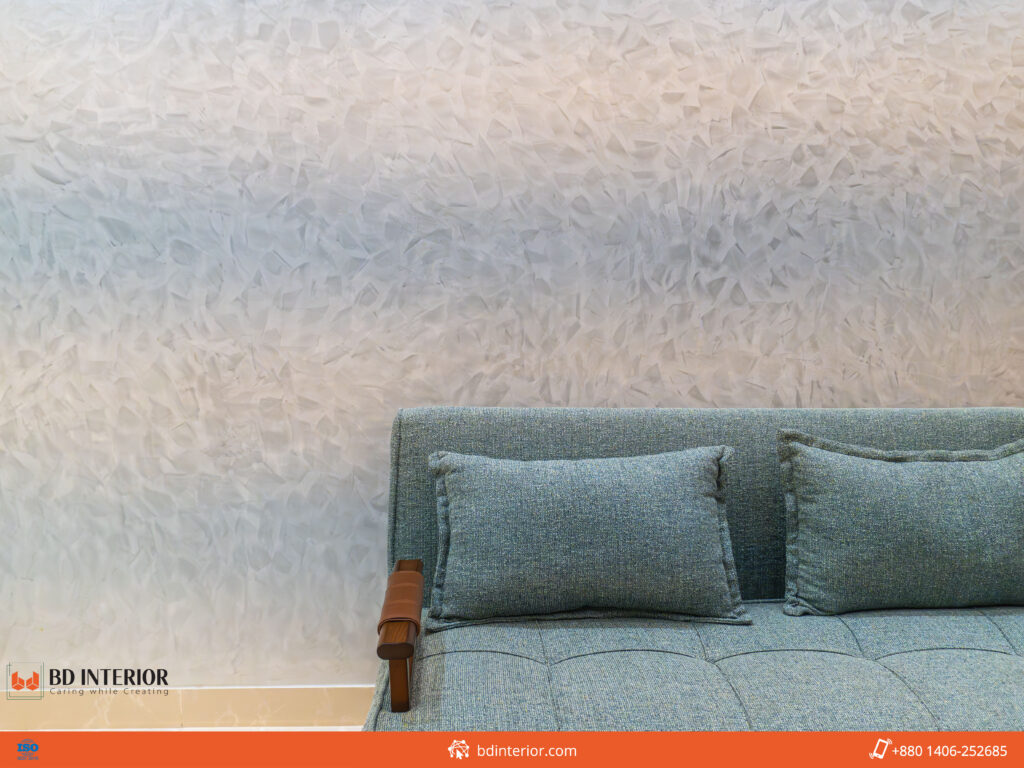
I know what you’re thinking, “Texture? That sounds complicated.” It’s not. It’s simply how a surface feels. A room with only smooth, flat surfaces (think drywall, a leather sofa, a glass table) can feel cold and one-dimensional. Adding a variety of textures is the secret weapon to make a space feel rich, curated, and cozy.
It’s about creating contrast. Mix rough with smooth, soft with hard.
- Textiles: Chunky knit throws, velvet pillows, linen curtains.
- Rugs: A rough jute rug under a soft wool one.
- Materials: A rustic wood table, sleek metal light fixtures, and woven baskets.
This is what takes a room from a catalog picture to a real, livable home.
Quick Action Plan: Add one new Texture to your living room this week. It could be as simple as a boucle pillow or a small ceramic vase.
Real Talk: Learning from Homeowner Regrets & Wins
Sometimes the best lessons come from real-world mistakes and triumphs. We’ve talked to homeowners about what they’d do differently—and what they got right.
“Trendy” Traps to Avoid
- Matte Black Fixtures: One homeowner told us, “They look incredible for the five minutes they are clean, but they show every single water spot and speck of dust. I spend my life wiping them.”
- The Barn Door: Great in a farmhouse, but a disaster for a bathroom. As one person put it, “It offered zero privacy for sounds or smells. A huge mistake.”
- The All-Gray-Everything Era: While gray can be a great neutral, a completely gray room can feel sterile and impersonal. A 2024 Stat shows a 30% increase in demand for warmer neutrals like beige and taupe as homeowners move away from this trend.
Genius Ideas We Love
- Live In It First: The best advice a homeowner received was to live in their new house for at least six months before making any major design decisions. You learn the light, the flow, and how you actually use the space.
- Hidden Storage: A universal win. “Building in hidden storage wherever we could makes keeping the house tidy so much easier.”
- Get Personal: One of our favorite stories? “My neighbor has cat tunnels built into the walls… their cats absolutely love them.” Your home should work for everyone who lives there, pets included!
Beyond Aesthetics: Designing for Well-Being
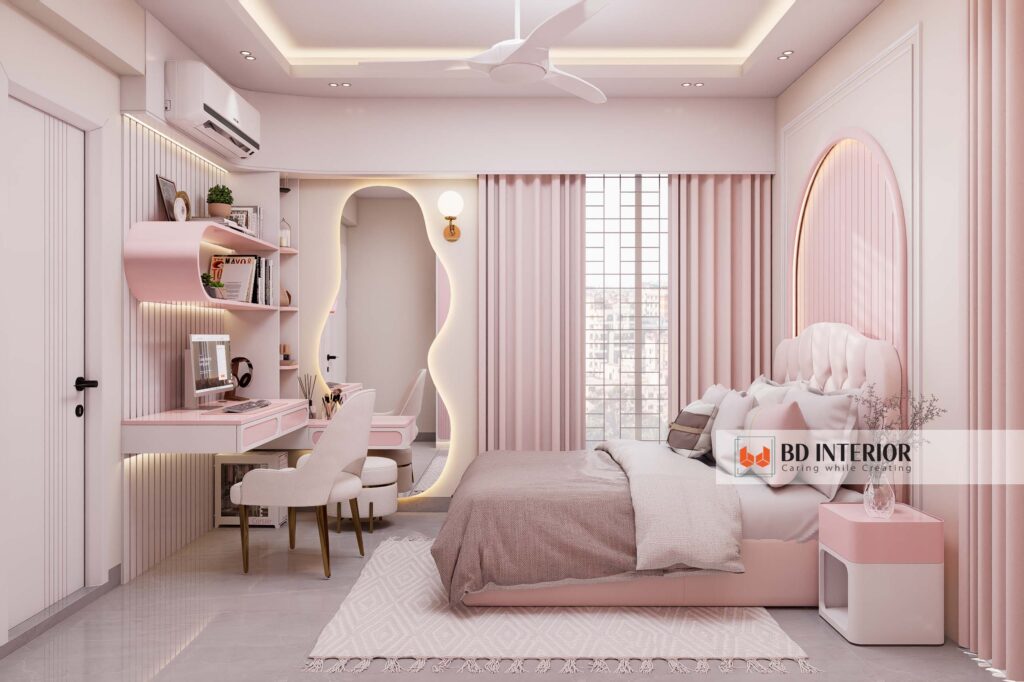
Evidence-Based Design (EBD) is a field that uses scientific research to make design choices that improve health and well-being. It’s about creating spaces that don’t just look good, but actively make you feel better by reducing stress, improving focus, and promoting healing.
This approach heavily intersects with human factors engineering, a discipline that scientifically optimizes indoor environments to minimize physical strain and reduce chronic cognitive fatigue.
The Power of Biophilic Design
Biophilic design is a core concept of EBD that involves incorporating natural elements into our built environments. Why? Because humans have an innate connection to nature. Research consistently shows that connecting with nature, even indoors, can lower blood pressure, reduce stress, and boost creativity.
This isn’t just about adding a sad little succulent to your desk. It’s a holistic approach:
- Plants & Greenery: Obvious, but effective.
- Natural Light: Maximize it wherever possible.
- Natural Materials: Wood grain, stone, jute, and wool.
- Views of Nature: Arrange furniture to look out a window.
You can move one piece of furniture to give you a better view of the outdoors. Even a small glimpse of the sky or a tree can make a difference.
FAQs
Do I need to hire an interior designer?
You don’t always need a professional, but if you do, be cautious. One homeowner shared a nightmare story of being billed thousands for ‘concept development’ with no tangible results. Always have a crystal-clear contract that outlines specific deliverables, timelines, and total costs before signing anything.
What’s the single biggest design mistake to avoid?
It would lead to buying a sofa that doesn’t fit, picking a paint color you hate, and succumbing to fleeting trends. Live in your space, understand its quirks, and make thoughtful decisions. Good design has staying power.
This period of observation aligns closely with traditional feng shui decorating, which emphasizes understanding a room’s natural energy flow and light patterns before placing permanent furnishings.
Looking ahead, upcoming 2026 home decor trends predict a massive pivot toward rich earthy tones, textured plaster finishes, and highly individualized vintage statements over clinical, monochrome spaces.
Your Next Step to a Home You Love
These spatial relationships are formally structured around the 7 Principles of Interior Design, which provide a professional blueprint for balancing physical objects and sensory details within any living space.
Our hands-on consultations reveal that traditional color wrapping is evolving into the color capping paint trend (2026), where ceilings are painted a bold shade while walls remain a soft neutral.
To keep palettes balanced, professional decorators rely on the 60-30-10 color rule to distribute sixty percent dominant color, thirty percent secondary tone, and ten percent accent color.
In professional design, we balance tactile texture vs visual texture, contrasting the physical feel of a chunky wool rug with the purely visual pattern of a marble countertop.
Incorporating an iconic piece like a leather Eames lounger alongside a rough brick wall perfectly showcases how contrasting materials elevate a room’s overall sensory experience.
If a traditional full-service designer feels out of reach, modern e-design platforms like Havenly offer accessible, flat-rate alternative plans that pair you with professionals online.
Creating a home that feels like an extension of yourself isn’t about following rigid rules. It’s about understanding the core principles—light, color, scale—and then confidently breaking the rules to let your personality shine through.
It’s also about choosing a faucet because it’s easy to clean, not just because it’s trendy. It’s about building a space that supports your life and your well-being. So, what’s the one design challenge in your home you’re going to tackle first using these tips? Share it in the comments below!

S.M. Rezaul Haque is a seasoned interior design consultant with 15+ years of experience. An AIUB graduate and Senior Vice President of BIDCOA, he specializes in creating functional, sustainable, and visually inspiring spaces. As the driving force behind BD INTERIOR, he has helped shape 700+ Bangladesh’s most innovative interior design projects.