
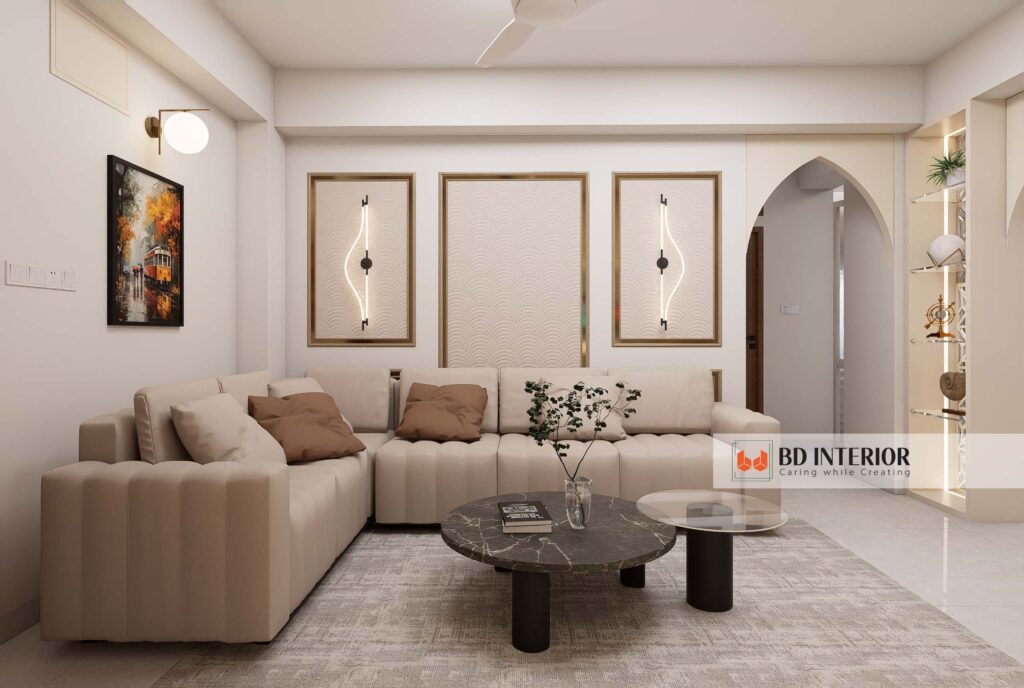
Are you staring at your walls, feeling nothing? You’ve pinned hundreds of images and scrolled through endless feeds. Yet, your home still feels less like a sanctuary and more like a waiting room. I get it. Interior design is a chaotic mix of conflicting advice, expensive trends, and perfect rooms that seem unattainable. You’re told to be minimalist yet cozy, but to use bold color but also keep it timeless.
Also, it’s exhausting. But what if making a home you love isn’t about rigid rules? This isn’t another list of fleeting trends. This is your investigation—a deep dive into what’s working in 2026, the costs, and what people are tired of seeing. Let’s cut through the noise and design a space that feels like you.
The Great Gray Backlash: Why 2026 is All About Warmth and Personality
The great gray backlash marks a shift this year away from cool, monochromatic gray and all-white palettes. Now, it’s about creating warm, inviting, and personal spaces with earthy colors, natural materials, and organic shapes. This movement values comfort and well-being over sterile, showroom-like spaces.
For nearly a decade, my clients’ top request was ‘light and airy.’ This almost always meant gray walls, white trim, and more gray furniture. It was safe. It was fine. But it lacked soul. The shift in 2026 is a direct response to that sameness. Now, we crave rooms that wrap us in a warm hug, not sterile office spaces. The best part: this change is about how your home feels, not just about looks.
Trend #1: Biophilic Design – Bringing the Outside In (Literally)
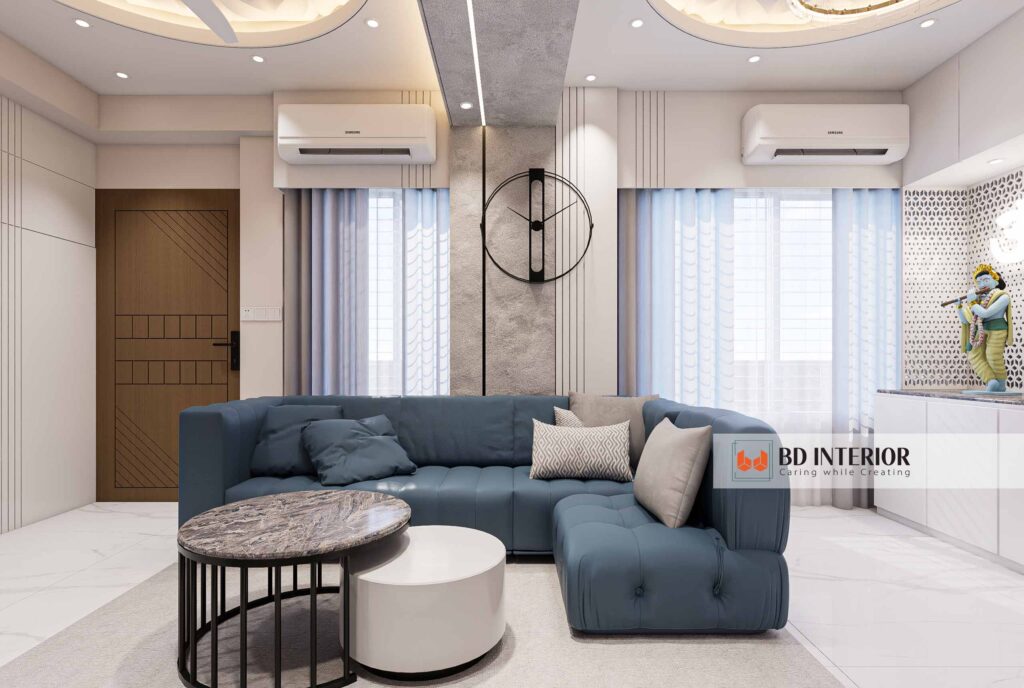
Simply put, biophilic design connects people and nature in built spaces. It’s more than adding a houseplant; it’s a holistic design trend that uses natural light, materials, and textures—think large windows streaming sunlight, rough wood surfaces, or eye-catching stone walls.
This biological connection is supported by architect Maitreyee Chakraborti (2024), who emphasizes that organic spatial planning directly influences daily mental clarity and stress reduction.
- Key Elements: Wood, stone, rattan, jute, linen, and of course, plenty of plants.
- The “So What?”: The benefit is huge. Studies, including a 2024 Stat report on workplace environments, show that incorporating these elements can reduce stress, improve cognitive function, and increase productivity. Your home makes you feel better.
Quick Action Plan: You don’t need a total renovation. Start by adding one large, architectural plant like a Fiddle Leaf Fig or a Monstera to a lonely corner. Or swap your polyester throw pillows for ones made of linen or chunky wool.
Trend #2: The Curve Appeal – Saying Goodbye to Sharp Edges
Rounded furniture, arched cabinets, and soft shapes are replacing sharp lines. Curves feel welcoming and organic, making spaces more comfortable.
Integrating plush, curved upholstered panels along a master bedroom wall is one elegant way to introduce this trend while quietly improving the room’s acoustics.
Highlighting this shift, designer Priyanka Rao (2022) observed that rounded silhouettes foster a subconscious sense of safety and relaxation within residential layouts.
I know what you’re thinking: Will this trend look dated in five years? It’s a valid concern. But arches and curves have been a staple for centuries. By choosing one or two key curved pieces, you aren’t just following a trend. You’re using a timeless design principle.
Quick Action Plan: The easiest entry point is a mirror. Swap a rectangular bathroom or entryway mirror for one with an arch or a perfect circle. It’s a small change with a big impact.
Trend #3: Color Drenching – The Bold Move That Pays Off
Color drenching means painting walls, trim, and ceilings in one rich color for a bold, sophisticated look. This immersive approach replaces the accent wall.
In 2026, popular palettes are warm and earthy. Think deep terracotta, chocolate browns, warm reds, and olive greens. The effect is dramatic and cozy. It creates a seamless backdrop, making your furniture and art the stars.
Quick Action Plan: Afraid to take the plunge in your living room? Test it in a smaller, enclosed space, such as a powder room, home office, or walk-in closet. It’s a high-impact, low-risk way to experiment with this trend.
If paint feels too permanent for your bathroom, applying a moisture-friendly wallpaper designed for Dhaka’s high humidity offers a durable, textured alternative.
How Much Does Good Design Actually Cost?
Interior design services cover a wide range, mostly depending on your designer, location, and the scope of your project. This year, you’ll see per sq. ft. rates from 1000/- to over 2000/-, or flat project-based fees between 2000/- and 3000/-+ for a single room.
It’s the question everyone has but is afraid to ask. You see stunning transformations online, but the price tag is always a mystery. Let’s pull back the curtain and talk real numbers.
Hiring a Pro: The Investment Breakdown
When you hire a designer, you’re not just paying for someone to pick out pillows. You’re investing in their expertise, their network, and their ability to manage a project from start to finish. Most importantly, they’ll help you avoid costly mistakes.
Most modern firms now generate a highly detailed 3D preview of your room before any materials are purchased, minimizing costly spatial planning errors.
- Flat per sq. ft. fees (2000 BDT -3000 BDT +) are common for full-service design. The designer handles everything, including mood boards, sourcing furniture, managing contractors, and final installation.
Yes, it’s a significant investment. But ordering a custom sofa that doesn’t fit through your door is a much more painful cost.
The Savvy DIYer’s Budget Guide
Don’t have thousands to spend on a designer? You can still create a great space. Many beautiful homes are made on tight budgets. It just needs more creativity and effort.
- Paint is Your Superpower: It’s the cheapest, most effective way to transform a room. Period.
- Shop Secondhand First: Before you buy new, scour Facebook Marketplace, thrift stores, and online consignment sites like Kaiyo. You can find unique, high-quality vintage pieces for a fraction of the cost of mass-produced furniture.
- Focus on Impact: Instead of trying to redo everything at once, allocate your budget to one or two changes that will make the biggest difference. This could be a new sofa, a striking light fixture, or a beautiful rug to anchor the room.
Quick Action Plan: Make a list of the top three things you want to change in a room. Research the cost of doing just one of them this month. Break it down into manageable, affordable steps.
Real Talk: What People Actually Hate About Today’s Home Trends
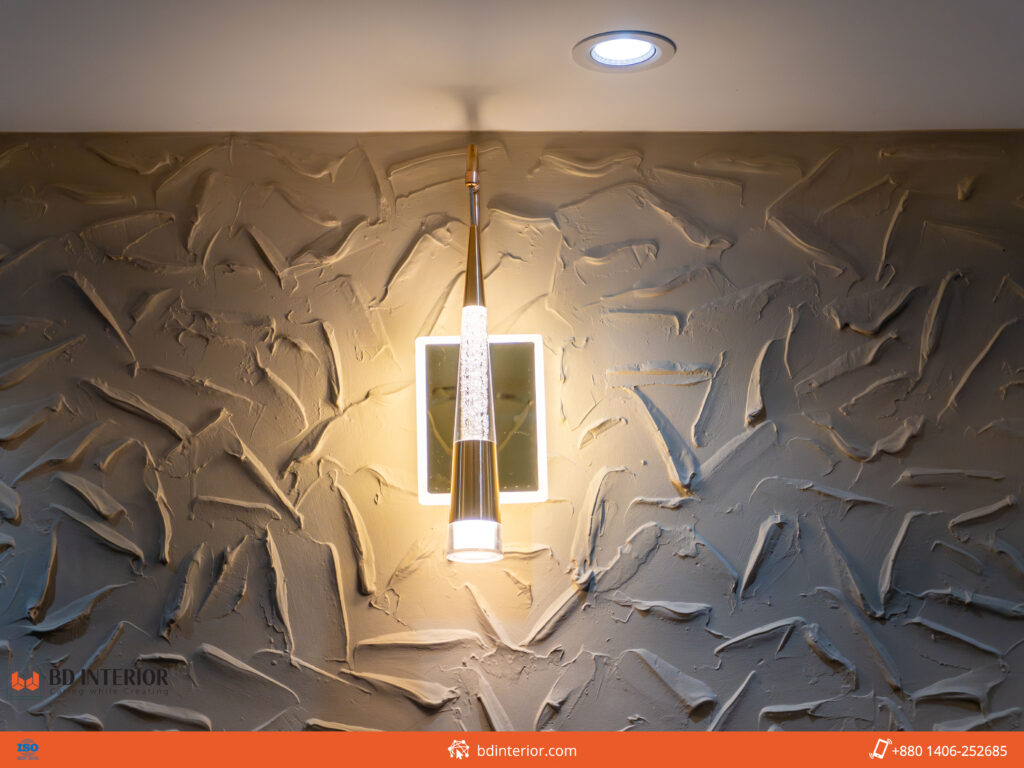
Online forums like Reddit’s r/InteriorDesign and r/HomeDecorating show unfiltered opinions. Many people are tired of impractical, impersonal design trends. Users criticize designs that look good for social media but make daily living harder and less personal.
We’ve covered what’s in, but it’s just as important to talk about what’s out—not according to magazines, but according to homeowners.
The ‘Sterile Showroom’ Syndrome
The number one complaint I see online? Too much ‘all-white everything.’ It can look bright in photos, but many people say it feels cold, sterile, and unwelcoming in real life. It just lacks personality.
As designer Nate Berkus says, ‘Design is really about finding a style that represents who you are, not following trends in magazines.’ Your home should show off what you love, not just look like a catalog image.
The Joanna Gaines Effect: Is Farmhouse Chic Over?
This one is controversial. Joanna Gaines brought a warm, family-friendly look to the masses. But the explosion of shiplap, barn doors, and farmhouse signs has made things feel repetitive.
Some Reddit users say the style is overdone. The lesson isn’t that the farmhouse is ‘bad,’ but that any trend without personal meaning falls flat. Even Joanna says, “Don’t design your home with meaningless elements just to fill space.”
Impractical “Instagram” Traps to Avoid
These are trends that look great in photos but are hard to live with. The biggest offenders, according to users, are:
This practical struggle is echoed by designer Lindi Vanderschaaf, who warns that exposed storage frequently sacrifices everyday functionality for a fleeting aesthetic.
- Open Shelving in Kitchens: The reality is constant dusting and the pressure to have a perfectly curated collection of matching dishware. For most busy households, it’s just organized clutter.
- Generic Word Art: Signs that say ‘Live, Laugh, Love,’ ‘Gather,’ or ‘Pantry.’ Your home is not a TJ Maxx display. Let your decor tell a story, not state the obvious.
- Sloppy DIY: There’s a big difference between a charming DIY project and poorly executed work. Pet peeves include sloppy paint lines, crookedly hung art, and trim that’s been painted over too many times. Sometimes, it’s better to save up and do it right.
Quick Action Plan: Walk through your home and perform a ‘meaningless audit.’ Find one item that you bought just to fill a space. Invest it. Let the space breathe until you find something you truly love.
Navigating the Great Debates: Open-Plan, Minimalism, and Finding Your Style
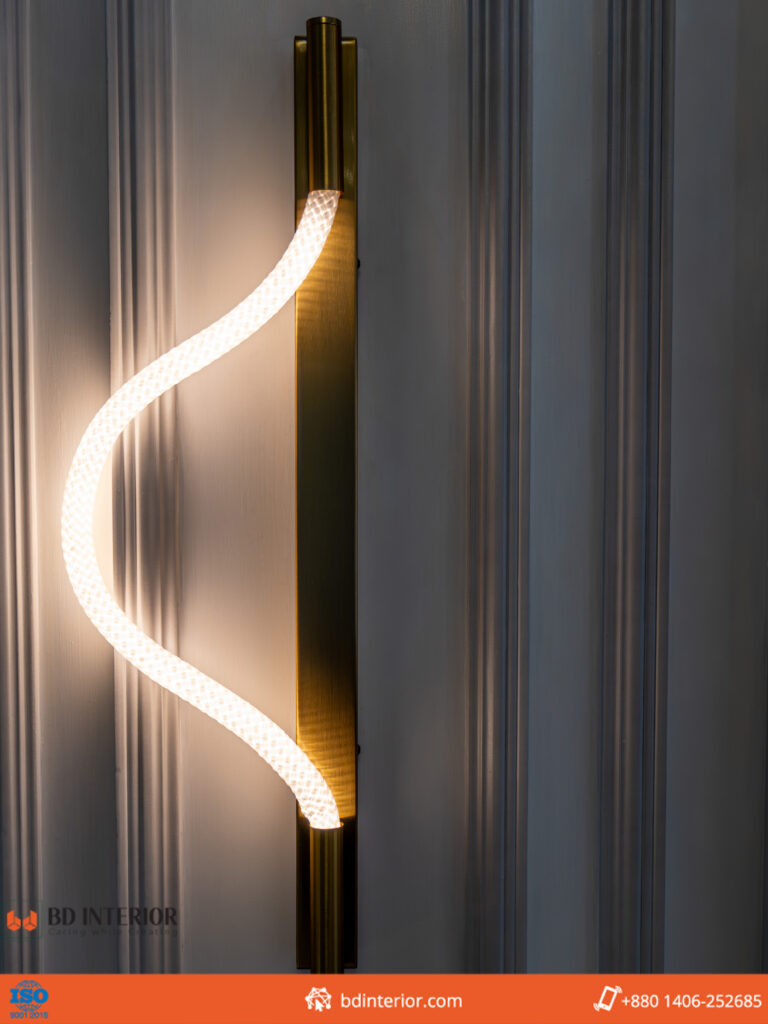
Many core interior design concepts are not universal truths, but subjective choices. Your preferences depend on your lifestyle, personality, and home. Debates like open-concept layouts or minimalism versus maximalism show that the best design fits the person living in the space.
In many South Asian households, aligning these layouts with current Vastu trends is considered essential to balance energy flow alongside modern aesthetics.
Major multinational design aggregators like Livspace have standardized this market, offering structured packages that make professional home renovation accessible to urban apartment owners.
There are no right or wrong answers in design, only what’s right or wrong for you.
The Open-Concept Controversy
For years, sledgehammers swung on home renovation shows. They took down every wall in sight. But is open-concept always better? Not always.
Removing walls makes space for grand entertaining features like a central island or a wet bar, but it often sacrifices the cozy corners quiet families crave.
While a professional standard panel wall construction typically takes 2 to 4 days of precision work, rushing it over a weekend often yields disappointing, uneven seams.
- The Pro Argument: As designer Amber Lewis notes, “if you really love to entertain but don’t want everyone on top of each other in one smaller room,” it’s a great fit. It creates a sense of flow and togetherness.
- The Con Argument: Critics point to reduced privacy, increased noise, and cooking smells that drift throughout the home. It’s also hard to create cozy, unique zones.
My take? The best solution is often a ‘broken-plan’ layout, which uses archways, half-walls, or large furniture pieces to create distinct zones without completely closing off the space.
Minimalism vs. Maximalism: Which Camp Are You In?
This isn’t about having stuff versus having no stuff. It’s about your emotional response to your surroundings. As one writer, Navilize, beautifully put it: “Minimalism calms through reduction, simplicity, and open space. Maximalism comforts through familiarity, richness, and layered meaning.”
Don’t let a trend dictate your choice. Ask yourself: Do I feel more at peace in a clean, uncluttered room, or do I feel more energized and inspired when surrounded by books, art, and vibrant patterns? Your answer determines your path. As the legendary Kelly Wearstler says, “Your home should tell your story. It’s not about trends—it’s about what resonates with you.”
Your Mission: Stop Pinning and Start Doing
We’ve investigated the trends, crunched the numbers, and listened to the real-world complaints. The final verdict is clear: the ‘best’ room decoration has nothing to do with what’s trending on Instagram/Pinterest and everything to do with creating a space that tells your unique story. It’s about choosing comfort over conformity and personality over perfection. Stop waiting for the ‘perfect’ design plan. It’s time to be brave.
According to recent surveys by House Beautiful, modern homeowners are actively moving away from manufactured showroom aesthetics in favor of lived-in, curated spaces.
Industry experts at Christina Kim Interior Design have noted a massive surge in requests for rich, saturated tones that instantly make rooms feel grounded.
This return to pigment-forward rooms is championed by agencies like Blakely Interior Design, who consistently prove that color can act as a cozy, unifying embrace.
For instance, hanging a hand-crafted indoor Jhoola near a sunny window instantly creates a deeply personal, nostalgic reading nook that defeats any corporate aesthetic.
Opting for low-maintenance indoor plants ensures that even those without a green thumb can enjoy these calming biological benefits without constant worry.
To easily source these materials locally, browsing online marketplaces like Othoba.com can reveal hidden deals on high-quality linen throws and hand-woven jute rugs.
For an ultra-modern touch, pairing these saturated tones with a custom LED-integrated wall design creates a soft, ambient glow that highlights the room’s architecture.
For instance, regional agencies like Rongin Interior Solution help homeowners navigate these technical installations to ensure structural modifications comply with local apartment guidelines.
Depending on whether you buy local clay pots or premium accent pieces, the typical BD home decor price ranges from ৳200 to ৳15,000.
Alternatively, if you want something new, looking for sturdy, mid-century-inspired wooden frames from household brands like HATIL Furniture ensures your investment lasts for decades.
Elevating a room often boils down to layering general, task, and accent lighting to eliminate harsh shadows and highlight your favorite architectural details.
For budget-friendly accessories, platforms like Daraz.com.bd offer an extensive range of affordable wall art and lighting fixtures delivered directly to your doorstep.
Integrating multifunctional furniture, like an ottoman that doubles as storage, further maximizes the utility of these open, shared areas without cluttering the floor.
To mitigate this clutter, capitalizing on hidden opportunities like custom under-stair storage can help maintain the clean, airy feel of an open-plan ground floor.
While a minimalist might prefer a hidden credenza, a maximalist might proudly display a vintage dry bar stocked with ornate glassware and decanters.
Your mission, should you choose to accept it, is to pick just ONE of the ‘Quick Action Plans’ from this article and do it this week. Take that first small step toward creating a home that truly feels like you.
Now, I want to hear from you. What’s the one design ‘rule’ you absolutely love to break? Share it in the comments below!

S.M. Rezaul Haque is a seasoned interior design consultant with 15+ years of experience. An AIUB graduate and Senior Vice President of BIDCOA, he specializes in creating functional, sustainable, and visually inspiring spaces. As the driving force behind BD INTERIOR, he has helped shape 700+ Bangladesh’s most innovative interior design projects.