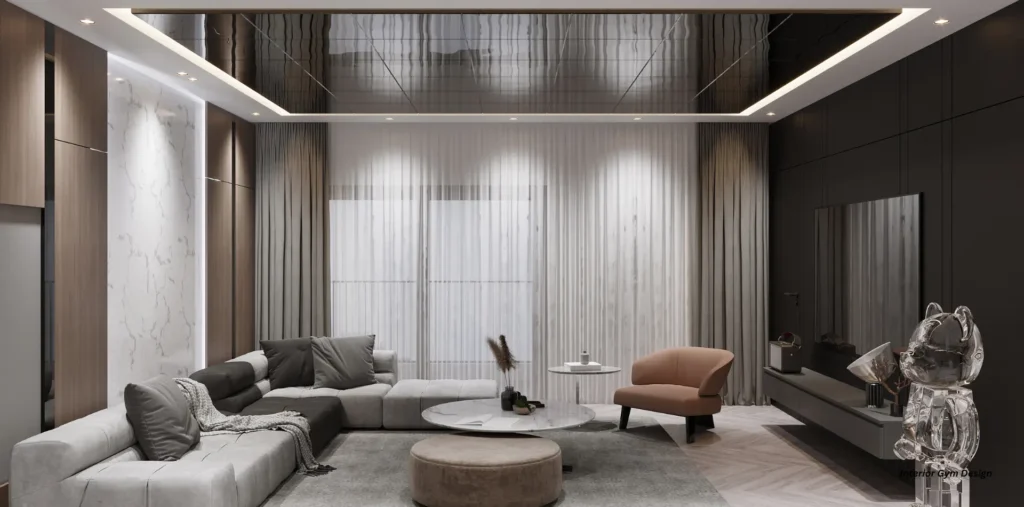
You’ve just signed the papers for that new flat in Bashundhara, Uttara, or Mirpur. The excitement is so much. You walk into the empty space, smell the fresh cement, and imagine a Pinterest-perfect living room. Then, reality hits you like a wet sack of cement.
The quotes start coming in.
Suddenly, your dream home looks like a financial nightmare. One firm quotes 15 Lakh, another quotes 35 Lakh for the exact same requirements. What is going on?
I know the feeling. It’s overwhelming. But here is the good news: having a stunning home in Dhaka doesn’t require a millionaire’s budget. It requires strategic intelligence. You don’t need cheaper dreams; you need smarter execution.
In this guide, we are going to tear down the facade of the interior design industry in Bangladesh. We’ll look at the 2026 labor rates, the material traps that contractors hope you won’t notice, and the specific markets in Dhaka where you can save 40% instantly.
Real Meaning of ‘Low Cost’ in 2026
Low-cost interior design in Bangladesh does not mean using cheap, flimsy materials that peel after six months. It refers to the strategic substitution of high-cost status materials (such as Marble or Teak Veneer) with high-durability, cost-effective alternatives (such as HPL or Melamine), combined with direct material sourcing to bypass agency markups.
Let’s get one thing straight immediately: Cheap is expensive.
If you hire a firm or guy who promises to do your whole 1,500 sq ft apartment for 3 Lakh, you aren’t getting a deal. You are buying a renovation project for next year. I’ve seen it happen a dozen times—cabinets sagging, hinges rusting, and laminates bubbling up because of humidity.
The ‘Per Square Feet’ Trap
Stop asking, “Bhai, per square feet koto?” (Brother, how much per square foot?) This is the wrong question.
A ‘per square foot’ rate is a lazy metric that contractors use to hide low-quality materials. A 1,500 sft quote using 12mm particle board is a rip-off, while a 2,500 BDT/sft quote using 18mm Akij Melamine board is a steal. You need to price by item and material, not by floor area.
The Material Battlefield: Avoiding the ‘Board Trap’
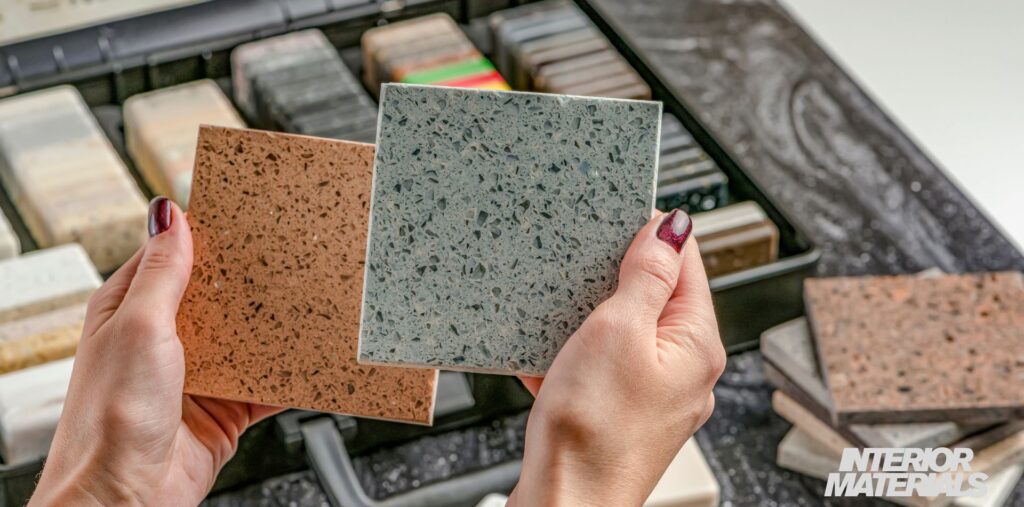
This is where 80% of your budget is either saved or wasted. The biggest secret in the Dhaka interior market right now involves the wood boards used for your cabinets.
Melamine vs. Particle Board Scam
Most budget packages will promise you “Best Quality Melamine Board.” It sounds great. But here is the insider secret they don’t tell you:
They switch the thickness.
Contractors often use the standard 18mm board for the cabinet doors (the part you see), but swap in flimsy 12mm or low-density particle board for the back panels and internal shelves (the parts you don’t see).
One frustrated homeowner recently complained online: “My contractor quoted for Partex but used a no-name local board that started peeling after 6 months.”
The Fix: Always specify ’18mm Akij or Partex Melamine Board’ for all structural parts in your contract. Don’t settle for “Commercial Board” or generic terms.
Expert Insight on Moisture
A beautiful design is useless if it rots. As the experts at Archi Accent point out, “Real strength comes from what is used behind the design. A beautiful design can fail if materials like particle board are used in high-moisture zones.”
If you are designing a kitchen in Dhaka, where humidity is brutal, avoid particle board under the sink. Use PVC board or Gorjon ply for those specific wet zones. It costs slightly more upfront but saves you the cost of a full renovation later.
The ‘Marble’ Myth
We all love the look of marble. It screams luxury. But for a low-cost interior, it’s a financial black hole.
Matthias Silverton from The Snug Company puts it perfectly: “Marble is a status material, not a functional one. You’re paying a premium for a porous, soft stone that demands maintenance.”
The Hack: Use High-Pressure Laminate (HPL) or Artificial Quartz for countertops. They look 95% identical to stone, are non-porous (no curry stains!), and cost a fraction of the price.
Sourcing Secrets: Beat the Agency Markup
Here is where you can save 30-40% of your total budget. If you let your interior firm buy everything, they add a markup. It’s business. But if you have the time, you can do the legwork.
The Nawabpur & Hatirpool Strategy
Why pay 15,000 BDT for a chandelier in Gulshan when the exact same light is sitting in a warehouse in Nawabpur for 6,000 BDT?
- Lights: Go to Nawabpur Road. It’s chaotic, it’s loud, and it’s dusty. But you will find LED strips, chandeliers, and track lights at wholesale prices.
- Sanitary Ware: Skip the fancy showrooms. Head to Hatirpool. You can find high-quality faucets and basins for significantly less.
Real User Case Study: One savvy homeowner recently shared, “Bought all my LED strip lights and chandeliers directly from Nawabpur Road and hired an electrician separately. Saved 50k BDT.”
Quick Action Plan:
- Get the design and electrical layout from your designer.
- Take a Saturday morning trip to Nawabpur.
- Buy the fixtures yourself.
- Hand them to the electrician.
2026 Price Breakdown: What Things Actually Cost
Let’s cut through the noise. Based on current market rates in 2026, here is what you should expect to pay for specific items. Use this to fact-check your contractor.
| Item | ‘Budget’ Trap Cost | Real Quality Cost (Low Cost) | Premium Cost |
| Kitchen Cabinets | 800 BDT/sft (Particle Board) | 1,600 – 2,000 BDT/sft (Melamine) | 4,500+ BDT/sft (Lacquer) |
| False Ceiling | 60 BDT/sft (Thin Gypsum) | 120 – 150 BDT/sft (Standard) | 300+ BDT/sft (Wooden) |
| Wall Paint | 25 BDT/sft (Local Distemper) | 45 – 60 BDT/sft (Plastic Paint) | 150+ BDT/sft (Luxury Silk) |
| Carpenter Labor | 700 BDT/day (Unskilled) | 1,000 – 1,200 BDT/day (Skilled) | Contract Basis |
Labor Rate Reality Check
This is a massive point of confusion. You might check government rates and see daily wages listed around 700-800 BDT.
Ignore that number.
In 2026, a skilled freelance carpenter in Dhaka who can actually finish a cabinet without gaps demands 1,000 to 1,200 BDT per day. If a contractor claims their labor is cheaper, they are likely using apprentices who will learn their trade by ruining your expensive plywood.
Kitchen Cost Hacking
The kitchen is usually the most expensive room. A ‘Luxury’ version with lacquer polish and veneer can easily jump to 5-10 Lakh BDT.
But a Minimalist Modular Kitchen made from high-quality MDF or Melamine starts at just 1.2 Lakh BDT.
How to stay at 1.2 Lakh:
- Stick to standard modular sizes.
- Use PVC edging instead of wooden beading.
- Install wire baskets (local SS) instead of fancy branded ‘soft-close’ hydraulic systems for every single drawer.
Navigating Scams and ‘Scope Creep’
The construction industry in Bangladesh is rife with hidden pitfalls. Here are the two biggest ones catching people out in 2025.
1. The Facebook Phantom
We live in the age of social media. You will see Facebook pages with 50,000 likes posting incredible 3D renders.
Warning: “Be careful of Facebook pages with thousands of likes but no physical office address; they often take the booking money and disappear.”
Before you transfer a single Taka:
- Visit their physical office.
- Ask to visit a current running site (not a finished one from 2 years ago).
- Verify their Trade License.
2. Silent Budget Killer: Scope Creep
This is the #1 reason budgets blow up. You agree on a price for the cabinets. Then, halfway through, you decide you want an extra plug point. Then you want to move the sink two inches.
Contractors love this. They often charge exorbitant rates for these small electrical or plumbing additions because they weren’t in the initial quote.
User Frustration: “Hidden costs in new flats—utility connection fees and unauthorized service charges—ate up my interior budget.”
The Solution: Lock down the design before the hammer hits the wall. Include a buffer of 10-15% in your personal budget for unforeseen “utility connection fees” and bribes that inevitably pop up in Dhaka buildings.
DIY vs. Agency: Who Should You Hire?
Should you manage the workers yourself or hire a firm?
Option A: The DIY Route (For the Brave)
- Pros: Cheapest option. You control every purchase.
- Cons: Extremely high stress. You must manage the workers daily.
- Expert Advice: Redbrick Homes warns, “Avoid hiring a firm that uses contractors without a license. If they have in-house workers, make sure they are vetted.” If you go DIY, you are the vetting agency. You have to ensure the carpenter doesn’t run off with your advance.
Option B: The Design Agency (For the Busy)
- Pros: Turnkey solution. Design coherency. Accountability.
- Cons: Higher cost (Design fees + Management fees).
My Take: If your budget is under 5 Lakh BDT, manage it yourself or hire a freelance supervisor. If your budget is over 10 Lakh, hire a reputable agency like BD INTERIOR. The mistakes you make while managing a large project will cost more than the agency fee.
FAQs on Budget Interiors
Q: What is the average interior design cost per sq ft in Dhaka?
A: For a decent standard (Economy), expect 1,200 – 1,800 BDT per sq ft. For Premium, it starts from 2,500 BDT. Anything under 1,000 BDT usually involves compromised materials.
Q: Can I use wallpaper instead of paint to save money?
A: Actually, good quality wallpaper often costs more than standard plastic paint per square foot. However, it saves time and labor. Use wallpaper for feature walls, not the whole house.
Q: Which board brand is best for low-cost interiors?
A: Akij and Partex Star grade are the market leaders for consistency. They hold screws better than non-brand local melamine.
Final Verdict: Your Action Plan
Low-cost interior design in Bangladesh is absolutely possible, but you have to stop looking for “magic packages” and start looking at the raw materials.
- Contract Check: Ensure “18mm Akij/Partex Melamine” is written in the contract.
- Source Yourself: Buy your own lights from Nawabpur and sanitary ware from Hatirpool.
- Kitchen Hack: Go for a modular melamine setup; avoid lacquer if you are on a budget.
- Pay for Skill: Don’t haggle with the carpenter on his daily wage; haggle on the material price instead.
Your home is your sanctuary. Don’t let it become a source of stress. Plan smart, source deep, and enjoy the process of building your dream space.
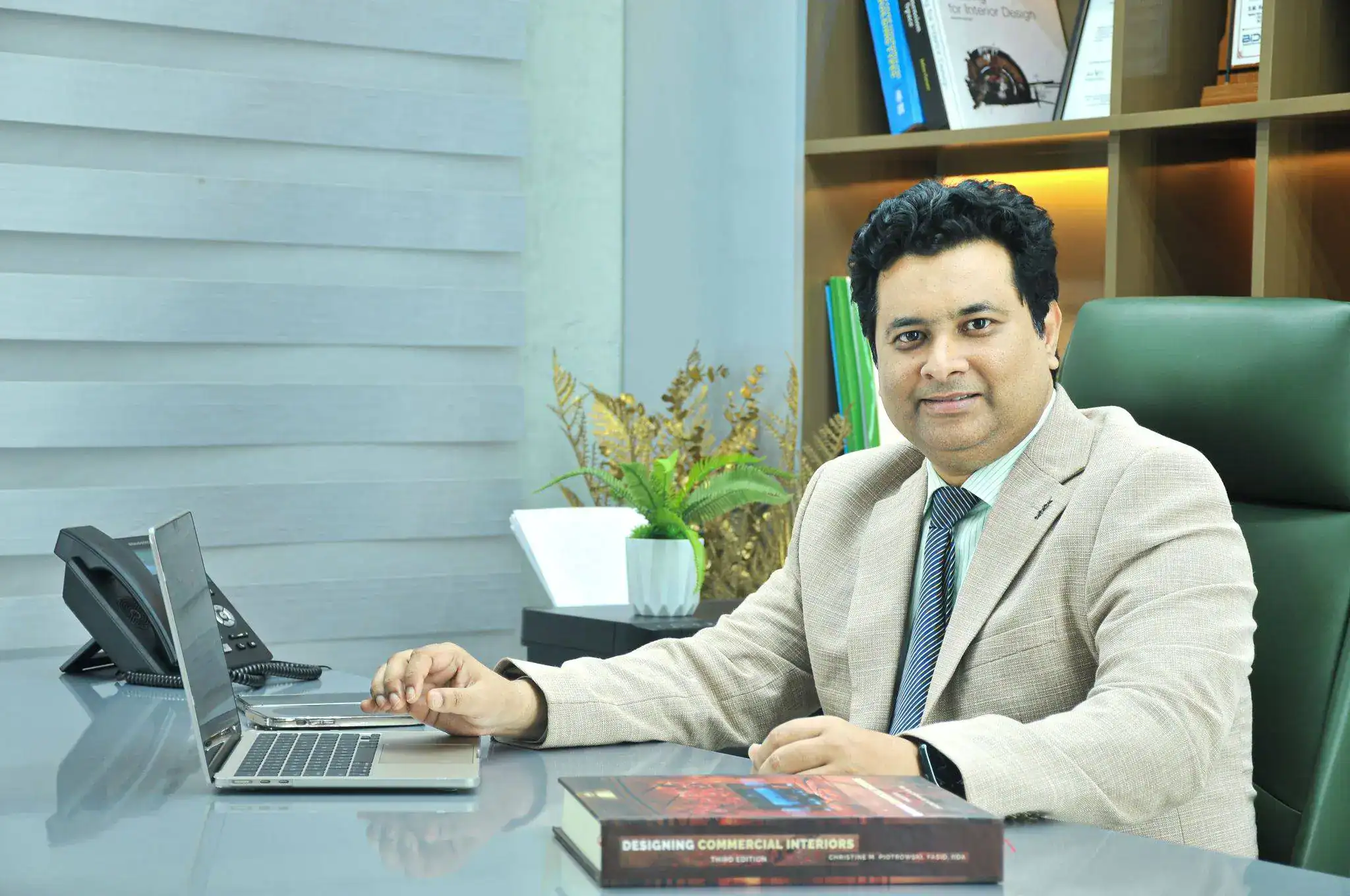
S.M. Rezaul Haque is a seasoned interior design consultant with 15+ years of experience. An AIUB graduate and Senior Vice President of BIDCOA, he specializes in creating functional, sustainable, and visually inspiring spaces. As the driving force behind BD INTERIOR, he has helped shape 700+ Bangladesh’s most innovative interior design projects.