
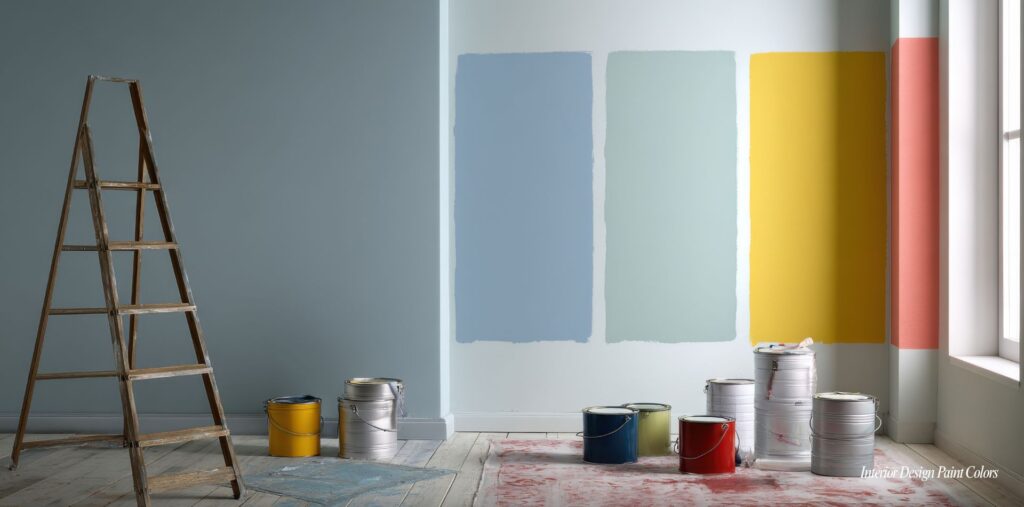
Choosing the right interior colour can transform your living space. Paint colours do more than just cover walls; they set the mood, show your personality, and make your home more comfortable.
Whether you are building a new home in Dhaka or updating your flat in Chittagong, picking the right colours is important. This guide will help you choose colours that suit Bangladesh’s climate, culture, and way of life. See how the right colours can refresh your home.
Best Interior Colour Combinations for Home in Bangladesh 2026
Neutral colours are still a favourite in Bangladeshi homes. Try soft beige or warm grey walls with accents like mustard yellow or terracotta. These choices suit our tropical climate, where sunlight shifts during the day. Neutral walls help keep rooms cool, and accent colours add personality without making small spaces feel crowded.
Traditional Meets Modern Palettes
Many Bangladeshi homeowners now mix traditional warmth with modern style. Cream walls with deep green accents bring a natural feel to your home.
Alternatively, try off-white with peacock blue—a colour deeply rooted in our culture. These combinations respect our heritage while embracing modern design principles. You can use the bolder shade on one feature wall and keep the remaining surfaces light.
Climate-Smart Colour Pairings
Because of Bangladesh’s heat and humidity, it’s smart to choose light colours. Shades like ivory, pale mint, or powder blue reflect sunlight, helping keep rooms cool. These colours also look good with wooden furniture. Avoid dark colours on walls that get a lot of sun, since they absorb heat. Use darker colours like navy or charcoal for accents or in rooms that get less sunlight.
Room-by-Room Interior Colour Guide for Bangladeshi Homes
Your living room is where you welcome guests and spend time with family. Warm neutrals like sand beige or soft taupe work well as base colours. These shades make rooms feel bigger, which is helpful in smaller Dhaka apartments.
Add an accent wall in burnt orange or sage green for depth. Try to match your sofa and curtain colours for a unified look. Lighter colours also mean you need less artificial lighting, which can help lower your electricity bill.
Bedroom Colour Psychology
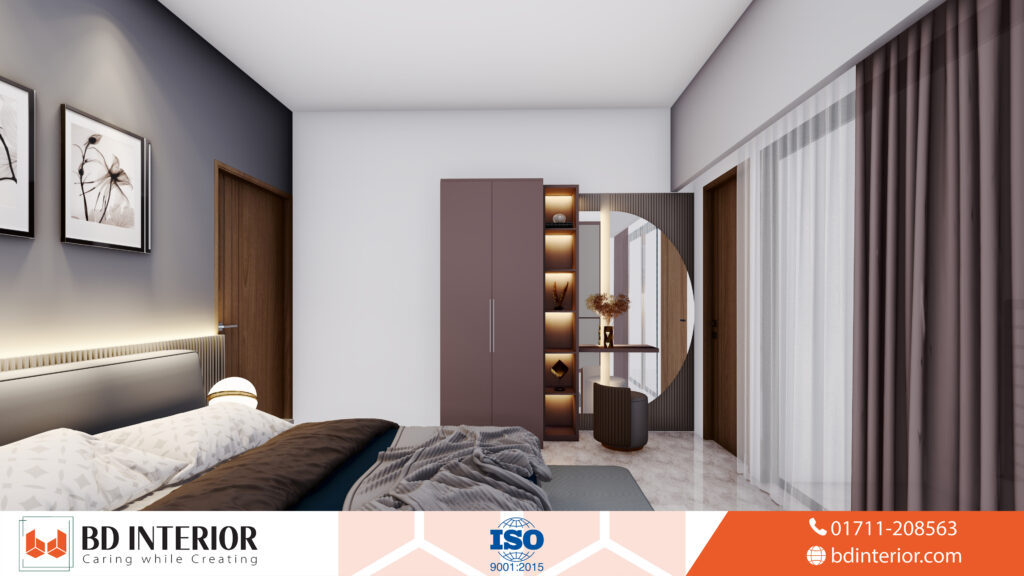
Bedrooms need calm colours that help you relax. Soft lavender, powder blue, or pale grey are good choices. These cool shades help reduce stress after a long day. For children’s rooms, try mint green or buttery yellow, which are cheerful but not too bright. Stay away from strong reds or oranges, as they can make it harder to rest. Always test paint samples in your bedroom first, since home lighting is different from store lighting.
Kitchen and Dining Area Hues
Kitchens look best with clean, fresh colours. White is a popular choice because it looks clean and helps brighten spaces without windows. You can pair white walls with grey or navy cabinets for a nice contrast. For dining areas, warmer colours like terracotta, warm beige, or soft coral work well. These shades can make meals feel more inviting. In kitchens, use washable paint so you can easily clean up any cooking splashes.
How to Choose the Perfect Interior Colour Scheme for Your Home
Begin by noticing how sunlight enters each room. North-facing rooms in Bangladesh get less direct sun and feel cooler, so warm colours like cream or peach can help balance this.
South-facing spaces get intense afternoon light—cool blues or greens balance this. Test paint samples on different walls and observe them at various times. Morning light differs significantly from evening glow, affecting how colours appear.
Consider Your Furniture and Flooring
The furniture and floor tiles you already have will affect your colour choices. Dark wooden furniture looks good with light walls, creating a nice contrast. Beige or white ceramic tile floors let you use more colour on the walls.
If your floors have patterns, which is common in Bangladeshi homes, keep the walls simple. Make sure the undertones match: warm floors go with warm wall colours, and cool floors with cool shades.
Create Flow Between Rooms
Maintain colour harmony as you move through your home. You don’t need identical colours everywhere, but connecting shades creates cohesion. Use varying intensities of the same colour family—light blue in bedrooms, medium blue in hallways, broader blue accents in living areas. This technique makes smaller homes feel more spacious and better thought out.
Popular Interior Colour Trends for Modern Bangladeshi Homes
Natural, earthy colours are very popular right now. Terracotta, clay, warm sand, and olive green help bring a natural feel indoors. These shades show the warmth and hospitality of our culture.
They also look great with jute, cane, and wooden furniture, which are common in Bangladeshi homes. Earth tones also hide dust better than pure white, which is useful in our climate.
Biophilic Greens and Blues
Bringing outdoor colours inside can help reduce stress in busy cities. Sage green, eucalyptus, and seafoam blue create a sense of calm and peace. These colours are especially good for city apartments where there isn’t much greenery. Add some indoor plants to boost the natural feel. Blues can also make rooms feel cooler, which is helpful in Bangladesh’s hot weather.
Warm Minimalism Replaces Stark White
People are moving away from pure white walls and toward warmer neutrals. Greige (a mix of grey and beige), warm taupe, or cream are now popular. These colours feel softer and more welcoming, but still look clean and simple.
They also look better in photos, which matters in today’s social media world. Warm minimalism works well for both traditional and modern Bangladeshi homes.
Interior Colour Mistakes to Avoid When Painting Your Home
Don’t pick colours just from small paint chips. Paint can look very different on your walls than it does in a tiny sample. Buy small tester pots and paint a 2×2-foot area on different walls. Check how the colour looks for at least 3 days under different lighting conditions.
A colour that looks great in the afternoon might seem dull at night. Testing first can save you from expensive mistakes later.
Choosing Trends Over Timelessness
If you follow every trend, your home can look outdated fast. A neon accent wall might seem fun now, but you could get tired of it soon. It’s better to choose classic base colours and add trendy touches with things like cushions, artwork, or curtains. Neutral walls will look good for years, and you can easily update your decor as your style changes. This way, you save money and keep your options open.
Neglecting Paint Quality and Finish
Cheap paint costs more long-term. Low-quality options fade quickly in Bangladesh’s strong sunlight and require frequent repainting. Invest in good brands with UV protection and mold resistance—crucial in our humid climate.
Also consider finishing carefully: matte hides wall imperfections but marks easily, semi-gloss withstands cleaning in high-traffic areas, and satin provides a balanced compromise for most rooms.
Frequently Asked Questions
What is the best interior colour for small homes in Bangladesh?
Light colours help small rooms feel bigger. Try soft white, pale beige, or light grey for your walls. These shades reflect light, making the space feel open. Instead of painting all the walls dark, add just one darker accent wall for depth. Placing mirrors across from windows can also boost natural light and make your colours stand out.
How do I choose colours that stay cool in Bangladesh’s heat?
Pick light, cool colours that reflect sunlight instead of absorbing it. Pale blues, soft greens, whites, and light greys are best. Don’t use dark browns, blacks, or deep reds on walls that get a lot of sun, as they make rooms hotter. Good colour choices and proper ventilation will help keep your home cool.
Can I mix traditional and modern colours in my Bangladeshi home?
Yes, you can mix traditional and modern colours if you do it carefully. Start with modern neutrals like grey, beige, or white as your base. Then add traditional colours such as peacock blue, turmeric yellow, or deep red with accent walls, fabrics, or art. This way, you keep a balance between cultural style and modern looks. Just be careful not to use too many bold colours at once.
How often should I repaint my home’s interior in Bangladesh?
Good quality paint in Bangladesh usually lasts 5 to 7 years before you need to repaint. In areas with high moisture, such as bathrooms and kitchens, you might need to repaint every 3 to 4 years. How long your paint lasts depends on the paint quality, how well the walls were prepared, how much sun the room gets, and ventilation. Regularly cleaning your walls and addressing stains promptly will help your paint last longer.
Conclusion
Choosing the right interior colour helps you create a home you’ll enjoy for years. In this guide, we’ve shared key colour combinations, tips for each room, how to pick colours, the latest trends, and mistakes to avoid. Don’t forget to test samples, consider lighting, and choose quality over fast-changing trends.
Your home should have colours that show your personality and keep you comfortable in Bangladesh’s climate. Begin with one room to build your confidence, then update the rest of your home step by step. At BD INTERIOR, we’re ready to help you with expert advice made for Bangladeshi homes.

S.M. Rezaul Haque is a seasoned interior design consultant with 15+ years of experience. An AIUB graduate and Senior Vice President of BIDCOA, he specializes in creating functional, sustainable, and visually inspiring spaces. As the driving force behind BD INTERIOR, he has helped shape 700+ Bangladesh’s most innovative interior design projects.