
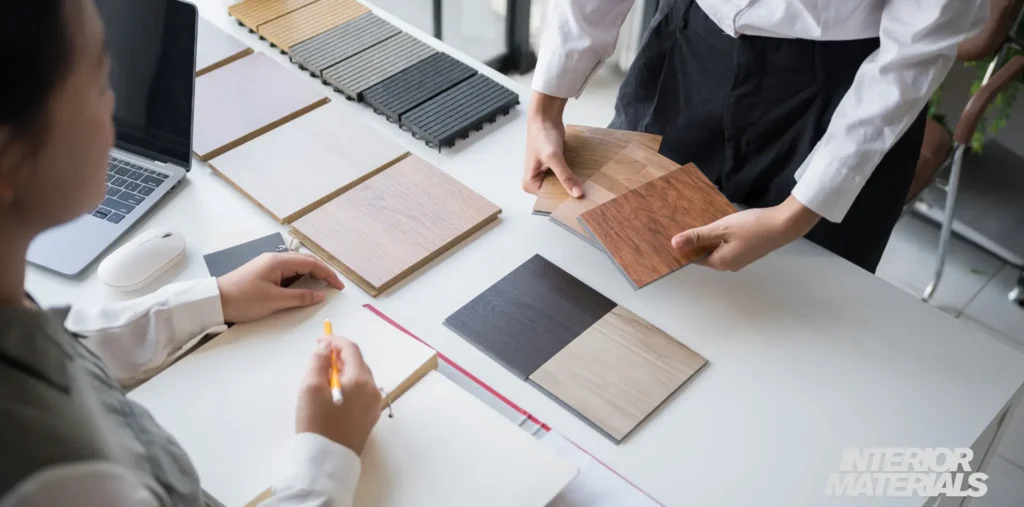
Finding the right furnishings to balance daily comfort with aesthetic appeal calls for a thoughtful plan. The best interior items for home decoration and functional living don't just fill empty floor area; they set up how each room serves your family routines. In Bangladesh, where city flats in Dhaka and Chattogram all the time demand smart space planning alongside climate resilience, every piece you bring inside matters.
S. M, and rezaul Haque, Senior Vice President of BIDCOA, points out that client comfort must guide every single material choice in residential spaces. When you select items built from durable parts that match your lifestyle, you turn ordinary rooms into welcoming retreats.
TL; DR
- Prioritize structural foundation furniture like supportive beds and solid sofas before spending on decorative styling.
- Layered natural textiles and sculptural lighting create instant visual upgrades without requiring major interior renovations.
- Choose moisture-resistant materials like HPL boards and seasoned local hardwoods to handle regional humidity effectively.
Key Point
If you want to furnish efficiently, focus on this hierarchy:
- Anchor pieces first: your primary seating and sleeping setups determine daily physical wellbeing.
- Textiles and mirrors provide maximum visual change for minimal cost, bouncing natural light across compact urban rooms.
- Never sacrifice base build quality for surface ornamentation, especially in rooms with heavy daily foot traffic.
Table of Contents
- What Are the Best Interior Items for Home Foundation?
- High-Impact Decorative Accents and Functional Lighting
- Material Selection and Climate Durability
- Sourcing Decor Across Local and Online Markets
- People Also Ask
- Final Takeaways on Curating Your Living Space
What Are the Best Interior Items for Home Foundation?
The best interior items for home foundations are high-use structural furniture pieces including sofas, dining sets, and ergonomic bed frames. These core items anchor daily life, dictate room flow, and represent long-term investments that should prioritize durability, correct room proportions, and physical comfort over fast-moving seasonal styles.
On closer inspection, starting your furnishing journey without anchoring major furniture leads to cluttered layouts. Every home demands a reliable structural base. In many cases; in the living room; a three-seater sofa or a L-shaped sectional sets up the social hub. When arranging seating, pairing quality frames with proper room proportions makes sure easy movement through the room.
As designer Brigette Romanek observes on modern spaces:
"This new wave of individuality extends to a craving for distinctive furniture and decor, rather than the popular items often showcased online."
Shifting gears a bit, in bedrooms, mattress quality hands-on impacts your spinal health and sleep recovery, and getting dimensions right prevents tight walkways. In Bangladesh, the standard queen bed size measures 60 inches by 80 inches, providing ideal comfort for master bedrooms without crowding adjacent wardrobes. For children's bedrooms or guest spaces, a standard single bed size of 36 inches by 75 inches fits tighter footprints neatly. Matching these baseline dimensions to your floor plan keeps paths open.
Which Furniture Pieces Deserve the Largest Budget Share?
Sofas, mattresses, and dining tables deserve the largest budget share because they experience continuous physical wear. Investing in high-density foam, kiln-dried timber frames, and stain-resistant upholstery prevents expensive repairs or early replacements within three to five years of residential use.
Still, dining spaces also center around durability; a solid wood dining table paired with supportive chairs withstands daily family meals and hosting duties. You can review practical small apartment interior design approaches to see how compact dining tables keep clear paths in modest spaces.
RECOMMENDED BUDGET ALLOCATION FOR FOUNDATION ITEMS (%)
High-Impact Decorative Accents and Functional Lighting
High-impact decorative accents combine practical utility with visual personality, using wall mirrors, layered lighting fixtures, natural fiber textiles, and artisan ceramics. These smaller items alter the perceived scale of a room, improve illumination balance, and introduce rich textures without requiring massive structural investments.
Once foundation furniture is in position, accent decor creates warmth. Large decorative mirrors rank among the most effective additions.
Placing a wide mirror across from a balcony or window bounces natural daylight deep into dimmer hallways, visually expanding compact rooms. Angela Tafoya from Lumens highlights this aesthetic transition clearly:
"Consumers are bit by bit drawn to pieces that demonstrate their uniqueness, featuring sculptural or asymmetrical elements."
Lighting should rarely ever rely solely on a single harsh ceiling fixture. A layered strategy combines ambient overhead light, focused task lamps for desks or reading nooks, and warm accent pendants over dining surfaces. Smart LED bulbs allow you to shift color temperatures from cool daylight for afternoon work to warm 2700K illumination for evening relaxation.
How Do Soft Furnishings Transform Room Acoustics and Comfort?
Soft furnishings absorb harsh sound echoes from hard tiled floors and bare plaster walls while introducing tactile warmth. Layering floor rugs, lined window drapes, and textured throw pillows softens ambient room noise and establishes distinct functional zones within shared spaces.
Textiles offer an accessible styling upgrade. Adding linen drapes; cotton cushion covers — or a — hmm, let me put it differently, woven floor mat softens footsteps on ceramic tiles. If you're refining your main family lounge, reading up on choosing the right living room rug helps avoid buying undersized rugs that make rooms look disjointed.
But then again, small additions make immediate differences; a Regal Table Runner priced at BDT 925 adds structured polish to a plain dining table. For relaxed corners or sunny balconies, a handcrafted Jute Dolna (36 inch) priced at BDT 7,100 introduces pleasant organic texture and traditional charm.
In practical terms, wall styling has evolved as well. Recent design coverage in Forbes signals that woven wall hangings and tapestries are reclaiming wall space in 2026, offering rich texture instead of flat picture frames. You can explore hand-picked living room decorating concepts to balance bare walls with tactile hangings.
Material Selection and Climate Durability
Material selection for interior items must account for regional humidity, heat fluctuations, and daily wear. Choosing moisture-resistant board cores, sealed timbers, breathable organic textiles, and rust-resistant hardware prevents material swelling, mold accumulation, and premature surface degradation over long-term use.
Bangladesh experiences intense monsoons and high relative humidity; plus, choosing improper materials causes swollen cabinetry and ruined veneer surfaces. For modular kitchen setups and bathroom vanities, High-Pressure Laminate (HPL) board brings outstanding moisture resistance and structural density. On average, in living spaces seeking a sleek reflective surface, cabinets finished with acrylic board offer clean reflections and resistance against yellowing.
| Material Type | Moisture Resistance | Durability Score | Best Use Case | Maintenance Level |
|---|---|---|---|---|
| HPL Board | Very High | 9/10 | Kitchen cabinets & bathroom storage | Low (wipe with damp cloth) |
| Acrylic Finish | High | 8.5/10 | TV consoles & modern wall units | Low to Medium (scratch care) |
| Solid Teak / Sheesham | Medium to High | 9.5/10 | Dining tables & bed frames | Medium (periodic waxing) |
| Jute & Cane | Moderate | 7/10 | Accent seating & decorative screens | Medium (keep dry and ventilated) |
Selecting sustainable design choices makes sure your investment remains sound while keeping indoor air quality fresh. Victoria Shonkoff from HomeGoods notes that retailers observe rising buyer interest in hand-drawn art, artisan-crafted wood furniture, and hand-painted ceramics. These authentic artisan textures age gracefully compared to synthetic laminates.
Sourcing Decor Across Local and Online Markets
Sourcing interior furnishings successfully involves combining established furniture brands for core warranty-backed pieces with traditional craft markets for distinctive accents. Evaluating return policies, structural joinery, and material certifications ensures dependable quality across physical retail hubs and digital storefronts.
Naturally, furnishing a two-bedroom apartment in Dhaka usually demands a budget between 2 to 4 lakh BDT for reliable mid-range furnishings. When outfitting large spaces, physical shopping hubs allow you to test foam density and inspect wood finishes directly.
It stands out. Bashundhara City Shopping Complex and Jamuna Future Park house multiple furniture showrooms under one roof. For textiles, custom drapery, and brass decor, New Market and Gausia Market offer extensive selections at competitive price points.
Well-known manufacturers like Hatil, Otobi, Regal Furniture, and Navana Furniture supply standardized living and bedroom sets with structured warranties. For artisan-made homeware, Aarong and KARUKARJO offer handloom textiles and ceramic accents that reflect local heritage through contemporary home decor principles.
From a broader view, online platforms simplify purchasing smaller decor items. Seasonal sales events give up to 50% discount on Daraz home decor collections for affordable accents. Platforms like Pickaboo and Ajkerdeal supply home electronics and lighting options.
When buying online — always verify customer protections; for example; Cynor offers 7 days return and refund policy for peace of mind. For luxury interior collections, buyers can save on transport fees, as free shipping for orders of BDT 50,000 at dell'Arte makes premium item delivery direct.
- Measure room clearances — Record wall lengths and walking corridors to avoid purchasing oversized sofas.
- Allocate project funds — Reserve 65% of your budget for bed frames, sofas, and dining sets before shopping for accents.
- Inspect joint construction — Verify mortise-and-tenon or heavy dowel joints rather than simple surface staples on wooden frames.
- Test ambient lighting — Install warm LED fixtures at multiple heights to eliminate dark corners in living areas.
People Also Ask
What are the first interior items to buy for an unfurnished home?
The first interior items to buy are the mattress and bed frame, followed by primary living room seating and a dining table.
These core pieces provide immediate personal comfort and functional utility. Once foundational furniture is settled, you can install window curtains for privacy and add storage cabinets to organize your possessions before introducing decorative accents.
How much does it cost to furnish a standard flat in Dhaka?
Furnishing a standard 2-bedroom apartment in Dhaka usually costs between 2 and 4 lakh BDT for mid-range quality items.
This figure covers basic bedroom furniture, a living room sofa, dining set, curtains, and lighting. Premium custom hardwood furniture, designer lighting, and imported appliances will push total expenditure higher.
How do I choose between custom carpentry and showroom furniture?
Choose showroom furniture for quick delivery and modular consistency, and choose custom carpentry for awkward room layouts or specific storage dimensions.
Custom carpentry in hubs like Mirpur allows you to get the most from alcoves with customized wardrobes, while brand showrooms provide standardized warranties and tested ergonomics.
How can I make a small living room look bigger with decor?
Use oversized wall mirrors to reflect daylight and install floor-to-ceiling curtain rods to draw the eye upward.
Selecting furniture with exposed legs allows sightlines to travel across more floor area, creating an open atmosphere in compact urban spaces.
Final Takeaways on Curating Your Living Space
Curating the best interior items for home improvement requires balancing foundational structural investments with flexible, textured styling elements. Building your space thoughtfully step by step ensures long-term comfort, practical daily utility, and an authentic living environment built for your household.
Selecting the best interior items for home spaces is a progressive process rather than an overnight bought. Begin with sturdy foundation pieces that protect your posture and withstand daily use. Layer in tactile textiles, warm lighting layers, and handcrafted accents that express your personal heritage. When you focus on quality materials adapted to your regional climate, you put together an inviting home that remains functional and elegant for years ahead.

S.M. Rezaul Haque is a seasoned interior design consultant with 15+ years of experience. An AIUB graduate and Senior Vice President of BIDCOA, he specializes in creating functional, sustainable, and visually inspiring spaces. As the driving force behind BD INTERIOR, he has helped shape 700+ Bangladesh’s most innovative interior design projects.