
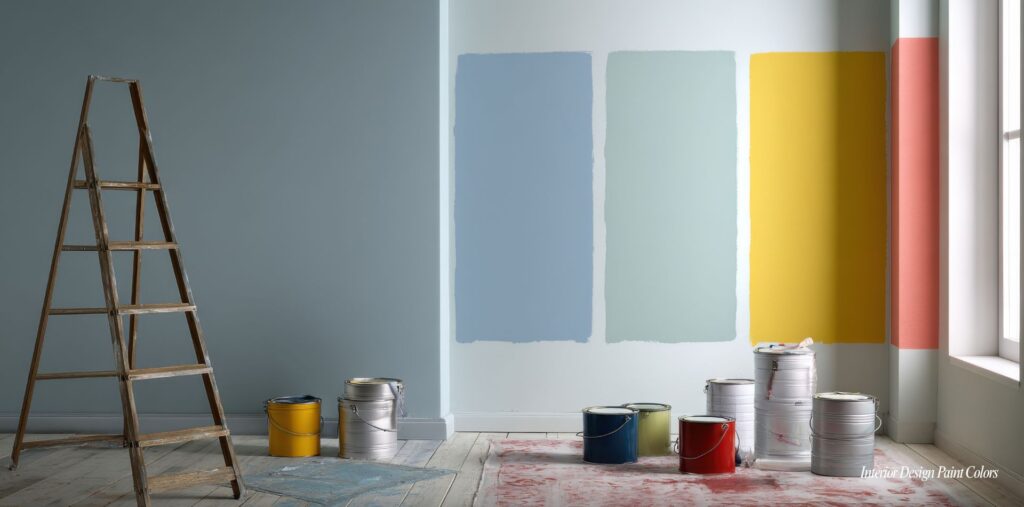
Selecting the right paint colors is a fundamental aspect of interior design, as it shapes the atmosphere, aesthetics, and overall comfort of a home. In Bangladeshi homes, color choices must thoughtfully reflect the local climate, cultural preferences, and lifestyle needs.
This complete guide to interior design paint colors is designed to help homeowners make confident decisions by highlighting practical, stylish, and climate-appropriate color solutions. From creating a sense of space to enhancing natural light, this guide offers clear insights aligned with modern design trends suitable for homes across Bangladesh.
Best Interior Design Paint Colors for Bangladeshi Homes in 2026
We’re seeing exciting shifts in color preferences across Dhaka, Chittagong, and other cities. Warm neutrals like beige, cream, and soft taupe dominate living spaces because they work well in our tropical climate.
We all know about the cooling effect of beige, reminiscent of a refreshing sip of afternoon coconut water. These shades keep rooms feeling cool while beautifully reflecting natural light. Earthy tones, including terracotta, clay, and muted olive green, are gaining popularity as homeowners embrace nature-inspired designs. Imagine the terracotta echoing the rich soil of the Sundarbans, connecting indoor spaces with our lush landscapes.
This soothing visual strategy aligns perfectly with the popular Quiet Luxury design trend, which emphasizes understated sophistication, comfort, and high-quality, muted tones.
This movement has also sparked a surge in Mushroom Neutrals, which are earthy, gray-brown blends that bring sophisticated warmth and comfort to modern interiors.
Reflecting this exact aesthetic, Universal Khaki is Sherwin-Williams 2026 Color of the Year, signaling a widespread return to cozy, earth-grounded neutrals.
If you’re exploring local options, Berger and Asian Paints Bangladesh provide durable, climate-appropriate finishes with colors that match current trends, keeping your home stylish and comfortable.
Cultural Color Preferences That Work
Bangladeshi families often prefer colors that balance tradition with modernity. Soft whites and off-whites remain timeless choices for their versatility and clean appearance. You’ll find that gentle blues and greens create peaceful environments perfect for our busy lifestyles.
Meanwhile, accent walls in deep maroon, forest green, or navy blue add character without overwhelming spaces. These colors respect our aesthetic values while staying current with global design movements.
In line with this craving for rich, dramatic focal points, Rumors is Behr 2025 Color of the Year, offering an opulent, ruby-red tone that instantly elevates any room.
Climate-Appropriate Paint Choices
Our hot and humid weather demands specific paint considerations. Light colors like ivory, pale yellow, and sky-blue help rooms feel cooler and more spacious. These shades reflect sunlight rather than absorbing it, reducing indoor heat. Matte and eggshell finishes perform better than glossy finishes in high-humidity areas, helping prevent moisture-related issues.
Furthermore, because high-gloss finishes can highlight wall imperfections by catching every glare, lower-sheen coatings are much more forgiving on older plaster walls.
Additionally, keep in mind that flat paints are the least durable paint finishes, making them less ideal for busy corridors where scuffs are common.
When starting a project, weighing the benefits of quick-drying, low-VOC water-based paints vs oil-based paints is essential for managing tropical humidity and curing times.
For exterior-facing walls or humid entryways, using high-tech formulas with lotus effect technology helps repel water and dirt, keeping surfaces clean effortlessly.
So we recommend testing paint samples during different times of day to see how they perform under Bangladesh’s intense natural light.
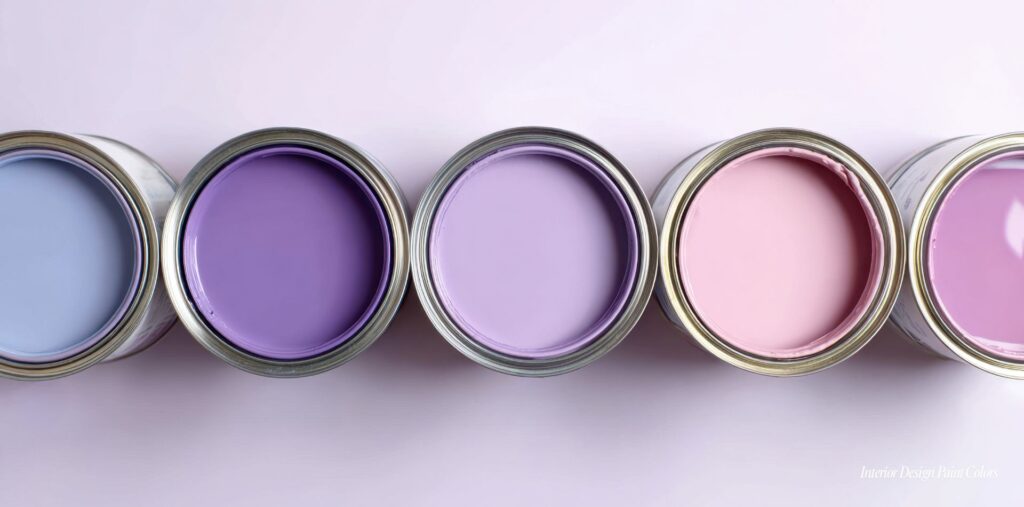
How to Choose the Perfect Paint Colors for Each Room in Your Home
Your living room deserves welcoming and relaxing colors. Warm grays, sandstones, or champagnes work as flexible bases, complemented by colorful decor. Assess existing furniture before choosing wall colors. Warm neutrals suit wooden furniture, while crisp whites or light grays are ideal for minimalist setups.
Bedroom Paint Colors for Better Sleep
Bedrooms benefit from calming colors like soft blues, lavender, and muted greens, which promote restful sleep. Avoid bright shades in sleeping areas. Use dusty blue, sage green, or warm gray for master bedrooms; choose slightly brighter, soothing shades for children’s rooms.
Kitchen and Dining Area Color Wisdom
Kitchens benefit from colors that feel fresh and clean. White, light yellows, and soft greens make spaces appear larger and cheerful. Dining rooms work well with peach, terracotta, or cream, which stimulate appetite. You can use contrasting cabinet colors for visual interest, such as white walls with gray or navy cabinets.
For maximum stain resistance in cooking zones, look for modern formulations that feature Teflon Surface Protection to make wiping away grease splatters effortless.
Popular Interior Paint Color Combinations That Transform Spaces
Two-tone walls create depth by pairing lighter upper walls with darker lower sections, making ceilings seem higher. Popular combinations include:
- Cream upper walls with soft taupe lower sections
- White above with navy blue below
- Pale gray top with charcoal gray bottom
- Ivory upper with sage green lower
This technique works especially well in dining rooms, hallways, and children’s bedrooms. The division typically occurs at chair-rail height, creating balanced proportions.
This structural look pairs beautifully with classic wainscotting ideas, allowing you to highlight architectural trim with contrasting paint finishes.
Accent Wall Color Pairings
Accent walls let you experiment with bold colors without overwhelming spaces. For best effect, choose a wall that immediately draws the eye—such as behind the bed or sofa, or the first wall visible when entering the room.
Avoid using walls with doors or windows, as these visual breaks reduce the accent’s impact. Before painting, walk into the room from different entry points and observe which solid wall naturally stands out as a focal point.
So, paint only this selected wall in a contrasting color, keeping the remaining walls consistent for cohesion. This strategy ensures your accent wall enhances the space without disrupting its flow.
Remember that applying the classic 60-30-10 color rule balances room design palettes, reserving ten percent of the space for these high-contrast accents.
We recommend these winning combinations:
| Main Wall Color | Accent Wall Color | Best Room |
| Soft White | Deep Teal | Living Room |
| Light Gray | Mustard Yellow | Bedroom |
| Cream | Terracotta | Dining Room |
| Pale Blue | Navy Blue | Home Office |
| Beige | Forest Green | Study Room |
Complementary Color Schemes That Work
Complementary colors sit opposite on the color wheel and create contrast. In Bangladeshi homes, use soft pairs like coral and pale turquoise for subtlety. Use bold pairings only in small areas or for accents to avoid overwhelming spaces.
Interior Design Paint Colors Based on Room Size and Natural Light
Small spaces look bigger with light colors, which reflect more light. Use white, pale gray, soft blue, or light beige, and a lighter ceiling shade for height. Avoid dark colors on all walls—reserve them for an accent wall if desired.
Indeed, elite AD100 interior designers frequently utilize this reflective technique to maximize visual space in compact high-rise apartments.
Colors for Large, Open Spaces
Large rooms can use bold, dark colors to add coziness. Zone spaces with different, complementary tones for visual separation. Darker ceiling colors visually lower high ceilings.
Maximizing Natural Light with Paint
Rooms with good natural light offer more color flexibility. South-facing rooms get warm light; balance it with cool tones. North-facing rooms suit warm yellows or creamy whites. East rooms handle neutrals, while west rooms need shades that resist afternoon fading.
To optimize this effect, check the product’s Light Reflectance Value (LRV), an industry metric rating how much light a color reflects versus absorbs.
Common Paint Color Mistakes to Avoid in Interior Design
Colors often look different at home than in stores. Always test sample pots on your own walls at different times of day. Lighting influences perception—LEDs cool colors, while warm bulbs add yellow tones.
Following Trends Blindly
Trendy colors might not suit your home’s architecture, your lifestyle, or Bangladesh’s environment. What works in European homes may feel out of place in our climate and culture.
According to Amar Ghor BD, global trends like millennial pink may not appeal to many homeowners in Bangladesh, where different color preferences reflect local tastes and psychological needs. It is better to select colors that genuinely resonate with you rather than simply following social media trends. Timeless neutrals offer better long-term satisfaction than fleeting color fads.
Overlooking Color Psychology
Colors powerfully affect emotions and behaviors, yet many ignore this when decorating. Red increases heart rate and energy—great for gyms but terrible for bedrooms. Yellow stimulates happiness but can cause anxiety in large amounts.
Green reduces stress and promotes calm, making it perfect for relaxation spaces. Blue lowers blood pressure and improves concentration, making it ideal for offices and study rooms. Consider how you want to feel in each space before selecting colors.
Not Testing Before Committing
Painting without testing can be costly. Colors shift based on lighting and surroundings. Use sample pots to paint large swatches and check them against your decor over several days.
Frequently Asked Questions
Conclusion
For premium imported alternatives, global brands like Benjamin Moore are highly favored by designers for their exceptionally rich color depth and high-quality tinting systems.
Homeowners looking to invest in bespoke elegance often draw inspiration from Farrow & Ball, a luxury brand renowned for its rich, chalky finishes and historic pigment palettes.
In practice, starting with a globally celebrated neutral like Agreeable Gray (HGSW7029) offers a flawless foundation that beautifully accommodates changing seasonal decor.
If you have cool-toned furniture or minimalist decor, pairing it with a soft, award-winning white like Alabaster (HGSW7008) maintains clean lines without feeling sterile.
Industry leaders like Sherwin-Williams provide extensive digital color tools and high-performance primers that make transitions to these delicate neutral palettes incredibly smooth for DIYers.
If durability is your top priority, premium options like Asian Paints’ Royale Aspira offers an 8-year warranty against dampness and cracking, ensuring peace of mind.
Selecting interior design paint colors transforms your home into a personal sanctuary that reflects your taste and meets practical needs. We’ve covered how climate, room size, natural light, and color psychology influence your choices.
As legendary designer Nate Berkus frequently emphasizes, a home’s color palette should reflect your personal history and journey, rather than fleeting showroom fads.
Remember to test samples, consider Bangladesh’s unique conditions, and choose colors that make you feel comfortable. Whether you prefer timeless neutrals or bold accent walls, the right paint colors enhance your daily living experience. Start with one room, experiment confidently, and create spaces that truly feel like home.

S.M. Rezaul Haque is a seasoned interior design consultant with 15+ years of experience. An AIUB graduate and Senior Vice President of BIDCOA, he specializes in creating functional, sustainable, and visually inspiring spaces. As the driving force behind BD INTERIOR, he has helped shape 700+ Bangladesh’s most innovative interior design projects.