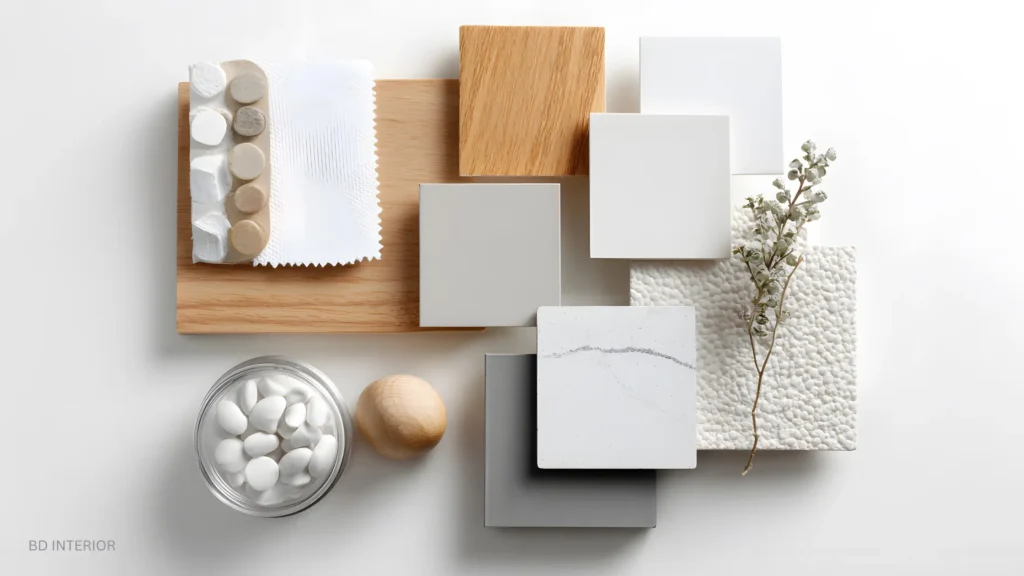
Starting a design project without a clear vision can be tough. It’s similar to walking through a furniture store with your eyes closed. You might find something you like, but the process soon gets confusing. Mood boards help by acting as your design guide. They give you a visual plan to keep your choices in line with your style goals.
Many homeowners buy furniture and paint before deciding on a clear vision. This often leads to wasted money and frustration, and rooms that don’t feel connected. Starting with a mood board helps you avoid these issues.
You don’t have to be a professional to make a mood board. Anyone can do it with a few basic supplies and easy steps. This guide will show you how to create a useful mood board, whether you’re working on one room or a bigger project.
What Is a Mood Board and Why Do You Need One for Interior Design?
A mood board is a visual collection gathering all your ideas, colors, textures, and inspirations in one place. Designers have used mood boards for decades to maintain project consistency and communicate concepts to clients. These boards can be made physically with poster board and magazine clippings, or digitally using easy-to-access apps and software.
The main goal is to help you visualize your ideas. Instead of guessing how things will look together, you can see them side by side. For example, a navy-blue velvet sofa might look great in the store, but does it go with your warm oak floors? A mood board helps you answer these questions before you buy anything.
Here’s why every design project benefits from this tool:
- Prevents costly mistakes and impulse purchases.
- Helps communicate your vision to contractors or family members.
- Keeps the overall style cohesive across different rooms.
- Allows experimentation without financial risk.
- Makes decision-making faster and more confident.
Mood boards do more than prevent mistakes. They also inspire creativity. When you arrange images and samples, you might discover new combinations that improve your design. For example, mixing industrial metals with soft fabrics can create a nice balance in your space.
Many people skip this step, thinking they have a clear mental picture. Our experience shows that mental images shift constantly and lack the specificity needed for successful execution. What feels “modern farmhouse” in your mind might translate to completely different styles when you start shopping. The mood board transforms vague ideas into a concrete direction.
How to Make an Interior Design Mood Board Step by Step
You don’t need special skills or costly supplies. Making a mood board is simple and can be done by anyone in a few manageable stages.
Step 1: Define Your Style Goals
Before you collect any materials, take some time to figure out what you really want. Look at design websites, browse magazines, and save images you like. Try not to overthink it. Trust your first reactions. If a room makes you feel calm or happy, save that image. Look for patterns in what you choose. Do you prefer bright colors or neutral ones? Do you see more clean lines or detailed designs?
2: Choose Your Format
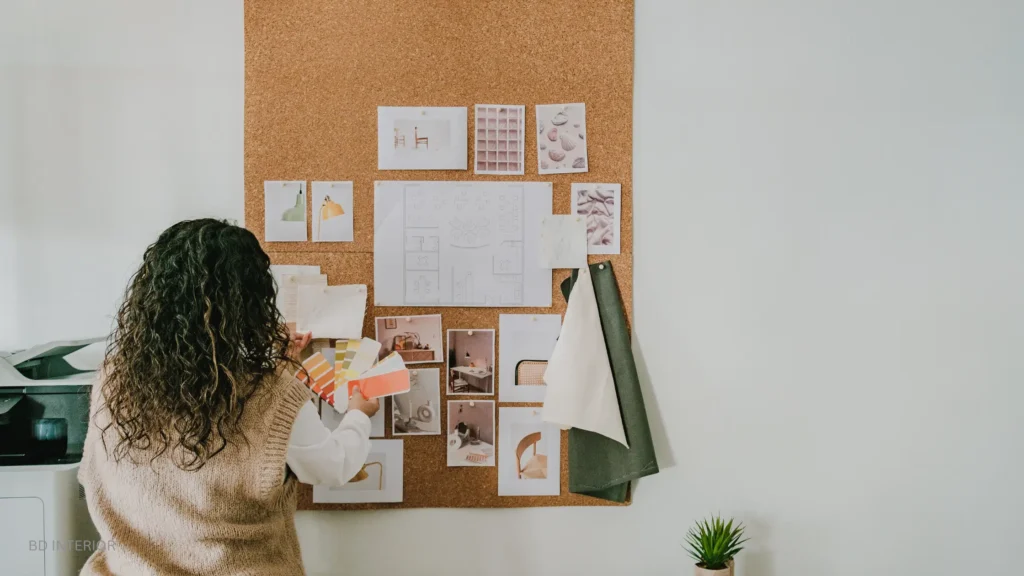
Physical boards work great for tactile people who enjoy hands-on creativity. Grab a large poster board, foam core, or even a section of wall. Also, Morpholio board format has huge advantages. Physical boards let you pin actual fabric swatches and paint chips.
Step 3: Gather Visual Elements
This is the fun part. Gather inspiration from many places, like design blogs, Instagram, home tours, and nature photos. Don’t just use interior pictures. A sunset might inspire your color choices, and the texture of tree bark could give your ideas for materials. Add everything from paint colors and flooring samples to furniture styles and decorations.
Step 4: Select a Color Palette
Most good designs use three to five main colors. Pick one main color for about 60% of the space, a secondary color for 30%, and one or two accent colors for the last 10%. Add these as swatches or images to your board. Try putting color samples next to each other to see how they look together. Colors can change depending on what they’re next to.
Step 5: Add Texture and Material Samples
Rooms feel completer and more interesting when they have different textures. Add samples of wood, metal, fabric, stone, and any other materials you like. If a room has only smooth surfaces, it can feel too plain. Too many rough textures can look messy. Try to find a good balance. Your mood board should show this mix of textures.
Step 6: Include Furniture and Decor References
Add pictures of the furniture pieces or styles you want to use. You don’t need to find the exact items. The goal is to set the overall look and feel. Include lighting, artwork, plants, and accessories too. These smaller details often bring a room together but are easy to forget when planning.
Step 7: Arrange and Refine
How you arrange your board is more important than you might think. Start by placing your main elements, then add the rest around them. Step back often to see how it all looks together. If something doesn’t fit, take it out. Sometimes, having fewer items is better. A crowded mood board often means your design needs more focus.
Step 8: Test in Your Actual Space
Lighting can really change how colors and materials look. Take pictures of your mood board in the room at different times of day. Morning sunlight will look different from evening lamp light. Testing like this helps you spot problems early.
Best Tools and Materials for Creating Design Mood Boards (Digital and Physical Options)
The right tools make the creative process smoother and more enjoyable. You don’t need everything listed here—pick what fits your budget and working style.
For Physical Mood Boards:
Base Materials:
- Foam core boards provide sturdy, lightweight backing.
- Corkboards allow easy pinning and rearranging.
- Poster board works fine for simple, budget-friendly options.
Adhesives and Fasteners: Glue sticks, double-sided tape, push pins, or spray adhesive all serve different purposes. Removable options give flexibility during the working process.
Source Materials: Home decor magazines remain goldmines for images and inspiration. Paint stores provide free color chips. Fabric stores often sell small sample cuts. Hardware stores offer material samples from their displays. Don’t underestimate the power of printing images from online sources, too.
Keep your small samples in envelopes or bags to stay organized. Use markers or a label maker to sort your items. A measuring tape helps you keep sample sizes correct.
For Digital Mood Boards:
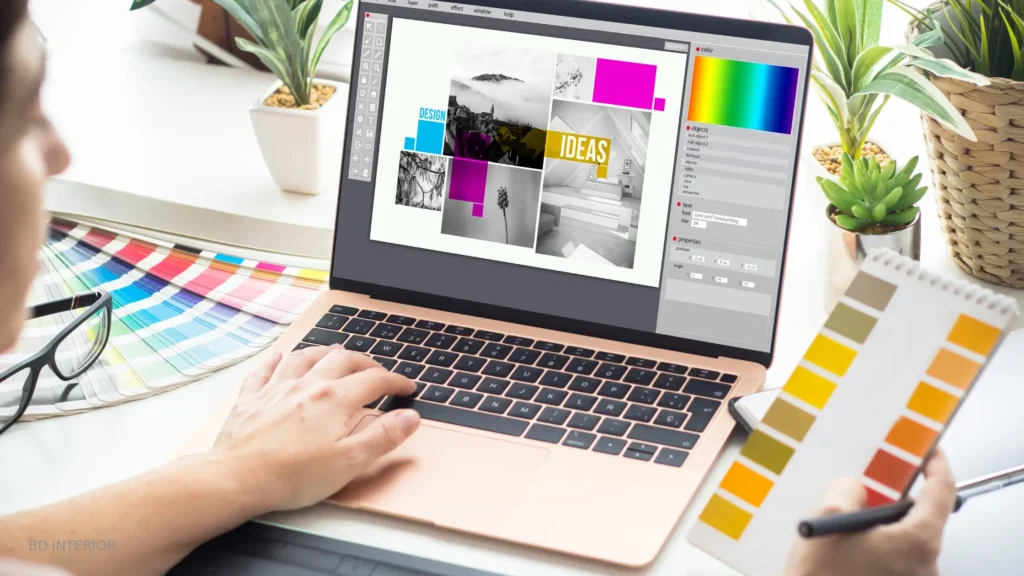
Pinterest is very easy for beginners to use. You can make secret boards to keep your projects private. The site also suggests similar images based on what you pin, which helps you find new ideas.
Canva offers free mood board templates. You can easily arrange things by dragging and dropping. You can also print your board or share it online.
Morpholio Board caters specifically to design professionals but remains accessible for amateurs. According to Adobe, Adobe Express provides access to hundreds of thousands of professionally designed templates, making it easy to create custom visuals for social media and marketing purposes.
You can upload your own photos and use stock images to fully customize your board.
Hybrid Approach:
Some designers use both digital and physical boards. They try out ideas online first, then make a physical board for the final version. This way, you get the flexibility of digital tools and the hands-on feel of real samples.

Common Mistakes to Avoid When Building Your Interior Design Mood Board
Even experienced designers make mistakes when making mood boards. Learning about these common errors can save you time and help you get better results.
Overcomplicating the Vision
Mixing too many styles or trends can make things confusing. For example, combining minimalist Scandinavian with bold bohemian styles might not look right. Choose one main style and add a few touches from others to support it.
Scale and Proportion
A vintage chair might look nice by itself, but next to a big sectional, it could seem out of place. Make sure your mood board shows the sizes of items compared to each other. If you can, write down dimensions or use pictures with people for scale.
Forgetting Practical Needs
Looks are important, but so is how things work in real life. A beautiful white linen sofa might not last long if you have kids or pets. Mood boards often focus just on looks and forget about daily needs. Add sturdy, practical options along with your dream pieces. Ask yourself: Will this really work for our everyday life?
Neglecting Lighting Considerations
Colors and materials can look very different under different lighting conditions. A paint color that seems soft gray in sunlight might look blue under LED lights. Bring your mood board into the room and see how things look at different times of day. Professional designers always test samples in real spaces before making final choices.
Skipping the Editing Phase
First drafts often have too much stuff. It’s easy to get attached to every image and sample, but a good mood board needs careful editing. Take out anything that’s repeated. If you have three images showing the same idea, keep just the best one. A focused board with 10 to 12 key items works better than a crowded one with 40.
Following Trends Too Closely
design trends change fast. A color that’s popular now might look old-fashioned next year. Your mood board should show your personal style, not just what’s trending online. Use classic elements as your base, and add trendy items with things you can easily swap out, like accessories.
Not Considering Budget Reality
If your mood board is full of expensive designer pieces, it can set expectations too high. Include items at different price points. Show some high-end ideas along with more affordable options. This way, your design stays inspiring but realistic. Write down rough prices to help you keep track of your budget.
Forgetting About Existing Elements
If you’re not starting with an empty room, some things will need to stay, like the flooring or built-in features. Your mood board should include these fixed parts. Add photos or samples of what’s already there so your new choices will match well.
Final Advice
A good mood board turns your design ideas into real plans. It might take some time at first, but the effort saves you weeks of indecision and expensive mistakes later. We’ve seen many projects succeed because someone took the time to clearly picture their goals from the start.
If this all feels overwhelming, start simple. Even a basic group of inspiring images gives you more direction than shopping without a plan. As you get more confident, your mood boards will become more detailed. The most important thing is to start. Grab some magazines, check Pinterest, or pick up paint samples. Your perfect space begins with that first bit of inspiration.
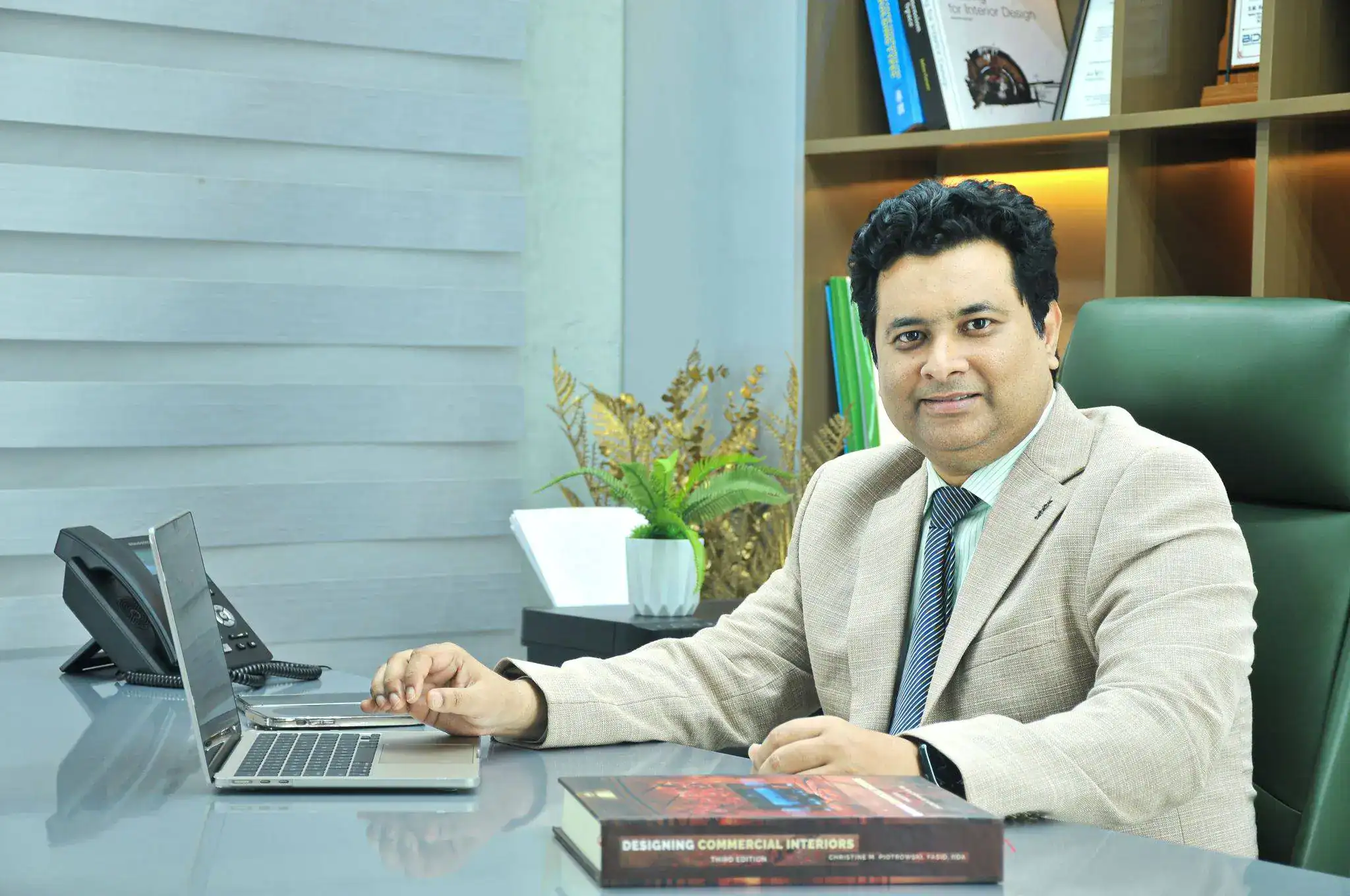
S.M. Rezaul Haque is a seasoned interior design consultant with 15+ years of experience. An AIUB graduate and Senior Vice President of BIDCOA, he specializes in creating functional, sustainable, and visually inspiring spaces. As the driving force behind BD INTERIOR, he has helped shape 700+ Bangladesh’s most innovative interior design projects.