
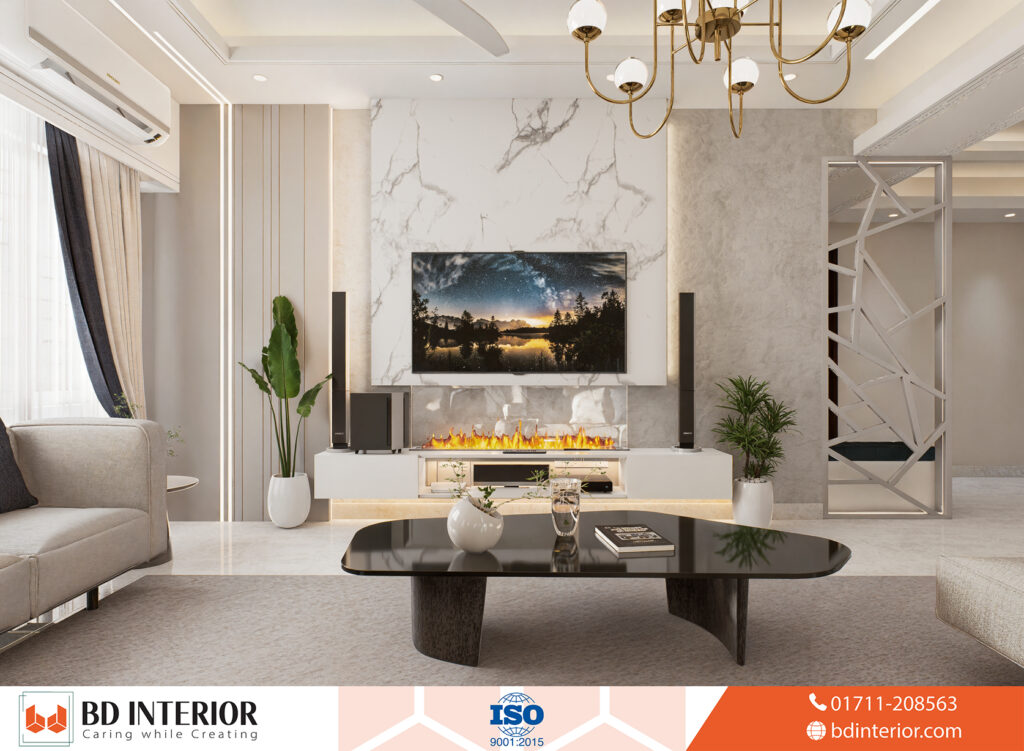
Finding the best interior ideas for living room spaces means moving past cold, staged minimalism toward rooms that feel warm, personal, and genuinely lived-in. Recent 2026 design coverage points to a clear shift away from sterile spaces toward richer color, texture, and conversation-friendly layouts. Whether you're working with a compact Dhaka flat or a spacious family home, these ideas help you build a room that reflects how you actually live, not just how it photographs.
TL; DR
- 2026 living rooms favor warmth, deep saturated colors, and conversation-first layouts over TV-centered arrangements
- Curved sculptural furniture and tactile fabrics like bouclé and linen replace rigid, minimalist silhouettes
- Layered lighting, pattern-on-pattern styling, and personal decor create rooms that feel lived-in, not staged
Key Takeaways
- Deep browns, greens, aubergines, and plums are the dominant 2026 color direction, replacing flat white-on-white schemes
- Leave at least 30 inches between furniture pieces for comfortable walking paths
- Comfort is no longer optional, as designers treat tactile materials and soft seating as non-negotiable
- Pattern-on-pattern layering through wallpaper, drapery, and upholstery adds depth without clutter
- Statement lighting remains the single clearest upgrade for atmosphere and function
Table of Contents
- What Makes a Living Room Design Actually Work?
- Conversation-First Living Room Layouts That Replace TV-Dominant Arrangements
- Deep Colors and Layered Patterns for Living Room Visual Depth
- Sculptural Furniture and Tactile Comfort as Core Design
- Statement Lighting and Budget-Smart Upgrades
- People Also Ask
- Final Thoughts on Living Room Design
What Makes a Living Room Design Actually Work?
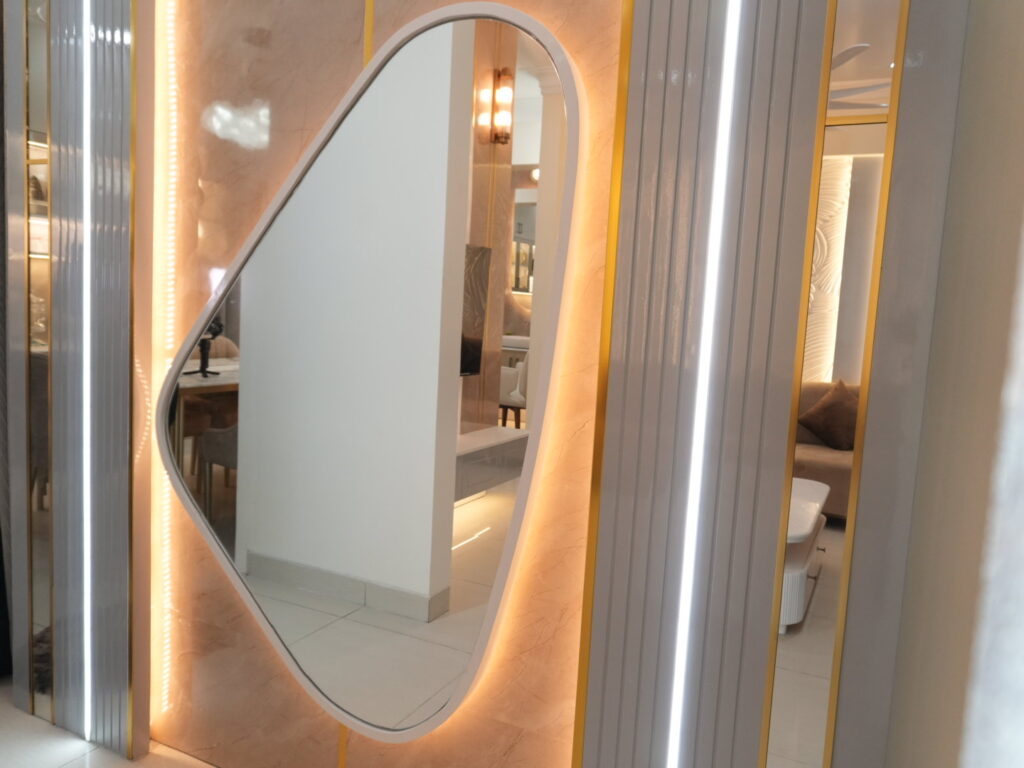
A living room design works when it balances three things: comfortable seating arranged for real conversation, a color palette that feels intentional rather than generic, and lighting that serves multiple functions throughout the day. The best interior ideas for living room spaces focus on how people use the room over how it looks in a photo.
Looking at this from another angle, forward-focused designers predict that Japandi and warm minimalism in 2026 will dominate urban home layouts, favoring functional serenity over stark, cold arrangements. This means saying goodbye to all-white, beige-heavy rooms that many online users now call dated or flat. Industry data from recent coverage signals a shift away from cold minimalism toward warmer, more expressive living rooms with personality and visual depth.
A room that looks magazine-perfect but feels stiff doesn't serve daily life. As ELLE Decor's Nannette Brown puts it:
"In 2026, the most sophisticated and well-designed living rooms will feel artful, but highly intentional, rather than styled."
People on forums echo this, praising rooms that feel cozy, conversational, and lived-in rather than picture-perfect. The goal isn't perfection but comfort with character.
Conversation-First Living Room Layouts That Replace TV-Dominant Arrangements
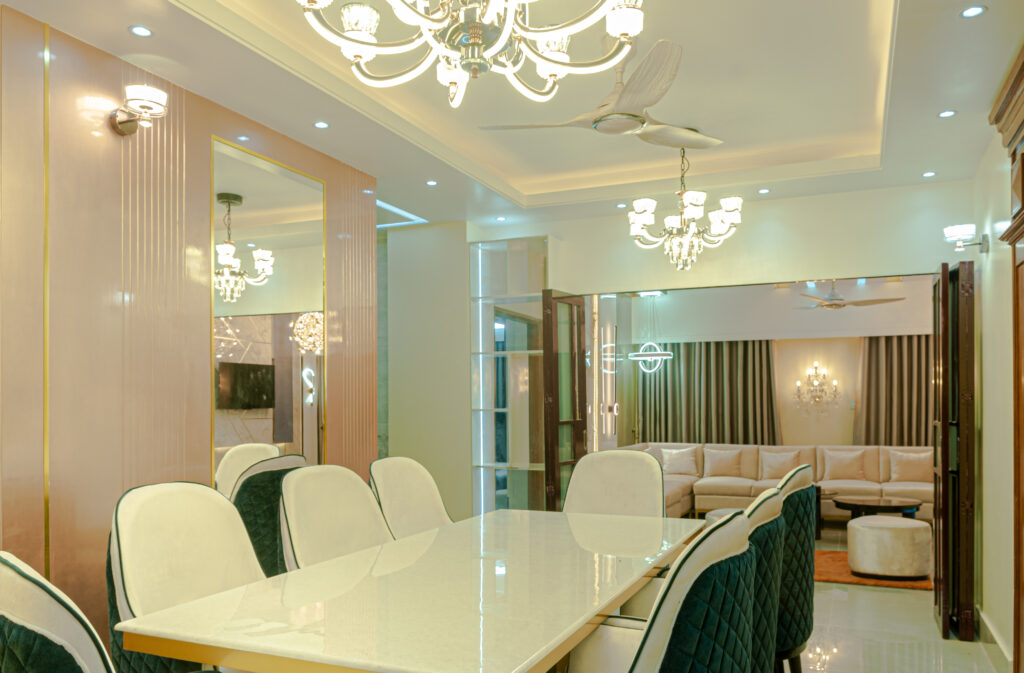
Conversation-first layouts arrange seating in U-shapes or L-shapes so people sit 4 to 8 feet apart, facing each other rather than a screen. This 2026 direction makes living rooms more social, with furniture grouped to support gathering and daily comfort rather than passive TV watching.
For the average user, house Beautiful's Casey notes that "living room layouts are more about being social, entertaining, and encouraging conversation in 2026 rather than passively watching TV." For years, the default was pushing a sofa against the longest wall and pointing everything at the television. Designers now want seating grouped to support social use.
Setting that to the side, spacing matters here, and leave at least 30 inches between furniture pieces for easy walking paths. In small rooms under 200 square feet, keep coffee tables 14 to 18 inches from the sofa. Nine times out of ten, medium rooms between 200 and 400 square feet need about 18 inches from all seats.
Larger rooms over 400 square feet can handle 18 to 24 inches between seating and tables.
Under normal conditions, float your furniture away from walls in medium to large rooms. This build intimacy and makes the space feel intentional. When everything sits against the perimeter, the room loses warmth and feels like a waiting room.
Recommended Coffee Table Distance by Room Size
Should you still include a TV in the layout?
Yes, but don't make it the focal point. Position it where it's visible from seating without dominating the room's sightline. The key here is that a media console against one wall works fine, and the seating arrangement should still focus on face-to-face conversation.
Deep Colors and Layered Patterns for Living Room Visual Depth
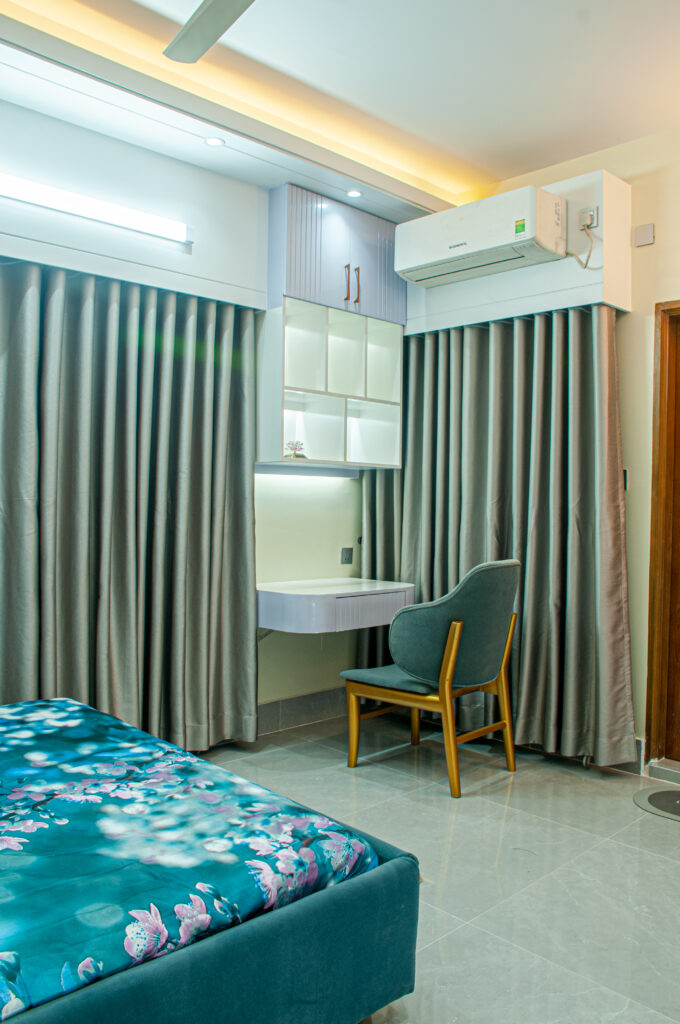
Deep saturated colors like rich browns, greens, aubergines, and plums are replacing flat white-on-white schemes in 2026 living rooms. Layer these grounding tones through walls, upholstery, and accessories, then add pattern-on-pattern styling through wallpaper, drapery, and throw pillows for collected, personal depth.
Under normal conditions, house Beautiful's Meredith Owen states that "deep, saturated color will be a major theme in 2026." Some online those using it push back against white-on-white and beige-heavy schemes, calling them dated or flat. Many forum discussions show most of us preferring wood tones and moody colors over bright or overly neutral rooms.
For a balanced approach, use the 60-30-10 rule, which means your dominant color covers nearly 60% of the space, usually walls. The secondary color fills 30% through upholstery or curtains. The accent color pops in 10% through decorative items. Since colors shift throughout the day as light changes, test paint colors on your walls before committing.
Pattern layering is back too. ELLE Decor's Shea McGee explains: "Pattern-on-pattern layering will continue to see a resurgence this year through drapery, wallpaper, upholstery, and throw pillows." The trick is balancing bold patterns with enough neutral space. So the room doesn't feel overwhelming.
Sculptural Furniture and Tactile Comfort as Core Design
Curved sofas, fluted seating, and low-profile sculptural silhouettes are defining 2026 furniture choices, replacing rigid minimalist shapes. Tactile fabrics like bouclé, chenille, linen, and soft leather make comfort non-negotiable, with seating designed for daily use rather than visual impact alone.
Switching focus for a On top of that, for the average user, country Living UK's Magdalena notes that "sofas with statement sculptural silhouettes will be a big trend for 2026." Think rounded sofas, fluted forms, and historic chaise lounges that add softness and movement to a room. These pieces create visual interest without clutter because one strong sculptural sofa does more work than five generic accent chairs.
The catch? Curved furniture often takes more room and can be harder to fit into smaller living areas. In compact Dhaka flats, a rounded sofa might eat up precious square footage, so measure carefully before committing.
This ties into what was mentioned before, so on comfort; Domkapa states plainly: "For years, comfort was a trend. In 2026, it becomes non-negotiable." Tactile materials lead the way. Bouclé, chenille, linen, and soft leather are in demand because they invite touch.
When I've helped friends choose living room seating arrangements, the ones who prioritized comfort over aesthetics always ended up happier long-term. You sit on this furniture every single day. That matters more than how it photographs.
Statement Lighting and Budget-Smart Upgrades
Statement lighting remains the clearest single upgrade for a living room, combining style and atmosphere through multiple layered light sources. Pendant lights hung 30 to 36 inches above coffee tables and wall sconces mounted 60 to 66 inches from the floor create depth that one floor lamp simply can't achieve.
Those using it on forums consistently recommend multiple light sources instead of relying on a single lamp. Layer three types: ambient lighting for overall illumination, task lighting for reading, and accent lighting for architectural details. Install dimmer switches on all sources so you can adjust brightness based on activity and time of day. Concrete results. Understanding why lighting matters helps you avoid treating it as an afterthought.
Hang pendant lights or chandeliers 30 to 36 inches above coffee tables. This height gives proper illumination without blocking sightlines. Mount wall sconces 60 to 66 inches from the floor for ideal effect, especially when flanking artwork or fireplaces.
For budget-conscious upgrades, reducing interior design costs starts with repurposing what you own. Rearrange furniture before buying anything new. Paint remains the most affordable tool; one gallon covers about 400 square feet and costs $30 to $60. Update hardware and fixtures for quick visual wins that cost little but modernize bigly.
Is statement lighting worth the cost?
Here's what you should know. Across quite a few small ones, yes. If you choose one or two key fixtures rather than spreading your budget. A single well-chosen pendant or chandelier transforms a room's atmosphere more than several cheap lamps.
The downside is that statement pieces can raise your overall redesign cost noticeably.
People Also Ask
What are the best interior ideas for living room in 2026?
Going back a bit, the best interior ideas for living room spaces in 2026 center on warmth; deep saturated colors; and conversation-first layouts. Replace cold minimalism with tactile fabrics, curved sculptural furniture, and layered lighting for a room that feels lived-in rather than staged.
How do you arrange furniture in a small living room?
Picking up that thread from before, arrange furniture against the longest wall and keep coffee tables 14 to 18 inches from the sofa. Leave at least 30 inches between pieces for walkways, so use two accent chairs instead of a loveseat to save space.
What colors make a living room feel warm?
Under normal conditions, deep browns, greens, aubergines, and plums create warmth. Pair these saturated tones with natural wood and tactile fabrics like bouclé or linen. Avoid all-white schemes, which tons of people now consider dated or flat.
How high should you hang artwork in a living room?
Hang artwork at eye level, about 57 to 60 inches from the floor. This standard keeps pieces visually accessible and set up consistent rhythm across walls.
Final Thoughts on Living Room Design
The best interior ideas for living room design in 2026 share one thing: they put people first. Deep colors, curved furniture, layered lighting, and tactile fabrics all serve the same goal of making a room you actually want to spend time in. Start with a conversation-first layout, add one or two sculptural pieces, layer your lighting, and let personal decor tell your story.
- Measure your room — Map out 30-inch walking paths before buying any furniture.
- Pick a deep color palette — Choose browns, greens, or aubergines as your dominant tone.
- Invest in one sculptural piece — A curved sofa or statement chair does more than five generic ones.
- Layer three light sources — Combine ambient, task, and accent lighting with dimmer switches.

S.M. Rezaul Haque is a seasoned interior design consultant with 15+ years of experience. An AIUB graduate and Senior Vice President of BIDCOA, he specializes in creating functional, sustainable, and visually inspiring spaces. As the driving force behind BD INTERIOR, he has helped shape 700+ Bangladesh’s most innovative interior design projects.