

I remember standing in my old kitchen three years ago, staring at those outdated cabinets. They made the whole space feel dark and cramped. That’s when I realized that kitchen cabinet design affects not just the look, but also how your kitchen functions.
Kitchen cabinet design means planning your storage layout and style, combining function and aesthetics to make daily cooking easier while increasing storage and potentially your home’s value by up to 10%. Understanding the typical cost factors of cabinet design is crucial for setting realistic expectations and budget planning. Price ranges can vary widely depending on materials, finishes, and customizations, from affordable stock options to high-end custom design. This insight will help you navigate decisions and make informed choices.
This decision is the foundation of any kitchen remodel. Once cabinets are installed, everything else—countertops, appliances, flooring—has to work around them. Getting the design right from the start saves money and frustration in the long run.
In this guide, I’ll walk you through everything you need to know about cabinet design. We will explore different styles, layout options, materials, and buying decisions. You’ll learn expert tips that help you avoid common mistakes.
Popular Kitchen Cabinet Design Styles: From Traditional to Contemporary
Choosing a cabinet style can feel overwhelming. Let me break down the most popular styles to help you find what suits you.

Traditional or Classic Cabinets
Traditional or classic cabinets feature raised-panel doors with ornate details. These cabinets often include decorative molding, corbels, and furniture-style elements. They work beautifully in older homes or when you want a formal, elegant kitchen. Think rich, wood-toned accents and meticulous craftsmanship.
Modern and contemporary styles take the opposite approach. Flat-panel doors (also called slab doors) create clean lines with minimal hardware. Sometimes there’s no visible hardware at all—just push-to-open mechanisms. These cabinets often come in bold colors or high-gloss finishes. The look is sleek and uncluttered.
Transitional designs seamlessly blend traditional and modern elements. You might see a simple Shaker door style paired with contemporary hardware. This style has become incredibly popular because it doesn’t feel too formal or too stark. It works in almost any home.
Shaker-style Cabinets
Shaker-style cabinets deserve their own mention. These feature a recessed center panel with a flat frame—simple but not plain. The style originated with Shaker furniture makers in the 1800s, and it’s having a huge moment right now. Why? Shaker cabinets are versatile enough to look traditional or modern, depending on the color and hardware you choose.
Rustic or farmhouse aesthetics bring warmth and character to kitchens. Distressed finishes, open shelving, and natural wood tones define this style. You might see cabinets with visible wood grain, vintage-style hardware, or even chicken wire inserts in glass doors. This style feels cozy and lived-in.
European or frameless cabinets (full-access cabinets) lack a face frame, with doors attached directly to the box. This maximizes storage and creates a contemporary look, common in European kitchens and increasingly popular in the U.S.
Kitchen Cabinet Layout Options: Choosing the Right Configuration for Your Space
The layout matters just as much as the style. I’ve seen beautiful cabinets that didn’t work because the layout made cooking a frustrating experience.
Kitchen cabinets come in three basic types:
- Base cabinets sit on the floor and typically measure 34.5 inches tall (36 inches with a countertop). These are the lower cabinets that support the countertop and provide storage space below.
- Wall cabinets mount on the wall above counters, usually 12 to 42 inches tall, and provide overhead storage for dishes, glasses, and food items.
- Tall cabinets extend from floor to ceiling, including pantries and utility storage. These are taller than base or wall cabinets, offering storage for brooms, food, or bulky items.
The shape of your kitchen determines its cabinet layout. L-shaped layouts (using two adjacent walls) suit medium-sized kitchens and create an efficient work triangle. U-shaped configurations utilize three walls and offer maximum storage, making them ideal for larger kitchens with multiple cooks.

Galley Kitchens:
Galley kitchens feature cabinets on two parallel walls, common in smaller homes and apartments. Everything stays within a few steps. Islands offer extra storage, seating, and workspace, often with deep drawers for large items.
Corner Cabinets
Corner cabinets are challenging because the back is hard to reach. Lazy susans and pull-out shelves make storage accessible, while blind corner cabinets maximize space using specialized pull-out systems.
Pantry Cabinet
Pantry cabinet designs vary. Walk-in pantries offer the most storage but require a lot of space. Tall pantry cabinets offer substantial storage in a compact space. Pull-out pantries create accessible, deep storage in a narrow footprint.
The debate between open shelving and closed cabinets continues. Open shelves create an airy feel and display attractive dishes. However, they collect dust and require keeping everything organized. Most kitchens benefit from a mix of open shelving for frequently used items and closed cabinets for everything else.
Kitchen Cabinet Materials and Finishes: Making the Right Choice for Your Budget
Cabinet materials affect both appearance and longevity. Let me explain your options.
- Solid wood cabinets remain the gold standard. Oak provides durability with a prominent grain pattern. Maple offers a smooth, consistent appearance that takes paint well. Cherry develops a rich patina over time, darkening to a beautiful reddish-brown. Birch resembles maple but costs less. Solid wood can be refinished multiple times and lasts for decades.
- MDF (medium-density fiberboard, an engineered wood product made from wood fibers and resin) and plywood are engineered wood products. MDF provides a perfectly smooth surface for painted finishes—it won’t show wood grain. Plywood construction is strong and resists warping better than solid wood in humid environments. Many high-quality cabinets utilize plywood for the box and solid wood for the doors and face frames.
- Thermofoil cabinets feature MDF covered with a vinyl coating. They resist moisture and are easy to clean. However, the coating can peel near heat sources, such as dishwashers and ovens. Laminate cabinets have a plastic layer fused onto MDF or particleboard (compressed wood particles bonded together). They come in countless colors and patterns, even wood-look finishes.
Painted cabinets create a clean, modern look and hide grain, with white, gray, and navy as current favorites. Stained cabinets emphasize natural wood and show less wear, but refinishing them can be more complex.
Cabinet hardware options include brass (traditional), brushed nickel (versatile), matte black (modern), and chrome (contemporary). Select hardware that coordinates with your faucets and lighting—high-quality hardware will operate smoothly for years.
Durability varies significantly. Solid wood and plywood are the best materials to withstand daily use. Laminate and thermofoil are suitable for budget kitchens but may require replacement sooner. Maintenance requirements differ, too—painted cabinets show fingerprints and need occasional touch-ups, while stained wood hides minor wear better.

Custom vs. Semi-Custom vs. Stock Kitchen Cabinets: Which Is Best for You?
Understanding these three options helps you make the right choice for your situation and budget.
Stock Cabinets:
Stock cabinets are pre-manufactured in standard sizes and sold ready to install. They come in limited styles, colors, and sizes. You’ll find them at big-box home improvement stores. The main advantage is cost and availability—you can often take them home the same day. Drawbacks include limited customization and sizing options. If your kitchen has unusual dimensions, stock cabinets might not fit perfectly.
Semi-custom Cabinets:
Semi-custom cabinets start with standard sizes but offer modifications. You can adjust heights, depths, and widths within certain parameters. They offer a wider range of door styles, finishes, and storage options than stock. Most cabinet retailers specialize in semi-custom lines. These cabinets balance customization with affordability.
Custom cabinets are built to your exact specifications. The manufacturer creates each cabinet for your specific kitchen. You can choose any size, style, material, and feature you want. Custom work is necessary for odd-shaped spaces, unique design requirements, or when you want something truly special.
So choose custom when you have unique architectural features, non-standard ceiling heights, or specific storage needs that standard cabinets can’t address. Historic homes often require custom work. If you’re investing in a forever home and want exactly what you envision, custom is worth considering.
Kitchen Cabinet Design Tips: Expert Advice for a Functional and Beautiful Kitchen
These practical tips will help you create a kitchen you’ll love for years.
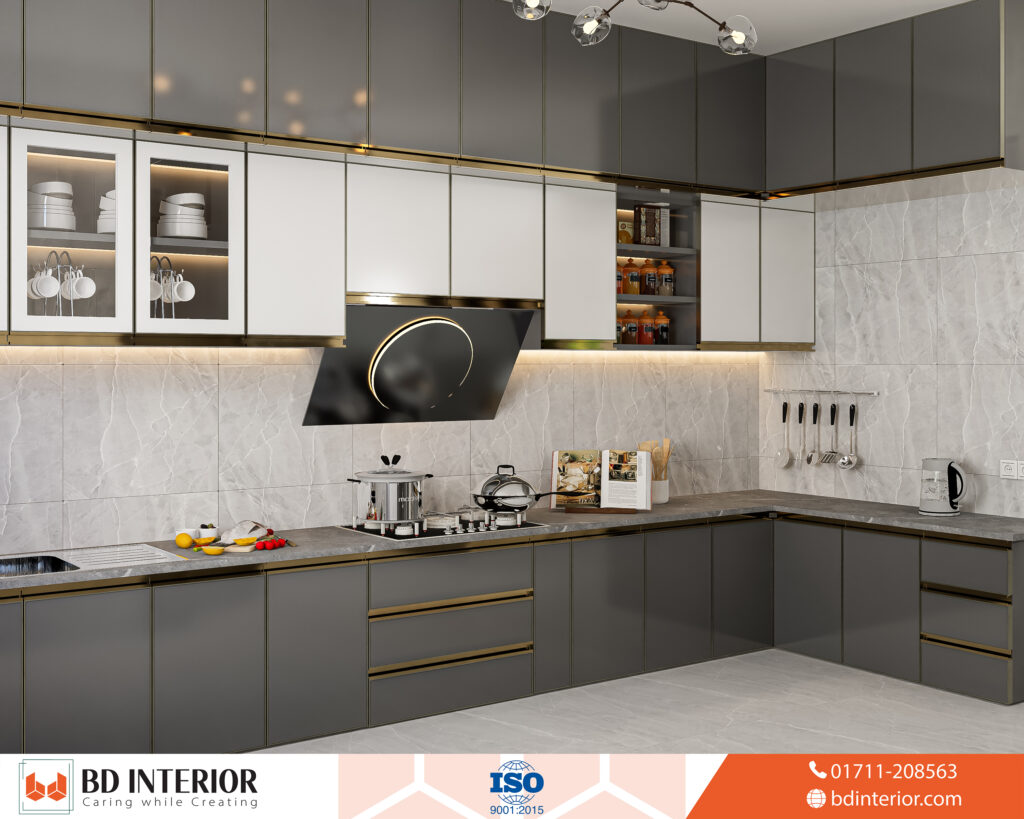
Cabinet color selection sets the tone for your entire kitchen. Light colors make small kitchens feel larger and brighter. Dark cabinets create drama but can make spaces feel smaller. Consider your countertop color early—cabinets and countertops should complement each other without matching exactly. White cabinets work with almost any countertop. Gray cabinets offer versatility without being as stark as white.
Hardware selection may seem minor, but it has a significant impact on the overall look. Knobs work better on doors, while pulls function best on drawers. Mixing knobs and pulls is perfectly acceptable. Place hardware consistently—typically 2.5 inches from the bottom corner on upper cabinets and from the top corner on lower cabinets. Longer pulls (6-8 inches) appear more contemporary, while smaller knobs (1.25 inches) are more suitable for traditional styles.
Lighting integration transforms cabinet functionality. Under-cabinet LED strips illuminate countertops for food preparation and cooking. In-cabinet lighting showcases glass-front cabinets or open shelving. Toe-kick lighting adds subtle ambiance and helps with nighttime navigation. Plan lighting during the cabinet design phase to ensure wiring is properly hidden.
Storage optimization makes kitchens work better:
- Deep drawer organizers keep pots, pans, and lids from becoming tangled messes.
- Pull-out shelves in base cabinets eliminate the need to crawl on hands and knees to reach items in the back.
- Vertical dividers store baking sheets and cutting boards upright, rather than stacked.
- Spice pull-outs (narrow cabinets beside the stove) keep seasonings accessible.
- Appliance garages conceal toasters and blenders while keeping them readily accessible.
Mixing cabinet colors creates visual interest. Popular combinations include white uppers with navy lowers, or gray perimeter cabinets with a wood-tone island. Ensure colors share similar undertones (all warm or all cool) for a cohesive look. Two-tone designs work best when there’s a logical division—different colors for different cabinet types or zones.
Height and depth considerations affect comfort. Standard wall cabinets are typically 30-36 inches tall, but extending them to 42 inches provides additional storage space. Cabinets that reach the ceiling eliminate dust-collecting space on top. Base cabinet depth is typically 24 inches, but 27-inch deep cabinets offer more storage if you have the floor space.
Common Mistakes to Avoid Include
Insufficient counter space beside the stove and sink, not planning for trash and recycling storage, overlooking clearance for appliance doors, choosing trendy colors that will quickly tire of, and skimping on cabinet quality to save money upfront.

Working with a kitchen designer or firm like BD INTERIOR is valuable even if you don’t choose custom cabinets. Designers understand spatial relationships, storage solutions, and practical layouts, enabling them to create effective designs. Many cabinet retailers offer free or low-cost design services when you purchase from them. Be prepared with measurements, inspiration photos, and your budget range.
Final checklist before ordering:
- Confirm all measurements are accurate.
- Verify appliance sizes and clearances.
- Double-check cabinet quantities and sizes.
- Select hardware and confirm compatibility.
- Choose and order countertops.
- Confirm delivery timeline
- Arrange for installation
- Plan for temporary kitchen setup during remodel
Kitchen cabinet design requires balancing aesthetics, functionality, and budget. Take time to research options, measure carefully, and plan thoroughly. The effort you invest in the design phase pays off every time you walk into your beautiful, functional kitchen. Trust your instincts about what feels right for your home and lifestyle. After all, you’re the one who’ll use this kitchen every single day.