
Your home should reflect your personality. As interior design continues to evolve, many seek ways to enhance comfort, visual appeal, and utility in their living spaces. For 2026, a fresh set of interior design trends has emerged, offering creative options to personalize any room.
A noticeable move away from cold, plain styles is shaping today’s interiors. Homeowners now favor warmth, individuality, and spaces that suit daily needs. Whether renovating an entire home or updating a single room, understanding current design trends helps inform smart choices.
This guide explores 2026’s most prominent trends. It covers eco-friendly materials, the reemergence of bold colors, and practical ways to add natural elements or boost room functionality. You’ll find advice on selecting trends that complement your personal style.
What Are the Biggest Interior Design Trends Right Now?
In 2026, authenticity surpasses perfection in interior design. Homeowners mix vintage and modern pieces, curating spaces that tell personal stories rather than adhering to uniform collections.
Curved furniture is also very popular. Sofas with rounded edges, arched doorways, and round mirrors help soften the sharp lines we saw in past years. These shapes make rooms feel more welcoming and relaxed.
Texture is more important than ever. People are layering materials, like putting chunky knit throws on leather couches or pairing rough stone counters with smooth wood cabinets. This mix adds depth that flat surfaces can’t give.
Another major movement is the return of handcrafted items. Mass-produced decor is losing its appeal as people seek out artisan-made pottery, woven baskets, and hand-carved wooden accents. These pieces bring uniqueness that you won’t find in every neighbor’s house.
Natural materials are central to this year’s interior design direction. Rattan, bamboo, cork, and reclaimed wood feature prominently in flooring, lighting, and furniture, creating calming environments amid busy digital lives. Earthy colors like terracotta, sage green, and warm grays deliver cozy backdrops that remain contemporary.
Sustainable and Eco-Friendly Design Choices

Environmental responsibility anchors home design. Sustainable selections show rising concern for planetary health.
Homeowners are picking furniture made from reclaimed or fast-growing materials. PVC floor mat grows much faster than regular hardwoods, so it’s great for floors and furniture. Using reclaimed barn wood adds character and keeps materials out of landfills.
Vintage and secondhand shopping has become stylish rather than a compromise. Thrift stores, estate sales, and online marketplaces offer unique pieces with history. This approach reduces manufacturing demand and often costs less than buying new.
Low-VOC paints and finishes protect indoor air quality. Traditional paints release harmful chemicals for years after application, but eco-friendly alternatives minimize these emissions. Your family breathes cleaner air, and the environment benefits too.
Energy-efficient lighting has improved a lot. Today’s LED lights look great, use much less electricity, and last much longer than old-style bulbs.
Here are key sustainable choices gaining popularity:
- Cork flooring: Renewable, comfortable underfoot, naturally antimicrobial
- Organic textiles: Cotton, linen, and wool without chemical treatments
- Recycled glass countertops: Stunning appearance with environmental benefits
- Modular furniture: Pieces that adapt as needs change, reducing replacement
Local sourcing reduces transportation emissions while supporting nearby craftspeople. We love discovering furniture makers and artists in our own communities rather than shipping items across continents.
Water-saving fixtures, such as low-flow faucets and dual-flush toilets, fit right into modern bathrooms. You can save a lot of water without giving up style.

Warm Minimalism: The New Approach to Simple Living Spaces
Minimalism now feels warmer and more welcoming. The latest trend combines simplicity with comfort, so rooms stay calm but never cold.
Warm minimalism departs from past stark white schemes. This new approach favors inviting neutrals—think cream walls over pure white, honey-toned wood instead of gray laminate. The result is calm, uncluttered spaces without a sterile feeling.
We focus on quality over quantity in this approach. Instead of filling rooms with numerous cheap items, invest in fewer well-made, meaningful pieces. That handcrafted dining table becomes a focal point rather than getting lost among clutter.
Thoughtful storage solutions keep spaces tidy without visible effort. Built-in cabinets, hidden compartments, and furniture with concealed storage maintain the clean aesthetic while accommodating real-life necessities.
Warm minimalism puts natural light first. Large windows stay clear, sheer curtains let in soft light, and mirrors help spread brightness around the room. This makes even small spaces feel bigger.
Texture prevents monotony in simplified spaces. A chunky wool rug, linen curtains, and nubby throw pillows add visual interest without introducing pattern or color chaos. The variety comes through how materials feel and catch light.
Warm minimalism values intention. Every item serves a purpose or sparks joy, yielding calm, decluttered surroundings ideal for relaxation.
Organic shapes and curved lines soften the clean aesthetic. Rounded vases, oval mirrors, and furniture with gentle curves prevent rooms from feeling too geometric or harsh.

Bold Color Palettes and Statement Walls Making a Comeback
After years of neutrals, strong colors reemerge in 2026. Homeowners use bold hues to personalize spaces and influence mood.
Dowel tones are leading this trend. Deep emerald green, rich sapphire blue, and warm ruby red are showing up on walls, furniture, and cabinets. These bold colors feel luxurious but not too much when used carefully.
Statement walls are more than just paint now. Wallpaper is back, with bold patterns and big florals. Textured wall finishes, such as Venetian plaster or board-and-batten, add depth and color.
Two-tone walls add interest in new ways. Painting the bottom half of a wall darker and the top lighter makes ceilings look higher and grounds the room. This works especially well in dining rooms and hallways.
Contrasting trim colors are trending. Applying unique colors to trim refreshes traditional rooms. For example, dark walls paired with white trim create bold borders, while colored trim on neutral walls offers a contemporary edge. Black window frames also stand out against lighter walls. For a challenge, geometric wall arrangements can lend a modern, gallery-inspired effect.
Unexpected color combinations are trending too:
- Terracotta with dusty pink
- Navy blue with burnt orange
- Forest green with mustard yellow
- Burgundy with blush
Don’t be afraid to use color in small rooms. Painting a powder room in dark blue or forest green makes it feel cozy and memorable.

Biophilic Design: Bringing Nature Into Your Home
People increasingly seek nature in daily life. Biophilic design meets this need by infusing interiors with natural elements for wellbeing.
The most obvious expression is houseplants, which have exploded in popularity. From tiny succulents to dramatic fiddle-leaf figs, greenery purifies air while adding life to rooms. We’re seeing plant walls and hanging gardens that transform entire spaces into indoor sanctuaries.
Maximizing natural light is essential to biophilic design. Removing heavy curtains, enlarging windows, and adding skylights bring more of the outside in. This connection to the natural day-night cycle can improve sleep and mood.
Water features create soothing soundscapes that mask urban noise. Small tabletop fountains, wall-mounted water walls, or even aquariums introduce the calming presence of flowing water. The sound alone measurably reduces stress levels.
Natural color palettes inspired by outdoor environments dominate biophilic spaces. Earthy browns, sky blues, leafy greens, and sunset oranges reflect colors we instinctively find comforting because they mirror natural landscapes.
Materials are very important here. Stone, wood, clay, and natural fibers help us feel connected to nature. Features like a wood beam ceiling, stone fireplace, or jute rug add natural beauty.
Designers often frame views of nature on purpose. Placing furniture to face windows, using mirrors to reflect outdoor scenes, and keeping views clear all help us feel closer to the outdoors.
Living walls, or vertical gardens inside the home, are the height of biophilic design. They need care, but they turn walls into living art that changes with the seasons.

Multifunctional Spaces and Smart Home Integration
Design adapts to changing lifestyles in 2026. Multifunctional spaces suit work, leisure, and a range of activities, replacing single-purpose rooms.
Home offices are now a must-have. People are creating spaces that easily switch from work to relaxation. Murphy desks can fold away at the end of the day, so living rooms can be used again for evenings.
Flexible furniture makes multifunctional living possible. Sofa beds that actually look stylish, ottomans with hidden storage, and expandable dining tables adapt to changing needs throughout the day. These pieces work harder than single-purpose furniture ever could.
In well-designed homes, technology blends in. Built-in charging stations, hidden cables, and smart devices that match your decor keep tech from dominating your space.
Smart home features are becoming standard expectations:
- Voice-controlled lighting and temperature
- Automated window treatment. Security systems are integrated into the design. Entertainment systems with concealed components
Kitchen islands now serve as workspaces, dining areas, homework stations, and socializing spots. The traditional formal dining room is disappearing as families prefer casual, multifunctional gathering spaces.
Soundproofing is especially important in rooms with multiple uses. Art-like acoustic panels, thick curtains, and rugs help control noise when someone is on a video call and others are watching TV.
Modular shelves can change as your needs change. They might hold toys now, books later, and office supplies later. This flexibility means you don’t have to keep buying new furniture.
Outdoor spaces add an extra living room when the weather is nice. Covered patios, comfy seating, outdoor kitchens, and weatherproof TVs help connect indoor and outdoor living.
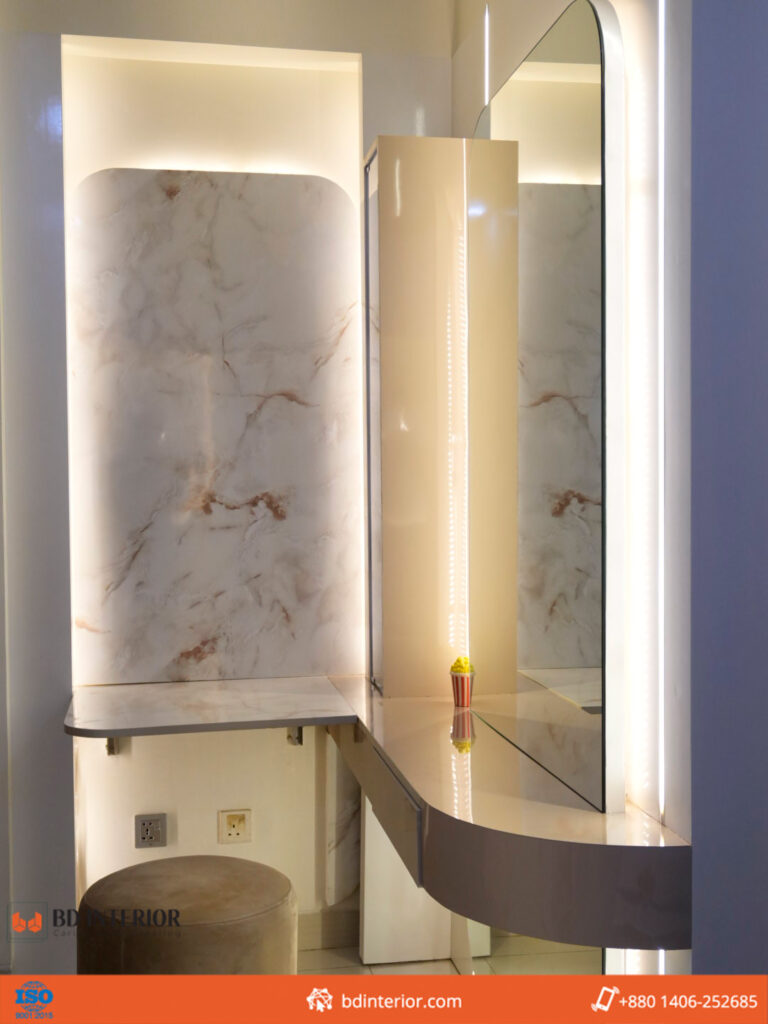
How to Choose the Right Interior Design Trends for Your Home
Not every trend is right for your home. Picking trends that fit your life takes some honest thought and planning.
Start by identifying your non-negotiables. If you have three kids and two dogs, pristine white upholstery probably isn’t realistic, no matter how trendy it looks. Your home needs to function first and look beautiful second.
Consider longevity before committing to major changes. Painting an accent wall in this year’s trendy color is low-commitment, but installing expensive marble countertops requires more confidence that the style will endure. Classic materials with trendy accessories offer flexibility.
Your budget will shape how you use trends. You don’t have to redo everything at once. Start with affordable updates like new pillows, paint, or accessories. These small changes can make a big difference without costing too much.
Let your home’s style guide your choices. A mid-century house doesn’t fit heavy Victorian details, and a colonial home may not suit super-modern minimalism. It’s best to work with your home’s natural style.
Try things out before making big decisions. Test paint colors on your walls for a few days before choosing. Borrow or rent furniture to see how it works in your space.
Personal style matters more than any trend. If you hate bold colors, don’t force Dowel tones into your home just because they’re popular. Trends should enhance your vision, not replace it entirely.
If you might move soon, think about resale value. Very personal or trendy choices may not appeal to buyers. Neutral basics with trendy accents are a good balance.