
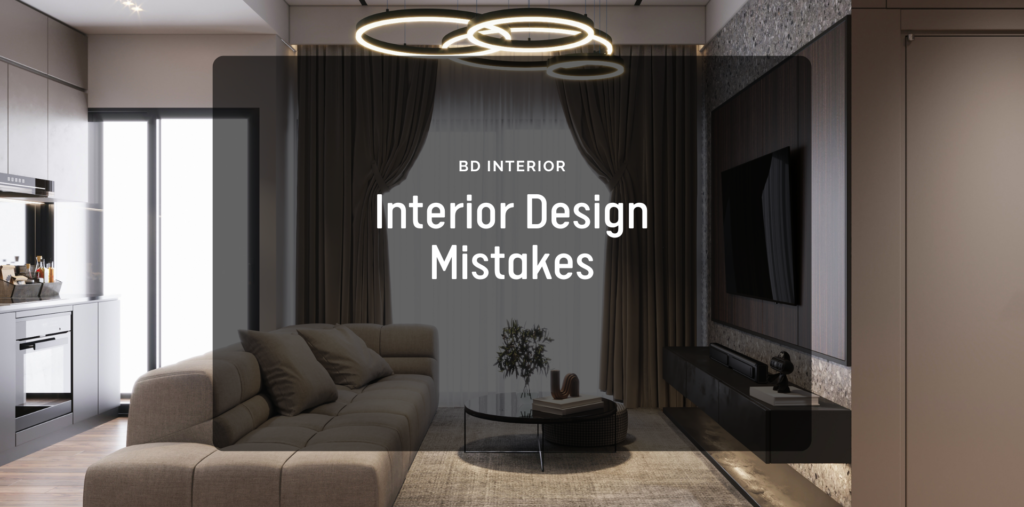
You did everything right. You saved up, you bought the furniture, you spent weekends painting… but something’s still off. Your home feels awkward, maybe even a little cheap, despite the money and sweat you’ve poured into it. It’s a frustrating feeling, and you’re not alone. The problem isn’t your taste—it’s that you’ve likely fallen for a few common, costly design traps that even savvy homeowners miss. These subtle mistakes can make a room feel cramped, unbalanced, and just plain wrong, leaving you wondering where all that effort went.
But here’s the good news: fixing them is easier than you think. You don’t need a bigger budget or a different house. You just need to know what to look for. Let’s cut through the noise and pinpoint exactly what’s not working, and more importantly, how to make it right.
Mistakes Secretly Ruining Your Home’s Vibe
These are the top ten culprits I see costing homeowners time, money, and sanity. Identifying these mistakes in your own space is the first step toward creating a home that truly feels good to be in.
Mistake 1: Getting Scale and Proportion All Wrong
Scale and proportion refer to how the size of objects in a room relates to each other and to the room itself. Getting this wrong is one of the most frequent and jarring mistakes. It’s that feeling you get when you see a huge, overstuffed sofa crammed into a tiny living room, or a minuscule piece of art floating on a massive wall. The space just feels… off.
I’ve seen it a hundred times; people buy furniture in a cavernous showroom where it looks perfectly sized, only to get it home and realize it eats the entire room. Don’t feel bad, it’s a classic mistake. The key is to create a visual balance. You want a mix of different heights and sizes to create a pleasing “skyline” in your room.
✅ Quick Action Plan:
- Measure Everything: Before you buy anything, measure your room and the furniture you plan to put in it. Use painter’s tape on the floor to mock up where large pieces like sofas and tables will go.
- Go Big (Sometimes): In a small space, don’t just buy small furniture. One larger statement piece can actually make a room feel bigger and more grounded than a bunch of tiny items.
Mistake 2: The “One-Light-Fits-All” Fallacy
Simply relying on a single overhead light (the dreaded “boob light”) is a cardinal sin of interior design. This approach creates harsh shadows, makes a room feel flat, and fails to create any sort of mood. As design master Martyn Lawrence Bullard says, light is the “number one tool in understanding how to make an interior feel good.”
Great lighting design is all about layers. You need a mix of different light sources to create a functional and inviting atmosphere.
✅ Quick Action Plan:
- Layer Your Lighting: Every room should have at least two or three types of lighting: Ambient (overall illumination like ceiling fixtures), Task (focused light for activities like reading lamps), and Accent (to highlight features like artwork).
- Put Everything on a Dimmer: This is a non-negotiable, game-changing fix. Dimmers give you complete control over the mood, allowing you to go from bright and functional to soft and cozy with a simple slide.
Mistake 3: The Teeny-Tiny Rug Problem
A rug that’s too small for the space is like wearing a shirt that’s two sizes too small—it just looks awkward. A small rug floating in the middle of a room makes the space feel disjointed and can actually make it appear smaller.
The main job of a rug is to anchor the furniture and unify the space. In a living room, at a minimum, the front legs of your sofa and chairs should be sitting comfortably on the rug.
✅ Quick Action Plan:
- Size Up: When in doubt, always go for the larger rug. Most standard living rooms need at least an 8’x10′ or 9’x12′ rug.
- Define the Zone: Use the rug to define your seating area. All the furniture for a conversation grouping should relate to the rug, with at least the front feet on it.
Mistake 4: Pushing Furniture Against the Walls
It’s a natural instinct to shove all your furniture against the walls to maximize open space. But this creates an awkward, empty void in the middle of the room that feels like a doctor’s waiting room.
Pulling your furniture away from the walls, even by just a few inches, makes a space feel airier and more intentional. It creates more intimate and comfortable conversation areas.
✅ Quick Action Plan:
- Create Groupings: Float your sofa in the room and arrange chairs to create a cozy conversation pit. This is how you make a room feel inviting.
- Mind the Gap: Leave at least 18-24 inches of walkway between major furniture pieces to ensure a comfortable flow.
Mistake 5: Skipping the Paint Test
Choosing a paint color from a tiny swatch under fluorescent store lighting is a recipe for disaster. That perfect “greige” on the chip can turn into a sickly pink-beige on your walls, as one homeowner lamented. A gallon of wasted paint is far better than repainting an entire room you hate.
Light is everything. The same color can look completely different in the morning light versus the evening, or on a wall facing a window versus one that’s always in shadow.
✅ Quick Action Plan:
- Test, Test, Test: Buy sample pots of your top 2-3 colors. Paint large swatches (at least 2×2 feet) on different walls in the room.
- Live With It: Observe the colors over at least 24-48 hours to see how they change with the light throughout the day. This is the only way to know for sure.
Mistake 6: Chasing Fleeting Trends
Remember when every kitchen had those Tuscan-style faux-finished walls? Trends come and go, and going all-in on a hot trend for expensive, permanent fixtures (like tile or countertops) can quickly date your home. One person I spoke with regretted opting for trendy black fixtures in their bathroom because they constantly show water spots and limescale.
It’s much smarter to stick with a classic, timeless foundation and incorporate trends through easily swappable accent pieces.
✅ Quick Action Plan:
- Classic Foundation: Invest in neutral, high-quality finishes for things that are difficult and expensive to change, like flooring, tile, and major appliances.
- Trendy Accents: Have fun with trends in your pillows, artwork, throws, and smaller decor items. These are easy and inexpensive to update when the trend fades.
Mistake 7: Forgetting the Focal Point
A room without a focal point feels chaotic and directionless. The eye doesn’t know where to land, so it just wanders. A focal point is the star of the room—it’s the first thing you notice and it anchors the entire design.
This could be a fireplace, a large piece of art, a statement piece of furniture, or a window with a great view.
✅ Quick Action Plan:
- Choose Your Star: Identify or create a focal point in your room. Arrange your furniture to emphasize it, not compete with it.
- Use Visual Tricks: If your room lacks a natural focal point, create one! As designer Kelly Wearstler notes, a large mirror is a fantastic way to create emphasis and trick the eye.
Mistake 8: The Showroom Look (Matching Furniture Sets)
I know it’s tempting. Buying a perfectly matched 5-piece living room set is easy. But as expert Kelly Wearstler advises, buying all your furniture in one place makes a space look “one note.” It strips the room of personality and looks like a generic showroom floor, not a home with a story.
A curated, collected look feels much more authentic and interesting. It shows off your unique personality.
✅ Quick Action Plan:
- Mix, Don’t Match: Combine furniture from different stores, eras, and styles. Mix textures—wood, metal, velvet, linen—to add depth and character.
- Start Slow: Don’t feel pressured to furnish a whole room at once. Buy key pieces you love and build the room over time. This creates a much more personal and evolved space.
Mistake 9: Choosing Looks Over Livability
You see a stunning, scratchy wool rug and convince yourself it’s perfect, only for your kids to complain constantly. Or you choose a gorgeous light-wash vinyl floor that shows every single speck of dirt. This is the classic mistake of prioritizing pure aesthetics over functionality and ergonomics.
Your home has to work for your life. An uncomfortable sofa, a scratchy rug, or high-maintenance finishes will only lead to regret.
✅ Quick Action Plan:
- Be Honest About Your Lifestyle: Do you have pets? Kids? Do you entertain a lot? Choose materials and furniture that can stand up to your daily life.
- Test for Comfort: Sit on the sofa. Open the drawers. Feel the rug. Make sure the pieces you’re choosing are not only beautiful but also comfortable and practical for you and your family.
Mistake 10: Creating a Disjointed Flow
This mistake happens when each room is designed in a vacuum, with no thought given to how it connects to the others. The result is a home that feels choppy and poorly planned. A good design ensures a cohesive flow from one space to the next.
This doesn’t mean every room has to be the same color. It’s about creating a common thread—through a consistent color palette, repeating materials, or a similar style—that ties the whole house together.
✅ Quick Action Plan:
- Create a Whole-Home Palette: Choose a palette of 3-5 colors and use them in varying degrees throughout your home. A color might be a main wall color in one room and an accent color in the next.
- Repeat Materials: Carry materials like a specific wood tone or metal finish from room to room to create a sense of unity.
Final Thoughts
Feeling a little overwhelmed? Don’t be. You don’t have to fix everything at once. Pick one or two mistakes that jump out at you in your own home and start there. Pull your sofa away from the wall. Order a few paint samples. Measure your seating area for a new, bigger rug. Small, intentional changes can have a massive impact on how your home looks and feels. Your dream space is closer than you think—it’s just a matter of correcting course.
References / Sources [1]Emily Henderson – Choosing THE RIGHT Rug Size For Every Room [2]Foyr – 20 Common Interior Design Mistakes To Avoid [3]MasterClass – Interior Design Basics: 5 Interior Design Tips for Beginners