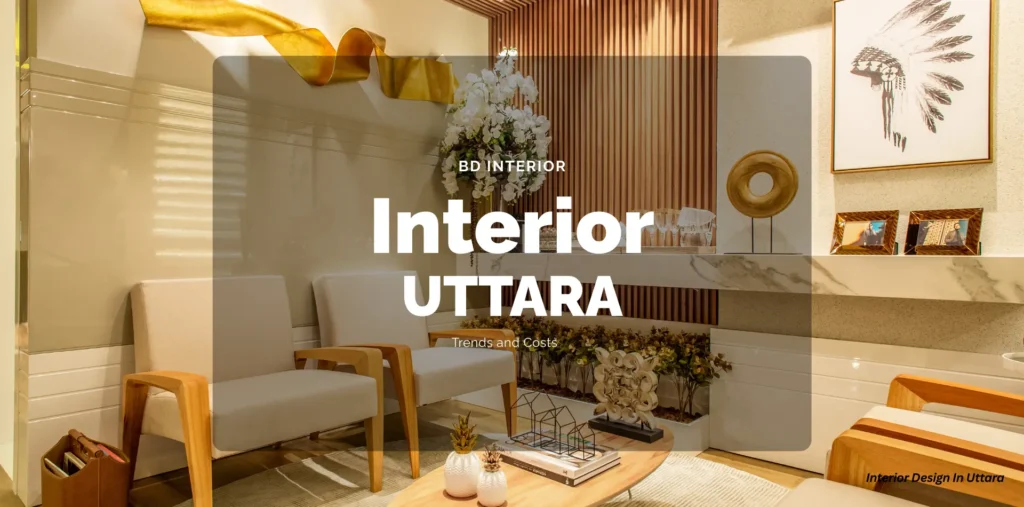
You’ve just received the keys to your new flat in Uttara. Congratulations! With empty design and endless potential, you’re ready to begin—but what will it cost, and how do you find the right designer?
Turning an empty flat into a comfortable home is a big job, especially in a busy area like Uttara. You’re not just buying furniture—you’re investing in your comfort and future. The first step is understanding what you’ll actually spend. In the next section, we’ll break down the costs and show what it really takes to design your dream space in Uttara. Whether you want real data, local stories, or expert tips, this guide will help you start your design journey with confidence. Let’s begin by exploring the costs involved in designing in Uttara in 2026.
How Much Does Interior Design Really Cost in Uttara?
Interior design costs in Uttara include design services, materials, and labor. For a full apartment, costs can range from BDT 10,00,000 for basic interior to over BDT 3,000,000 for high-end projects, depending on apartment size, material quality, and design complexity.
That’s a wide range. The final price depends on a few key factors. Think of it less like buying a standard product and more like commissioning a unique piece of art—costs can vary a lot. Here’s how most firms present their quotes.
Understanding the Pricing Models
Most design firms in Dhaka use one of three main pricing structures:
- Per Square Foot (sq. ft.): This is the most common model. You’ll typically see rates from BDT 1,000 to 5,000+ per sq. ft., covering the design and management part of the project. For a 1,500 sq. ft. flat, design costs alone might range from BDT 1,500,000 to BDT 7,500,000, before any furniture. It’s straightforward but can add up quickly.
- Fixed Lump Sum: In this model, the designer offers one all-inclusive price for your project. This makes it easier to keep your budget on track, but be sure to have a clear contract that lists every deliverable. If you make changes along the way, you’ll likely see extra charges.
- Hourly Charges: This model is less common for full projects but is often used for consultations. Rates usually range from BDT 1,000 to 5,000 per hour. It works best if you just need advice—like picking colors or arranging furniture—and want to handle the rest on your own.
Key Factors That Drive Up Your Bill (and How to Control Them)
Why does it cost 15 lakh taka to design one 1,200 sq. ft. flat, but 20 lakh for another? The answer lies in the details.
- Material Quality: This is the biggest factor. Picking imported tiles instead of local ones, or solid wood instead of MDF, can make a big difference in your budget. Many smart homeowners use materials like Partex for a stylish look and easy updates.
- Design Complexity: Simple, clean designs cost less than those with detailed custom cabinets, complex ceilings, or fancy wall panels.
- Scope of Work: Are you just doing furniture and paint, or are you breaking down walls, redoing all the electricals, and changing the flooring? The more extensive the renovation, the higher the cost.
- Designer’s Experience: Well-known firms with luxury projects usually charge more than newer designers who are just starting out.
Quick Action Plan: Before you meet any designer, create two lists: your ‘must-haves’ and your ‘nice-to-haves’. This simple exercise will give you immediate clarity on where you can save and where you should splurge. Now that you know how costs and choices work, let’s explore how your decisions intersect with the latest interior trends in Uttara for 2026.
Beyond the ‘Dhaka Standard’: Unpacking 2026 Interior Trends for Your Uttara Flat
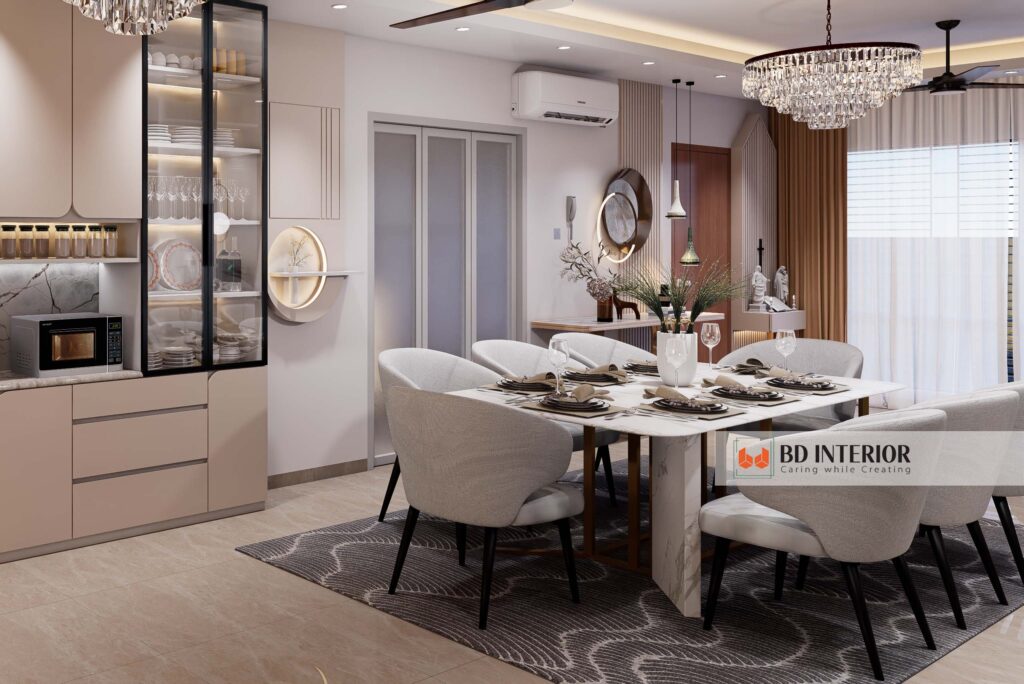
Many homeowners in Uttara, especially those active on forums, are interested in moving beyond conventional interior styles that feature heavy ceiling designs, abundant mirrors, and overly bright, cool lighting. These trends can feel dated or make spaces feel smaller. Fortunately, the trends for 2025-2026 are shifting, offering appealing alternatives for those seeking something more personal.
The Soothing Rise of Modern Minimalism & Japandi
This trend is about making thoughtful choices that create inviting, functional spaces. For example, modern minimalism focuses on clean lines, neutral colors, and choosing fewer, higher-quality items that avoid clutter.
Japandi, a blend of Japanese simplicity and Scandinavian warmth, uses natural materials like wood and woven fabrics to create a cozy, calm environment. Instead of crowding small spaces with furniture, as BD INTERIOR notes, prioritizing open, airy layouts helps maximize comfort in city apartments.
Smart, Sustainable, and Space-Saving Living
This trend means selecting furniture and materials that are both practical for small homes and environmentally conscious. For example, choosing a sofa with hidden storage can reduce clutter, and using low-VOC paints helps create a healthier atmosphere. As the Uttara apartments become more compact, every piece should serve multiple purposes to make the most of available space.
- Multi-functional Furniture: These are pieces designed to perform more than one job—for example, coffee tables that lift into dining tables for meals, sofas that open for storage of bedding or books, or wall beds (Murphy beds) that fold up to free floor space during the day.
- Sustainable Materials: Increasingly, homeowners opt for materials like bamboo flooring, which grows quickly and is renewable, or reclaimed wood sourced from salvaged materials. Non-toxic paints reduce indoor air pollution, supporting a healthier home for people and the environment.
- Smart Home Integration: This involves adding technology such as adjustable lighting systems that let you brighten or dim rooms with your phone, motorized window blinds for privacy or sunlight control, and app-based security cameras. These features are designed to make daily tasks easier and homes more comfortable.
Designing for Dhaka’s Climate: A Non-Negotiable
Experts say this is extremely important. A beautiful design means little if your home isn’t comfortable. “Interior designs that don’t consider Bangladesh’s tropical climate—like excessive use of heat-trapping materials or lack of ventilation—can make a home uncomfortable
The solution is to use breathable fabrics like cotton and linen, ensure good cross-ventilation, and avoid materials that can warp or grow mildew in high humidity. This is especially important for ground-floor flats in places like Uttara Sector 4, which can sometimes have waterlogging.
Homeowner’s Playbook: Navigating the Process Without the Headaches
When done well, the interior design process in Uttara is a step-by-step journey from your first idea to a finished home. Most professional firms like BD INTERIOR follow a clear plan to avoid surprises and make sure you get what you expect. Understanding this process helps you stay in control and notice any warning signs early.
The typical journey looks like this:
- Initial Consultation: You’ll talk about your vision, lifestyle, budget, and needs. This meeting goes both ways—you’re checking if the designer is right for you, and they’re seeing if you’re a good fit for them.
- 3D Design Visualization: This is the exciting part. The designer will create detailed 2D & 3D images of your space. This is your opportunity to request changes. Speak up if something doesn’t feel right. If a designer asks for extra payment for these first designs, that’s a big warning sign, as seen in some legal cases.
- Material Selection: You’ll pick out everything from tiles and fabrics to wood finishes and lighting. It’s important to get samples and check how they look in your own flat’s lighting.
- Execution & Project Management: The team gets to work. A good firm provides regular updates and manages all the contractors for you.
Red Flags: The Common Complaints You Can Avoid
Knowledge is power. Here are the most common issues Uttara homeowners face, drawn from real user experiences:
- Budget Creep: Sometimes, the project ends up costing much more than the first quote. To avoid this, ask for a contract with a detailed Bill of Quantities (BoQ) that lists every item and its price.
- Completion Delays: A project planned for three months can sometimes stretch to six. To prevent this, make sure your contract has a clear timeline and penalties for delays.
- Material Bait-and-Switch: Sometimes, the high-quality material you picked is swapped for a cheaper one. To avoid this, be there when materials are delivered and installed. Check the brand names and details against your agreement.
Your Top Questions Answered (FAQs)
Let’s tackle some of the burning questions you probably have right now.
Can I actually get a stylish renovation on a tight budget in Uttara?
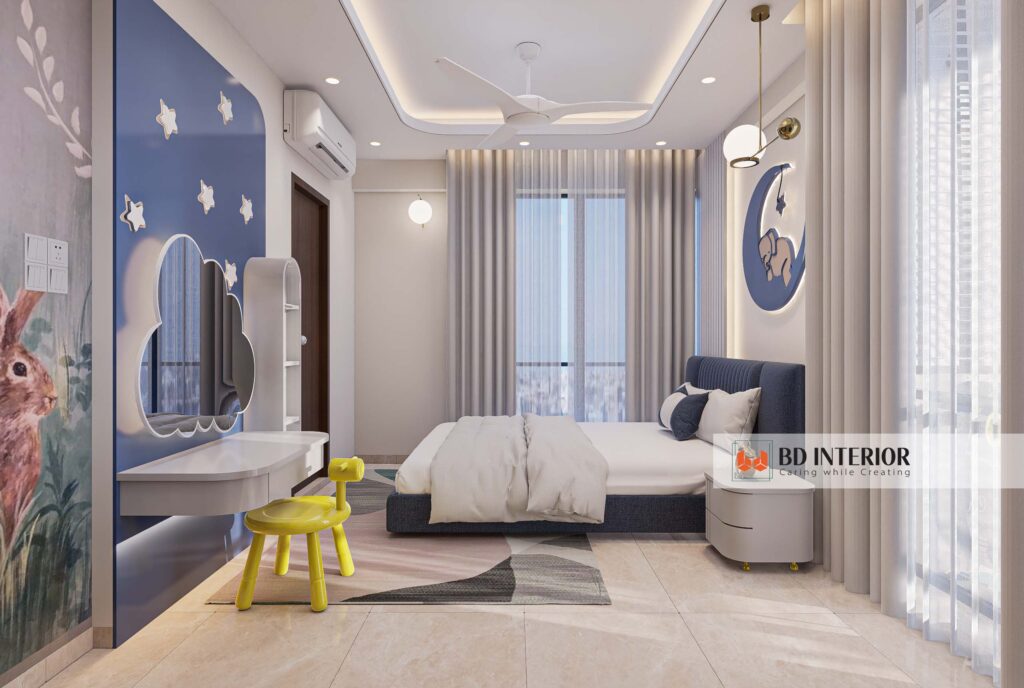
Absolutely. You can have a stylish renovation on a tight budget if you make smart choices. Use affordable materials, such as good-quality MDF or Partex with laminate finishes, instead of solid wood.
Is hiring a professional interior designer in Uttara really worth the investment?
Hiring a professional interior designer in Uttara, like BD INTERIOR, is a smart investment. A good designer will improve how your home looks and works, create better storage, make the space flow well, and set up proper lighting.
How do I find a designer who understands minimalist or Nordic aesthetics?
This is a common question. To find a designer who knows minimalist or Nordic styles, look at their portfolios for examples of your favorite look. Don’t rely only on social media profiles. Use clear terms like ‘minimalist’ or ‘Scandinavian’ when you talk to them. If they don’t know these styles, they might not be the right fit for your project.
Your Dream Uttara Home is Waiting
Making your perfect home in Uttara should be exciting and enjoyable, not stressful. It’s about more than just how things look—it’s about building a personal space that helps you relax after a long day. As the team at BD INTERIOR says, “A home interior design should help you feel at ease, providing a perfect sanctuary to relax.”
When you understand the costs, follow modern trends that suit our climate and lifestyle, and know how the process works, you’re already ahead. You can avoid common problems and work with a designer who will help make your vision real.
Are you ready to move from ideas to action? Your journey to a more beautiful, practical, and personal home starts with your first conversation. Why not take that step today?