
You have the sofa, the dining table, and the bed assembled. The major investments are complete. Yet, your home feels unfinished—more like a hotel room or a furniture showroom: functional, but devoid of identity.
Despite significant spending, your space lacks personality. The essential detail is not larger furniture or a complete renovation; it is the final 10%—the accessories. Select them wisely, and you will bring your home to life. This guide will direct you through that process decisively.
High Cost of ‘Good Enough’: Why Your Accessories Might Be Failing You
The final and most critical stage in home design is accessorizing. This is the definitive step that turns a room from a simple arrangement of furniture into a personal sanctuary. Many homeowners falter here, resulting in spaces that are both frustrating and impersonal. Poor accessory choices lead to high-maintenance, quickly outdated rooms that fail to reflect your identity and force you into a wasteful cycle of replacements.
The Trend Trap: Chasing Style and Losing Yourself
Trend-driven decisions in home decor are a frequent misstep. A social media look—whether all-gray, farmhouse fonts, or black fixtures—appears appealing and current but quickly becomes dated. Within a year, your investment can feel obsolete, leaving you burdened with a space that is no longer relevant and the added cost of redesigning.
Do not blame yourself; the decor industry profits from this cycle. To quote Nate Berkus: “Trends are designed to make us feel bad about what we don’t have.” Your goal must be to construct a space that stands the test of time and personal growth. For example, my chevron-print purchases felt dated and unsatisfying after a few months—classic evidence of the trend trap.
- The Problem: Overly trendy items have a short lifespan, leading to buyer’s remorse.
- The Cost: Constant spending to keep up with the next new thing.
- The Feeling: Your home feels impersonal and inauthentic, like a costume you can’t wait to take off.
When Pretty Becomes a Pain: The Functionality Fail
Desiring an item purely for its look is often the root of regret. The disparity between the staged perfection online and the demands of daily life is significant. Such choices are frequently cited by homeowners and are a recurring topic in professional design discussions. Acknowledge this gap to avoid inevitable disappointment.
Let’s get real about some of the most common culprits:
- The Shag Rug Nightmare: It looks so plush and inviting in the store. But get it home, especially if you have kids or pets, and it becomes a matted trap for every crumb, pet hair, and speck of dirt. The sensory experience goes from luxurious to just… gross. Cleaning it isn’t a task; it’s an archaeological dig.
- The Light-Colored Flooring Fiasco: A dream for minimalist photography, a nightmare for daily life. Users constantly lament that light floors, especially pure white or very light gray, act as a spotlight for every single stray hair, footprint, and dropped piece of food. The result? You’re either cleaning constantly or living with a floor that always looks dirty.
- The Black Fixture Backlash: Sleek, modern, and dramatic, black taps and showerheads are undeniably stylish. But the moment water touches them, they become a canvas for hard water spots, soap scum, and limescale. The chic, matte finish you loved now requires a daily wipe-down to avoid looking chalky and unkempt.
In all such cases, prioritizing aesthetics over practicality causes long-term frustration. The initial excitement of a beautiful object will inevitably give way to resentment over its demands. Your home must be a retreat, not a chore. As Albert Hadley stated, “The essence of interior design will always be about people and how they live… not about fashion or what’s in or what’s out.” Apply this principle rigorously to your choices.
Quick Action Plan:
Before your next purchase, ask yourself three questions: 1) What is the real-world cleaning process for this? 2) How will this hold up in a high-visit area? 3) Will I still love this in five years, or am I just buying a trend?
After asking, write out your answers. If any answer gives you pause, seek an alternative or wait 48 hours before purchasing. Commit to reviewing items in your home quarterly and honestly evaluating their practicality and enjoyment.

Mastering the Art of the Accessory: A Timeless, Story-Driven Approach
To resolve these issues, stop decorating and start curating. Create a home that tells your story. Adopt a discerning approach: select and arrange accessories—pillows, rugs, lighting, art—with a focus on function, beauty, and meaningful expression. Build your collection with intention, over time. Avoid hasty decisions driven by fleeting trends.
The Three Pillars of Perfect Accessorizing
Disregard fleeting trends. Instead, employ the foundational principles used by leading designers to create timeless, soulful interiors. Master these pillars to approach any room with absolute confidence.
Pillar 1: Scale & Proportion – Getting the Foundation Right
A disproportional room—a large sofa with a tiny rug, for example—immediately signals imbalance. Prioritize correct scale and proportion. Too many small items result in clutter. Instead, incorporate variation by deliberately selecting larger, more impactful pieces.
- Rugs: A rug should anchor the furniture in a seating area. At a minimum, the front legs of your sofa and chairs should sit comfortably on it. A rug that’s too small will make your room look smaller.
- Art: A tiny piece of art on a vast wall gets lost. Go bigger than you think you need, or group smaller pieces together to create one large focal point.
- Lamps: A skimpy little lampshade on a substantial side table looks silly. The lamp should feel proportionate to the surface it’s on.
Pillar 2: Layering & Texture – Creating Depth and Coziness
Layering and texture are essential elements for dynamic spaces. Approach design as you would a perfectly composed outfit: richness comes from combining elements with intention. Visual and tactile variation must not be an afterthought but a requirement.
- Layer Lighting: Every room needs multiple light sources. Don’t rely on a single overhead light! You need ambient (general illumination), task (for reading or cooking), and accent (to highlight art or architectural features). This blend creates ambiance, making a space feel warm and inviting.
- Layer Textures: This is where you can have fun. Mix different materials to stimulate the senses. Pair a smooth leather sofa with a chunky knit throw. Place a sleek metal tray on a rustic wood coffee table. Combine velvet, linen, and silk pillows. This is what design icon Kelly Wearstler calls “mixology and materiality.” It’s the contrast—raw and refined, masculine and feminine—that creates a dynamic, sophisticated feel.
Pillar 3: The Cohesive Color Story – Your Personal Palette
A color palette isn’t about making everything the same color. It’s about creating a harmonious flow. A good rule of thumb is the 60-30-10 rule:
- 60% Dominant Color: Your walls, large furniture pieces, and maybe the rug.
- 30% Secondary Color: Curtains, accent chairs, or a feature wall.
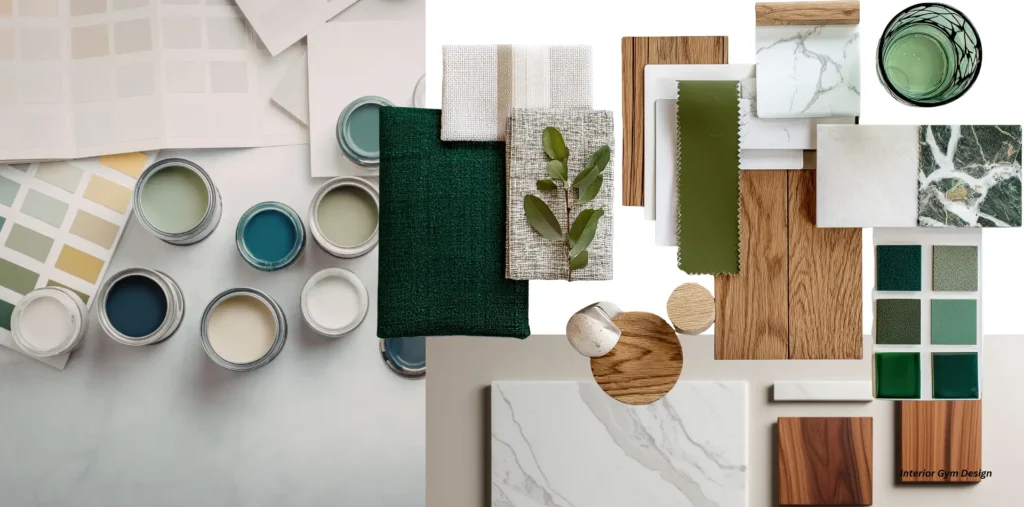
- 10% Accent Color: This is where accessories shine! Throw pillows, vases, art, and decorative objects. This is your chance to be bold with a pop of yellow, a deep jewel tone, or a vibrant pattern.
This framework ensures balance while allowing your personality to come through in those crucial accent pieces.
Building a Collection, Not Just Buying “Stuff”
Ready for a radical idea? Stop trying to finish decorating your house. A home is never truly finished—it’s a living space that grows with you. Meaningful maximalism rejects sterile minimalism, favoring homes curated with personal, significant objects collected over time.
The real magic is in intentional curation. Live in your space, observe how you use it, and add pieces slowly. Let the light, movement, and patterns of daily life guide your choices before introducing new accessories.
Mix thoughtfully. Pair a sleek lamp with a vintage bowl, or new finds with well-loved treasures. This adds soul and ensures your home reflects you—not a showroom or someone else’s style.
Embrace quirks. Add one unexpected object—a unique sculpture, bold vase, or odd art piece—to spark conversation and share your story. These touches make a room memorable and truly yours.
Quick Action Plan:
Start a “home inspiration” folder on your phone. Instead of focusing only on finished rooms, collect photos of individual objects you love—a color, a texture, a piece of pottery, a vintage poster. Gradually, this collection will reveal your unique taste.
Use it as your guide for selecting accessories, ensuring each piece feels personal and meaningful. Remember, your space doesn’t need to be “done” right away—let it evolve and enjoy the process of making your house a true reflection of you.
Your Accessorizing Questions, Answered
Navigating the world of home accessories can raise many questions. Here are clear, straightforward answers to some of the most common dilemmas homeowners face when adding finishing touches.
How many accessories are too many?
There’s no magic number. The goal isn’t to count items but to curate them. The line between “collected” and “cluttered” is all about breathing room and intention. If every surface is covered, your eye doesn’t know where to land.
A better approach is to group objects in odd numbers (threes and fives work well), vary their height, and ensure there is negative space around the arrangement. Edit mercilessly. If you don’t absolutely love it or it doesn’t serve a function, store it away.
How do I mix metals without it looking messy?
Mixing metals adds a sophisticated, layered look. The key is to establish a dominant metal and use one or two others as accents. For example, if your kitchen cabinet pulls are brushed nickel (dominant), you could add a brass pendant light and a black faucet (accents). Another tip is to keep finishes consistent within the same visual plane for a calmer look. The goal is intentional contrast, not random chaos.
What’s the best way to start accessorizing a blank room?
Go from large to small. Start with the biggest impact items that will anchor the space. This usually means:
- Area Rug: This defines the zone and sets the color palette.
- Art: A large piece of art or a gallery wall establishes the focal point and mood.
- Window Treatments: Curtains or blinds add softness, texture, and color.
- Lighting: Add floor and table lamps for ambiance.
- Pillows & Throws: The easiest, most affordable way to inject personality.
- Surface Styling: Finally, accessorize your coffee table, bookshelves, and consoles with books, trays, and objects you love.
Are there any ‘rules’ I should never break?
The only unbreakable rule is that your home should make you happy. However, design principles are your best friends. Ignoring the principle of scale is almost always a mistake. Forgetting to add texture will leave your room feeling flat. And choosing something you don’t genuinely love just to fill a space is a recipe for regret. Beyond that, experiment! It’s your home.
It’s Your Story, Tell It Beautifully
You started this journey feeling frustrated, staring at rooms that felt incomplete and impersonal. You worry about the common pitfalls—the trendy purchases that fade, the beautiful but impractical items that become daily chores. But now, you have a new roadmap.
It’s not about buying more stuff. It’s about a fundamental shift in perspective. It’s about becoming a curator of your own life, a storyteller whose medium is your home. By focusing on the timeless principles of scale, layering, and color, and by taking the time to collect pieces that truly mean something to you, you can create a space that is not only stylish but also a deeply authentic reflection of who you are.
Your home is your sanctuary. It’s the backdrop to your life. Stop chasing trends and start collecting memories. Start telling your story.
What’s the one accessory in your home that tells a story? I’d love to hear about it in the comments below!