
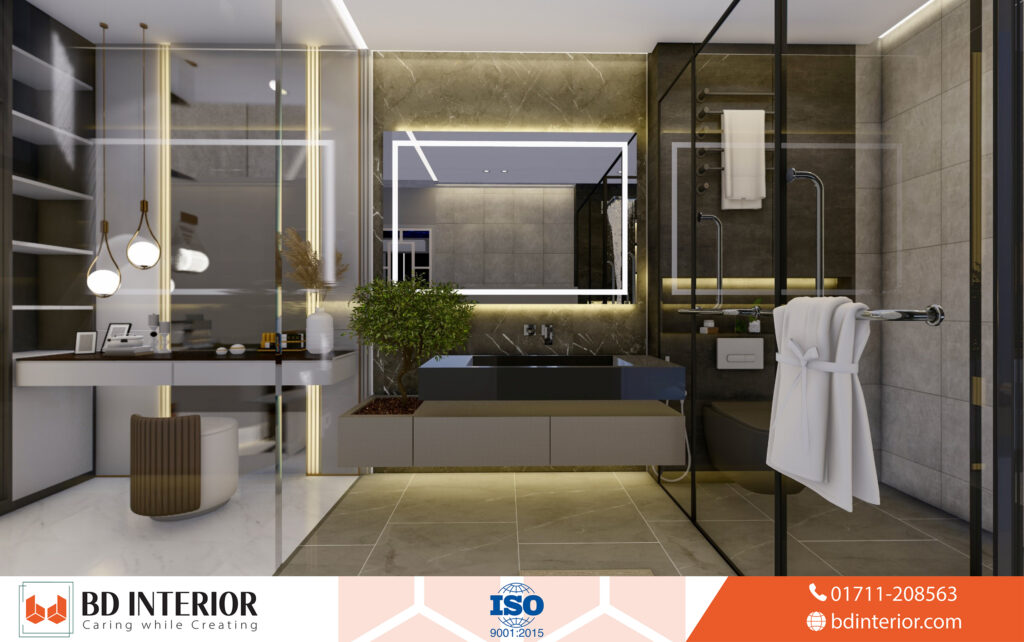
It’s 7 PM on a Tuesday, and you sink into your couch, surrounded by blank gray walls and a limp plant struggling for sunlight in a corner. The air feels stale. Your floors have the same cold, lifeless look as your dentist’s waiting room.
You are tired of your home looking like a carbon copy of a 2022 Pinterest board. We know the frustration of staring at sterile, ‘Millennial Gray’ walls and cheap vinyl floors that feel like a hospital lobby. We promise to give you the data-driven blueprint for a space that actually breathes.
This guide reveals how to unlock “Curb Appeal Goldmines” on your home’s exterior and embrace the “Velvet Revolution” of interior design—two defining shifts ready to shape the next decade of residential living.
Performance Metrics for 2024-2025
| Garage Door Replacement | 102% Recoup Cost | High-Insulation Steel/Wood |
| Stone Veneer (Exterior) | 100% Recoup Cost | Natural or High-Quality Manufactured |
| Standard Landscaping | 100% to 200% ROI | Native, Drought-Resistant Species |
| Paint VOC Threshold | Health Compliance | < 50 grams per liter (g/L) |
| Smart Glass U-Value | Energy Efficiency | 0.20 to 0.30 |
| Average Kitchen Remodel | 300000/- – 800000/- | Mid-range with Scullery Add-on |
Why Curb Appeal is the Undisputed ROI King
To maximize your home’s resale value in 2026, focus on exterior ‘curb appeal’ upgrades like garage door replacements and stone veneer, which currently offer over 100% ROI. Strategic landscaping can double your investment, making it the most profitable renovation choice for modern sellers.
Stop ignoring your home’s exterior. It is the first thing a buyer sees. It is the only thing your neighbors judge. Our research shows that a simple garage door replacement doesn’t just look good; it pays you back 102% of what you spent. That is free money. We found that adding manufactured stone veneer to your facade achieves a similar 100% recoup rate.
But there’s a catch. You cannot just slap materials on a wall. The transition between the indoors and outdoors has vanished. Experts from the AIA note that homeowners now view the backyard as a primary living room. If your patio doesn’t feel as comfortable as your sofa, you are losing value.

Biophilic Blueprint: Designing for Human Biology
Biophilic design integrates natural light, vegetation, and organic materials into living spaces to boost occupant well-being by up to 15%. By mimicking natural environments through circadian lighting and indoor greenery, these spaces reduce stress and improve residents’ biological sleep-wake cycles.
We are tired of being trapped in boxes. Your body craves the sun. That is why circadian lighting systems are no longer a sci-fi dream. These systems program your interior lights to mimic the sun’s natural arc. You get cool, bright blue light at noon to keep you focused. You get warm, amber tones at 8 PM to trigger melatonin. It is biology, not just decoration.
Key biophilic elements to integrate:
- Living Walls: Vertical gardens that purify air and dampen noise.
- Natural Materials: Use walnut, stone, and wool. Avoid plastics.
- Fenestration: Install oversized windows with U-values between 0.20 and 0.30.
Sustainable design is no longer a niche luxury. We believe it is a fundamental requirement for long-term asset value. If your home doesn’t support your health, it is an obsolete asset.
Smart Envelopes: The ‘Living Skin’ of Modern Architecture
Smart envelope technology protects your home with high-performance facades that integrate insulation, moisture barriers, and solar harvesting. These systems act as a ‘living skin,’ potentially reducing energy bills by 30% while maintaining a U-value between 0.20 and 0.30 for maximum thermal efficiency.
Your walls should do more than just stand there. High-performance facades are the new standard. These systems simultaneously manage moisture and harvest solar energy. We have seen homeowners slash their energy bills by 30% just by upgrading their ‘envelope.’
However, finding contractors who understand ‘Passive House’ standards is difficult. Many builders are stuck in the 1990s. You must demand high-quality fenestration and insulation. It costs more upfront. We won’t lie about that. But the long-term savings and the silence of a well-insulated home are worth every penny.
Quiet Luxury and the Death of ‘Millennial Gray’
Quiet luxury prioritizes tactile, high-quality materials like mohair, walnut, and unlacquered brass over flashy branding or fast-furniture trends. This movement moves away from ‘Millennial Gray’ toward rich, sensory textures and personalized ‘maximalist’ spaces that reflect the homeowner’s unique history.
Gray is dead. We are dancing on its grave. The era of sterile, ‘flipper-ready’ interiors is over. People are angry. They want soul. They want ‘Quiet Luxury.’
What does this look like? It looks like unlacquered brass that patinas over time. It feels like mohair velvet on a custom sofa. It smells like real walnut cabinetry. We are seeing a massive shift toward ‘Color Drenching.’ This is the practice of painting walls, trim, and ceilings the same hue. It creates architectural cohesion in even the most awkward rooms.

Rise of the ‘Dirty Kitchen’ and Functional Luxury
Modern interior layouts are prioritizing ‘sculleries’ or dirty kitchens to keep main living areas pristine during social gatherings. By separating heavy prep work from the open-plan social space, homeowners achieve a functional balance that supports both high-volume entertaining and daily aesthetic cleanliness.
The open-concept floor plan had a flaw: the mess. Nobody wants to look at a pile of dirty pans while eating a 1200 BDT steak. Enter the scullery. It is a secondary kitchen behind a hidden door. You do the chopping there. You put the dirty plates there. The main kitchen serves as a stage for entertaining.
Expect to pay between BDT 350000 and BDT 800000 for a mid-range kitchen remodel. If you add a scullery, you are at the top end of that range. But the ‘rave reviews’ from homeowners who have made the switch suggest it is the ultimate lifestyle upgrade.
People Also Ask
Why is it so hard to find Passive House contractors?
Most traditional contractors prioritize speed over performance. Passive House standards require meticulous attention to thermal bridging and airtightness. We recommend looking for builders certified by the ISO or specialized green-building organizations.
Are custom BD windows worth the 24-week wait?
Yes. While lead times of 16-24 weeks are common for high-end Bangladeshi cabinetry and windows, their thermal performance (U-values) and aesthetic slimness are often unmatched by domestic ‘big box’ alternatives.
Is Millennial Gray really bad for resale now?
Data suggests ‘gray fatigue’ is real. Buyers now associate all-gray interiors with cheap, ‘quick-flip’ renovations. Using warmer neutrals or ‘color drenching’ with sophisticated tones like sage or terracotta actually improves perceived value.
What is the most cost-effective way to improve mental health at home?
Maximize natural light and introduce low-VOC paints. Keeping VOCs below 50 g/L prevents the ‘new paint’ chemical off-gassing that can cause headaches and fatigue. Pair this with indoor vegetation for a 15% boost in overall well-being.
Final Verdict
Don’t build for the ‘average’ buyer from five years ago. Build for the future. The data is clear: invest in your home’s exterior envelope, embrace biophilic technology, and ditch the sterile trends for tactile, high-quality materials. Whether you are staying for twenty years or selling in two, these high-performance choices ensure your home remains an asset, not a liability.
Ready to transform your space? Start by auditing your home’s envelope and replacing one high-impact exterior element today. Will you take 15 minutes this week to review your exterior for one upgrade opportunity? Commit to this simple yes-or-no action to set real change in motion.