

Your living room serves as the heart of your home. It’s where families gather, friends laugh, and memories take shape. Getting the design right makes all the difference between a space that feels warm and one that falls flat.
We understand that creating the perfect living area can feel overwhelming. You face endless choices about colors, furniture, and layouts. This guide breaks down everything into simple steps. You’ll discover practical ideas that work for any budget or style preference.
Whether you’re starting fresh or updating an existing space, these interior ideas will help you build a living room that truly reflects who you are. Let’s explore how small changes can have a significant impact.
How to Choose the Right Living Room Design Style
Finding your ideal design style sets the foundation for every decision that follows. you need a clear direction before purchasing furniture or picking paint colors.
Start by exploring different styles and noting what catches your eye. Modern designs feature clean lines and minimal decoration. Traditional spaces embrace rich woods and classic patterns. Scandinavian interiors focus on simplicity and natural light. Industrial looks combine raw materials like exposed brick and metal.
Consider these factors when selecting your style:
- Your daily habits — Do you entertain often or prefer quiet evenings?
- Existing architecture — Work with your home’s natural features, not against them
- Personal preferences — Choose what makes you feel comfortable and happy
- Maintenance needs — Some styles require more upkeep than others
Create a mood board using magazine clippings, Pinterest pins, or even fabric swatches. Collect 10-15 images that inspire you. Look for common threads among your favorites. You might notice similar color palettes or furniture shapes appearing repeatedly.
Don’t force a style that doesn’t match your lifestyle. A minimalist approach won’t work if you love displaying collections. An all-white space becomes impractical with young children or pets. Your living room should support how you actually live, not just look beautiful in photos.
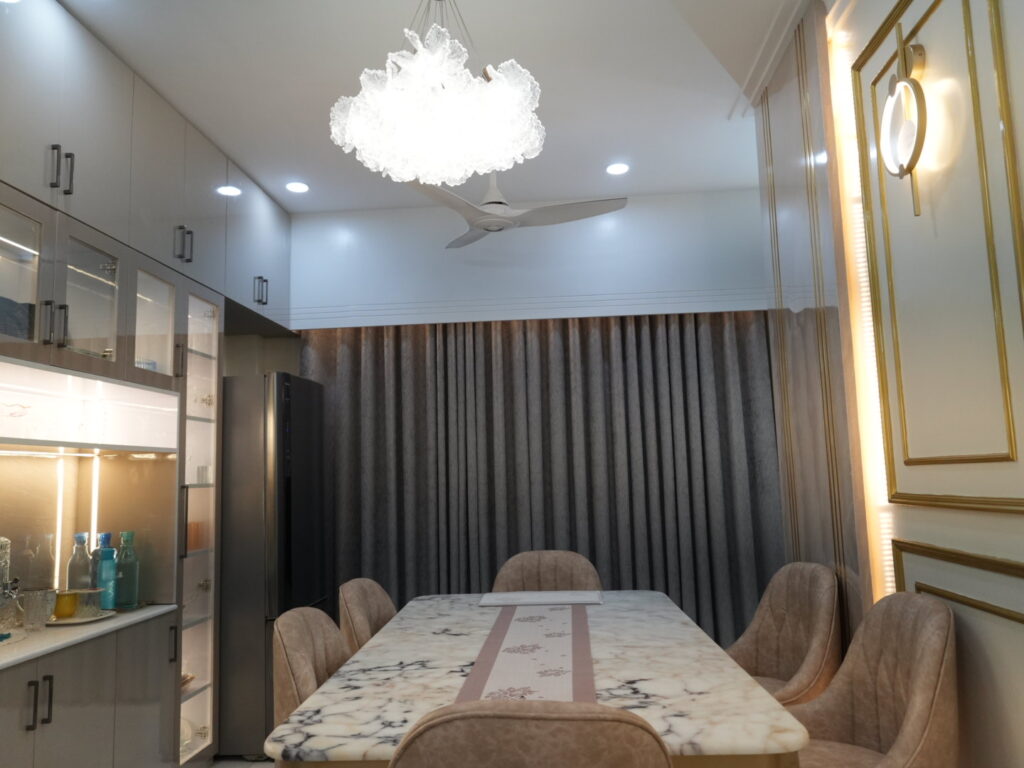
Innovative Furniture Layouts for Comfort and Functionality
Proper furniture arrangement transforms how your living room feels and functions. You can make a small space feel larger or a big room feel cozier with the proper layout.
Begin by identifying your focal point. This might be a fireplace, a large window, or an entertainment center. Arrange seating to face this feature. People naturally gravitate toward clear visual anchors in a room.
Traffic Flow Matters
Leave at least 30 inches between furniture pieces for easy walking paths. You shouldn’t need to squeeze past chairs or dodge coffee tables. Create clear routes from doorways to seating areas.
Here’s a practical layout guide:
Room Size Sofa Placement Additional Seating Coffee Table Distance
- Small (under 200 sq ft) Against longest wall 2 accent chairs 14-18 inches from sofa
- Medium (200-400 sq ft) Floating in center Sofa + loveseat 18 inches from all seats
- Large (over 400 sq ft) , Multiple zones , Multiple groupings , 18-24 inches from seats
Float your furniture away from walls in medium to large rooms. This creates intimacy and makes the space feel intentional. Push everything against the walls, and your room loses warmth.
Think about conversation distance, too. Seat people 4-8 feet apart for comfortable talking. Placing chairs too far away makes chatting feel awkward—position seating in a U-shape or L-shape to encourage interaction.
Perfect Color Combinations to Refresh Your Living Room
Colors dramatically shift the mood and energy of your space. The right palette can make your living room feel vibrant and uplifting, or calm and serene, depending on your preference.
Neutral bases give you flexibility. Start with beige, gray, or white walls. These timeless shades let you experiment with bolder accent colors through pillows, artwork, and throws.
Popular Color Schemes That Work
- Navy + Gold + Cream — Sophisticated and warm without feeling stuffy
- Forest Green + Blush Pink + Ivory — Fresh and modern with natural appeal
- Charcoal + Mustard + White — Bold contrast that energizes the space
- Sage Green + Terracotta + Natural Wood — Earthy and calming
Use the 60-30-10 rule for balanced color distribution. Your dominant color, which covers 60% of the space (usually the walls), sets the room’s overall tone. The secondary color, filling 30% of the space (such as upholstery or curtains), adds depth and interest. The accent color, popping in 10% of the space (through decorative items or artwork), brings a lively touch to the room.
Consider how natural light affects your choices. North-facing rooms receive cooler light, so warm colors help them feel warmer. South-facing spaces already get plenty of warmth, making cool tones work beautifully.
Test paint samples on your walls before committing. Colors look different throughout the day as light changes. Live with sample patches for a few days. Notice how they make you feel in morning light versus evening glow.

Creative Lighting Ideas to Brighten and Elevate the Space
Lighting does more than illuminate. It creates ambiance, highlights features, and changes how colors appear in your room. With the proper lighting, you can transform your living room into a cozy and inviting space.
Layer three types of lighting for the best results. Ambient lighting provides overall illumination through ceiling fixtures or recessed lights. Task lighting helps with specific activities, such as reading. Accent lighting draws attention to artwork or architectural details.
Practical Lighting Solutions
Install dimmer switches on all light sources. This lets you adjust brightness based on time of day or activity. Bright lighting works for game nights. A softer glow suits movie-watching or relaxing.
Place floor lamps in dark corners to eliminate shadows. These fixtures add height and visual interest while solving lighting problems. Choose adjustable styles that direct light where you need it most.
Hang pendant lights or chandeliers as statement pieces. Position them 30-36 inches above coffee tables. This height provides proper illumination without blocking sightlines across the room.
Don’t forget natural light. Remove heavy curtains that block windows. Replace them with sheer fabrics or adjustable blinds. Mirrors placed opposite windows bounce daylight deeper into your space.
Wall sconces create sophisticated lighting without eating floor space. Mount them 60-66 inches from the floor for optimal effect. They work especially well flanking artwork or on either side of a fireplace.

Stylish Decor and Accessories for a Personalized Look
Accessories inject personality into your living room. These finishing touches transform generic spaces into homes that tell your unique story.
Start with meaningful items rather than buying decorations to fill space. Display family photos in a variety of frame styles. Show off travel souvenirs that spark conversations. Rotate collections seasonally to keep things feeling fresh. Remember, it’s these personal touches that truly make a house a home.
Decorating Essentials
- Throw pillows — Mix 3-5 different sizes and textures on sofas
- Area rugs — Anchor furniture groupings and add warmth underfoot
- Plants — Bring life and improve air quality simultaneously
- Books — Stack coffee table books for both style and reading material
- Artwork — Hang pieces at eye level (57-60 inches from floor)
Create visual balance through grouping. Arrange decorative objects in odd numbers (three vases instead of two). Vary heights within each grouping. Place taller items in the back, shorter pieces in the front.
Texture adds depth that color alone can’t achieve. Combine smooth surfaces with rough ones. Pair soft fabrics with hard materials, such as metal or glass. This contrast makes rooms feel layered and thoughtfully designed.
Edit ruthlessly. Too many accessories create visual clutter. If something doesn’t bring you joy or serve a purpose, remove it. Space lets your favorite pieces shine.
Budget-Friendly Living Room Interior Tips
Beautiful living rooms don’t require unlimited funds. Innovative strategies help you achieve impressive results without overspending.
Shop secondhand for unique furniture finds. Thrift stores, estate sales, and online marketplaces offer quality pieces at a fraction of retail prices. A fresh coat of paint transforms dated items into custom showpieces.
Money-Saving Strategies
Rearrange what you already own before buying anything new. Moving furniture to different positions often gives rooms a completely fresh feel. Try multiple layouts until something clicks.
Paint remains the most cost-effective transformation tool. One gallon covers about 400 square feet and costs $30-60. Tackle this DIY project over a weekend for instant impact.
Make your own artwork instead of purchasing expensive pieces: frame fabric remnants, wallpaper samples, or your own photography. Large-scale DIY art fills wall space impressively for minimal investment.
Focus your budget on key investment pieces. Splurge on a quality sofa that lasts 10+ years. Save on accent chairs and side tables that you can easily replace later. This approach balances longevity with affordability.
Update hardware and fixtures for quick upgrades. New curtain rods, light switch covers, and outlet plates cost little but modernize your space significantly.

Timeless Interior Ideas to Keep Your Living Room Fresh
Trends come and go, but certain design principles never fade. Building your living room around timeless concepts ensures it looks great for years.
Quality trumps quantity every time. One well-made sofa outlasts three cheap ones. Invest in pieces constructed from solid materials. Check joinery, cushion density, and fabric durability before purchasing.
Elements That Never Go Out of Style
Neutral foundations give you flexibility as tastes evolve. When walls and major furniture remain classic, you can update the look through accessories. Swap throw pillows and artwork without replacing expensive items.
Natural materials age beautifully. Wood, leather, stone, and linen develop character over time. These organic elements work across design styles from traditional to contemporary.
Symmetry creates pleasing visual rhythm—pair matching lamps on either side of a sofa. Center your coffee table within the seating arrangement. This balanced approach feels intentional and refined.
Proper scale keeps everything harmonious. Furniture should fit your room size appropriately. Oversized pieces overwhelm small spaces. Tiny furniture gets lost in large rooms. Measure carefully before buying anything.
Classic patterns like stripes, checks, and geometric prints transcend temporary fads. They add interest without dating your space. Use these designs in fabrics and rugs for lasting appeal.