
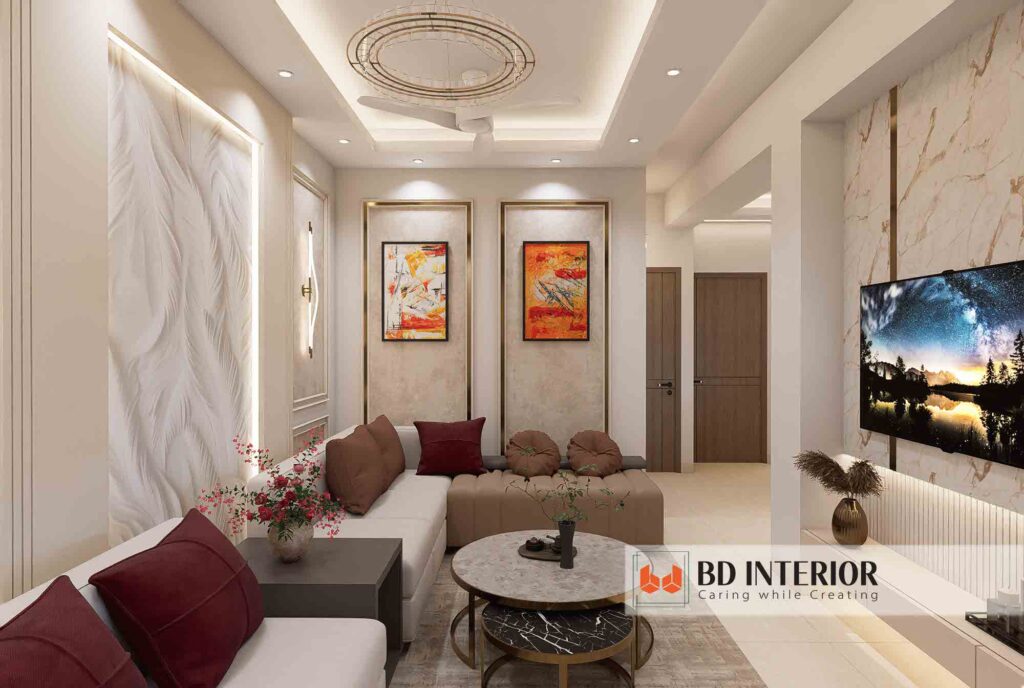
Most homeowners in Dhaka who search for formal living room interior design want a space that feels both elevated and genuinely welcoming. Not a stiff showroom, and the real challenge is building a layered, hand-picked look that still lets your family put their feet up. Fortunately, 2026’s best design thinking completely ditches the museum vibe.
Sure enough, it leans into plush textures, saturated color, and furniture that’s as comfortable as it’s customized. You’re about to see four moves that do exactly that, pulled from on-the-ground work with clients in Gulshan, Dhanmondi, and beyond.
Main point
If you’re skimming, here’s what actually matters.
- Texture layering, plaster, limewash, and layered rugs are the fastest route to an expensive-looking room without spending a fortune on art.
- Custom upholstery like skirted sofas or tufted seating isn’t outdated; it’s back in a softer, rounder way and instantly polishes the room.
- Statement lighting (oversized pendants, sculptural sconces) doubles as functional art and fixes the flatness that makes a formal room feel cold.
- Pattern-on-pattern, coordinated florals on drapes, pillows, and a single accent wall, works beautifully in Dhaka’s soft morning light, if you stick to one colour family.
1. Layer Rich Textures That Ground the Space, Not Smother It
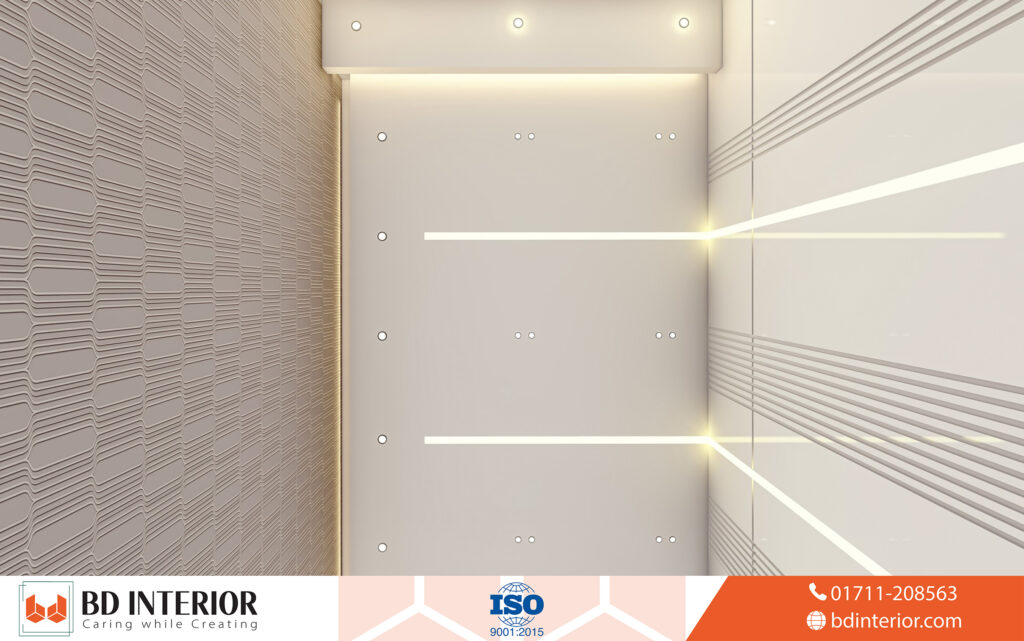
Texture is the real facts of formal living room interior design, because without it even the most expensive furniture falls flat.
You want a room that feels wrapped in warmth the second you walk in. Natural plasters, limewash, or a high-quality grasscloth wallcovering absorb sound and soften harsh fluorescent light, a huge win in Dhaka flats.
Where bare walls can look stark. Then bring in seagrass rugs, handwoven kantha throws, and linen drapes that move with the ceiling fan breeze.
Works like a charm.
Actually, let’s be more concrete. A client in Banani replaced one feature wall with a subtle limewash in a warm greige tone, and instantly the room felt more grounded. Humidity is a concern, so they skipped heavy velvet in favour of breathable linen and raw silk cushion covers.
What wall treatments work best in Dhaka’s humid climate?
Plaster finishes and limewash breathe better than vinyl wallpaper and handle monsoon shifts without peeling.
During the rainy season, stick with moisture-resistant paints and pair them with a dehumidifier. A grasscloth wallcovering can add incredible texture, but it’s best on a single accent wall, away from direct window moisture.
Don’t overlook what’s underfoot. The right rug anchors the seating cluster. In our work, we’ve seen a bunch of Dhaka homeowners pick a rug that’s too small, and the room immediately loses its grip. Nail that and you’ve already won half the battle.
Much of that thinking ties into the advice in our guide on living room rug selection if you’re looking to dig deeper.
2. Custom Upholstery and Sculptural Furniture That Invites Conversation
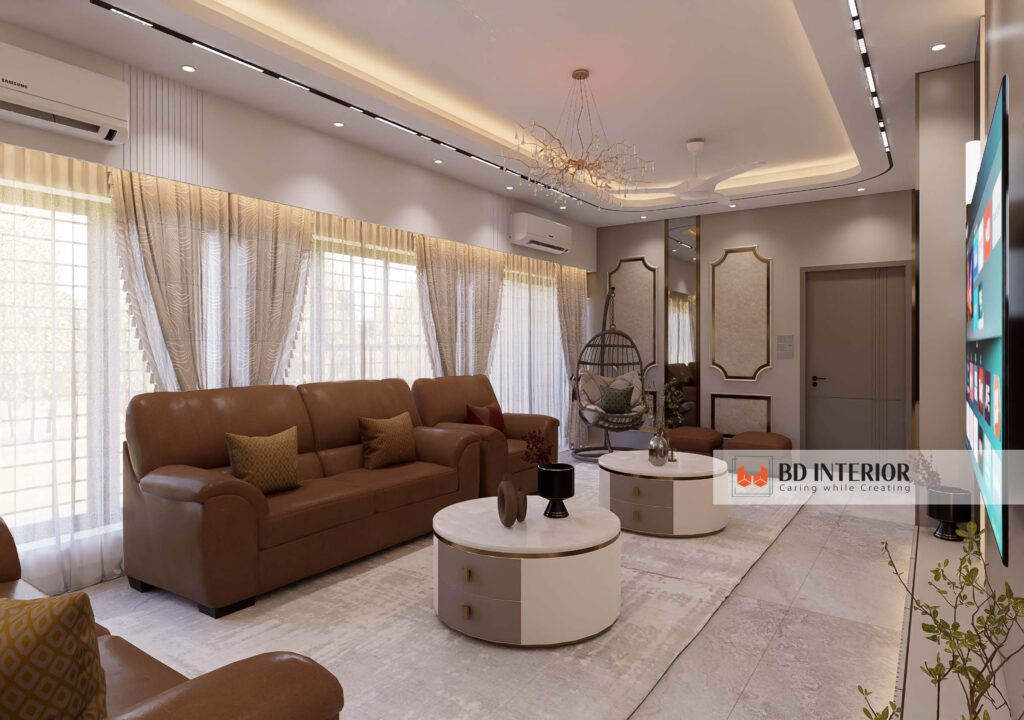
Formal doesn’t mean rigid.
The 2026 data is loud on this: tufted sofas, skirted chairs, and slipcovered seating are back. But with softer, more rounded profiles. In a formal living room interior design scheme, custom upholstery signals that the room is finished and intentional. You’re not buying off-the-shelf showroom pieces; you’re shaping the room around how your family actually gathers.
Are skirted furniture and tufted sofas still relevant for a modern home?
Absolutely, when done in simplified shapes and natural linen blends instead of heavy damask.
Today’s version is cleaner. A skirted sofa in a muted olive or deep aubergine grounds the room and hides the legs of standard furniture, which can look cluttered.
Still, I’ve seen this work firsthand in an Uttara home. Where we paired a deep emerald tufted sofa with a sleek brass-legged coffee table.
In a washable cotton blend, now, and what matters even more, the mix of established and new felt collected, not staged. If you’re worried about rigidity, choose a slipcovered sofa. Spills don’t ruin your evening; that’s the kind of practical elegance a Dhaka family room calls for.
3. Statement Lighting That Doubles as Sculpture
A single overhead fixture can’t carry a formal living room, especially one that needs to feel warm after sundown.
In 2026, layered ambient lighting is non-negotiable; sculptural sconces, oversized floor lamps, and a dramatic pendant become the room’s jewelry. That means no more relying on a stark central tubelight.
In Dhaka, where evening gatherings all the time spill into the night, lighting sets the whole mood. Place a large cane or brass pendant over the central coffee table, flank the sofa with arched floor lamps, and add warm dimmers. The idea is to set up conversation pockets, not a single bright wash that makes everyone squint.
How many light sources should a formal living room have?
Aim for at least four distinct sources on different switches: a central pendant, two floor or table lamps, and a pair of wall sconces.
This gives you flexibility to switch from daytime brightness, to be more precise, an intimate evening glow without losing the room’s formal structure.
4. Pattern-on-Pattern Layering That Looks Curated, Not Chaotic
Pattern mixing in a formal living room interior design scheme is an art, not a free-for-all.
Shea McGee told Elle Decor that “pattern-on-pattern layering will continue to see a resurgence” through drapery, wallpaper, upholstery, and throw pillows. Most people feel the same way about it. The trick is to choose a single colour family and vary the scale. A large floral on the drapes, a small geometric on a cushion, and a subtle stripe on an accent chair.
All in shades of burgundy, olive, and cream.
In a lot of cases, instead, let the curtain pattern lead, and choose pillows and art that pull out one specific hue from that fabric. For formal spaces in Bangladesh, where natural light is abundant. But harsh at certain times of day, a bit muted patterns work better than high-contrast black-and-white motifs.
How do I mix floral and stripe patterns without a clash?
Stick to one dominant colour and treat floral as the hero, with stripes acting as a supporting texture in a smaller dose.
A floral wallpaper on one wall, cream drapes with a thin navy stripe, and one striped lumbar pillow. The rest of the textiles stay solid.
“Deep, saturated color will be a major theme in 2026.”, Meredith Owen, House Beautiful
That deep colour quote matters here. Plus, a saturated backdrop makes patterns sing rather than fight. In a Mirpur apartment, a client used plum-hued walls and layered a jali-patterned rug over a plain jute base. It just works.
The effect was formal and unmistakably personal.
- Pick your anchor pattern first, usually the drapes or the largest upholstered piece, and pull every other textile colour from it.
- Vary the scale, combine a large floral with a fine pinstripe or a micro-dot, never two busy large prints side by side.
- Use a neutral bridge, a solid-colour rug and plain linen cushions give the eye a place to rest between patterns.
- Test in Dhaka’s light, view fabric samples at different times of day, because strong afternoon sun can wash out subtle contrasts.
What does that mean in practice? A thoughtful pattern mix also ties back to transitional design thinking. Where you blend traditional motifs with clean modern lines. It’s the same principle.
People Also Ask
What colours are trending for formal living rooms?
Muted nature-inspired tones dominate: deep greens, aubergine, plum, burgundy, olive, and darker blues.
These saturated shades replace flat beige-on-beige schemes and make the room feel anchored and sophisticated without being dark. Layering a deep wall colour with cream upholstery and brass accents keeps the space airy.
How do I make a formal living room cozy without losing elegance?
Mix soft, rounded furniture shapes with layered lighting and plush rugs.
From a broader view, a skirted sofa in a tactile fabric adds softness. While a pair of oversized floor lamps crafts warmth. Keep finishes like brass and linen for understated luxury.
Can I use metallic accents in a formal living room?
Yes, but limit yourself to two mixed metals: aged brass with pewter or nickel with iron.
Spread them evenly across light fixtures, mirror frames, and hardware. Overdoing shiny surfaces can tip a formal room into cold territory, so balance metallic with matte textures like plaster walls or a wool rug.
What’s the biggest mistake people make with formal living rooms?
Treating it like a gallery instead of a lived-in space.
When every surface is off-limits, and seating looks untouchable, the room loses its soul. Inject vintage pieces, family photos in elegant frames, or a stack of well-chosen books. Formal living room interior design succeeds only when it feels like yours.
The final result: You don’t need a hero budget or a sprawling floor plan to pull off a stunning formal living room. Nail the texture play, choose furniture that invites people in, light the space like a pro, and layer patterns with a light hand. The result is a room that feels as good at 7 a.m. With a cup of tea as it does during a full house of guests. Ready to start?
Explore our interior design advice for new homeowners to build a space that’s equal parts elegant and real.

S.M. Rezaul Haque is a seasoned interior design consultant with 15+ years of experience. An AIUB graduate and Senior Vice President of BIDCOA, he specializes in creating functional, sustainable, and visually inspiring spaces. As the driving force behind BD INTERIOR, he has helped shape 700+ Bangladesh’s most innovative interior design projects.