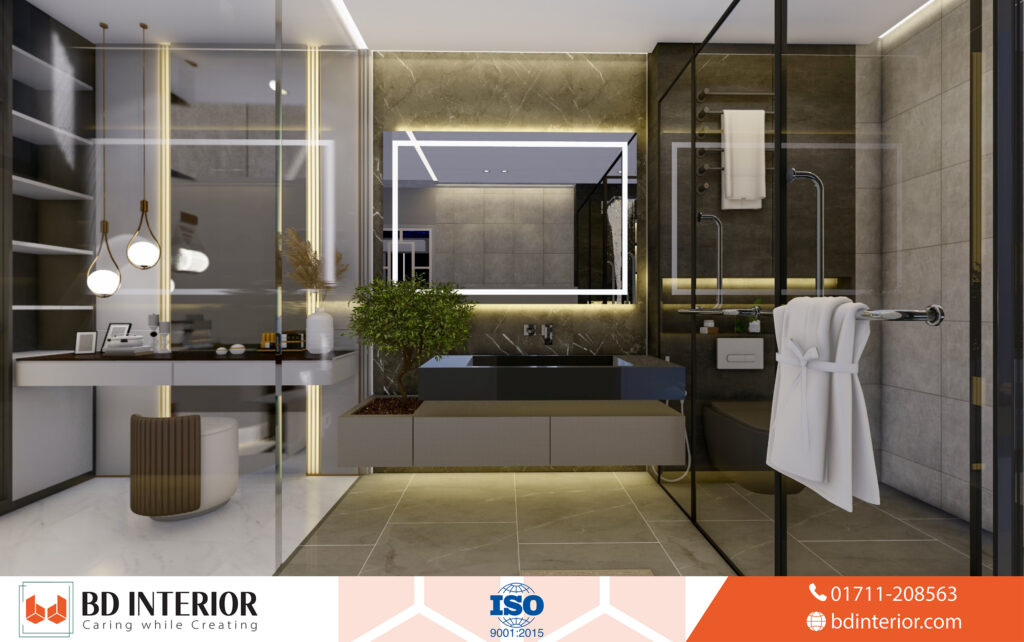
The 2026 home design revolution is not one look. It is a broad shift away from the cool, flat gray-and-white interiors that dominated the last decade, toward warm wood, earthy color, curved forms, wellness spaces, and a stronger connection between indoors and outdoors. If your home still reads like a 2022 Pinterest board, the 2026 reporting already puts you behind the curve.
The short version
- The 2026 home design revolution favors warm earthy materials, curved forms, and wellness rooms over the all-gray, all-white look that defined the last decade.
- Exterior upgrades still pay: garage door replacement and manufactured stone veneer each recoup roughly 100% or more of cost.
- Costs climb fast with custom millwork, natural stone, and large door systems, so start with reversible changes like lighting, paint, or wallpaper.
Key Point
If you're skimming, here's what actually matters.
- Warm wood and earthy tones are now the baseline, not a trend. Houzz research calls warmth a foundation for design.
- Curved details are rising fast. Arched range hood searches jumped 177% on Houzz; pantry door searches rose 130%.
- Reversible updates, like lighting or wallpaper, carry the look without the renovation risk.
Table of Contents
- What the 2026 Home Design Revolution Actually Means
- Interior Shifts Driving the Home Design Revolution
- Exterior Design in the Home Design Revolution
- Costs, Trade-offs and Common Misconceptions
- People Also Ask
What the 2026 Home Design Revolution Actually Means
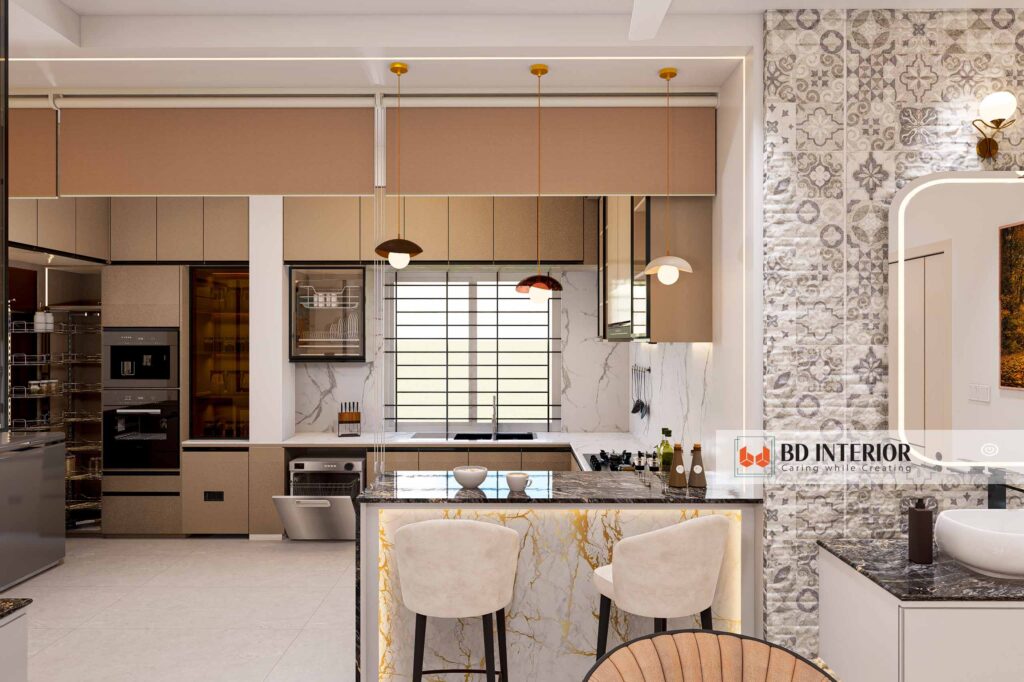
The 2026 home design revolution is a coordinated move toward warmth, softness, wellness, and indoor-outdoor connection, replacing the flat gray-and-white minimalism that defined the last decade. It shows up in interior finishes (warm woods, earthy paint, curved furniture) and exterior choices (permeable patios, native planting, larger glass doors).
Houzz Research frames the shift plainly:
"They're layering warm wood tones, earthy colors, multiple textures, and natural materials throughout the home."
In the same reporting, warmth is described as a foundation for design, not a passing trend. The cool gray-and-white era is fading. Multiple 2026 trend reports agree that richer browns, terracotta, olive, sand, mushroom, and muted sage are taking its place. The revolution is less about a single motif and more about how a house feels: lived-in, calm, connected.
Interior Shifts Driving the Home Design Revolution
Inside the house, the 2026 home design revolution centers on four moves: warm and natural materials, curved and organic forms, wellness-focused rooms, and personalized collected spaces over stark minimalism. Each is visible in current Houzz search data and in what designers are actually specifying.
Warm wood and earthy color are the clearest theme. Lauren McGrath of Studio McGrath puts it directly:
"Darker-toned woods are making their return after many years of paler varieties dominating."
That means walnut, oak, and elm are showing up on cabinetry, furniture, and trim in richer tones than the bleached look of recent years.
Curves are the second signal, and the numbers back it. Houzz reports searches for arched range hood up 177% and arched pantry door up 130%. Rounded sofas, scalloped tile, arched doors, and wave-inspired surfaces are moving from accent to expectation.
Houzz Search Surges for Curved Details (% increase)
Wellness rooms are rising just as fast. Spa-like bathrooms, dedicated relaxation spaces, and layouts built for calm and privacy are becoming standard in 2026 homes rather than luxuries.
Homeowners are also choosing collected, personalized interiors over blank minimalism, with more custom built-ins, statement lighting, and meaningful decor. People in design discussions keep saying the warm, cozy look feels more inviting than the all-white, all-gray homes that ruled for years. If you're restyling a living room that actually works in 2026, those four moves are the lens to use.
Exterior Design in the Home Design Revolution
On the exterior, the 2026 home design revolution runs on indoor-outdoor connection and lasting, lower-maintenance materials: large glass doors, permeable patios, native planting, solar and low-voltage lighting, and repurposed or natural stone. Curb-appeal upgrades still lead on cost recovery.
Indoor-outdoor living remains the top exterior priority. Large glass doors, screened patios, outdoor kitchens, and garden-focused spaces now shape both interior layout and exterior updates. The goal is making the patio feel like another room, not a leftover.
Curb-Appeal ROI (Cost Recouped %)
Sustainability has moved from niche to mainstream. Solar lighting, native and drought-resistant planting, permeable surfaces, and low-voltage systems are showing up in more 2026 exteriors, and they cut both water and energy use over time. Natural wood, travertine, limestone, soapstone, and unpolished metals are the materials gaining ground on both sides of the wall. Choosing sustainable materials for your interior and exterior together is what makes the look hold up.
Costs, Trade-offs and Common Misconceptions
The honest catch with the 2026 home design revolution is cost: warm natural materials, custom millwork, natural stone, and large door systems are pricier than basic mass-market options, and highly personalized interiors can age faster if you plan to resell quickly. Reversible updates are the safer entry point.
A common complaint in 2026 coverage is that the new looks feel expensive to copy, especially when they involve custom millwork, natural stone, or large door systems. Indoor-outdoor upgrades also tend to need structural changes: new openings, weather-resistant materials, patio work. That adds complexity and cost.
Maintenance is the second trade-off. Natural materials and softer finishes can demand more upkeep than harder, utilitarian surfaces, particularly in busy households.
Lead times are real, too. High-end Bangladeshi cabinetry and windows commonly run 16 to 24 weeks, and working with an ISO 9001:2015 certified interior brand helps cut down that wait through tighter quality control. For trimming those costs, reducing interior design cost in Bangladesh without sacrificing style is a useful system before you commit.
Some owners prefer smaller, reversible updates (lighting, wallpaper, paint) precisely because they're easier to undo if taste shifts. That is a reasonable first move, and the 7-step approach to redesigning your house interior pairs well with it.
People Also Ask
Is Millennial Gray really bad for resale now?
Gray fatigue appears real. Buyers gradually associate all-gray interiors with quick, cheap flips, and 2026 reporting shows warmer neutrals and earthy tones replacing cool gray and stark white. Using sage, terracotta, or warm off-white tends to read as more current and better cared for.
Are arched doors and curved furniture worth the cost?
They add personality without a full remodel, which makes them accessible for many owners. Houzz search jumps, 177% for arched range hood and 130% for arched pantry door, show demand is real. But overuse can date a space, so treat curves as accents within a warm, neutral base.
Do indoor-outdoor upgrades actually pay back?
They expand usable entertaining space and improve access to light, air, and views, which buyers notice. The trade-off is structural work and cost: new openings, weather-resistant finishes, patio build. Do them if you plan to stay several years, not for a quick resale.
What is the cheapest way to get the 2026 look?
Start with paint, lighting, and wallpaper in warm earthy tones, then add a curved furniture piece and warm wood accents. These carry the feel of the home design revolution without structural risk, and they're reversible if your taste changes.
- Audit your exterior, walk the street view and note one high-ROI upgrade like a garage door or stone accent.
- Swap cool grays for warm neutrals, repaint one room in terracotta, sage, or mushroom to test the 2026 palette.
- Add one curved detail, a rounded mirror, arched door, or scalloped tile accent carries the look cheaply.
- Plan indoor-outdoor in stages, start with lighting and plantings before any structural door or patio work.
BD Interior, transforming homes since 2010, has consistently championed eco-friendly materials that lift both market value and daily performance. Will you take 15 minutes this week to review your exterior for one upgrade opportunity? That single yes-or-no commitment is where real change starts.
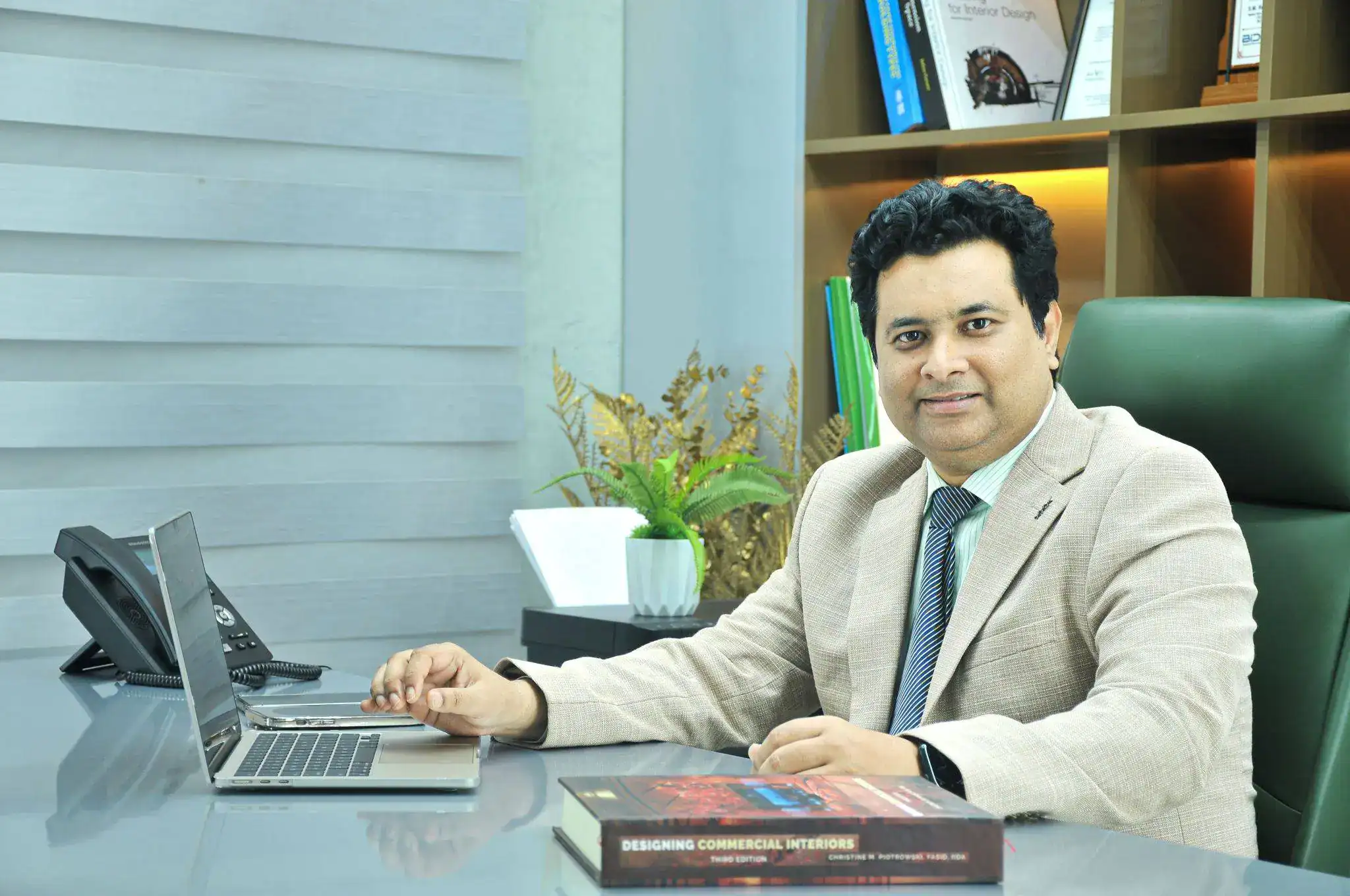
S.M. Rezaul Haque is a seasoned interior design consultant with 15+ years of experience. An AIUB graduate and Senior Vice President of BIDCOA, he specializes in creating functional, sustainable, and visually inspiring spaces. As the driving force behind BD INTERIOR, he has helped shape 700+ Bangladesh’s most innovative interior design projects.