
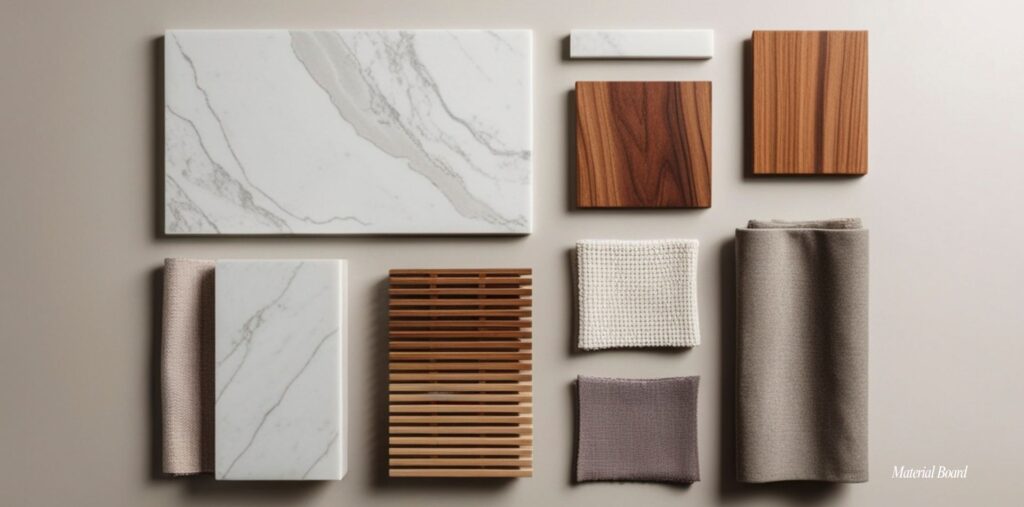
Planning an interior design project can feel overwhelming. With so many colors, textures, fabrics, and finishes, how do you unify your ideas? An interior design material board organizes samples and clarifies your vision.
Whether in a Dhaka apartment or a Chittagong villa, material boards turn scattered ideas into cohesive designs. Let’s see how this tool streamlines your process.
What Is an Interior Design Material Board and Why Every Designer Needs One?
A material board is a physical or digital display showing actual material samples for a space, turning scattered samples into a finished scheme. It acts as your design blueprint. Arrange fabric swatches, paint chips, flooring, and finish samples on one board to show how the elements work together.
Unlike sketches or color palettes, material boards let you touch textures and see how light interacts with them. Clients instantly grasp your vision by seeing real samples, not just images or descriptions.
Why Material Boards Are Essential for Design Success
Material boards prevent costly mistakes before construction starts. Placing materials side by side makes clashing colors and textures obvious. Swapping samples is easier than replacing installed materials.
For Bangladesh’s diverse climate and architectural styles, material boards help you consider practical factors. Will this fabric survive Dhaka’s humidity? Does this tile work with traditional Bangladeshi aesthetics? These questions are answered during the material board phase.
Building Client Trust Through Visual Communication
Clients struggle to visualize with words alone. A material board bridges this gap. When clients touch velvet or see marble, they connect emotionally to your design and trust your expertise.
Material boards reduce revision rounds. Clients approve designs faster because they understand what they’re getting, saving time and supporting strong relationships throughout the project.
How to Create a Professional Material Board in 5 Simple Steps (Physical and Digital Methods)
Before starting, consider what you’ll gain from the five steps. They’ll equip you to gather and arrange materials, choose the right format, and avoid common mistakes, ensuring a seamless presentation that resonates with clients.
Step 1: Gather Your Design Materials and Samples
Begin by collecting physical samples for your proposal. Visit local suppliers in Gulshan, Banani, or your nearest design area. Request fabric, paint, tile, wood, and hardware samples. If suppliers cannot provide samples, consider asking for catalogs or high-resolution images.
You can also collaborate with local artisans to create bespoke pieces or explore digital platforms that offer a wide range of materials suitable for your design needs.
Ensure samples show texture and pattern clearly. Tiny fabric pieces won’t display a bold print on a sofa. Aim for at least 4×4-inch samples.
Step 2: Choose Your Board Format and Base
For physical boards, use foam core, cork board, or sturdy cardboard as your base. White or neutral backgrounds work best. These don’t compete with your samples. Standard sizes range from 11×17 inches to 20×30 inches, depending on project complexity.
Digital material boards suit remote presentations. Tools like Canva, Photoshop, or specialized software such as Material Bank produce polished versions. Scan physical samples or use high-resolution supplier images.
Step 3: Arrange Materials by Room Zones or Design Elements
Organize your board logically. Group materials by room or by type (fabrics, finishes, flooring). This structure helps clients follow your design story.
Leave white space between sample groups. Crowded boards confuse. Label each sample clearly with product name, supplier, and reference. This info is crucial during purchasing and installation.
Step 4: Add Supporting Details and Color Codes
Include paint codes and brands, note fabric composition and care, and provide supplier contact information on the board or an accompanying sheet. These details show professionalism.
Consider adding sketches or floor plans of small rooms to help clients see how the materials fit. This context helps them connect your choices to actual spaces.
Step 5: Review Lighting and Make Final Adjustments
View your board under different lighting. Daylight shows true colors; evening light changes moods. Bangladesh’s sunlight affects colors, so test outdoors when possible.
Ensure materials create the desired atmosphere. Do textures and colors harmonize? Make final swaps until the board feels cohesive. This review distinguishes professional presentations.
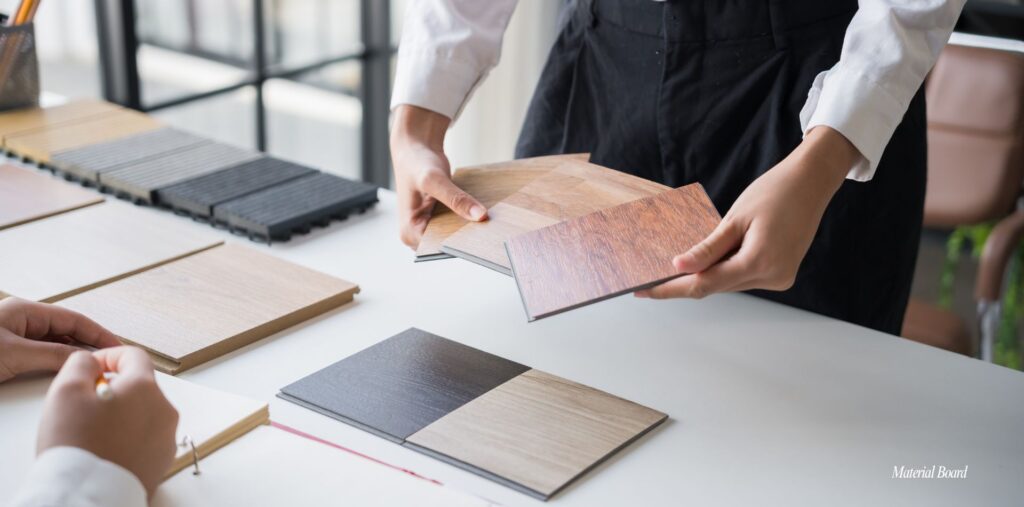
Material Board vs Mood Board: Understanding the Key Differences for Better Design Projects
Mood boards inspire and set the overall feeling. They mix magazine cutouts, photos, palettes, and lifestyle images to express a style or direction early in the process.
Mood boards ask: What style are we pursuing? What emotions should the space evoke? They help narrow design directions before material selection.
The Practical Focus of Material Boards
Material boards are concrete and ready for purchase. Each sample can be ordered and installed. They serve as your shopping and installation guide.
Contractors and suppliers use material boards for specifications. Material boards come after concept approval but before ordering begins.
Using Both Tools for Complete Design Communication
Smart designers use both boards. Start with mood boards in client meetings, then develop material boards with specific products. This two-stage method aligns vision and execution.
In Bangladesh’s interior design market, clients appreciate seeing both boards. The mood board excites them about possibilities. The material board reassures them. It shows you have thought through practical details, such as local availability and maintenance requirements.
Essential Materials to Include in Your Interior Design Board (Fabrics, Finishes, Tiles & More)
Include paint and wallpaper samples for each wall and ceiling. Show special finishes like wood, exposed brick, or plaster. Wall treatments greatly impact the room atmosphere.
For Bangladeshi homes, consider humidity-resistant paints and mold-resistant finishes. These practical choices matter in our tropical climate. Display samples that clearly show both color and texture.
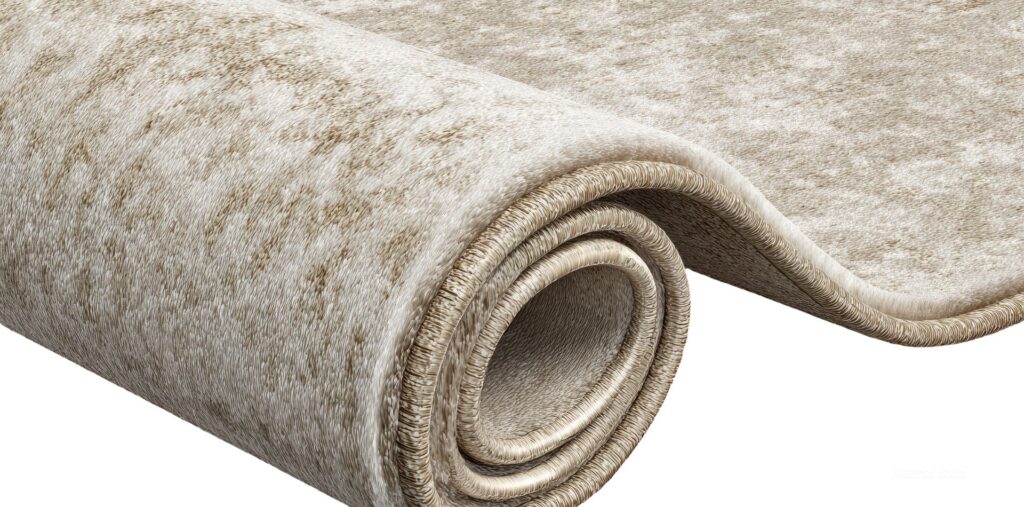
Flooring Materials and Carpet Samples
Flooring samples are vital as they cover large areas. Include tiles, wood, laminate, vinyl, or marble. Show grout colors for tiles—these details alter the final look.
Bangladesh’s market offers quality local marble and ceramics. Feature these to support local suppliers. Provide both polished and matte finishes for maintenance preferences.
Upholstery Fabrics and Soft Furnishings
Use fabric samples large enough to show pattern repeats and texture. Include upholstery, curtains, and decorative fabrics.
Consider durability for Bangladesh’s climate. Cotton and linen breathe but wrinkle. Synthetics resist humidity. Show you’ve considered practical factors on your board.
Hardware, Fixtures, and Accent Materials
Include details that create visual continuity, such as door handles, cabinet pulls, switch plates, and faucet finishes.
Add lighting fixture samples or photos, and show countertop materials. Include metal, glass, or accessories that complete your scheme.
Top Material Board Mistakes to Avoid and Best Practices for Client Presentations in Bangladesh
Overcrowding ranks as the biggest mistake. Designers sometimes attach too many samples, which creates visual chaos. Instead, keeping selections focused helps clients quickly compare the best options. This approach leads to clearer decision-making and a more satisfying experience. Quality beats quantity every time.
Another error is using small samples. Tiny chips fail to show texture or pattern. Clients can’t decide from insufficient samples; always request proper sizes.
Ignoring Local Context and Climate Considerations
Some designers copy material boards from international sources, ignoring Bangladesh’s climate. Our humidity, heat, and dust require practical local choices. Your board should highlight climate-appropriate materials.
Include maintenance information relevant to local conditions. Will this fabric mildew in the monsoon season? Can this finish withstand frequent cleaning? Bangladeshi clients value these practical considerations highly.
Best Practices for Professional Client Presentations
Present material boards in person whenever possible. Walk clients through each selection, explaining your reasoning. Let them touch samples and ask questions. This interactive experience builds trust and excitement.
Prepare backup options for key materials. If a client dislikes your primary fabric choice, having alternatives ready shows preparedness. This flexibility demonstrates that you prioritize their preferences while maintaining design integrity.
Adapting to Bangladesh’s Interior Design Market
Understand local supplier availability before finalizing boards. Featuring materials that require months of international shipping creates frustration. Work with reliable Dhaka-based suppliers who can deliver consistently.
Price transparency matters to Bangladeshi clients. Consider adding approximate costs or budget categories to your board. This honesty prevents unpleasant surprises during purchasing phases. Clients appreciate knowing whether they’re looking at premium or standard options.
Frequently Asked Questions
How many material samples should I include on one board?
Include 8-15 key material samples per room or design area. This range provides enough variety without overwhelming viewers. Focus on major elements like flooring, wall finishes, primary fabrics, and key accent materials. You can create separate boards for complex multi-room projects rather than cramming everything onto one overcrowded board.
Can I create an effective material board digitally, or must it be physical?
Both formats work effectively for different situations. Physical boards excel during in-person presentations because clients can touch textures and see true colors under natural light. Digital boards work better for remote consultations or when sharing with multiple stakeholders simultaneously. Many designers create both versions for maximum flexibility in client communications.
Where can I source high-quality sample materials in Bangladesh?
Visit the areas in Gulshan, Banani, and Uttara in Dhaka for comprehensive supplier options. Check Aarong, Nadia Home, and local furniture markets for fabric samples. Tile showrooms in Tejgaon offer extensive selections. Build relationships with suppliers who provide professional-sized samples. Many international brands now have local representatives who supply sample materials for designers.
How long does it typically take to create a professional materials board?
Expect 3-5 days for the thorough creation of a material board. This includes one day for sample collection, one day for initial setup and experimentation, and additional time for refinement and client preparation. Rush projects can be completed faster, but quality suffers. Give yourself adequate time to test combinations under different lighting and make thoughtful adjustments before presenting to clients.
Conclusion
An interior design material board transforms abstract ideas into a tangible reality. You can create a visual reference that guides every purchasing and installation decision. We’ve covered what material boards are, how to create them professionally, and how they differ from mood boards. You now understand which essential materials to include and which mistakes to avoid.
For Bangladesh’s interior design projects, material boards become even more valuable. They help navigate local supplier options while addressing our unique climate challenges. So start your next project with a well-crafted material board. Your clients will appreciate the clarity, and your designs will come together more smoothly than ever before.
S.M. Rezaul Haque is a seasoned interior design consultant with 15+ years of experience. An AIUB graduate and Senior Vice President of BIDCOA, he specializes in creating functional, sustainable, and visually inspiring spaces. As the driving force behind BD INTERIOR, he has helped shape 700+ Bangladesh’s most innovative interior design projects.